
An inside look at Hyundai Motorsport at Rally Italia reveals how the company’s World Rally Championship experience is transforming its road cars into true enthusiast machines.
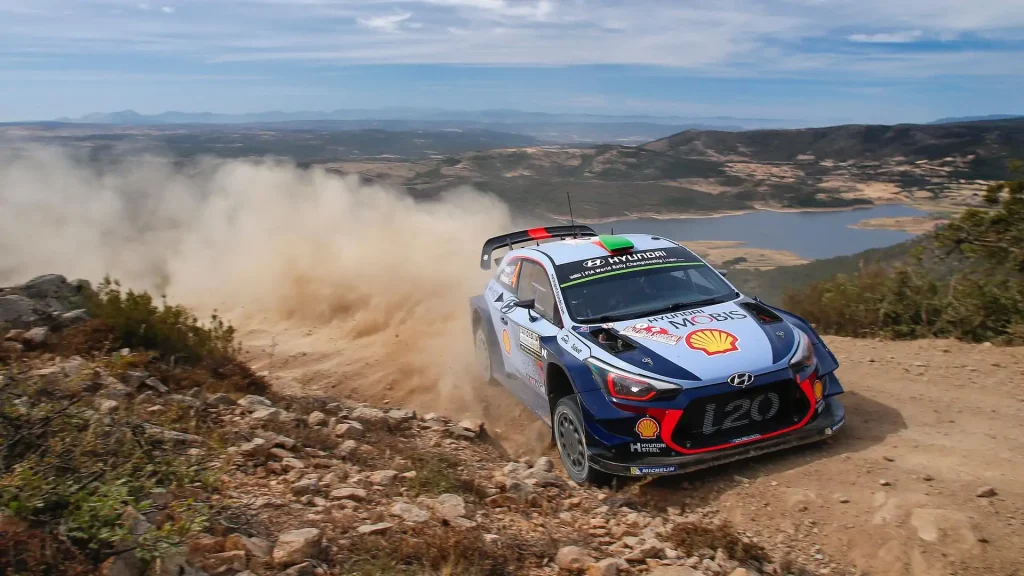
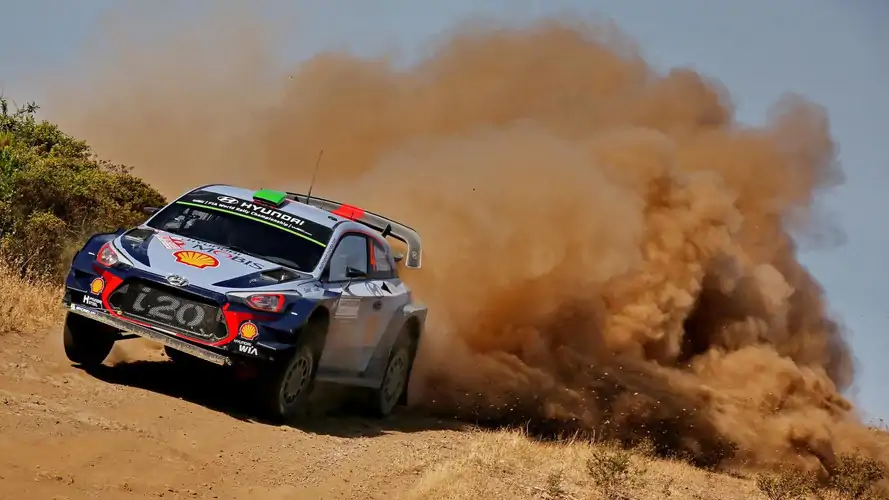
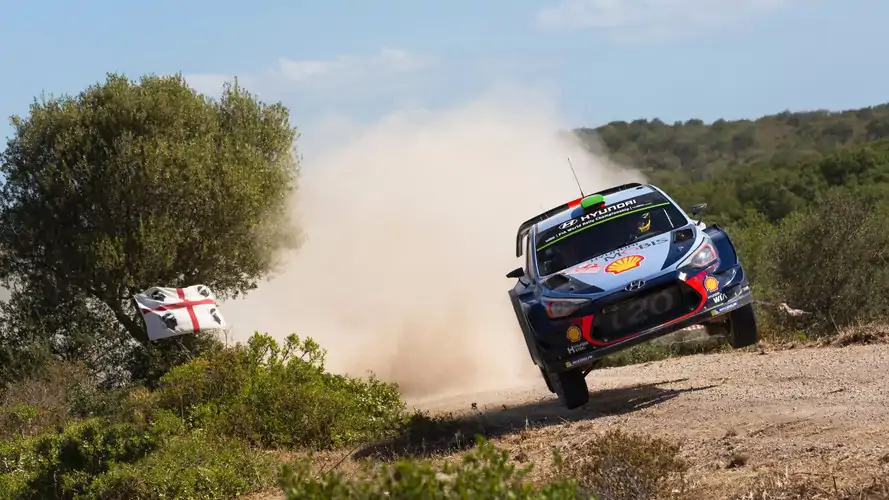
Hyundai’s World Rally Championship cars announce their arrival long before they come into view. As another massive cloud of orange dust drifted across the Sardinian landscape and settled over everything nearby—including my brand-new suede sneakers—it became painfully obvious that my choice of footwear hadn’t been ideal. Summer in Sardinia is relentlessly dry, and the loose gravel that makes Rally Italia one of the WRC calendar’s most demanding events also creates spectacular scenes. Watching the Hyundai i20 WRC carve through a hairpin at full attack, throwing a wall of dust high into the air, is unforgettable. If a pair of shoes has to pay the price, so be it.
Being there at all felt like a privilege. Covering the World Rally Championship isn’t part of my usual beat, and those looking for in-depth rally coverage are better served by dedicated motorsport outlets. But Hyundai invited us for a different reason. The company’s factory-backed WRC program had matured into a serious championship contender, and it was becoming increasingly clear that the lessons learned on these punishing rally stages weren’t staying in the service park. They were beginning to influence the cars Hyundai planned to sell to everyday drivers.
That connection between motorsport and production vehicles is exactly what makes Hyundai’s rally effort so fascinating. While WRC may not enjoy the same mainstream following in the United States as Formula 1 or NASCAR, its influence on Hyundai’s future extends far beyond race weekends. The engineering knowledge gained from competing on snow, gravel, mud, and tarmac is helping shape a new generation of performance-focused road cars designed to challenge established rivals.
Table of Contents
Performance Wasn’t Always Part of Hyundai’s Identity
Not long ago, asking American car buyers to associate Hyundai with performance would have drawn puzzled looks. The brand built its reputation on value, generous warranties, improving reliability, and increasingly attractive styling rather than outright speed or driving excitement. Hyundai earned respect by producing dependable transportation at competitive prices, not by building cars enthusiasts dreamed about owning.
Even as models became more refined and better equipped, the company’s performance credentials remained limited. Aside from a few sport-oriented trims like the Elantra Sport, Hyundai had little presence in a market dominated by hot hatches, sports sedans, and track-ready performance cars. It simply wasn’t a brand enthusiasts typically considered when discussing driver engagement or high-performance engineering.
That perception, however, was about to change. Hyundai’s investment in motorsport—and particularly its World Rally Championship campaign—would become the foundation for an entirely new performance division. The experience gained battling the world’s toughest rally stages would eventually give birth to the N brand, proving that Hyundai could build vehicles that were just as rewarding to drive as they were practical to own.
A quick look from the second floor of Hyundai Motorsport’s sprawling service park makes one thing immediately clear: the company is investing heavily in changing its image. Since establishing its dedicated motorsport division, Hyundai has poured enormous resources into its World Rally Championship program. While team officials understandably avoid discussing exact figures, it’s obvious that this is far more than a marketing exercise. The goal is to transform Hyundai from a brand known primarily for value and reliability into one that enthusiasts associate with genuine performance and motorsport success.
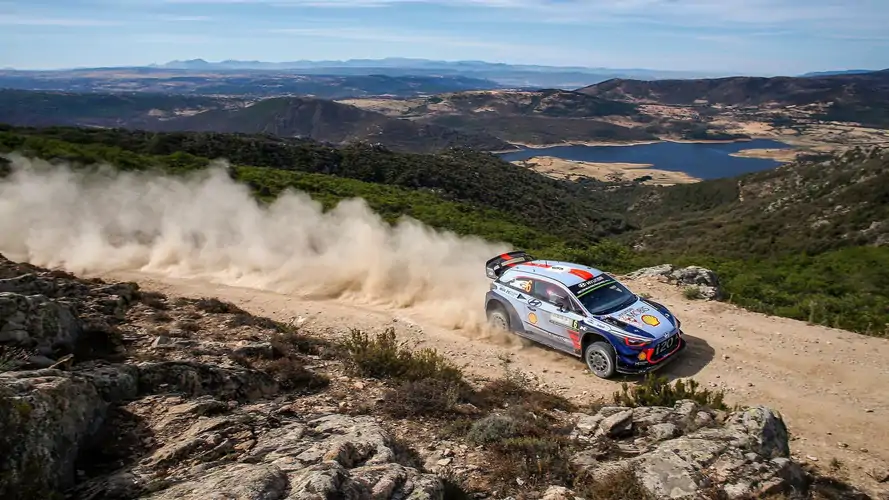
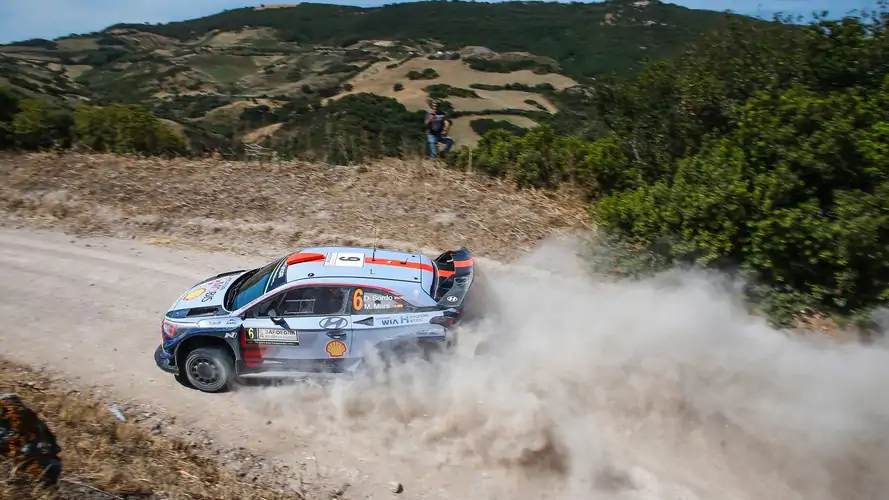
At the heart of that effort is the Hyundai i20 WRC, a purpose-built rally car that perfectly embodies the brand’s new ambitions. Based on the European-market i20 hatchback, the rally machine shares little mechanically with its road-going counterpart, yet it unmistakably retains the production car’s identity. Its signature front grille, compact hatchback proportions, and recognizable silhouette remain intact, proving that even a championship-caliber rally car can preserve the visual DNA of the vehicle parked in dealerships across Europe.
The transformation from road car to rally machine is dramatic. A massive rear wing, widened wheel arches, gravel tires, large air intakes, and reinforced bodywork give the i20 WRC a clear competition-focused purpose. Inside, the hatchback is stripped down to two seats, a roll cage, navigation equipment, and the tools needed for long rally stages. The rear area still carries spare tires and essential equipment, with teams carefully balancing usefulness against weight.
Power comes from a turbocharged 1.6-liter four-cylinder producing around 380 horsepower and 332 pound-feet of torque. With a competition weight of roughly 2,600 pounds, all-wheel drive, and specialized suspension, the i20 WRC can attack gravel, dirt, and broken pavement at remarkable speeds.
Hyundai’s WRC program has also become an important development tool. Rather than transferring individual race components directly to production cars, engineers use the extreme conditions of rallying to learn about durability, cooling, chassis tuning, and reliability. Those lessons help shape the character of Hyundai’s road-going performance models.
That connection is most obvious in the N brand. Hyundai has used its motorsport experience to create cars focused on sharp handling, responsive steering, strong chassis control, and everyday usability. Rallying provides the harsh testing environment, while N models bring that performance philosophy to customers.
Not long ago, Hyundai was primarily associated with affordable transportation. Its growing presence in international motorsport has helped change that perception, giving the company a legitimate performance identity that extends well beyond the rally stage.
From Rallying to Road Cars.
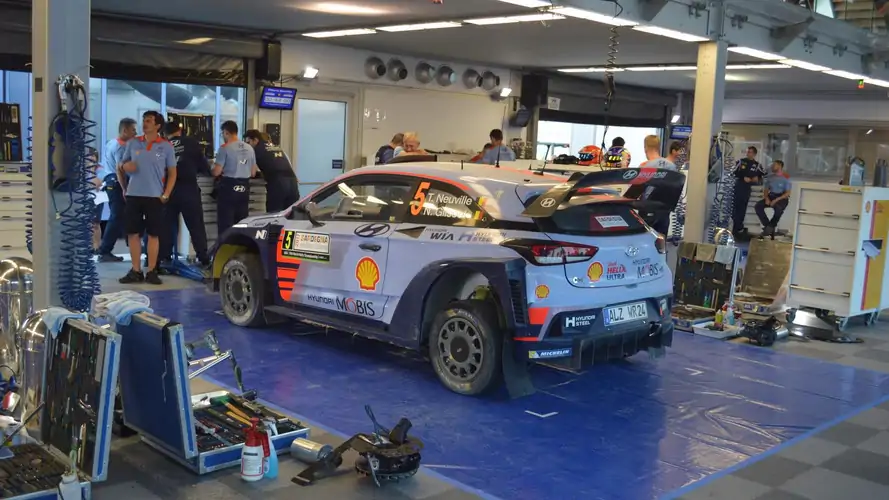
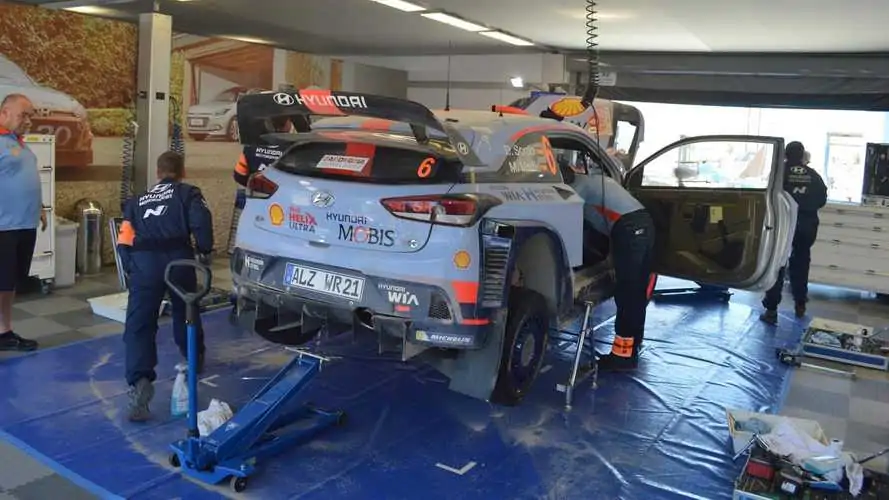
Hyundai may still be a relative newcomer to top-level motorsport, but its successful WRC program is already influencing the company’s road cars. The lessons aren’t necessarily about copying individual racing components. Instead, Hyundai says the extreme conditions of rallying—heat, cold, rain, dirt, and constant punishment—help engineers develop tougher and more reliable production vehicles.
The bigger impact may be the transfer of performance character. In Europe, Hyundai offers everything from the competition-ready i20 R5 to the i30 N hot hatch, giving everyday drivers a taste of the attitude developed on the rally stage.
That’s where the N performance brand comes in. Motorsport provides the proving ground, while N brings the resulting performance philosophy to Hyundai’s road cars. The company’s plans to expand N globally also mean that this racing experience will eventually reach enthusiasts well beyond Europe.
For a company once best known for inexpensive transportation, Hyundai’s move into performance is significant. Few automakers create a new performance identity from scratch, and Hyundai is building its N brand with motorsport credibility already behind it.
My First WRC Co-Driver Experience
I may have the enthusiasm of a WRC co-driver, but at 250 pounds, I was going to need to lose a few pounds before making the career change.
The highlight of my Sardinia trip was getting into the co-driver’s seat alongside Hyundai driver Dani Sordo for a run on part of an actual rally stage. I’ve ridden in race cars before, but nothing prepared me for experiencing a WRC car sliding across loose dirt with massive rocks and spectators just feet away.
Sordo made it look effortless. Even at what was presumably a relatively restrained pace compared with a full competition run, his precision was incredible. From inside the car, maneuvers that look completely chaotic from the outside—like a four-wheel drift through a loose hairpin—felt remarkably controlled. The cabin was filled with the roar of the engine, violent gear changes, turbo noise, and the constant sound of gravel hitting the car.
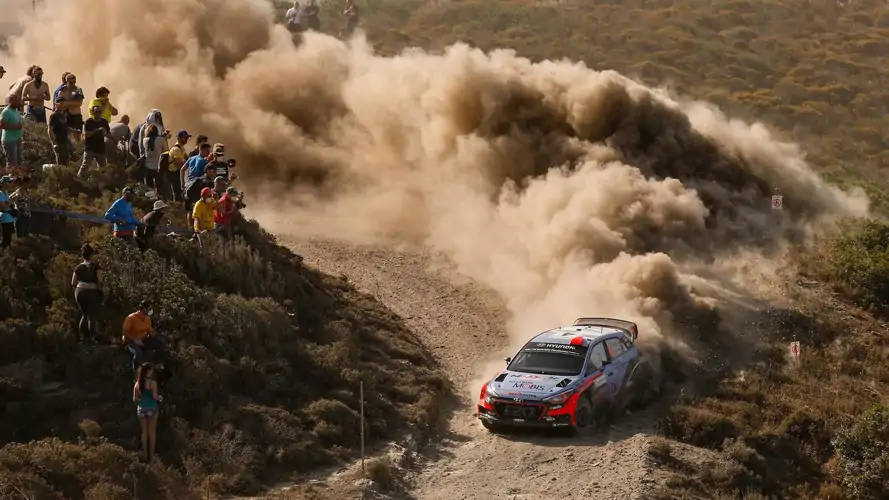
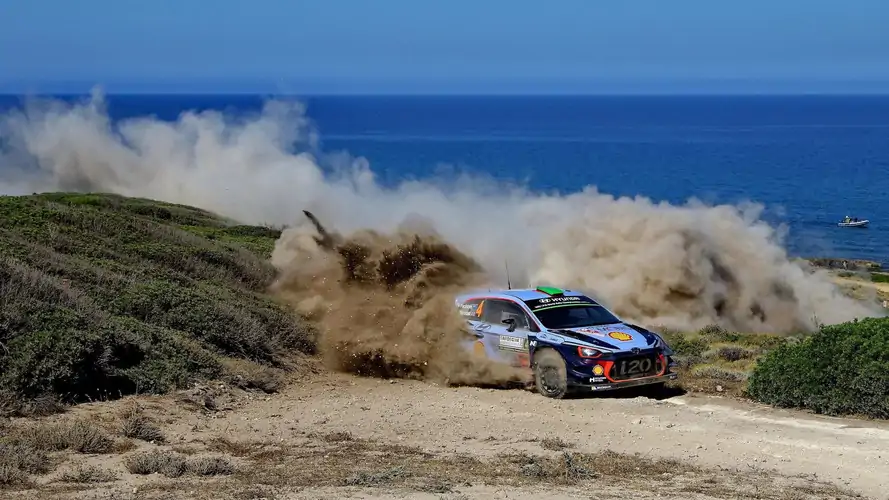
The grip was equally impressive. Despite the loose surface, the tires and aerodynamic package made the car feel planted as it powered out of corners. Watching rallying is one thing; feeling a WRC car attack a stage from the passenger seat is something else entirely.
Would I have the same level of confidence behind the wheel? Almost certainly not. But if Sordo ever offered me the keys, I wouldn’t hesitate.
My Sardinia trip ended with dirt-covered shoes, a first-hand look at the WRC, and an unforgettable ride in a genuine rally car. I also got to witness Hyundai’s emerging performance identity taking shape. That’s a pretty good way to spend a weekend—even if my sneakers paid the price.