
Buying a car is only half the equation — getting the most money when you sell it is where the real deal is made.
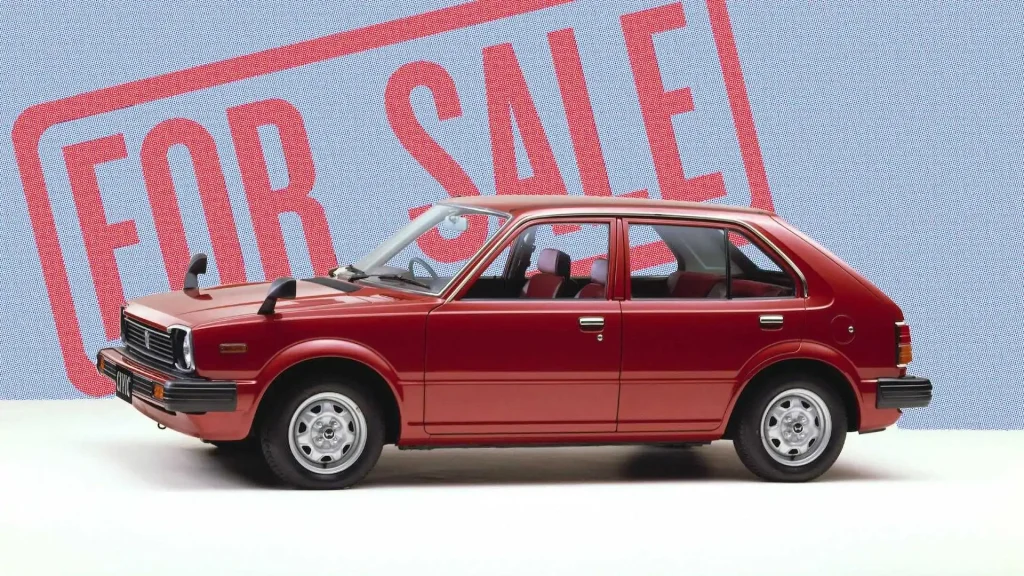 Many owners leave money on the table by rushing the process, accepting the first offer, or failing to prepare their vehicle properly. Whether you’re selling privately, trading it in, or working with an online buyer, the right strategy can add hundreds or even thousands of dollars to your final sale price.
Here are 10 detailed ways to get the most money when selling your used car.
Table of Contents
Prepare Your Car Before Putting It On The Market
The first impression a buyer gets can strongly influence how much they are willing to pay. A dirty, neglected vehicle often makes people assume there are hidden problems, even if the car is mechanically sound.
Start by giving your car a complete makeover:
- Wash and wax the exterior
- Clean the wheels and tires
- Polish the headlights if they are cloudy
- Vacuum carpets and seats
- Clean the dashboard, doors, and trim
- Remove personal belongings
- Wash windows inside and out
Pay special attention to odors. Smoke, pet smells, and food odors can quickly reduce a buyer’s interest.
For the best results, consider professional detailing. A properly detailed vehicle can look years newer and may help justify a higher asking price.
However, avoid expensive cosmetic repairs that will not increase the vehicle’s value. Spend money where it creates a noticeable improvement.
Take Care Of Small Repairs Before Selling
Small problems can have a surprisingly large impact on buyer confidence.
A potential buyer who notices several minor issues may assume the vehicle has not been maintained. Before listing your car, fix inexpensive problems such as:
- Burned-out lights
- Worn windshield wipers
- Missing trim pieces
- Small scratches
- Minor dents
- Low fluid levels
- Tire pressure issues
Also check warning lights on the dashboard. A check-engine light or maintenance warning can scare away buyers or give them an excuse to negotiate a much lower price.
Avoid making major repairs without considering the return on investment. Replacing an engine or transmission may cost more than the additional money you will recover from the sale.
Gather Maintenance Records And Vehicle History
Documentation can be one of the biggest selling points for a used car.
A buyer is more likely to pay top dollar when they can see proof that the vehicle has been cared for.
Collect:
- Oil change receipts
- Service invoices
- Tire replacement records
- Brake work history
- Repair receipts
- Warranty information
- Owner’s manual
A complete service history separates your vehicle from similar cars that have unknown backgrounds.
You should also check your vehicle history report to confirm important details such as:
- Accident history
- Previous ownership
- Title status
- Reported damage
Transparency builds trust and reduces buyer hesitation.
Find Out What Your Car Is Actually Worth
One of the biggest mistakes sellers make is guessing their vehicle’s value.
Before setting a price, research what similar vehicles are selling for in your area. Consider:
- Make and model
- Year
- Mileage
- Condition
- Location
- Trim level
- Optional features
- Current demand
Compare your car with similar listings online rather than relying only on general estimates.
Remember that trade-in values and private-sale values are different. A dealership offers convenience but usually pays less because it needs room for inspection, repairs, and profit.
Knowing your car’s true market value gives you power during negotiations.
Decide Whether To Trade It In Or Sell Privately
The selling method you choose can significantly affect your final profit.
Trading In At A Dealership
Advantages:
- Fast and convenient
- Less paperwork
- Easier if buying another car
Disadvantages:
- Usually lower offer
- Less room for negotiation
Selling Privately
Advantages:
- Usually brings more money
- You control the asking price
- More buyers can compete
Disadvantages:
- Requires more effort
- More time-consuming
- Requires dealing with strangers
If your priority is maximum profit, selling privately is usually the better option. If convenience matters more, a dealership may be worth considering.
Create A High-Quality Listing That Attracts Buyers
A strong advertisement can make the difference between receiving multiple offers and getting no attention.
Your listing should include:
- Year, make, and model
- Mileage
- Asking price
- Vehicle condition
- Maintenance history
- Special features
- Ownership history
- Contact information
Photos are especially important. Take clear pictures in good lighting and include:
- Front view
- Rear view
- Side angles
- Interior
- Dashboard
- Seats
- Wheels and tires
- Engine bay
- Cargo area
Avoid blurry photos or pictures taken at night. A professional-looking listing creates confidence and attracts serious buyers.
Choose The Right Price And Leave Room For Negotiation
Pricing your vehicle correctly is a balancing act.
Price it too high, and buyers may ignore it. Price it too low, and you lose money.
A good strategy is to list slightly above the minimum amount you are willing to accept. This gives you room to negotiate while still reaching your target price.
For example:
- Your goal: $12,000
- Listing price: $12,500–$13,000
Be realistic, though. Buyers can easily compare prices online, and an overpriced vehicle may sit unsold for months.
A fairly priced car often creates more competition and can even lead to stronger offers.
Show The Vehicle Safely And Professionally
Meeting potential buyers requires caution.
Always:
- Meet in a public location
- Schedule viewings during daylight
- Avoid giving your home address whenever possible
- Bring someone with you if possible
- Verify a buyer’s driver’s license before test drives
During the inspection:
- Be honest about the car’s condition
- Demonstrate features
- Answer questions clearly
- Provide maintenance records
Allow serious buyers to have the vehicle inspected by a mechanic. A professional inspection can actually increase confidence and help secure the sale.
Negotiate Like A Smart Seller
Negotiation is a normal part of selling a used car.
Before meeting buyers, decide:
- Your ideal selling price
- Your acceptable minimum price
- Which features justify your asking price
Avoid immediately accepting low offers. Many buyers start below their actual budget to see how flexible you are.
Support your price with facts:
- Recent maintenance
- Excellent condition
- Low mileage
- New tires
- Clean history
- Desirable features
Stay polite but confident. A prepared seller is far more likely to receive a better deal.
Complete The Sale Securely And Correctly
A successful sale is not complete until the paperwork and payment are handled properly.
Before handing over the vehicle:
- Create a bill of sale
- Complete title transfer paperwork
- Confirm payment has cleared
- Remove personal items
- Remove registration documents
- Cancel insurance after ownership changes
Avoid accepting personal checks, which can be risky. Cash or verified payment methods are safer.
A good option is completing the transaction at a bank, where payment can be confirmed and documents can be handled securely.
Final Verdict: The More Effort You Put In, The More Money You Keep
Getting the most money from a used car sale requires preparation, patience, and smart decision-making. A clean vehicle, accurate pricing, strong advertising, and confident negotiation can significantly increase your final payout.
The biggest mistake sellers make is treating their car like a problem they need to get rid of. Instead, treat it like an investment you are selling. The better you present it, the more value buyers will see — and the more money you’ll take home.