
Hyundai’s newest electric vehicle has all the ingredients needed to compete head-to-head with the segment’s most established rivals.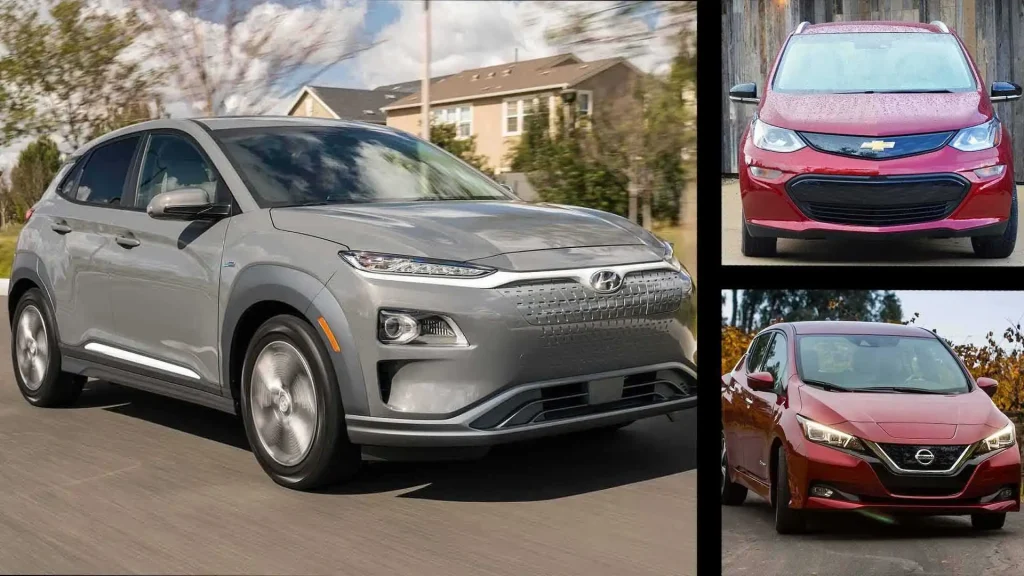
The affordable electric vehicle segment has become one of the most competitive areas of the automotive market. Gone are the days when buyers had only one or two practical EVs to choose from. Today, several manufacturers offer electric vehicles capable of traveling well over 200 miles on a single charge while providing modern technology, advanced safety features, and everyday practicality.
Three of the biggest names in this category are the Hyundai Kona Electric, Chevrolet Bolt EV, and Nissan Leaf. The Leaf helped pioneer the mass-market EV movement, the Bolt EV raised expectations with its impressive range at an affordable price, and the Kona Electric arrived as a stylish crossover that blended SUV versatility with exceptional efficiency.
Hyundai’s newest electric vehicle has all the ingredients needed to compete head-to-head with the segment’s most established rivals. But which model offers the best combination of performance, range, technology, comfort, and value? Here’s a detailed comparison.
Table of Contents
Powertrain and Performance
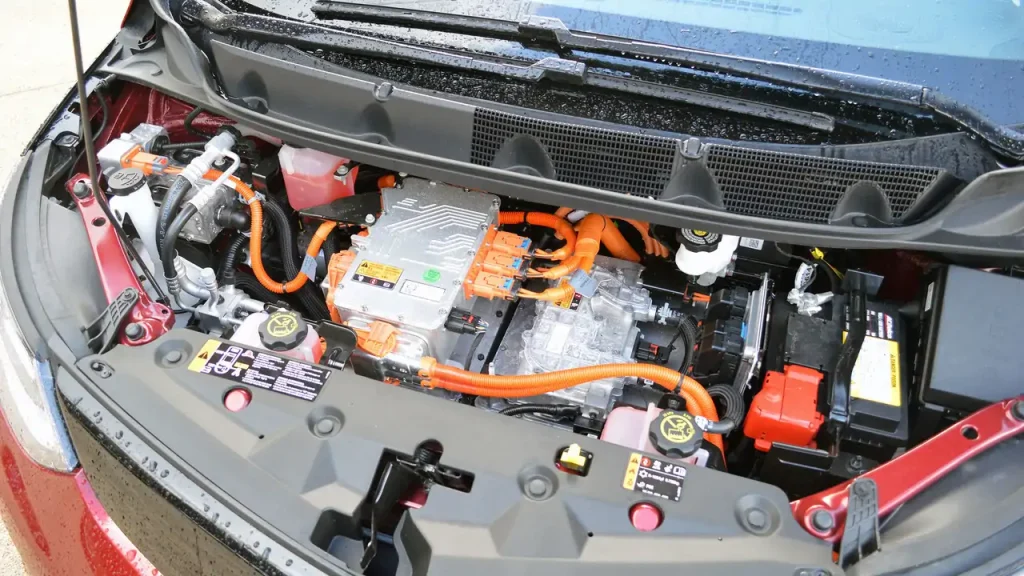
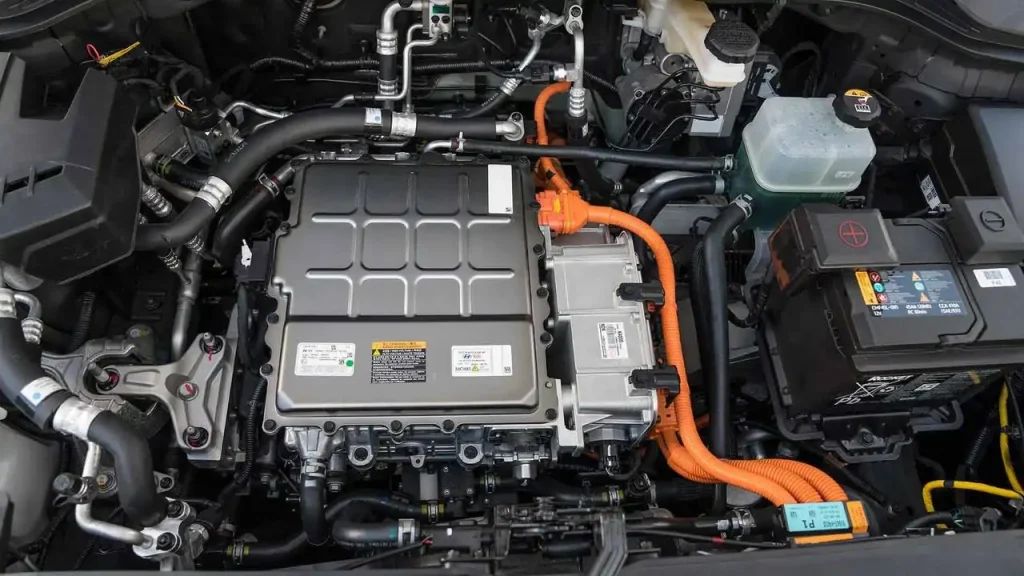
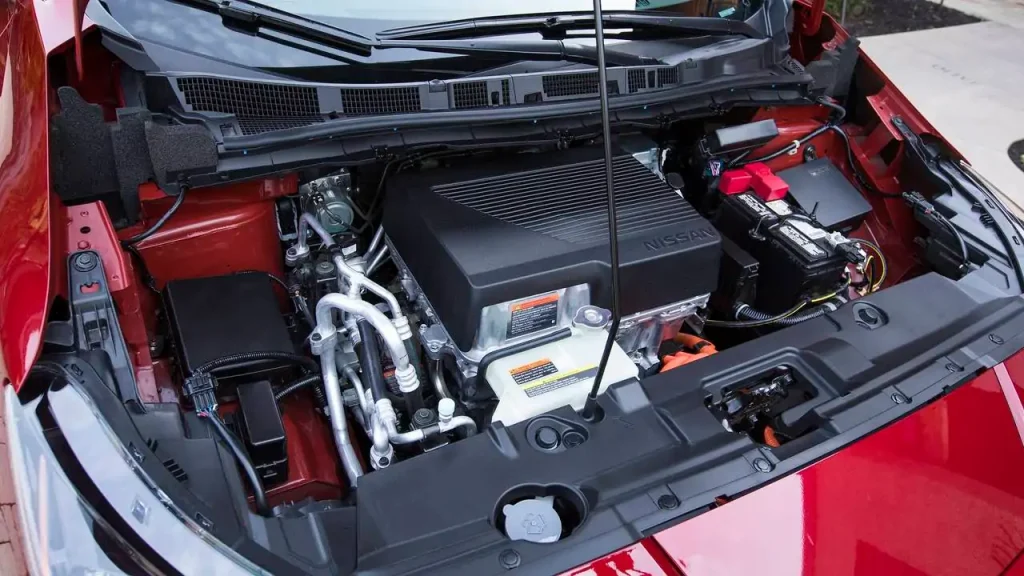
The Hyundai Kona Electric entered the affordable EV market with a strong powertrain package, putting it directly against established models such as the Chevrolet Bolt and Nissan Leaf. On paper, the Kona immediately stood out for combining a 64-kWh battery with an estimated 250 miles of range, while the Bolt offered 238 miles and the Leaf trailed with 151 miles.
| Specification | Hyundai Kona EV | Chevrolet Bolt | Nissan Leaf |
|---|---|---|---|
| Range | 250 miles (402 km) estimated | 238 miles (383 km) | 151 miles (243 km) |
| Battery | 64 kWh | 60 kWh | 40 kWh |
| Horsepower | 201 hp (150 kW) | 200 hp (149 kW) | 147 hp (110 kW) |
| Torque | 291 lb-ft (394 Nm) | 266 lb-ft (360 Nm) | 236 lb-ft (320 Nm) |
The Kona’s 64-kWh lithium-ion battery sends electricity to a 201-hp electric motor producing 291 lb-ft of torque through the front wheels. Hyundai’s estimated 250-mile range gave it a small advantage over the Bolt’s 238-mile rating, while the 40-kWh Leaf was considerably shorter-legged at the time.
The Leaf’s numbers were also beginning to look dated compared with the newer competition. At the time, reports suggested Nissan was preparing a longer-range Leaf for the 2019 model year, potentially using a battery of around 60 kWh and offering more than 225 miles of range. Such an upgrade would have put the Nissan much closer to the Kona and Bolt in terms of driving range.
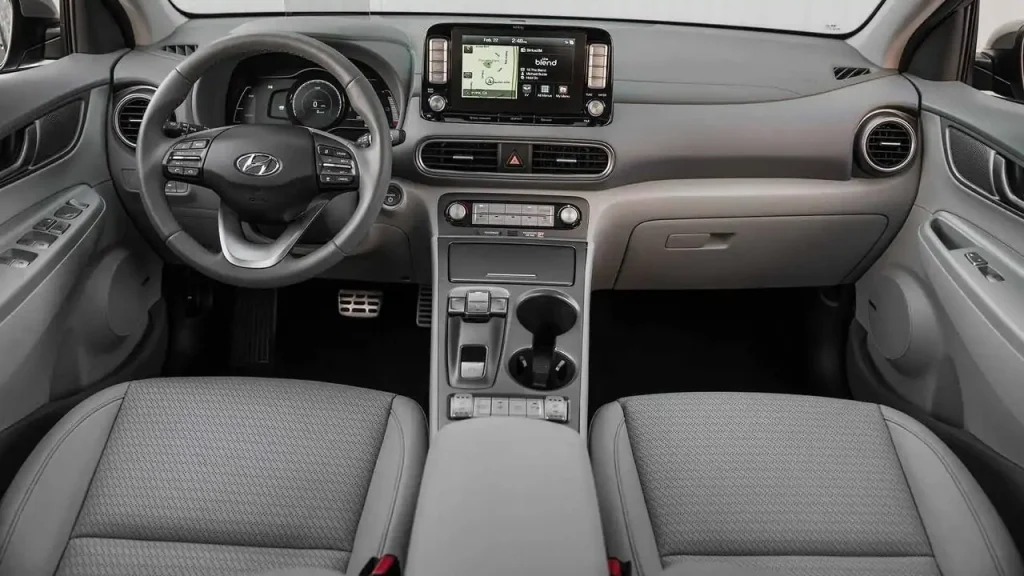
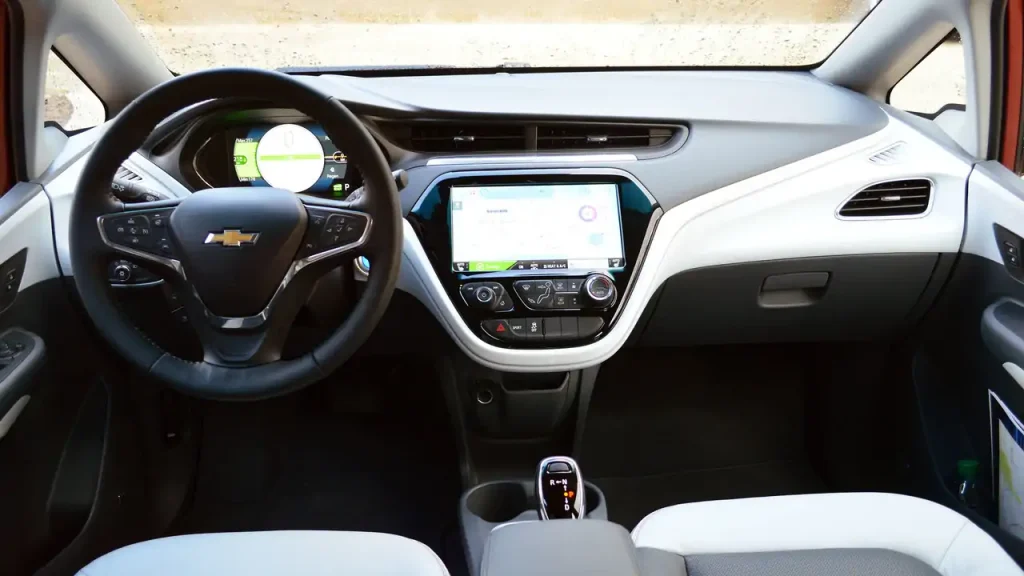
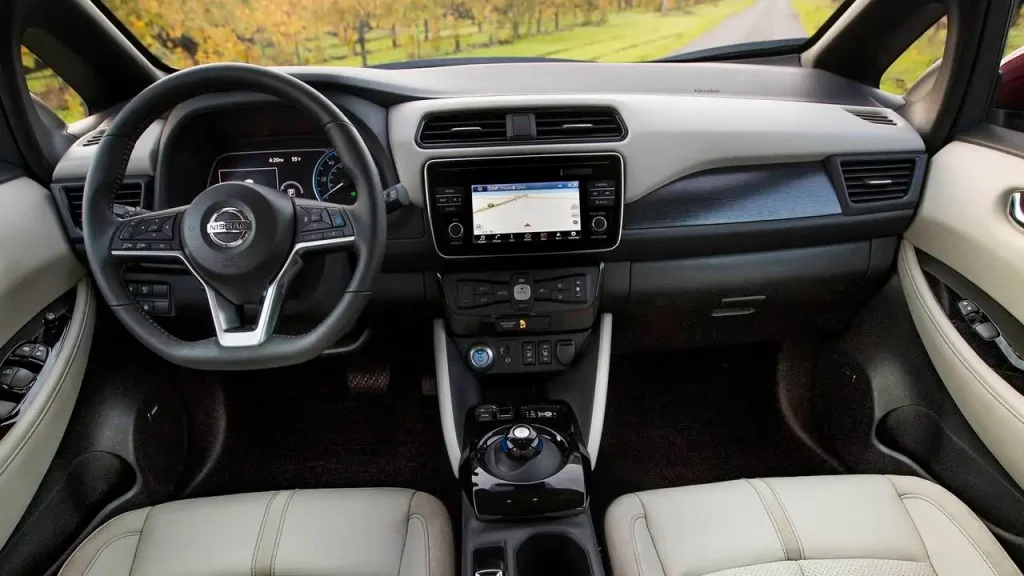
Electric vehicles were becoming increasingly mainstream, but their advanced technology remained a major part of their appeal. The Kona, Bolt, and Leaf each approached that idea differently, with a combination of infotainment, driver-assistance, and convenience features.
Kona: Hyundai gave the electric crossover an impressive technology list for its class. Available equipment included a seven-inch digital instrument display and head-up display, while the standard infotainment system used a seven-inch screen. An optional eight-inch navigation-equipped display was also available. Driver-assistance equipment included forward collision avoidance, lane-keeping assist, high-beam assist, driver-attention warning, and blind-spot monitoring.
Bolt: Chevrolet equipped the Bolt with a large 10.2-inch infotainment display. Buyers could also add several driver-assistance features, including a 360-degree camera, blind-zone monitoring, lane-change alert, rear parking assist, forward collision alert, front pedestrian braking, and automatic headlights. A rear camera mirror was available as well.
Leaf: Nissan’s Leaf brought the company’s ProPilot Assist system to the comparison. The technology could help keep the car centered within a single highway lane and could bring the vehicle to a complete stop when necessary. Other available systems included Intelligent Lane Intervention, Lane Departure Warning, Automatic Emergency Braking, Blind Spot Warning, and Rear Cross Traffic Alert. A seven-inch infotainment display handled the cabin’s primary touchscreen duties.
Availability and Pricing
The Kona Electric looked highly competitive on paper, but availability was initially its biggest limitation. Hyundai planned to launch the model in California during the fourth quarter of 2018 before expanding sales into additional states. Pricing had not yet been announced when the vehicle made its U.S. debut.
The Chevrolet Bolt and Nissan Leaf, meanwhile, were already available nationwide. The Bolt carried a starting price of $36,620 before its $875 destination charge and any applicable incentives, while the Leaf started at $29,990 plus an $885 destination charge.
That made the Kona an intriguing new entrant. It offered more estimated range than either rival while matching the Bolt’s power output and delivering substantially more torque than the Leaf. At launch, however, buyers had to wait for Hyundai to expand availability before they could easily get one outside the initial markets.