
America didn’t get the legendary twin-turbocharged wagon until 2021, leaving three incredible generations off our roads.
When the Audi RS6 Avant finally reached American dealerships for the 2021 model year, it felt like the automaker was finally ready to let US buyers enjoy one of its most coveted creations. Americans had seen the RS6 before, but only in sedan form, and only briefly for the 2003 model year. The arrival of the twin-turbocharged performance wagon wearing Audi’s four-ring badge was worth the wait, living up to the considerable hype surrounding it.
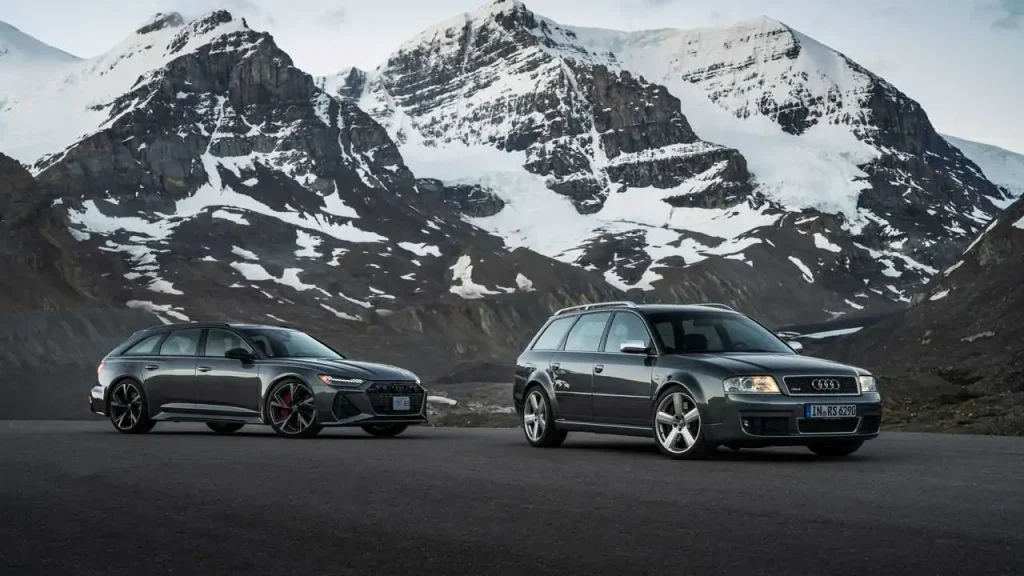
This year marks 20 years since the RS6 first appeared in select global markets in 2002. To celebrate, Audi gathered every generation of the RS6 Avant, along with a second-generation sedan, in the picturesque Canadian city of Banff, Alberta. After spending several days behind the wheel of the latest RS6 Avant and its predecessors, it’s difficult not to wonder why American enthusiasts had to wait so long to get their hands on Audi’s exceptional high-performance grand-touring wagons.
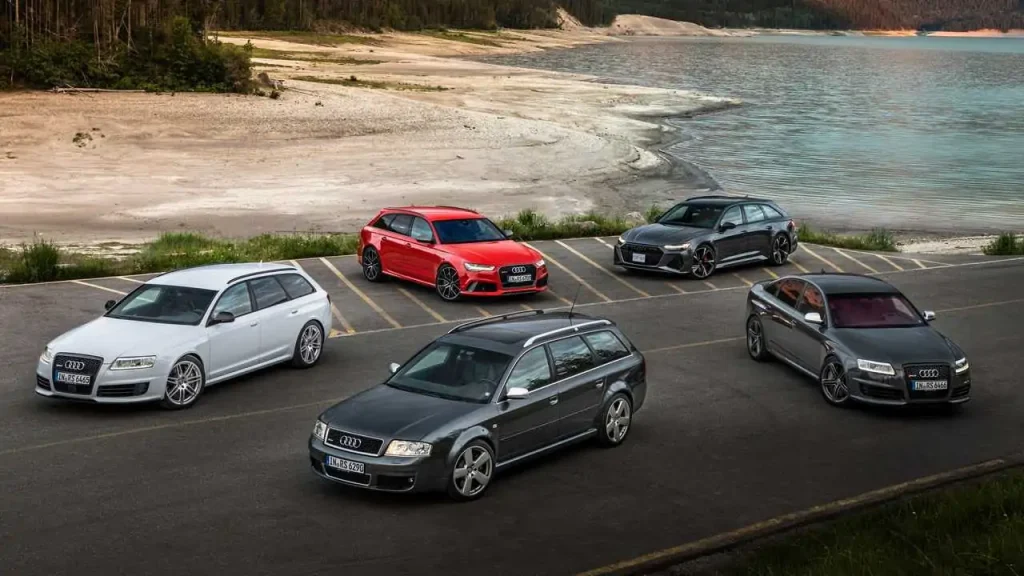
There was one small catch to driving Audi’s historic RS6 collection: these cars weren’t exactly being handed over for unrestricted runs. Every vehicle came from Audi’s Tradition collection, a carefully preserved fleet of historically important models, so keeping them safe was the priority. A lead car also kept the convoy firmly in check, never straying beyond Banff’s 70-mph speed limit.A little strategic spacing and a more relaxed co-driver occasionally created an opening to push each RS6 a bit harder, but those moments were few and far between. That hardly spoiled the experience, though. With the Canadian Rockies providing the backdrop and glaciers waiting ahead, there were worse places to take a collection of legendary performance wagons for a drive.
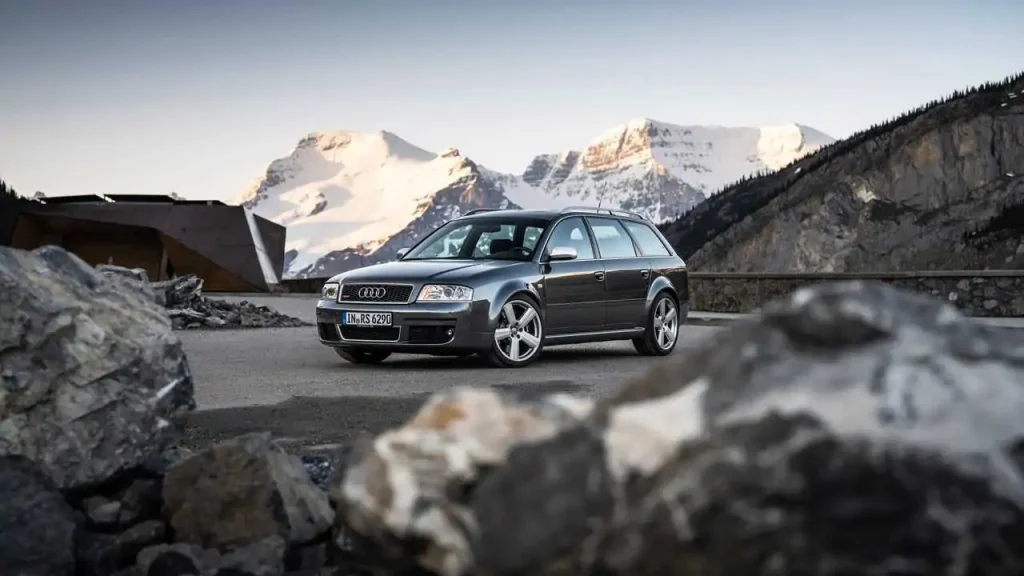
Table of Contents
2002-2004 Audi RS6 Avant (C5) – Old-School Audi Muscle
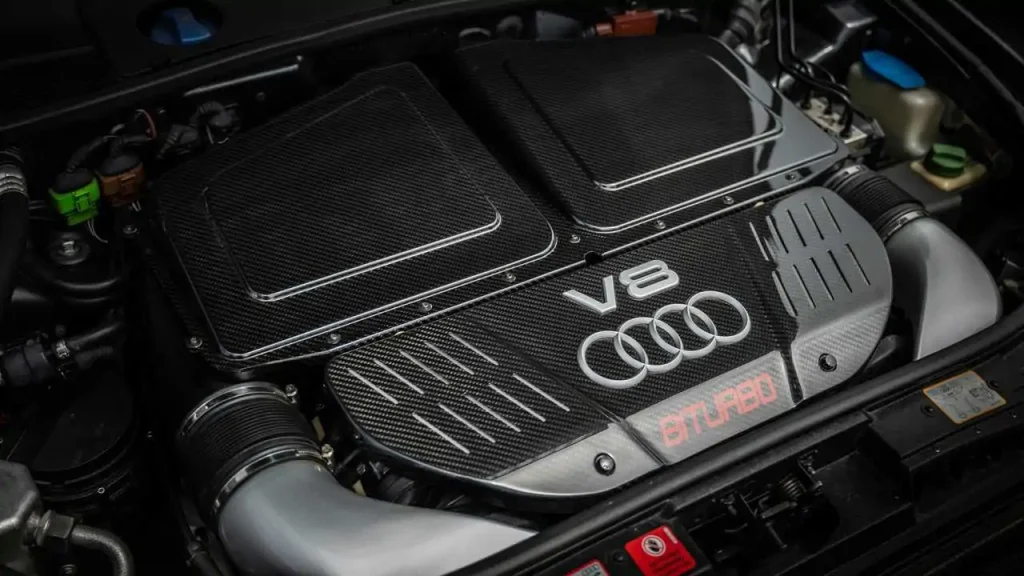
Engine: Twin-Turbocharged 4.2-Liter V8
Output: 450 Horsepower / 413 Pound-Feet
Transmission: Five-Speed Automatic
0-62 MPH: 4.7 Seconds
The original Audi RS6 was built on the C5-generation A6, a model widely remembered for its daring, forward-thinking design. To accommodate the twin-turbocharged 4.2-liter V8, Audi stretched the front end and widened the track, requiring a redesigned front bumper and pronounced wheel-arch extensions. These additions gave the performance wagon a more muscular stance while preserving the A6’s Bauhaus-inspired styling. Power went through a five-speed automatic transmission featuring the then-cutting-edge Tiptronic manual mode, while Quattro all-wheel drive helped put that output to the road. The result was a 0–62 mph time of just 4.7 seconds, an impressive figure for a car of its size and era.
As was typical of Audi at the time, the engine sat almost entirely ahead of the front axle, making understeer a familiar characteristic when pushing hard through corners. The RS6’s Dynamic Ride Control (DRC) suspension helped keep body movements in check without relying on electronics. Steel springs at all four corners worked alongside shock absorbers linked diagonally by a network of hydraulic lines, valves, and reservoirs. As the car entered a corner and the inside suspension unloaded, hydraulic pressure helped stiffen the dampers on the outside to reduce body roll. The same system also worked to limit pitching under acceleration and nose dive under braking.
When my turn behind the wheel arrived, an Audi representative handed me the iconic switchblade key and invited me to settle into the supportive front seat. The C5 RS6 feels decidedly more old-school than the generations that followed. There’s a rotary sunroof control, a green-tinted LCD screen in the instrument cluster, slender pillars that provide excellent outward visibility, and that unmistakable scent of aging interior plastics. This particular example is in nearly pristine condition, making it feel like a portal to another era. For a moment, I’m transported back to my childhood bedroom, poring over Car and Driver’s comparison of the RS6 against the BMW M5, Mercedes-Benz E55, and Jaguar S-Type R.
Out on the road, the experience is just as nostalgic. The leisurely five-speed automatic is a reminder of the days when conventional automatics were affectionately derided as “slushboxes,” although the Tiptronic manual mode gives the driver a little more say in the proceedings. The engine’s substantial weight is noticeable through slower corners, but the abundant power helps make up for it, with strong acceleration available across much of the rev range. The heavy steering is another pleasant surprise, delivering a reassuring sense of connection to the road. Combine that with a composed, comfortable ride, and the C5 RS6 makes a compelling case as a grand tourer for crossing the Alps. Its spacious, nostalgia-filled cabin only adds to the appeal.
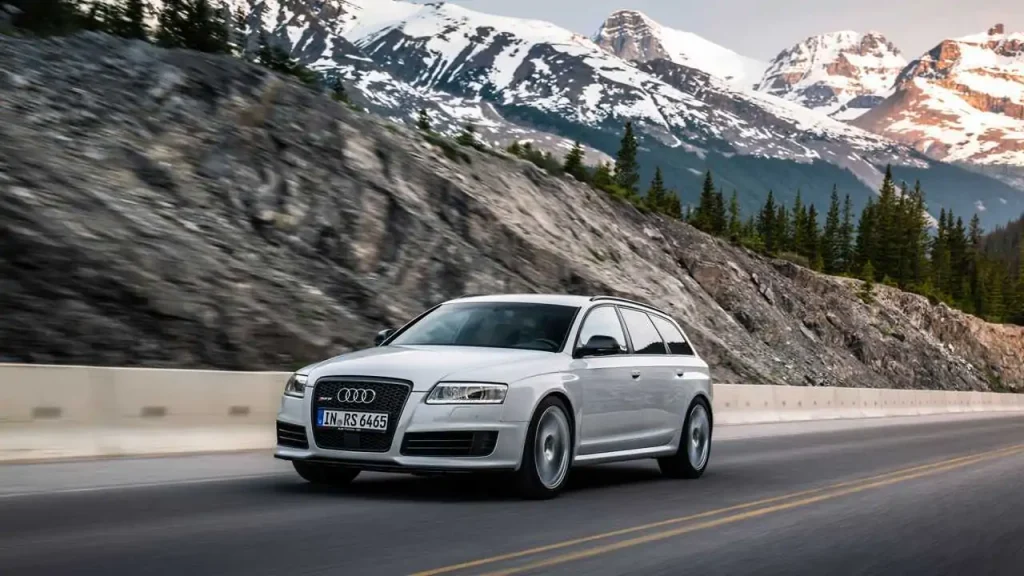
2008-2011 Audi RS6 Avant (C6) – The V10 Super Wagon
Engine: Twin-Turbocharged 5.0-Liter V10
Output: 580 Horsepower / 480 Pound-Feet
Transmission: Six-Speed Automatic
0-62 MPH: 4.6 Seconds
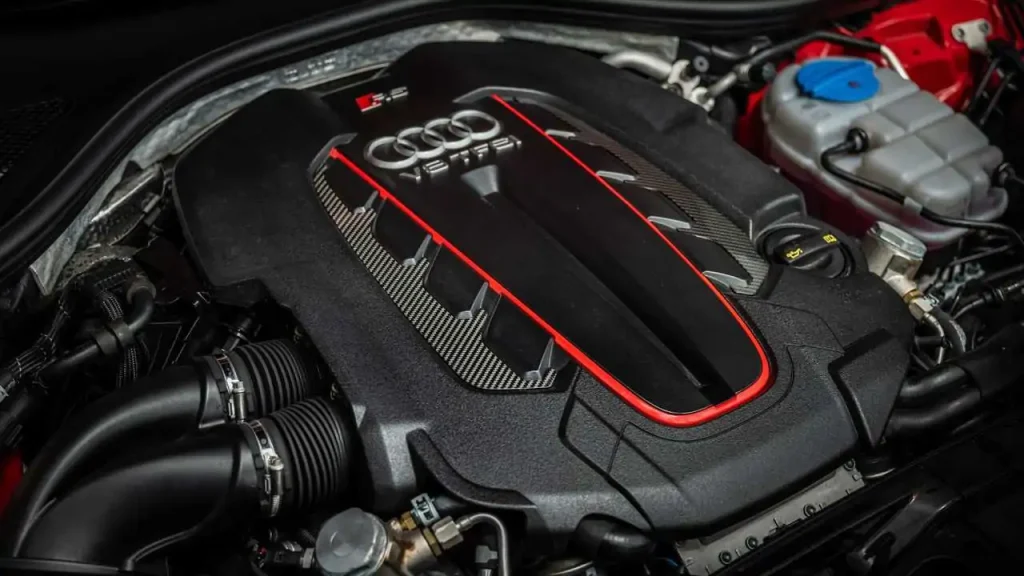
Six years after the original RS6 debuted, Audi introduced the second-generation model with a dramatic change beneath the hood. The C6 Avant retained its twin-turbocharged setup but traded the previous V8 for a 5.0-liter V10 related to the naturally aspirated ten-cylinder engine in the Lamborghini Gallardo. It became the most powerful Audi of its day, capable of reaching 62 mph in just 4.6 seconds. Audi also revised the Quattro all-wheel-drive system, replacing the previous 50:50 front-to-rear torque distribution with a more rear-biased 40:60 split. Under the right conditions, the system could send all available torque to the rear wheels. A dry-sump lubrication system helped maintain consistent oil supply during spirited driving.
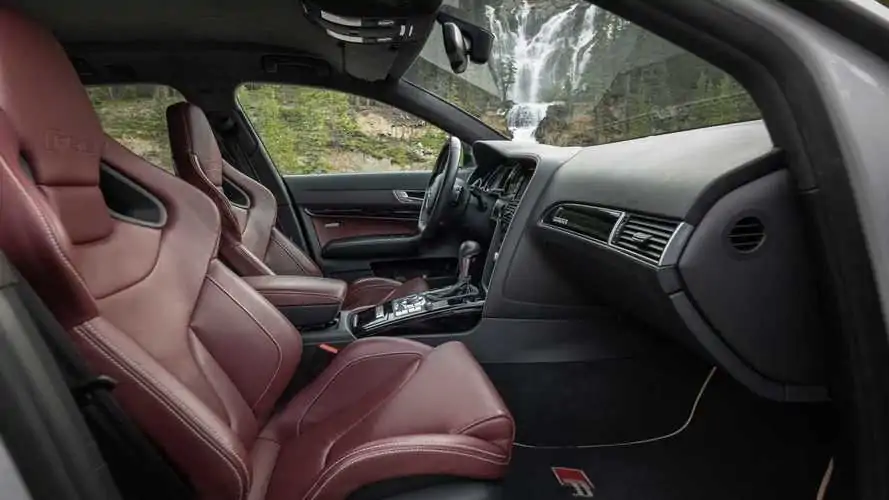
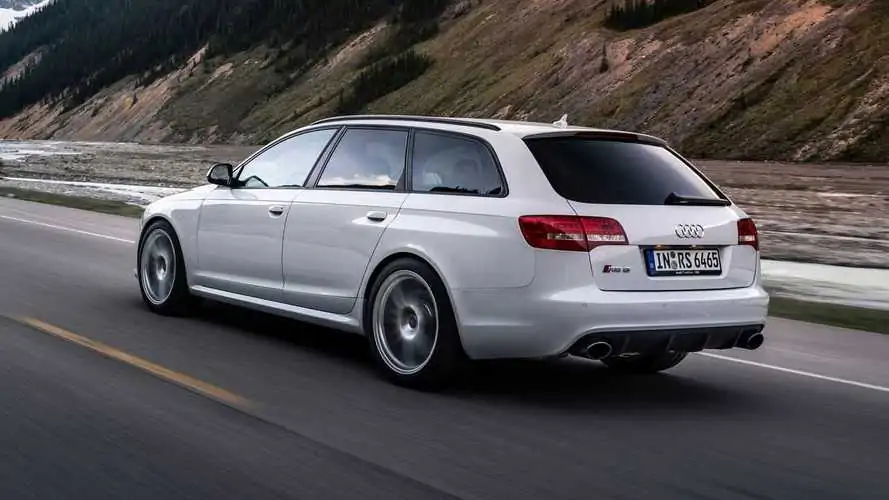
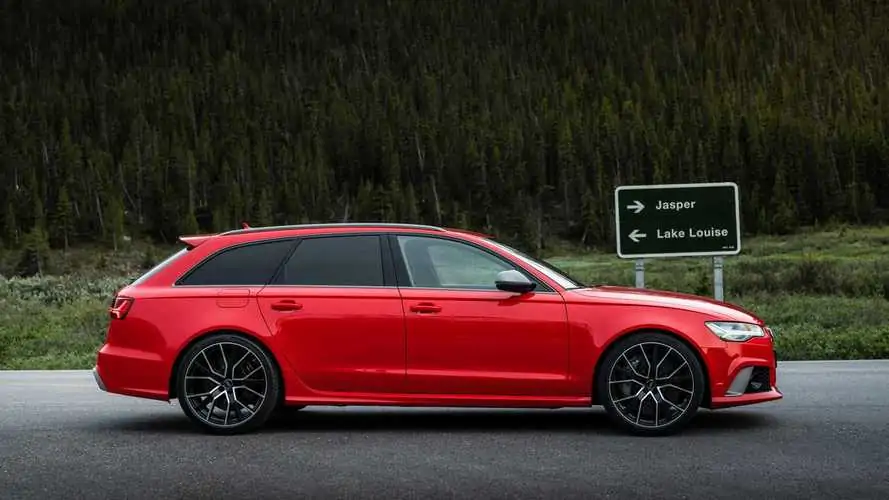
The V10 wasn’t the only feature that set the C6 apart. Audi also adopted a more aggressive design, trading the C5’s understated wheel-arch extensions for chunky, squared-off fender flares. Inspired by the rally-bred 1981 Audi Quattro, these pronounced arches interrupted the Avant’s flowing lines but gave it a distinctly muscular look. This particular example wears the Plus package, which upgrades the cabin with a leather-trimmed dashboard, beautiful high-backed front bucket seats, and a numbered plaque identifying it as one of 500 examples. The package also brings meaningful performance upgrades, including ceramic brakes and a higher top-speed limiter.
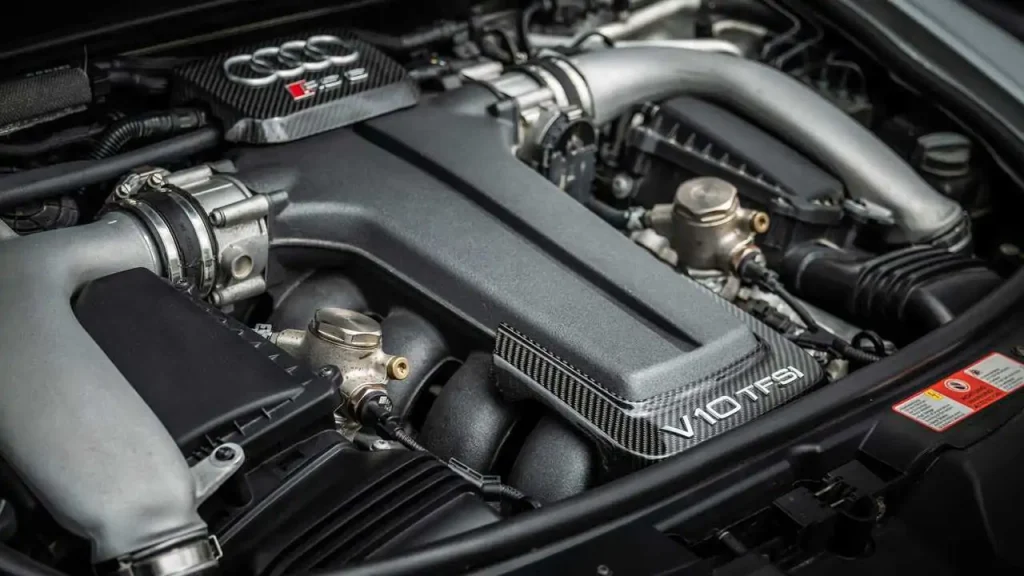
Despite its many advances, the C6-generation RS6 still carried all 613 pounds of its engine ahead of the front axle. As with the C5, hustling it through a corner could feel like swinging a sledgehammer. Get the car moving in one direction, and changing course takes some planning. Stephan Reil, who oversaw the development of Audi’s RS models from 1998 to 2020, openly acknowledged that the car was superb in a straight line but could use some improvement in the handling department. Even so, the C6 feels considerably more contemporary than its predecessor, thanks to a stylish cabin and optional adaptive dampers with three selectable settings.
Then there’s the soundtrack, which is in a league of its own. While other RS6 generations deliver a relatively subdued rumble from their turbocharged V8s, the C6’s V10 unleashes a wonderfully unruly snarl that’s impossible to hear without grinning. Its rough-edged engine note is balanced by an exhaust wail more reminiscent of a 1990s Formula 1 car than a refined performance wagon. The engine’s broad torque curve stretches from 1,500 to 6,250 rpm, ensuring strong pull across the rev range. Every passing lane, corner exit, and highway on-ramp becomes an excuse to open the throttle and let the cargo area amplify the glorious soundtrack pouring from those oval exhaust outlets.
2013-2018 Audi RS6 Avant (C7) – The RS6 Finds Its Balance
Engine: Twin-Turbocharged 4.0-Liter V8
Output: 605 Horsepower / 553 Pound-Feet
Transmission: Eight-Speed Automatic
0-62 MPH: 3.7 Seconds
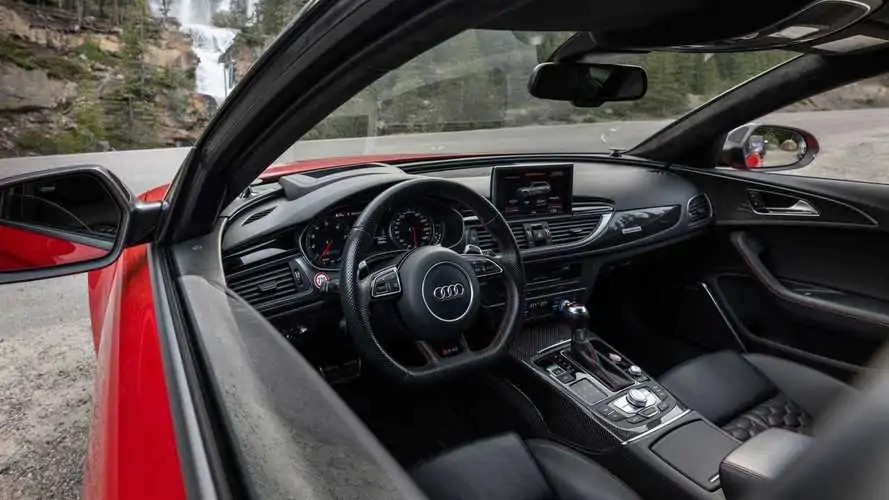
The nose-heavy character of earlier RS6 models began to fade with the arrival of the C7-generation RS6. For this third generation, Audi switched to Volkswagen Group’s MLB platform, allowing engineers to move the engine 5.9 inches farther back in the chassis. The new 4.0-liter V8 also weighed less than the outgoing 5.0-liter V10, helping improve the car’s balance. Output dipped slightly to 570 horsepower, but 516 lb-ft of torque and a new eight-speed automatic transmission more than made up the difference. Standard air suspension brought benefits for both ride comfort and handling, while an unexpected first for the RS6 was the availability of an optional trailer hitch.
Styling took a more restrained turn, too, with the C7 bringing back the original RS6’s understated, arch-shaped fender extensions. Still, a track widened by 2.4 inches compared with the regular A6 gave the high-performance wagon a suitably muscular stance. The RS6 Performance I drove turned up the aggression another notch. Its revised 4.0-liter V8 produced 605 hp and 553 lb-ft of torque, while a prominent “quattro” logo on the single-frame grille and matte titanium exterior accents set it apart visually. With all that power on tap, the sprint to 62 mph took just 3.7 seconds.
The C7’s extra power and improved weight distribution are obvious from the moment you climb out of the C6 and into its successor. Where the first two RS6 generations feel somewhat cumbersome and old-fashioned, the third-generation wagon is noticeably more agile, responding quickly to inputs and keeping its body movements firmly in check. Turbo lag is less pronounced, too, so the C7’s sharper handling comes backed by plenty of muscle. The trade-off is that it lacks some of the character that made its predecessors so memorable. With fewer quirks to contend with, the driving experience is more polished, but I found myself strangely missing the old car’s tendency to push wide in corners. Apparently, even a little drama has its appeal.
Fortunately, the C7 RS6 Avant excels at comfort and refinement. Its cabin is a masterclass in Audi minimalism, with an infotainment display that retracts into the dashboard and tweeters near the dash corners that disappear when they’re not needed. The physical climate controls are intuitive and easy to use, serving as a reminder that not every function needs to be buried in a touchscreen. The standard air suspension also delivers a striking transformation between its softest and firmest settings. In comfort mode, the RS6 is a relaxed companion for the daily commute; switch to its sportiest setting, and it becomes a far more focused machine, ready to chase Porsches along the scenic route home.
2022 Audi RS6 Avant (C8) – The Super Wagon America Finally Got
Engine: Twin-Turbocharged 4.0-Liter V8
Output: 600 Horsepower / 590 Pound-Feet
Transmission: Eight-Speed Automatic
0-62 MPH: 3.6 Seconds
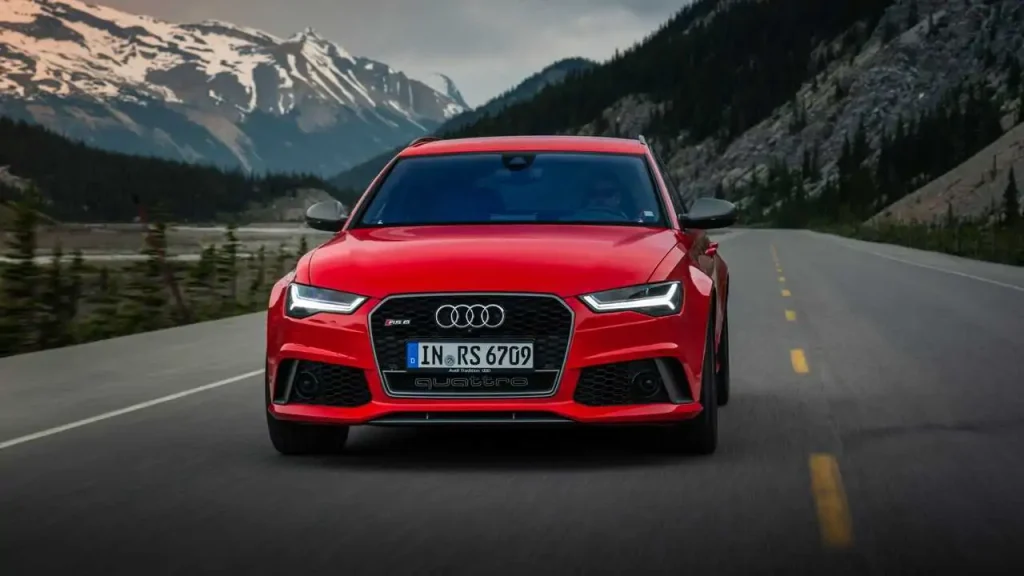
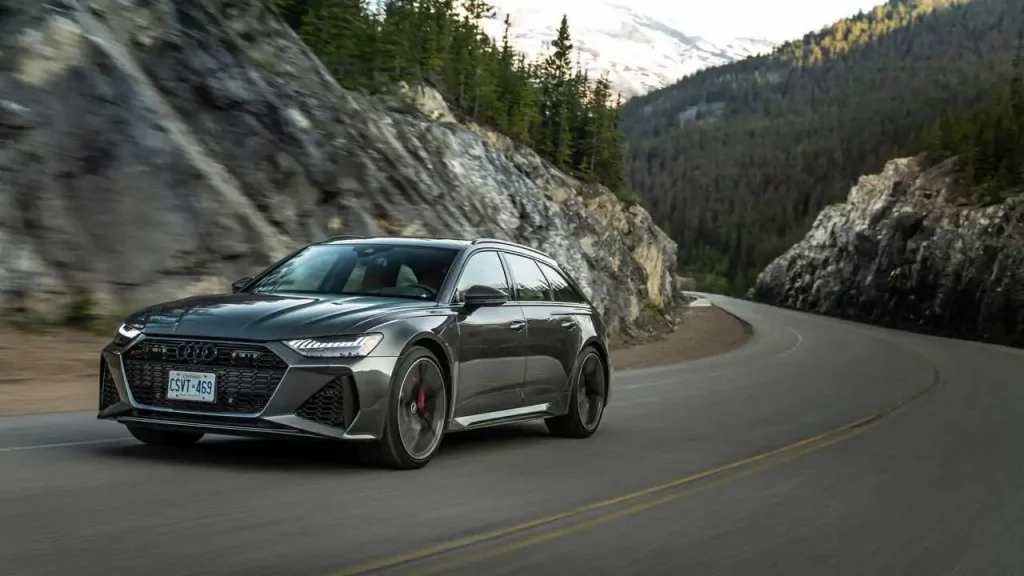
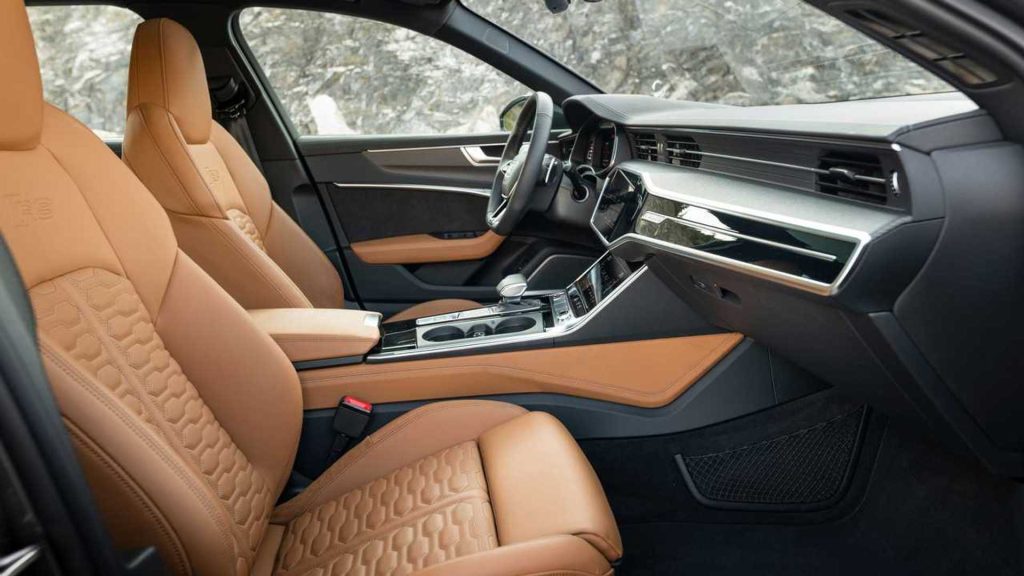
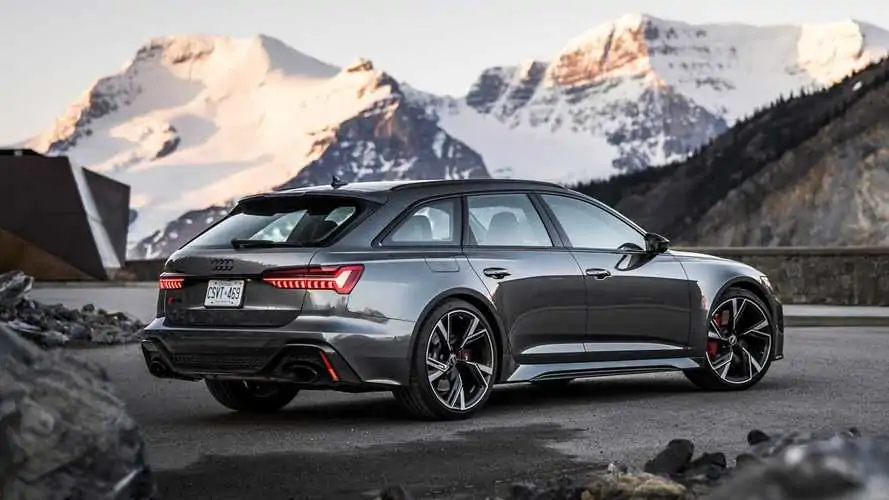
The current Audi RS6 Avant may share much of its DNA with its predecessor, including the MLB platform and twin-turbocharged 4.0-liter V8, but it makes a far bolder statement than any RS6 before it. Compared with the standard A6, the latest wagon gains 3.2 inches in width and features bespoke bodywork everywhere except the roof, front doors, and rear hatch. Its sculpted fenders combine the C5’s elegant wheel-arch extensions with the C6’s more pronounced flares, while aggressive front and rear bumpers with distinctive accent blades leave little doubt about its performance credentials. This is no ordinary A6, nor could anyone mistake it for an Allroad.
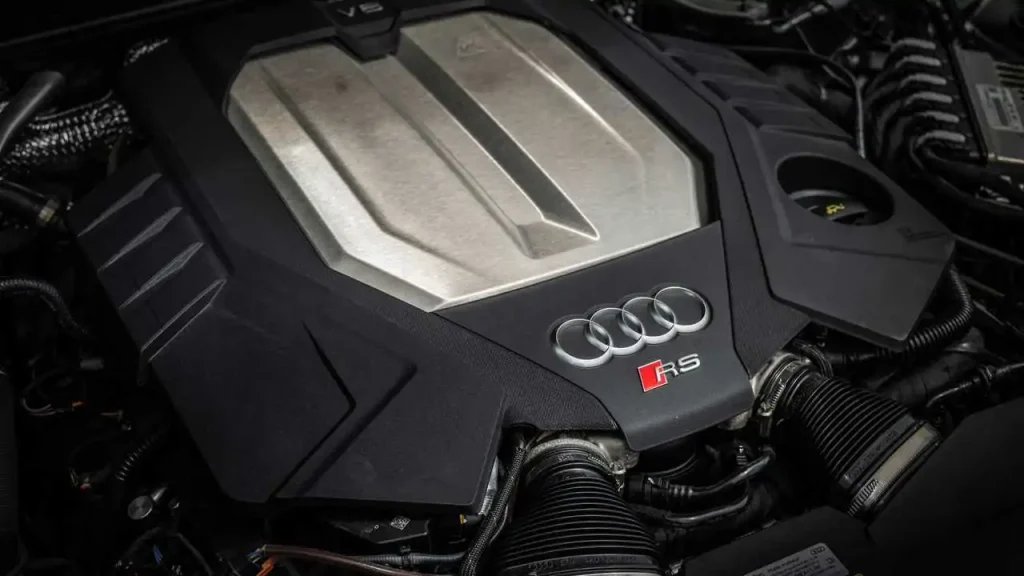
The latest RS6 also benefits from contemporary technology, including a 48-volt mild-hybrid system and rear-axle steering, while a stiffer version of the platform helps sharpen its dynamics. With 600 horsepower and 590 lb-ft of torque, this super wagon rockets from 0 to 62 mph in just 3.6 seconds, earning its place as the quickest Audi wagon ever built at the time.
Inside, the cabin is every bit as modern and upscale as the exterior, with high-quality materials and an array of digital displays. The only real complaint is the secondary touchscreen, which replaces physical controls for functions that would arguably be easier to operate with traditional buttons and switches.
Put all those ingredients together, and the result is a truly memorable drive. Compared with the C7, the C8 RS6 feels more engaging, with quicker responses and greater agility at lower speeds, yet it remains planted and composed when covering ground at highway pace. Even riding on the optional 22-inch wheels, the Avant delivers an impressively quiet, comfortable ride. That refinement makes it easy to appreciate the beautifully finished, high-tech cabin, although I’d happily trade the secondary touchscreen for a set of conventional buttons and knobs.
But this isn’t the time to nitpick the controls. As the first RS6 Avant sold in the United States, the C8 holds a special place in my heart. It was the first RS model I ever drove back in 2020, and my enthusiasm for Audi’s flagship A6 has only grown since. Its ability to launch with ferocious speed while tackling winding roads with the agility of a much smaller car makes this high-performance wagon all the more compelling.
Eeny, Meeny, Miny, Moe…
Once the drive wrapped up, the group launched into a lively debate over which RS6 deserved the crown. Every generation had its fans. Some were drawn to the original Avant’s old-school appeal, while others couldn’t get enough of the C6’s spine-tingling V10 soundtrack. The C7 earned plenty of praise for its improved handling, too. And then there were those who favored the latest RS6, which manages to be more engaging and more comfortable than its predecessors, all while finally giving American buyers a chance to own one.
There’s a strong case to be made for every one of them, and I wouldn’t hesitate to take the keys to any generation if Audi offered. But if a genie emerged from a lamp emblazoned with the Auto Union logo and granted me my choice, I’d have a tough time passing up the V10-powered C6. Its immediate, seemingly endless surge of torque was downright addictive. And whenever we stopped for a break or swapped drivers, I found myself wandering back to admire its rear three-quarter profile. The elegant sweep of the wagon’s roof contrasted beautifully with those unapologetically squared-off fender flares, giving the C6 a look all its own.
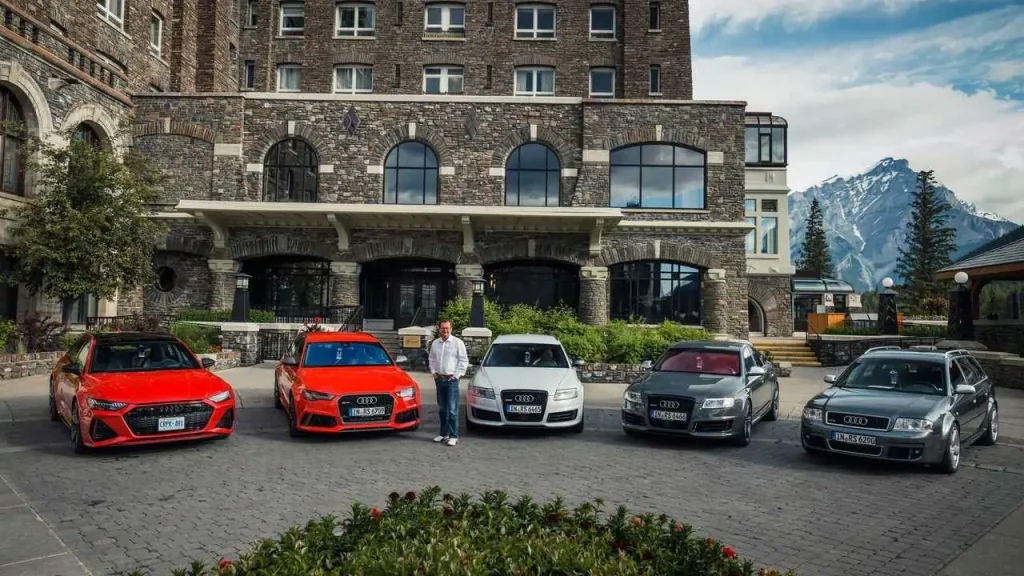
The best part of driving all these remarkable wagons back to back was discovering the qualities they share across generations. Each RS6 has its own strengths, appealing to different kinds of enthusiasts, but the latest model still carries the spirit of its earliest ancestor. It delivers outstanding grand touring comfort, plenty of room for the family in the back, and a generous cargo area. Above all, there’s something uniquely rewarding about driving a performance wagon. It feels like being part of a club that not everyone knows exists, and no other body style makes an ordinary roofline feel quite so extraordinary.
2022 Audi RS6 Avant
| Specification | 2022 Audi RS6 Avant |
|---|---|
| Engine | Twin-Turbocharged 4.0-Liter V8 |
| Output | 591 Horsepower / 590 Pound-Feet |
| Transmission | Eight-Speed Automatic |
| Drive Type | All-Wheel Drive |
| Weight | 4,982 Pounds |
| Speed 0-60 MPH | 3.6 Seconds |
| Maximum Speed | 155 Miles Per Hour / 190 With Optional Equipment |
| Efficiency | 15 City / 22 Highway / 17 Combined |
| Seating Capacity | 5 |
| Cargo Volume | 30.0 Cubic Feet |
| Base Price | $116,500 + $1,095 Destination |
| Trim Base Price | $117,595 |
| As-Tested Price | $140,040 (est.) |