
A lemon-law vehicle can offer major savings, but the bargain may come with serious risks.
“What’s wrong with your car? Does it have cooties?”
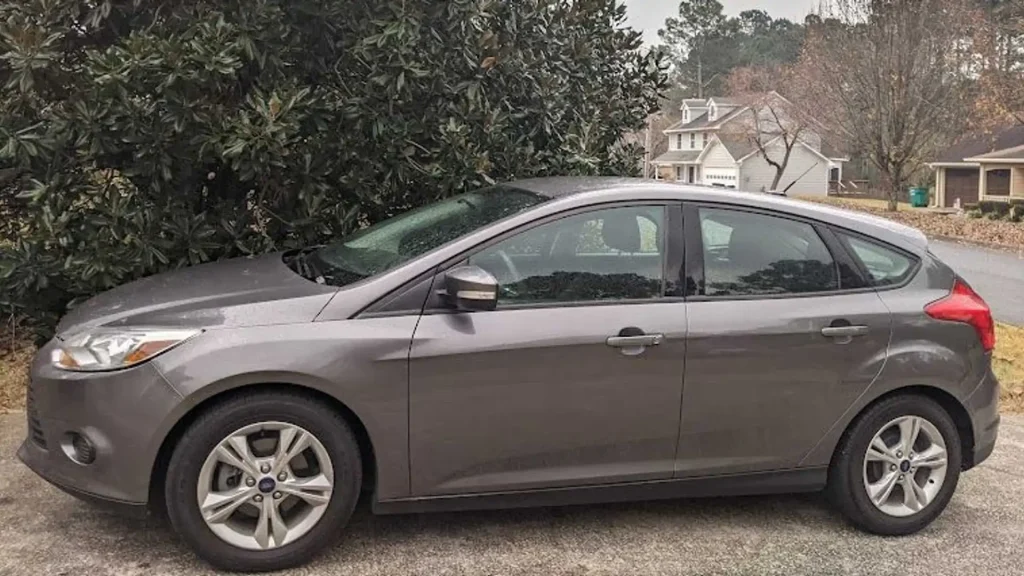
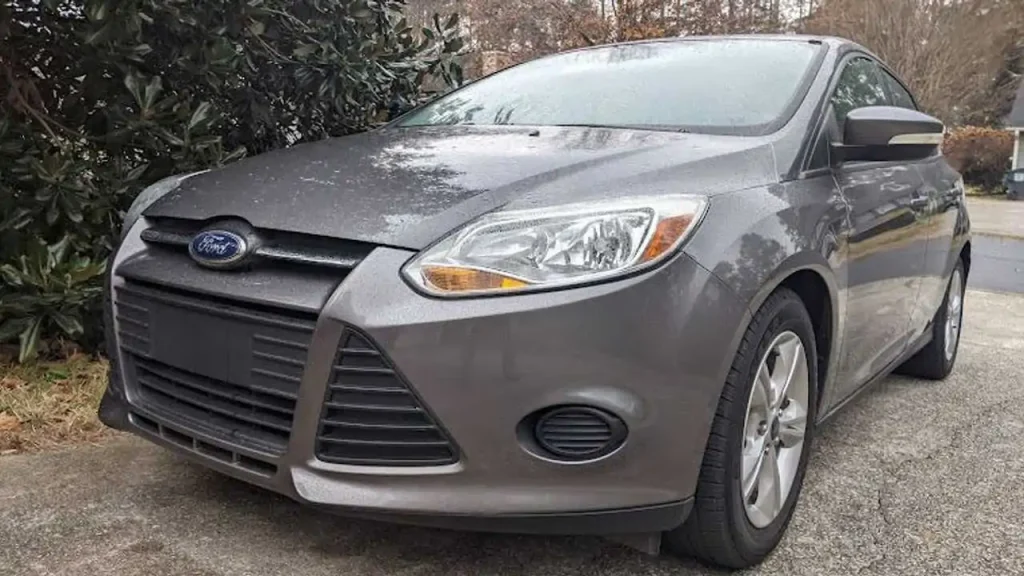
I was joking about a 2013 Ford Focus SE hatchback that an old friend was looking to trade in. The car had a few dents and scrapes and had belonged to an older couple who could no longer drive. Their son, a die-hard Mustang fan, wanted to pay off their remaining loan and move on from the car.
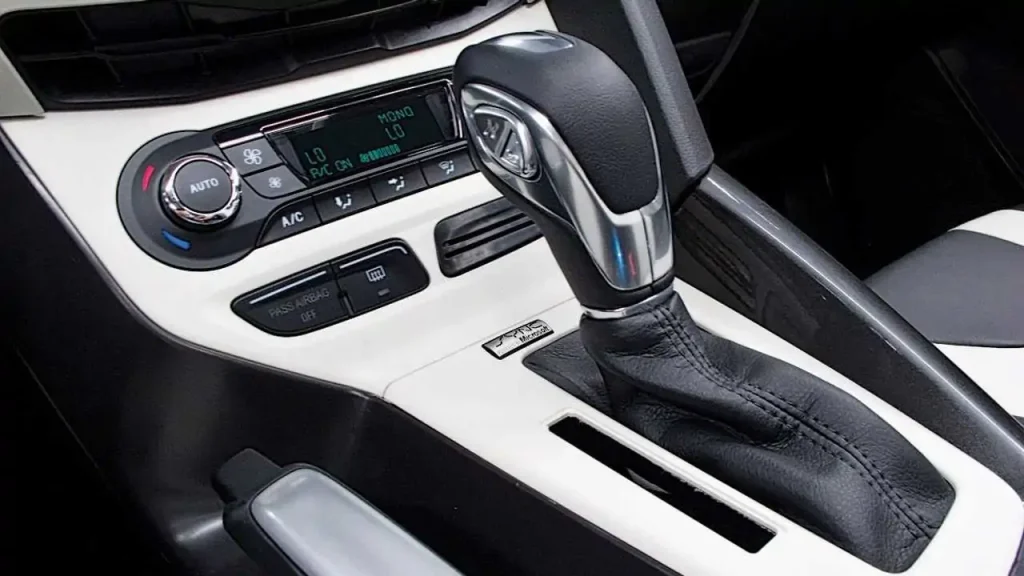
There was a catch, though: This Focus had been designated a lemon-law vehicle. It was one of thousands affected by the model’s troublesome dual-clutch transmission, which led to millions of dollars in repairs and buybacks—and left thousands of owners frustrated and unhappy.
What Is a Lemon Law Vehicle?
A lemon-law vehicle is a car with a defect that a dealership has been unable to repair after multiple attempts, typically while the vehicle is still covered by its warranty. Depending on the applicable state law, the owner may be eligible to file a claim with the manufacturer, which could result in the car being bought back. The manufacturer then repairs the vehicle and may resell it with a limited warranty covering certain replaced parts. Buying a lemon-law vehicle isn’t necessarily a bad idea, but it does require some extra caution.
Should You Buy a Lemon Law Vehicle?
Any used car you’re considering should be inspected by a qualified mechanic, but a lemon-law vehicle deserves particular scrutiny. You’ll want to verify that the original problem was properly addressed and that the repair is still holding up. A lemon-law title doesn’t automatically mean the car is destined for trouble. However, it’s worth taking a closer look at the components that prompted the manufacturer buyback and making sure there are no lingering issues.
Where Can You Buy a Lemon-Law Vehicle?
Lemon-law vehicles can turn up almost anywhere, including franchised dealerships, independent used-car lots, private sales, public auto auctions, and government fleet sales. They’re common enough that, as a car dealer, I always request a Carfax vehicle history report to check for a potential lemon-law buyback or branded title. Getting a vehicle history report before purchasing is a smart way to uncover issues that might otherwise go unnoticed. A lemon-law brand can also significantly reduce a car’s resale value.
What Should You Watch Out for When Buying a Lemon-Law Vehicle?
Before buying a lemon-law vehicle, there are three key factors to consider. Understanding the original problem, how it was repaired, and what protection remains can help you decide whether the potential savings are worth the risk.
- Is there a proven fix for the original problem? Some vehicles have known issues that manufacturers eventually resolve with improved parts or revised repairs. For example, certain BMW 7 Series models from the F01/F02 generation experienced fuel injector problems that could be addressed with updated components. A lemon-law vehicle that received the proper fix may be more reliable than its title history suggests. However, some manufacturers rely primarily on extended warranties rather than a definitive repair.
- Does the vehicle have a warranty that covers the problem? If there’s no established fix, warranty coverage becomes especially important. A Hyundai bought back because of an engine problem, for instance, might still qualify for coverage under the manufacturer’s 10-year/100,000-mile powertrain warranty, depending on the vehicle, ownership status, and applicable terms. Some manufacturers also provide extended coverage on buyback vehicles, offering additional peace of mind.
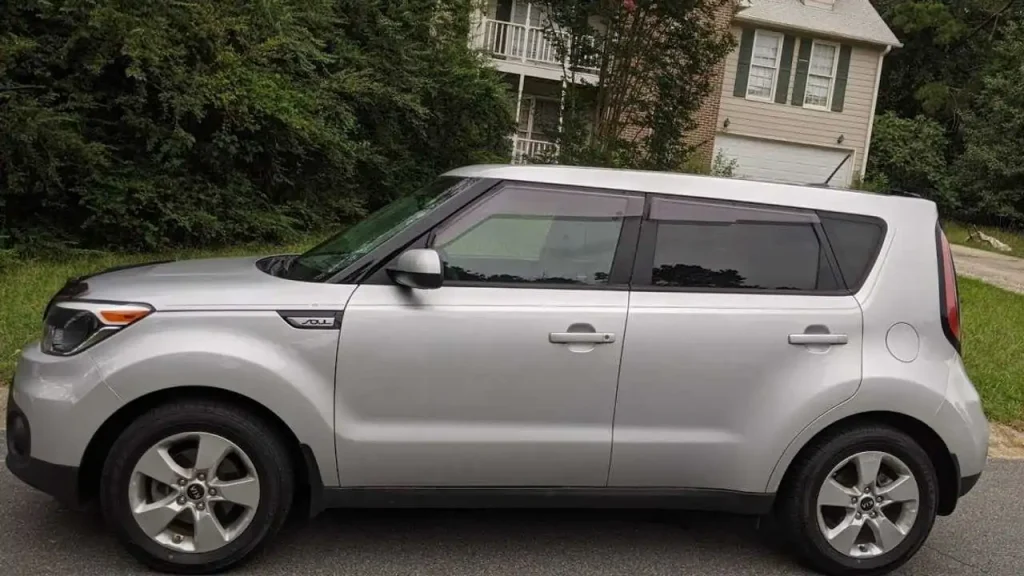
- Can you verify that the problem was fixed? If there’s no extended warranty, look for evidence that the original issue was isolated, properly repaired, and unlikely to return. Service records and vehicle history reports can help establish whether the repair was successful.I experienced this firsthand when I bought a 2017 Kia Soul in late 2020 with just 34,000 miles on the odometer. The car had been bought back under lemon-law provisions at around 5,000 miles because of a braking issue. The manufacturer replaced the braking components and sensors, and the Carfax report showed no recurrence of the problem. At $8,500 out the door, I felt the documented repair history and lack of subsequent issues made the risk worthwhile.
Keep in mind that buying a genuine lemon can leave you facing expensive repairs if the manufacturer doesn’t stand behind the work or guarantee the replacement parts. Before committing to a purchase, review the vehicle’s history carefully and have an experienced mechanic inspect it. Those are two of the most effective ways to minimize the risks of buying a lemon-law vehicle.