
The Italian supercar icon is well positioned for a successful decade ahead—and here’s what’s driving that momentum.
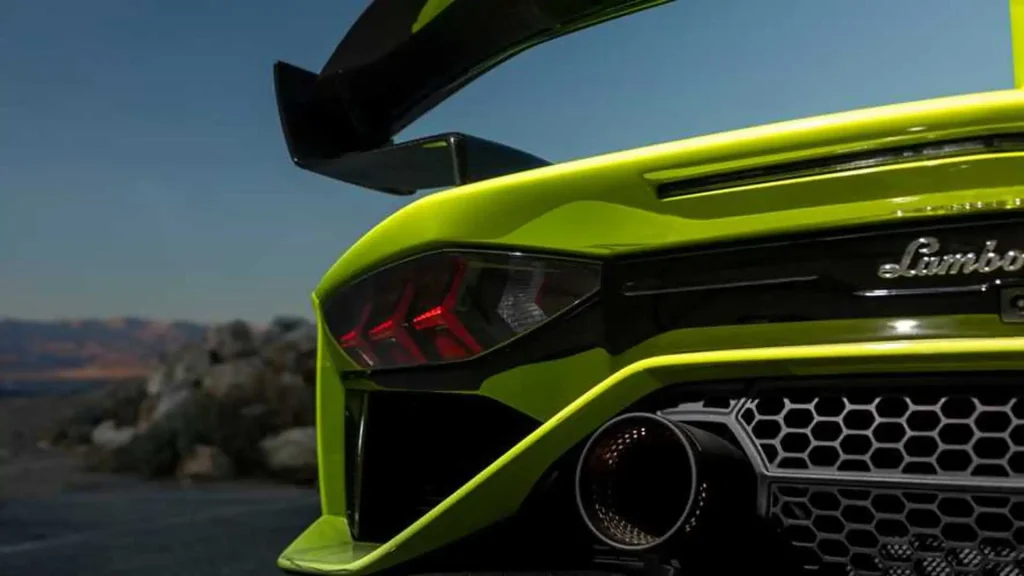
By almost any measure that matters to a premium exotic automaker, Lamborghini was enjoying a remarkable run. The company’s 2019 sales performance was its strongest in 56 years, with global deliveries jumping 96 percent during the first half of the year compared with the same period in 2018. Much of that growth came from the tremendous demand for Lamborghini’s new Urus SUV.
Lamborghini’s success extended well beyond showroom sales. The Sant’Agata-based automaker was also holding the production-car lap record at Germany’s legendary Nürburgring, courtesy of factory driver Marco Mapelli and his 6:44.97 run in an Aventador SVJ in July 2018. Meanwhile, Lamborghini’s motorsport program added more hardware to the trophy cabinet during the 2019 season, including the IMSA GTD Constructors’ title and the International GT Open championship.
For all of its recent momentum, Lamborghini has experienced its share of difficult periods over the years. The exotic-car business is fiercely competitive, and success can never be taken for granted. Lamborghini’s current position is the product of several deliberate moves that have strengthened the brand while creating a foundation for further growth. Here are some of the key factors behind that transformation.
Beyond The Styling
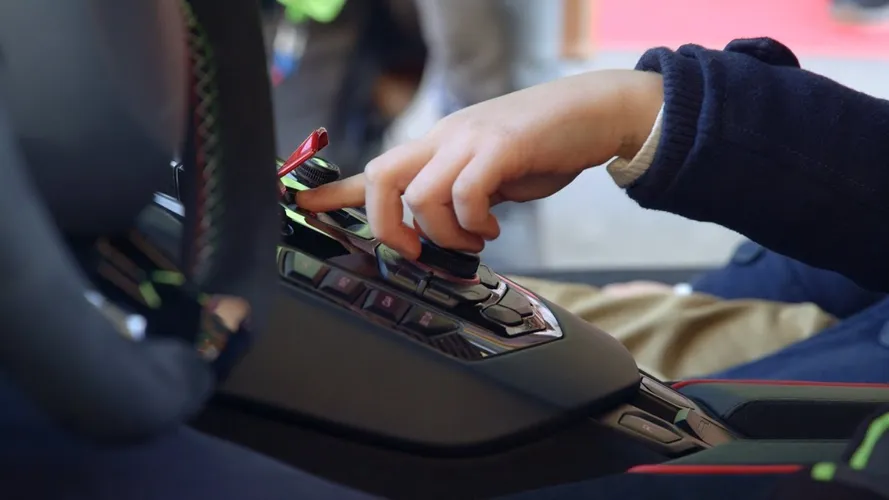
Dramatic styling and powerful engines have defined Lamborghini since the original V12-powered 350 GT arrived in 1964. But with mainstream luxury cars now offering performance figures that once belonged exclusively to supercars, simply looking spectacular and making big horsepower is no longer enough. That’s why cars such as the Huracán Evo Spyder combine Lamborghini’s unmistakable wedge-shaped design and explosive acceleration with increasingly sophisticated electronic systems. The result is a car that can deliver serious performance while remaining surprisingly approachable during everyday driving.
“These systems are fundamental,” Lamborghini Chief Technical Officer Maurizio Reggiani told us at the Pebble Beach Concours Concept Lawn. The technology allows the car to respond more closely to what the driver wants in each driving mode. In Sport, for example, rear-wheel steering and torque vectoring can help the car maintain a controllable slide while giving the driver confidence to explore its limits. Switch to Strada, and the focus shifts toward stability and easier control. That philosophy extends throughout the vehicle, with torque distribution, suspension settings, stability systems, and other dynamic parameters adjusting to match the selected mode.
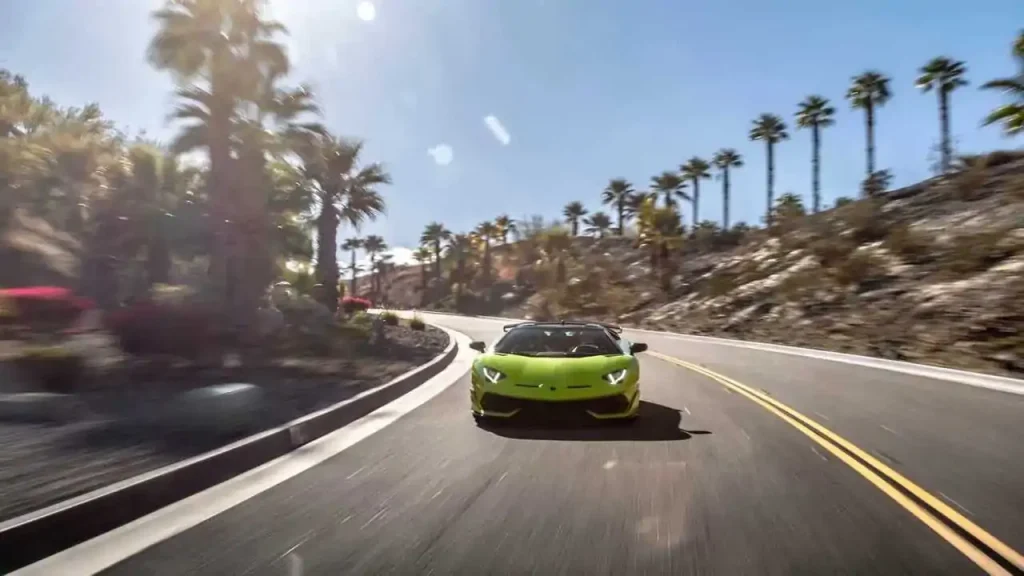
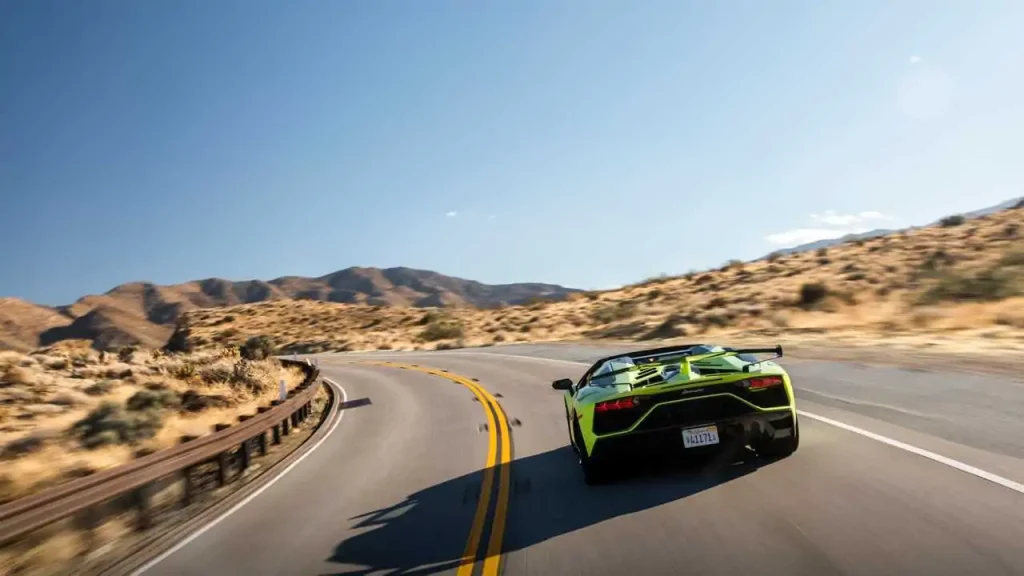
Lamborghini has certain traditions it remains committed to, including the naturally aspirated V10 and V12 engines that power its supercars. But the automaker has also demonstrated a willingness to step outside those traditions when the situation calls for it. The Urus is the perfect example, using a twin-turbocharged 4.0-liter V8 producing 650 horsepower. The engine’s strong low-end torque makes it well suited to an SUV, while features such as ten-piston front brake calipers and massive 17.3-inch carbon-ceramic discs give the 4,800-pound SUV serious stopping power. The result is a machine capable of reaching 60 mph in just 3.6 seconds and posting lap times quicker than the original Gallardo.
That combination of performance and everyday usability helps explain why the Urus, along with the Huracán and Aventador, has attracted so much attention. Lamborghini has even discussed keeping overall production relatively limited, with a potential cap of around 8,500 vehicles per year across the lineup. Such a strategy would help preserve the brand’s exclusivity while allowing it to maintain a controlled level of growth.
The Art Of The Brand
Building an exciting car is only part of the equation. Knowing how to present that car to the right audience is equally important, and Lamborghini has developed a distinctive approach to its marketing. Campaigns such as “Lamborghini Real Lover” focus less on simply listing performance figures and more on the emotional connection people have with the brand. By combining striking imagery with a clear understanding of its customers, Lamborghini reinforces the sense of passion, exclusivity, and Italian character that surrounds its cars.
Lamborghini’s approach extends well beyond traditional advertising. Social media has become another powerful tool for showcasing the brand, particularly Instagram, where Lamborghini had built a following of 24.6 million users, nearly 30 percent more than Ferrari at the time. The platform gives Lamborghini an ideal place to display its dramatic designs while associating the brand with the lifestyles and personalities that surround its cars, from professional racing drivers and affluent travelers to enthusiasts simply drawn to the spectacle.
Merchandise adds another dimension to that strategy. Lamborghini-branded products create an additional source of revenue while allowing customers to bring a piece of the marque’s lifestyle into their everyday lives. The automaker has also expanded into collaborations with other brands, including Lego, which announced new model kits based on the Urus and Huracán.
Guiding The Brand
Many of the elements behind Lamborghini’s recent growth were already taking shape before Stefano Domenicali became CEO, but his leadership has played an important role in guiding the company through this period.
A native of Imola, Italy, Domenicali grew up around the Autodromo Enzo e Dino Ferrari, spending time in the paddock during race weekends. His career later took him into Formula One, where he served as team principal for Ferrari before joining Audi in 2014. That combination of motorsport experience and automotive industry knowledge eventually led him to Lamborghini.
“Our people are at the heart of everything we do. Lamborghini’s strength comes from a team that brings extraordinary passion and dedication to the business.” – Stefano Domenicali
Two years later, Domenicali succeeded Stephan Winkelmann as Lamborghini’s chief executive, taking over a company that had already experienced significant growth. During Winkelmann’s 11 years at the helm, annual sales doubled while the workforce grew by more than 50 percent. He also oversaw the introduction of two of the three models that make up Lamborghini’s modern lineup. Following such a successful run, Domenicali had plenty to live up to, but the automaker’s record-setting performance suggests the transition has gone smoothly.
“We always planned that the Urus would contribute to a doubling of production, and we are well on track to realizing this,” he told Luxury London last April. “On this, though, to me personally it is always about the people: we were at 1,750 employees by the end of 2018, with 70 percent of them hired in the past five years. It is the people within our business that mean the most to me. It is all about an incredibly passionate and dedicated team.”
Looking Ahead
Lamborghini’s next chapter is expected to bring several major additions, including an Aventador replacement, an all-new 2+2 grand tourer, and greater use of hybrid technology across the lineup. Domenicali acknowledged that electrification will become increasingly important to the brand, explaining, “Supercars are different from normal cars, but as electrification and hybridization will become part of our market, it’s fundamental that we ensure our research and development team are studying this for our future cars.” He added that “The first step towards electrification will be represented by hybridization in the next generation of our super sports cars, as well as the Urus.” The limited-production Sian may not reveal the styling direction of Lamborghini’s next flagship, but its powertrain offers a glimpse at the technology the company could continue developing. The setup combines a 6.5-liter naturally aspirated V12 with a 48-volt mild-hybrid system, producing a combined 819 horsepower.
Whatever direction the lineup takes, Lamborghini intends to preserve the performance-focused character that has defined the brand for decades. New technology and electrified powertrains may become increasingly common, but the automaker says its future cars will remain firmly rooted in the supercar world. “In the future, our portfolio has to remain supersport,” Domenicali concluded. “This is the focus we need to keep.”