
Choosing between a midsize and full-size pickup depends on your towing needs, budget, and daily driving habits.
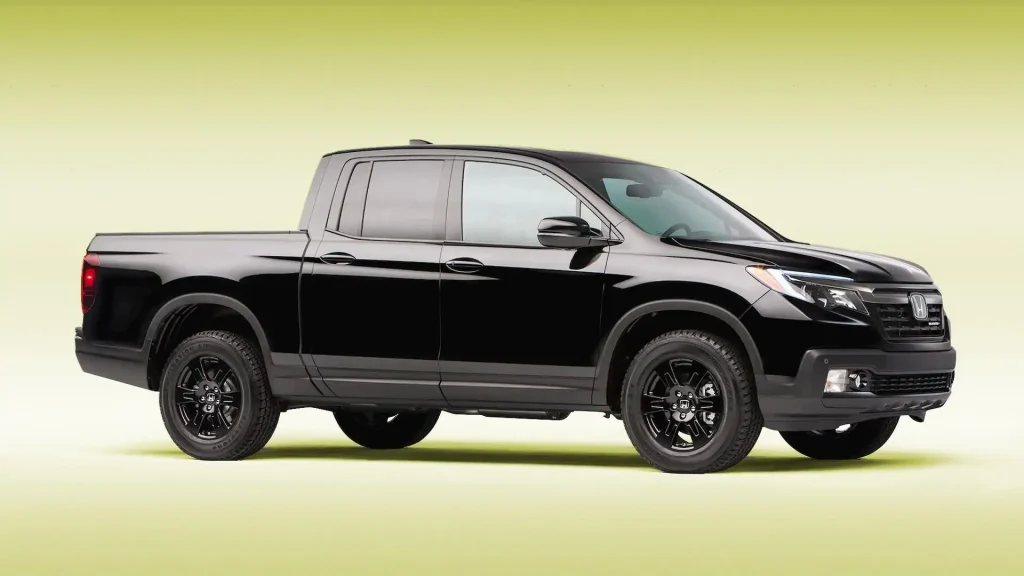
Pickup trucks continue to dominate the automotive market, thanks to their unmatched blend of capability, versatility, and everyday practicality. Whether they’re being used as workhorses on construction sites, family vehicles, or weekend adventure rigs, pickups remain among the most popular vehicles on the road. Full-size models like the Ford F-150, Chevrolet Silverado 1500, and Ram 1500 consistently rank among the best-selling vehicles in North America, offering impressive towing capacities, powerful engine options, and increasingly luxurious interiors.
However, a full-size truck isn’t the ideal choice for every buyer. While these pickups excel at towing heavy trailers and hauling substantial payloads, they also come with higher purchase prices, larger dimensions, and greater fuel consumption. Entry-level work trucks are relatively affordable, but well-equipped trims can easily climb into luxury-car territory, with premium features, advanced technology, and price tags exceeding $60,000.
That’s where midsize pickups come in. Models such as the Toyota Tacoma, Chevrolet Colorado, GMC Canyon, Nissan Frontier, and Honda Ridgeline provide much of the utility buyers expect from a pickup while offering easier maneuverability, improved fuel efficiency, and lower ownership costs. They’re often better suited for commuters, outdoor enthusiasts, and homeowners who need occasional towing or hauling without the bulk of a full-size truck. As consumer demand for smaller pickups continues to grow, manufacturers have expanded the segment with models like the Ford Ranger and Hyundai Santa Cruz, giving buyers more choices than ever before.
Choosing between a midsize and a full-size pickup ultimately depends on how you plan to use it. If your priorities include maximum towing capacity, payload, and interior space, a full-size truck is likely the better option. If you’re looking for a vehicle that’s easier to park, more fuel-efficient, and less expensive to own while still providing impressive versatility, a midsize pickup may be the smarter investment.
Regardless of size, modern pickups share many of the same strengths. Most are built on rugged body-on-frame platforms with rear-wheel drive as standard and optional four-wheel drive for enhanced traction on slippery roads and improved off-road performance. Buyers can also choose from several cab styles—including regular, extended, and crew cabs—to balance passenger space with cargo-bed length. Whether you need a dependable work truck or an everyday vehicle with extra utility, today’s pickup market offers a model to suit virtually every lifestyle and budget.
Table of Contents
Midsize Pickup Truck Essentials
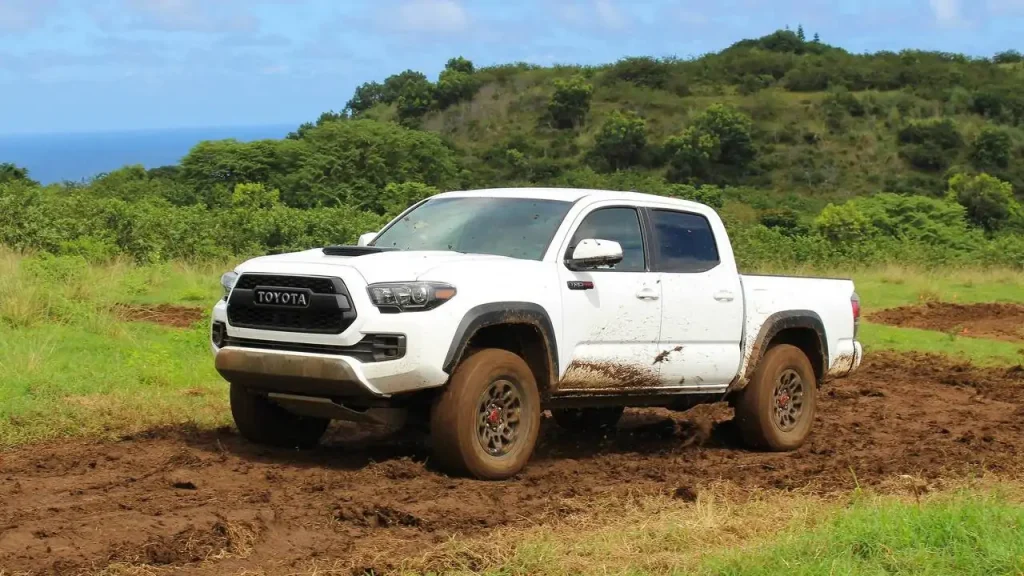
Midsize pickups offer an excellent balance between everyday practicality and genuine truck capability. Typically priced well below full-size models, most start in the low-to-mid $20,000 range, making them an attractive choice for buyers who need utility without the higher costs associated with larger trucks. They’re easier to maneuver through city streets, fit into tighter parking spaces, and generally cost less to insure and maintain.
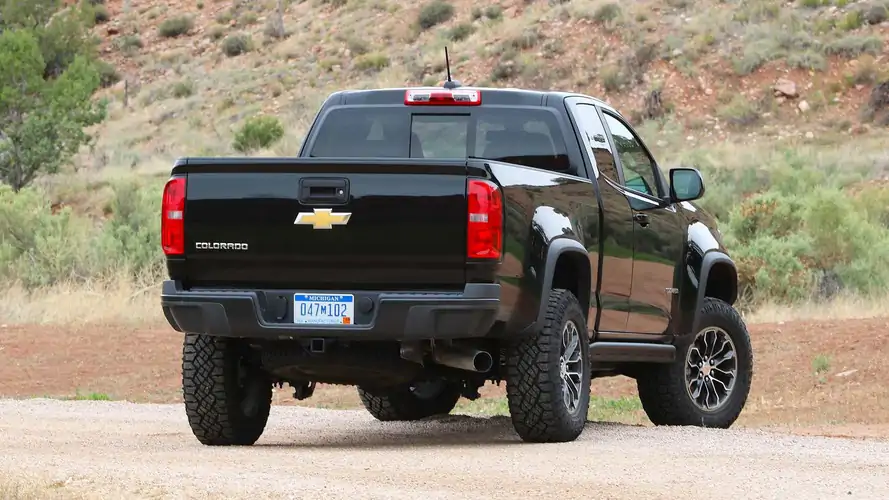
Under the hood, midsize trucks usually come equipped with either a fuel-efficient four-cylinder engine or a more capable V6 for buyers who need additional towing power. Some models, such as the Chevrolet Colorado and GMC Canyon, also offered a turbodiesel engine that produced an impressive 369 lb-ft (500 Nm) of torque, delivering excellent towing performance while maintaining strong fuel economy. Most midsize pickups were available with rear-wheel drive or four-wheel drive, while manual transmissions remained available on select base models, though automatics became increasingly common.
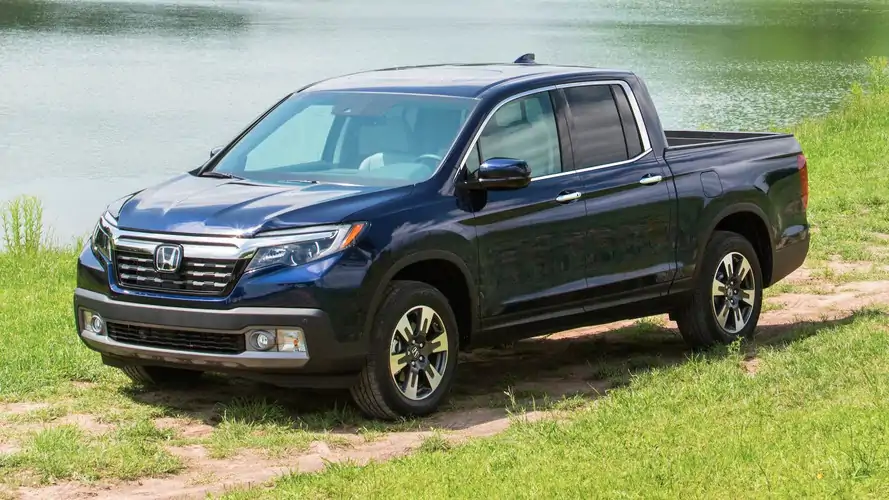
One standout in the segment was the Honda Ridgeline. Unlike its competitors, it featured a car-like unibody construction instead of the traditional body-on-frame design. Sharing its platform with the Honda Pilot SUV, the Ridgeline came standard with front-wheel drive and offered an intelligent all-wheel-drive system for improved on-road traction. It also introduced several clever features, including a dual-action tailgate that could either fold down conventionally or swing open sideways, along with a lockable in-bed trunk that added a level of practicality unmatched by rivals.
Fuel economy is another advantage of midsize trucks. Their lighter weight and smaller engines help reduce fuel consumption compared to full-size pickups. Diesel-powered Colorado and Canyon models were among the segment leaders in efficiency, while gasoline-powered four-cylinder models also delivered respectable mileage. Even V6-powered options such as the Honda Ridgeline offered competitive fuel economy for a pickup.
Although midsize pickups have slightly smaller cabins than full-size trucks, they remain highly practical. Crew Cab versions comfortably seat five passengers, while available cargo beds ranging from about five to six feet provide enough space for motorcycles, camping gear, landscaping supplies, and building materials. Despite their smaller size, many models can still carry standard eight-foot construction materials with the tailgate lowered.
When properly equipped, midsize pickups offer towing capacities ranging from approximately 3,500 pounds to more than 7,000 pounds, making them more than capable of hauling small boats, utility trailers, campers, and recreational vehicles. They may not match the towing figures of full-size trucks, but they provide more than enough capability for most personal and recreational needs.
Many manufacturers also offered specialized off-road variants with upgraded suspensions, skid plates, locking differentials, and all-terrain tires. While these models are exceptionally capable on rugged terrain, their firmer suspensions and aggressive tires can result in a stiffer ride during everyday driving.
Modern midsize pickups are also available with a growing number of premium amenities. Features such as leather upholstery, heated seats, touchscreen infotainment systems, smartphone connectivity, advanced driver-assistance technologies, and premium audio systems have become increasingly common. Luxury-oriented trims like the GMC Canyon Denali prove that buyers no longer have to choose between comfort and capability.
Full-Size Pickup Truck Essentials
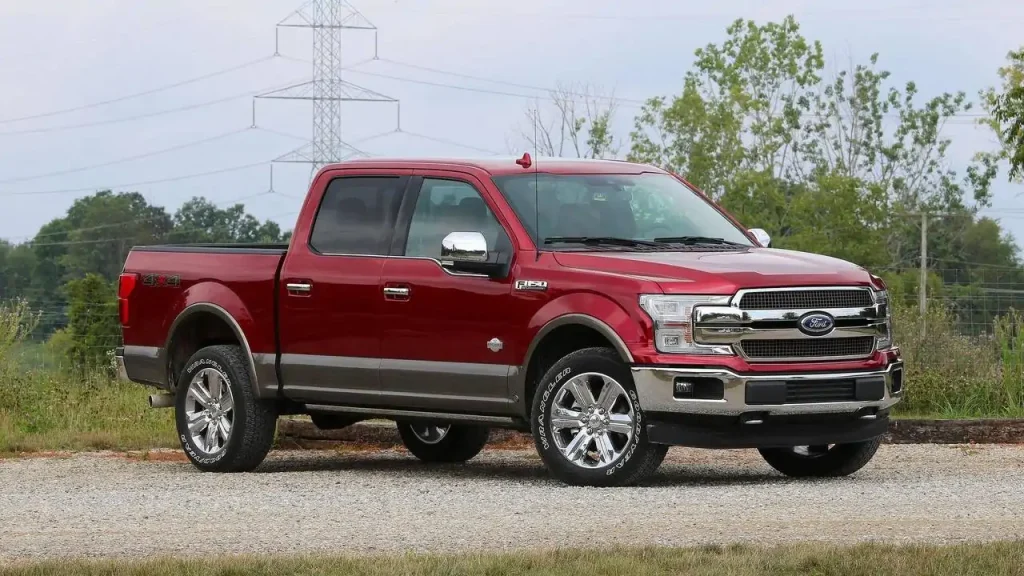
Full-size pickup trucks are designed for buyers who demand maximum capability. Larger in every dimension than midsize models, they offer roomier cabins, greater towing and hauling capacities, more powerful engines, and a broader range of luxury features. Whether used for heavy-duty work, long-distance towing, or family transportation, these trucks remain among the most versatile vehicles on the market.
Most full-size pickups begin with a V6 engine, while higher trims offer one or more powerful V8 options producing well over 400 horsepower. Ford also popularized turbocharged EcoBoost V6 engines, proving they could rival traditional V8s in both performance and towing capability while improving fuel efficiency. Modern full-size trucks also benefit from technologies such as cylinder deactivation, automatic stop-start systems, and advanced transmissions that help maximize efficiency.
Rear-wheel drive remains standard, while four-wheel drive is available across nearly every trim. A low-range transfer case provides outstanding off-road capability and improved traction when navigating mud, snow, sand, or rocky terrain.
Towing is where full-size pickups truly excel. Properly equipped models can tow well over 10,000 pounds, with trucks like the Ford F-150 capable of pulling more than 13,000 pounds depending on the engine and configuration. This makes them ideal for towing large travel trailers, horse trailers, boats, heavy equipment, and construction machinery.
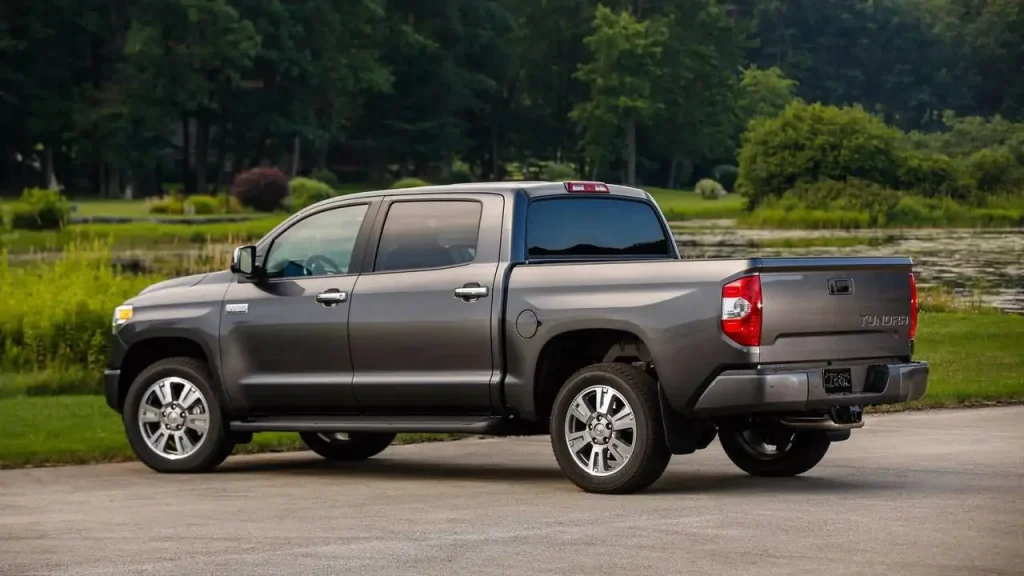
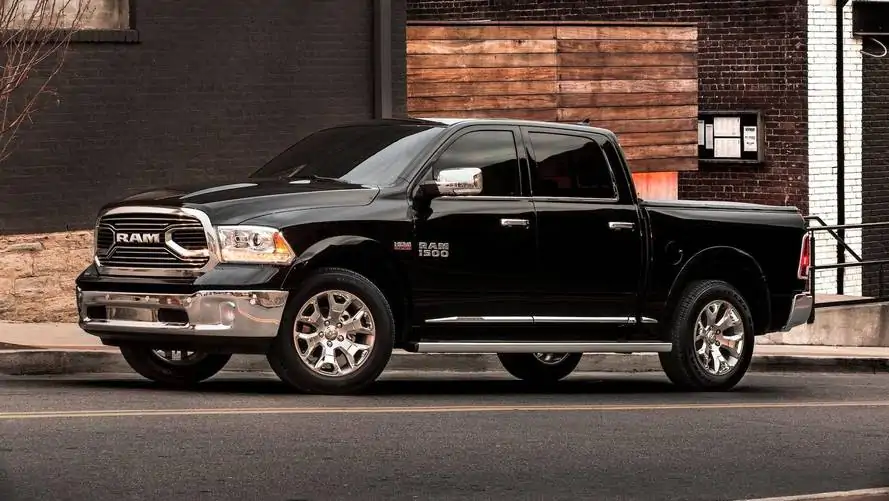
The trade-off for this impressive capability is fuel consumption. Their larger engines and heavier curb weights generally result in lower fuel economy than midsize pickups. However, modern turbocharged gasoline engines and available diesel options have significantly improved efficiency compared to older trucks.
Full-size pickups also provide larger cargo beds and substantially more interior space. Crew Cab models offer generous rear-seat legroom comparable to many luxury SUVs, making them excellent family vehicles. Bed lengths typically range from about 5.5 feet to 8 feet, allowing buyers to select the configuration that best suits their hauling requirements.
Today’s full-size trucks are no longer basic work vehicles. High-end trims feature premium leather interiors, heated and ventilated seats, panoramic sunroofs, large touchscreen infotainment systems, digital instrument clusters, massaging front seats, and advanced safety technologies. Models such as the Ford F-150 Platinum, GMC Sierra Denali, Chevrolet Silverado High Country, Ram Limited, Toyota Tundra Platinum, and Nissan Titan Platinum Reserve rival luxury SUVs in comfort while retaining exceptional utility.
Specialized off-road models—including the Ford F-150 Raptor, Chevrolet Silverado ZR2, Ram 1500 Rebel, and Toyota Tundra TRD Pro—combine high-performance suspensions, locking differentials, reinforced chassis components, and powerful engines to tackle some of the toughest terrain imaginable.
Why Buy a Midsize Pickup?
A midsize pickup is ideal for drivers who need the versatility of a truck without the size and expense of a full-size model. They’re easier to drive in urban environments, more fuel-efficient, and generally more affordable to purchase and maintain. Despite their smaller dimensions, they remain capable of towing campers, boats, utility trailers, and recreational equipment while comfortably handling everyday tasks like home improvement projects or outdoor adventures.
Their lighter weight, shorter wheelbase, and narrower bodies also make midsize pickups better suited to off-road trails, where maneuverability is often more important than outright power. For buyers seeking the smoothest ride and everyday comfort, the Honda Ridgeline stands out thanks to its unibody construction, car-like handling, innovative dual-action tailgate, lockable in-bed storage compartment, and available in-bed audio system.
Why Buy a Full-Size Pickup?
A full-size pickup is the best choice for buyers who regularly tow heavy trailers, haul large payloads, or simply want the most capable truck available. These models provide stronger engines, greater payload capacities, roomier interiors, and a wider range of premium features than midsize trucks.
Their available V8 and turbocharged V6 engines deliver exceptional power, while optional four-wheel-drive systems ensure confidence in difficult weather and demanding off-road conditions. Buyers who frequently transport construction materials or equipment may prefer regular-cab models with eight-foot cargo beds, while crew-cab versions offer outstanding comfort for families and long-distance travel.
Luxury trims transform today’s full-size pickups into premium vehicles that combine upscale interiors with serious work capability. They serve equally well as weekday workhorses and weekend family haulers, making them some of the most versatile vehicles on the road.
For buyers whose needs exceed even a half-ton pickup’s capabilities, heavy-duty three-quarter-ton and one-ton trucks offer extraordinary towing and payload ratings, making them the preferred choice for commercial operators, RV owners, and anyone hauling the heaviest loads.