
The World’s First Everyday Supercar
Over the decades, Honda has built an impressive legacy. The company helped bring affordable mobility to millions across Asia, achieved remarkable success in Formula 1 during its partnership with McLaren in the 1980s, and even expanded into aviation with its own private jet program. However, one of Honda’s greatest accomplishments came when it dared to challenge the world’s most prestigious supercar makers — and succeeded.
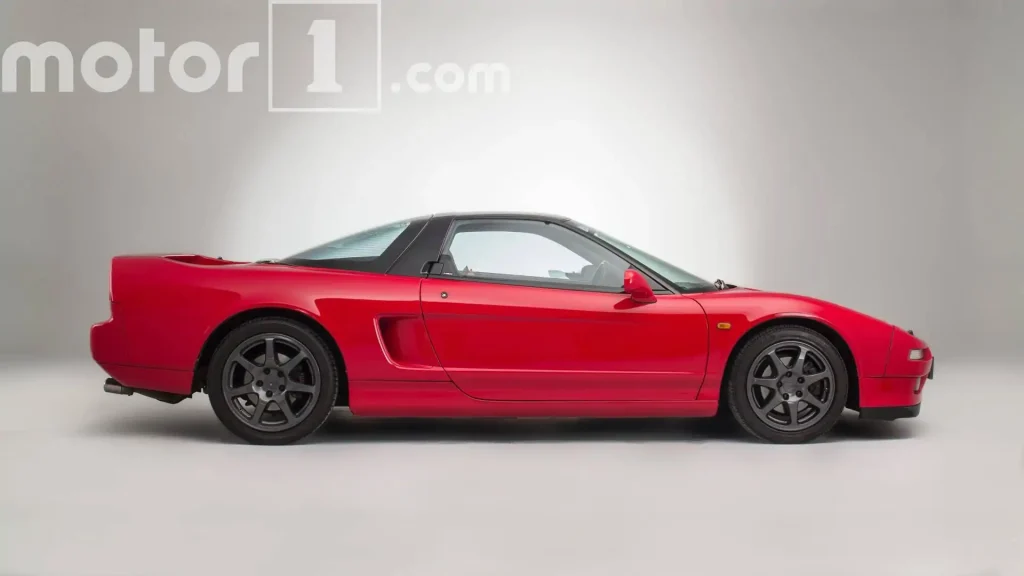
That achievement was the iconic Honda NSX, sold as the Acura NSX in the United States. Rather than relying on exotic badges or Italian heritage, the NSX proved that exceptional performance could come from Japanese engineering, precision, and reliability. It showed the world that a supercar didn’t need a prancing horse on the hood to be truly special.
The story began with the Honda HP-X concept, a sleek mid-engine sports car designed by Pininfarina. The concept inspired Honda engineers to pursue an ambitious goal: create a car capable of competing with Ferrari while maintaining the brand’s reputation for durability and everyday usability.
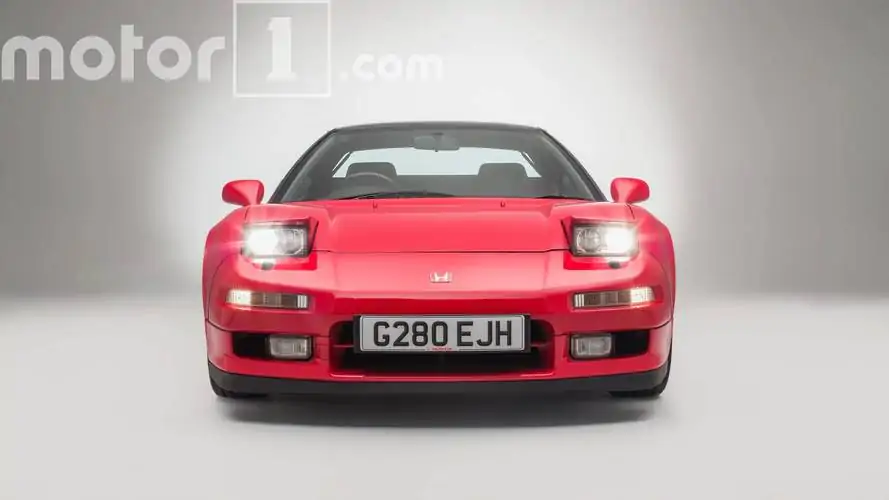
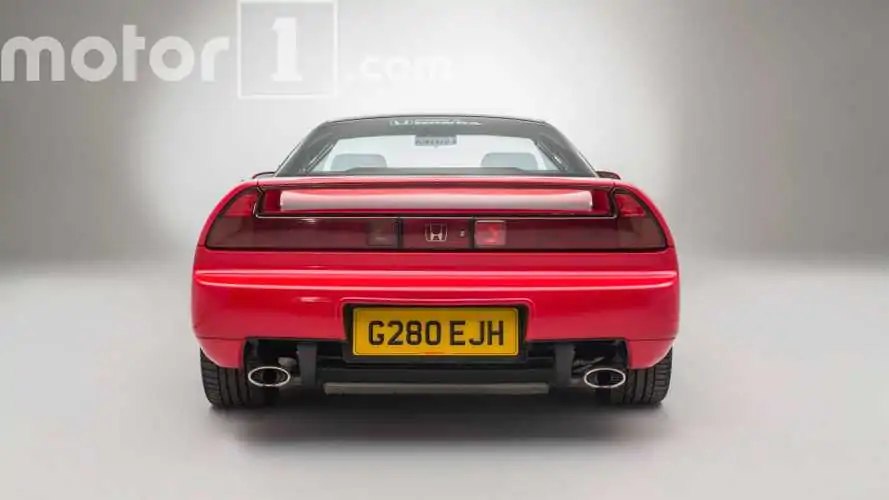
The result was the “New Sportscar eXperimental”, better known as the NSX, which made its debut in 1990 and forever changed expectations for what a supercar could be.
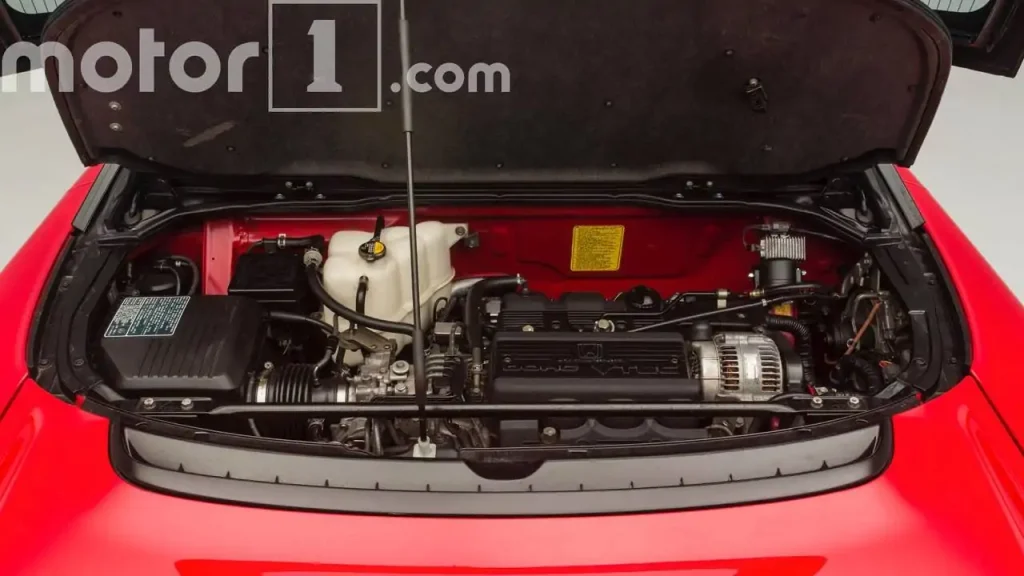
The original NSX arrived with a 3.0-liter naturally aspirated V6 producing 252 horsepower (188 kW), paired with either a precise six-speed manual transmission or an optional four-speed automatic. Adding to the car’s legendary status, it is rumored that the NSX featured in our studio photos was once used as the company car of Formula 1 legend Ayrton Senna, who played a key role in refining the NSX’s chassis during its development.
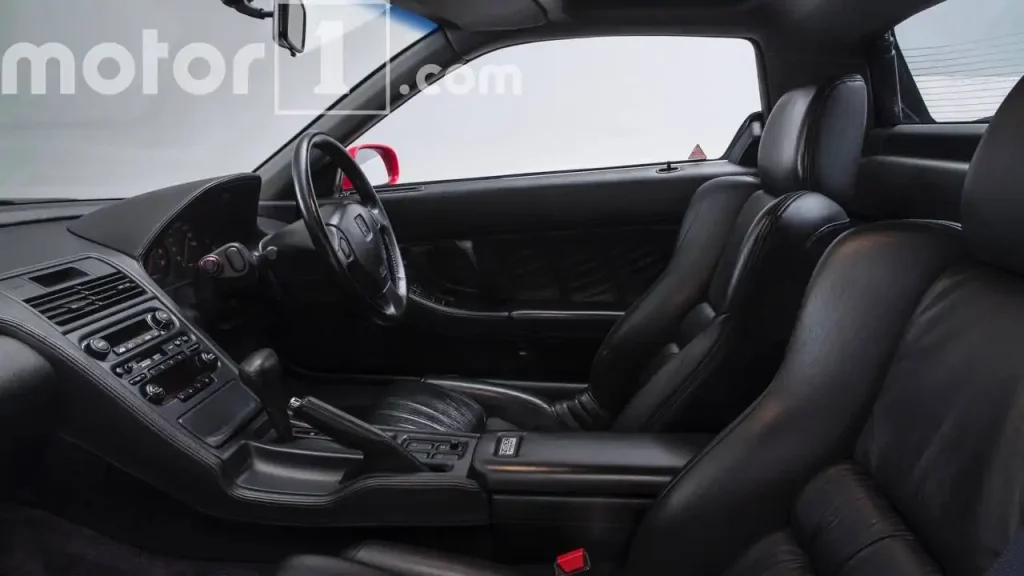
Honda’s greatest achievement with the NSX was proving that a supercar didn’t have to come with the usual compromises. The cockpit was inspired by the visibility of an F-16 fighter jet, giving drivers an exceptional view of the road — something many exotic cars of the era lacked. Unlike traditional supercars that demanded constant sacrifice, the NSX offered practical touches such as a usable trunk, power steering, comfortable ergonomics, and a fuel-efficient mid-mounted V6 that was surprisingly easy to live with.
In 1997, Honda updated the NSX with a larger 3.2-liter V6 engine producing 276 horsepower (206 kW), along with improvements to the transmission and performance. Another major revision arrived in 2002, when the iconic pop-up headlights were replaced by fixed units, while the suspension was further refined to improve handling and responsiveness.
Production of the first-generation Honda NSX continued until 2005, when the final example left the factory after an impressive 15-year run. In today’s automotive world, where exotic models are often replaced after just a few years, the NSX’s longevity remains a remarkable achievement — a testament to the strength of its original design and engineering.
Every Honda or Acura NSX is special, but a few versions have become genuine legends among enthusiasts. Chief among them is the 1992 NSX Type R, a Japan-only model developed around a simple idea: take an already capable supercar and make it lighter, sharper, and more engaging.
Honda engineers removed equipment they considered unnecessary for performance, including some sound insulation and comfort features, while adding lighter components and wheels. The interior was simplified, and the suspension received more aggressive tuning to improve handling and driver feedback. The result was a significantly more focused NSX aimed at enthusiasts who valued performance over luxury.
Honda returned to the same formula in 2002 with the NSX-R. The updated model brought more aggressive exterior styling, revised aerodynamics, a larger rear wing, and further suspension and chassis improvements. Engineers concentrated on increasing high-speed stability and giving the driver greater feedback, making the NSX-R the most track-focused evolution of the first-generation car.
Although the standard NSX was already renowned for its balance, reliability, and relatively approachable driving characteristics, the Type R models showed how far Honda could push the platform. Their limited production and uncompromising engineering have made them particularly desirable among collectors and performance enthusiasts.
The NSX story continued with the arrival of the second-generation model in 2016, which took the nameplate in a completely different technological direction. Instead of the original car’s naturally aspirated V6, the new NSX adopted a 3.5-liter twin-turbocharged V6 paired with three electric motors.
Two of those motors powered the front wheels, while another was integrated into the rear drivetrain, creating an advanced all-wheel-drive system. Together, the hybrid powertrain produced 573 horsepower (427 kW) while delivering immediate electric torque and impressive traction.
Despite the radically different technology, the second-generation NSX retained an important part of the original car’s philosophy. Rather than relying solely on brute force, Honda used sophisticated engineering to create a supercar that emphasized balance, precision, and usability.
From the lightweight NSX Type R and NSX-R to the technologically advanced hybrid of the modern era, the NSX has consistently demonstrated Honda’s ability to approach supercar performance from a different angle—combining innovative engineering with a level of usability and refinement that set the nameplate apart.