
V10 power, rear-wheel-drive dynamics, and supercar performance gave the Lexus LFA the credentials to challenge icons like Lamborghini and Ferrari.
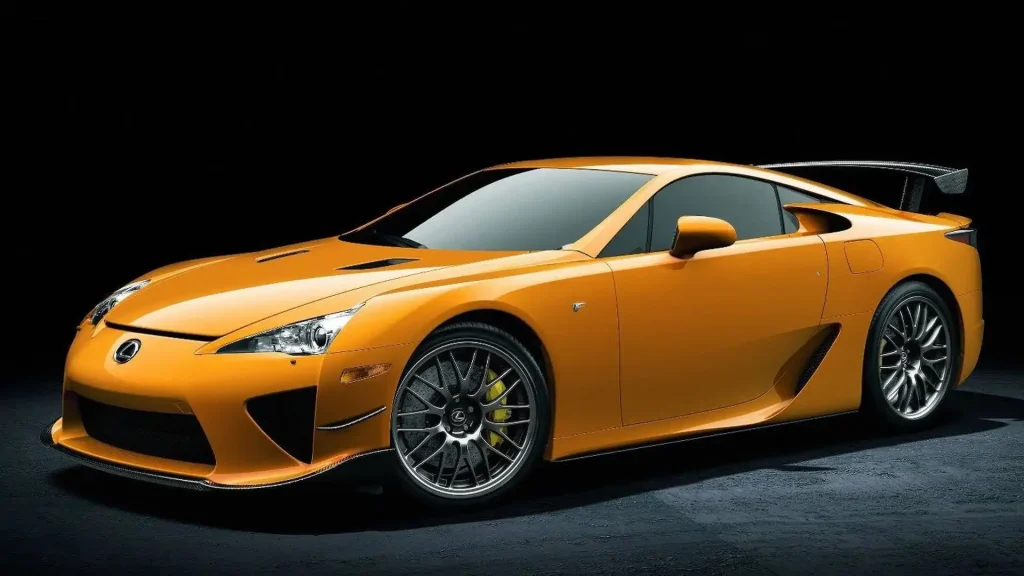
For years, Lexus was recognized as a symbol of luxury, refinement, and reliability, but the brand was rarely associated with the excitement and emotion of exotic performance cars. That changed forever with the introduction of the 2010 Lexus LFA, a hand-built supercar created to prove that Japanese engineering could compete with the world’s most prestigious performance machines.
The LFA was not built simply to chase speed records. It was designed to deliver a unique driving experience, combining a screaming naturally aspirated V10 engine, lightweight carbon-fiber construction, rear-wheel-drive performance, and world-class craftsmanship. It represented the ultimate expression of Lexus engineering and a bold attempt to redefine what the brand could achieve.
The journey to create the LFA was anything but simple. As the saying goes, “good things come to those who wait,” and Lexus enthusiasts waited nearly nine years before the company’s first true supercar became a reality. Engineers refused to compromise, repeatedly returning to the drawing board in pursuit of perfection. Every detail was carefully considered, from the aerodynamic shape of the side mirrors to the weight of the audio system.
One of the biggest changes came during development when Lexus abandoned its original aluminum chassis design in favor of a carbon-fiber reinforced plastic structure. It was a massive engineering challenge, but the switch allowed the LFA to become lighter, stronger, and more technologically advanced.
However, Lexus faced another challenge: creating a supercar that still felt like a Lexus. Engineers could have built a stripped-down performance machine focused only on speed, but the LFA needed to maintain the refinement and quality expected from the brand. The cabin was crafted with premium materials and featured the attention to detail associated with Lexus’ legendary Takumi Master Craftsmen.
These elite artisans represent the highest level of Japanese craftsmanship. At the Miyata Lexus Plant in Kyushu, Japan, only a small number of workers achieve Takumi status after years of training and demonstrating exceptional precision and skill.
When the production version finally debuted at the 2009 Tokyo Motor Show, the world got its first look at Lexus’ ambitious supercar. The LFA’s dramatic shape was the result of extensive wind-tunnel testing, creating a design that was both beautiful and functional.
At its heart was one of the greatest engines of its era: a 4.8-liter naturally aspirated V10 producing 552 horsepower and sending power exclusively to the rear wheels. Developed with Yamaha, the engine delivered explosive performance, a 9,000-rpm redline, and one of the most unforgettable exhaust notes ever produced by a road car.
With a top speed exceeding 200 mph (322 km/h) and a 0-60 mph time of around 3.6 seconds, the LFA had the performance credentials to compete directly with supercars like the Lamborghini Gallardo and Ferrari models of the era.
Lexus later raised the performance bar even further with the limited LFA Nürburgring Package. Designed for maximum track capability, the package added aerodynamic upgrades including a fixed carbon-fiber rear wing, front canards, wider side skirts, and a redesigned rear diffuser. It also increased output to 563 horsepower and improved transmission response.
Only 50 examples received the Nürburgring Package, making it one of the most desirable versions of the LFA. With a price of approximately $445,000—around $70,000 more than the standard model—it represented the ultimate evolution of Lexus’ supercar.
Production was extremely limited, with only 500 Lexus LFAs built worldwide. The final example left the factory in December 2012, marking the end of one of the most ambitious projects in Lexus history.
Although the LFA was never intended to be a volume seller, it achieved something far more valuable: it changed how enthusiasts viewed Lexus. Today, examples often sell for more than their original asking price, reflecting the car’s growing reputation as a modern automotive legend.
The 2010 Lexus LFA was more than a supercar—it was a statement of passion, innovation, and engineering excellence. After nearly a decade of development, Lexus created a machine that proved patience, precision, and ambition could produce something truly unforgettable.