
The Red Car That Set the Pace
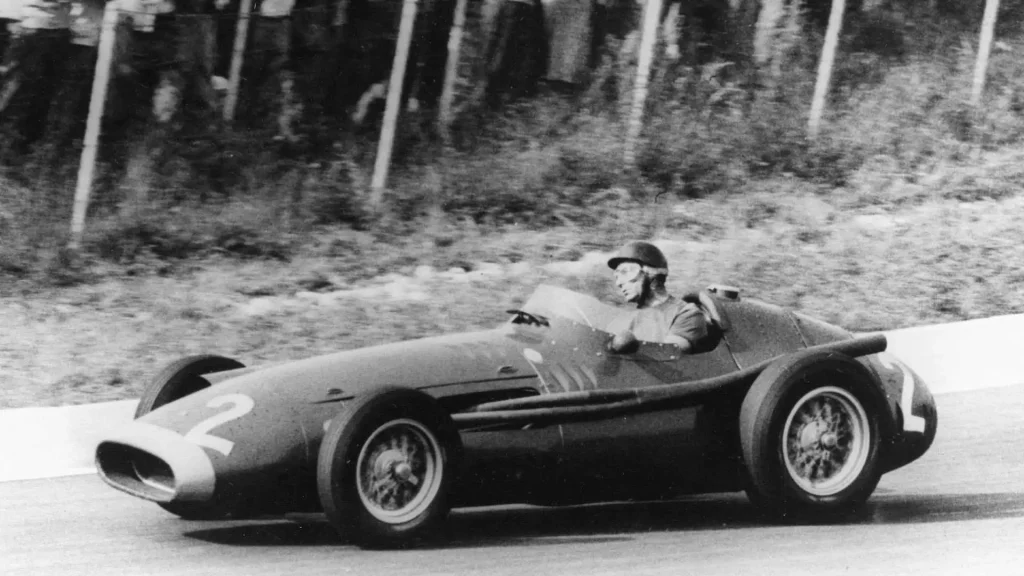
When most people picture a fast red race car, Ferrari is often the first name that comes to mind. But during the golden age of motorsport, it was Maserati’s scarlet machines that commanded attention and respect on the track. Founded in 1914 by the Maserati brothers, the company quickly built a reputation for engineering excellence and racing success. Among its many legendary competition cars, the Maserati 250F stands out as one of the marque’s most celebrated and iconic racers, a machine that helped define an era of Grand Prix competition.
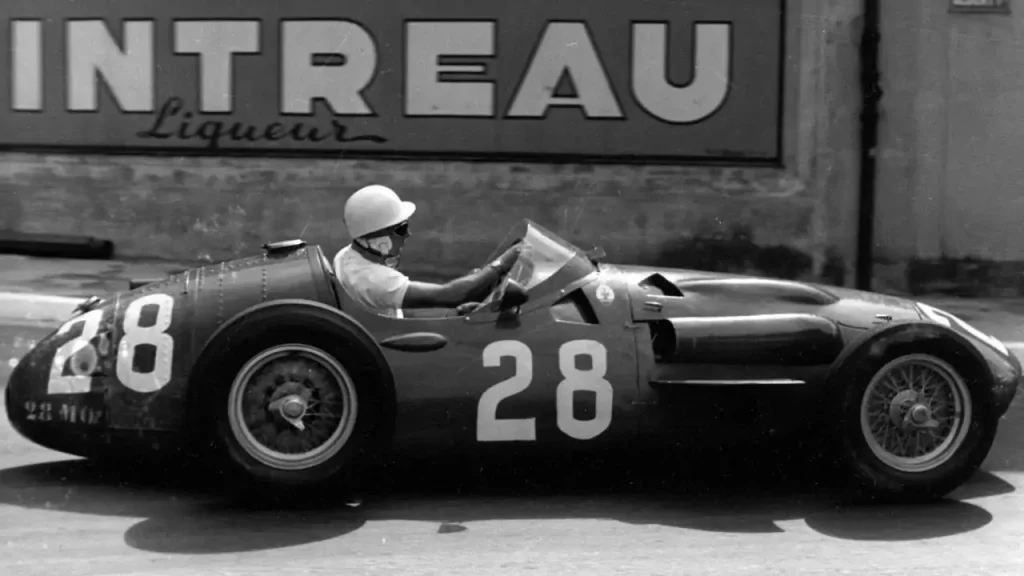
The Maserati 250F made its competitive debut in 1954, entering the world of Formula One with a sleek, cigar-shaped body and a powerful 2.5-liter straight-six engine producing around 220 horsepower. The new Grand Prix machine first took to the track at the Argentine Grand Prix, where it immediately announced its arrival as a serious contender. Behind the wheel was legendary driver Juan Manuel Fangio, who guided the 250F to victory in its very first race. Fangio would claim another win with Maserati before departing for the newly established Mercedes-Benz factory team.
Another famous name associated with the 250F was Stirling Moss, who campaigned a privately owned Maserati throughout the 1954 season. Known for his exceptional skill and fearless driving style, Moss helped cement the 250F’s reputation as one of the most competitive and elegant Grand Prix cars of its era.
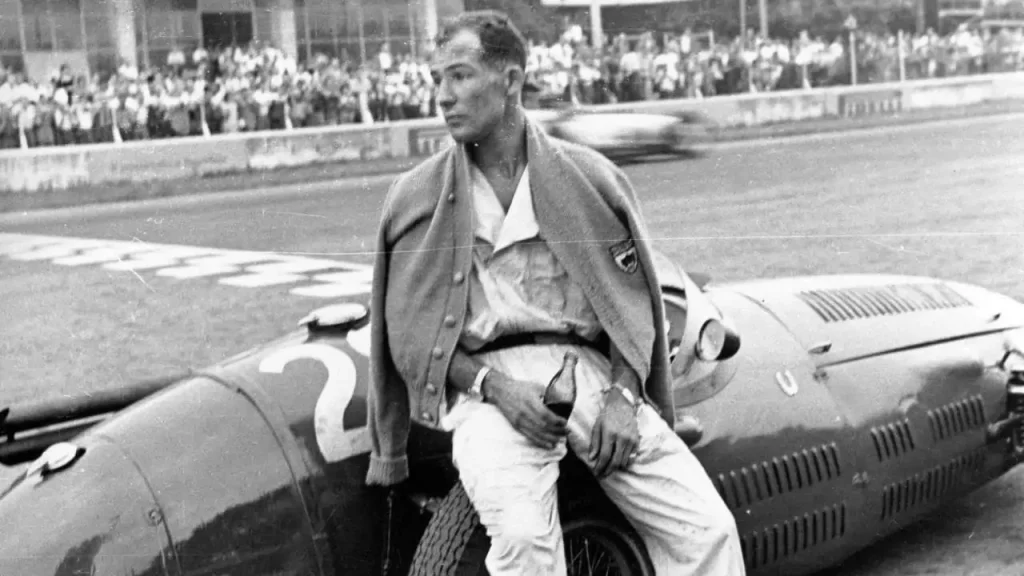
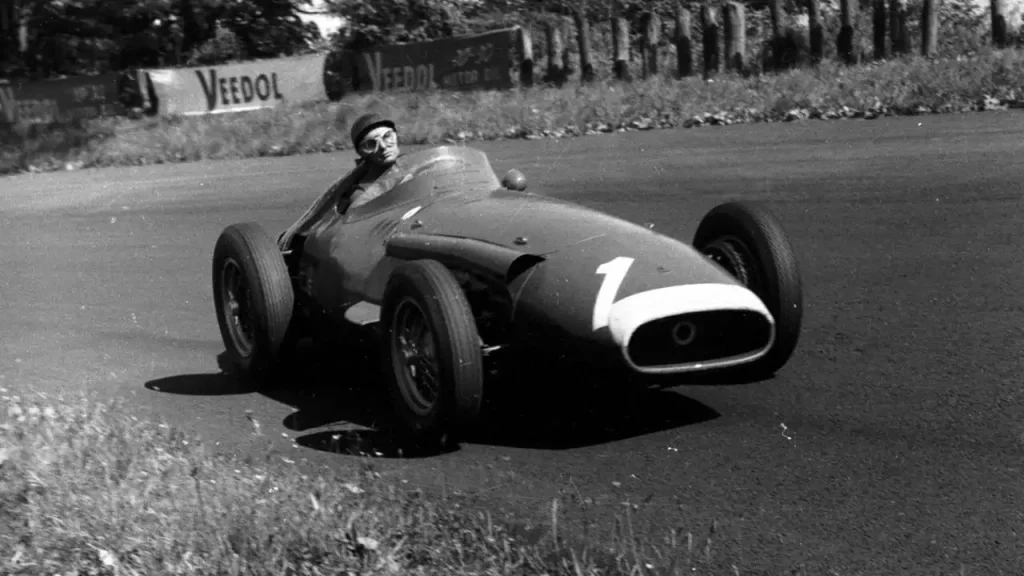
For the 1955 season, Maserati continued refining the 250F with a series of important upgrades designed to keep it at the front of Grand Prix racing. The car received a new five-speed gearbox, advanced Dunlop disc brakes, and a fuel-injection system that boosted output by around 20 horsepower, giving drivers improved performance and reliability on the track.
A major evolution arrived in 1956 with the introduction of the heavily revised 250F T2. Featuring a lighter yet more rigid chassis, the updated model delivered sharper handling and greater balance. Maserati also experimented with a more powerful 315-horsepower V12 engine to replace the original straight-six. Behind the wheel of a factory-backed 250F, Stirling Moss secured memorable victories at the Monaco and Italian Grands Prix, further strengthening the car’s legendary status.
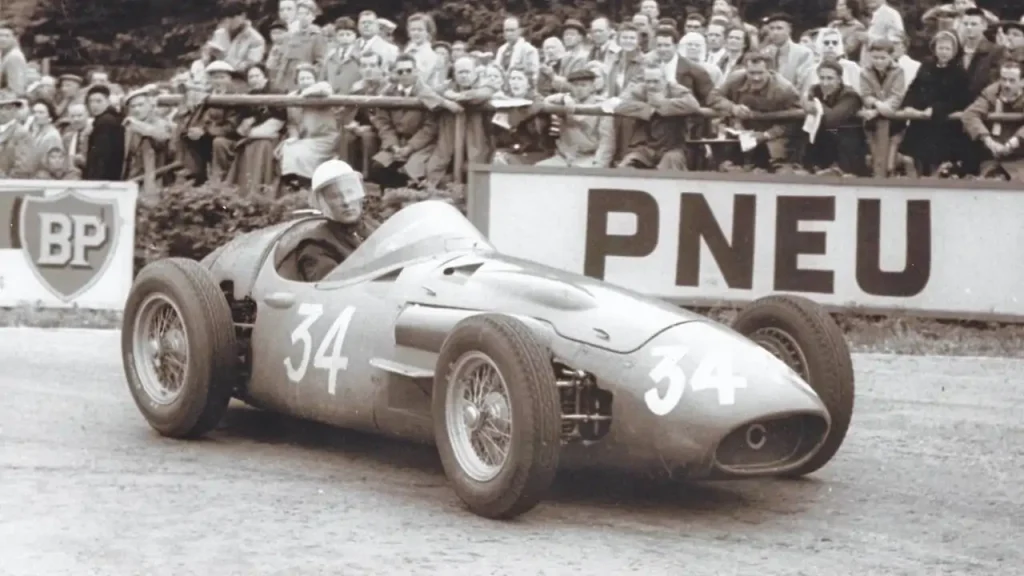
Juan Manuel Fangio returned to the cockpit of the Maserati 250F for the 1957 season, and the partnership produced one of the most remarkable chapters in motorsport history. That year would become the defining moment of the 250F’s legacy, as Fangio and Maserati delivered a series of unforgettable performances.
The Argentine legend secured four victories during the season, including one of the greatest drives ever witnessed in Formula One at the Nürburgring. Starting with a 48-second deficit, Fangio mounted a stunning comeback over 22 laps, pushing the 250F beyond its limits and breaking the circuit’s lap record an astonishing ten times along the way. His dramatic victory remains one of the most celebrated achievements in Grand Prix racing and a defining showcase of the Maserati 250F’s brilliance.
By 1958, the era of the front-engine Grand Prix car was beginning to fade as more advanced mid-engine designs emerged and quickly gained the upper hand on the track. Despite falling behind the latest racing technology, the Maserati 250F remained a popular choice among privateer teams, continuing to compete for several more seasons after its factory career ended.
The 250F’s reputation as a motorsport legend was already firmly established. Stirling Moss, one of the greatest drivers of his generation, famously praised the Maserati as the finest front-engine Grand Prix car he ever drove. Its combination of elegant design, superb handling, and racing success ensured the 250F would remain one of the most celebrated Formula One machines ever built.