We drove hundreds of new vehicles this year. These are the ones that made the biggest impression—for better or worse.
By now, you’ve probably had a chance to browse through the highest-rated vehicles Motor1.com reviewed in 2020. It’s an eclectic group that spans just about every corner of the automotive world. Those rankings, however, were built around objective testing, carefully calculated scores, and plenty of spreadsheet-fueled number crunching. This list takes a different approach.
These are the personal picks of our lead editorial team, and there’s no pretending they’re objective. These opinions come from our own tastes, experiences, and biases, with the journalist hats firmly set aside. We’re talking about the cars that make us eager to get to work, the ones we’d happily leave behind at the end of the day, the products that make us excited about what’s coming next, and the ones that test our patience right now. In other words, this is where personal preference takes the wheel. We hope you enjoy the ride.
Table of Contents
Brandon Turkus, Managing Editor
Best Cars: Volkswagen ID.4 And Ford Mustang Mach-E
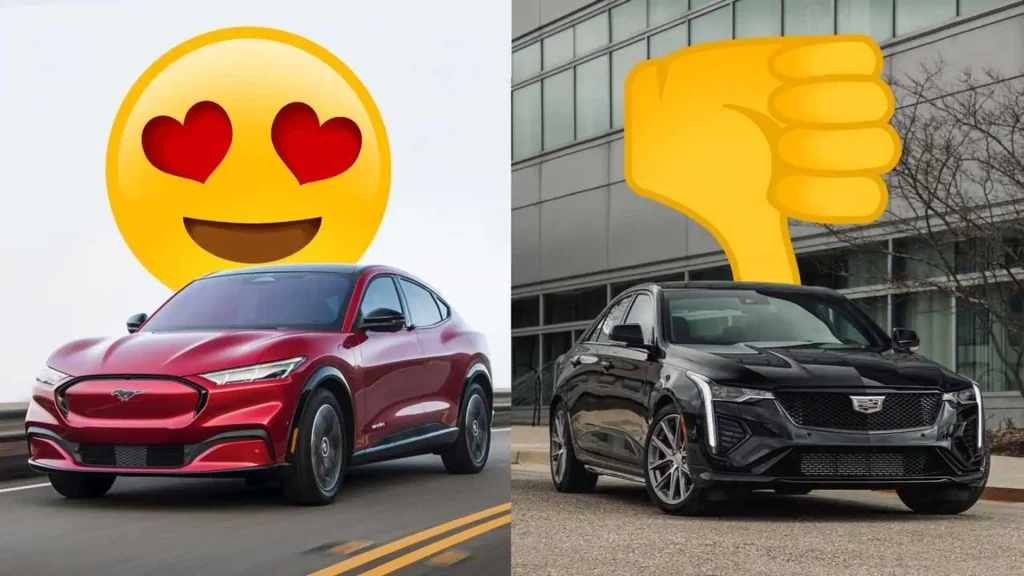
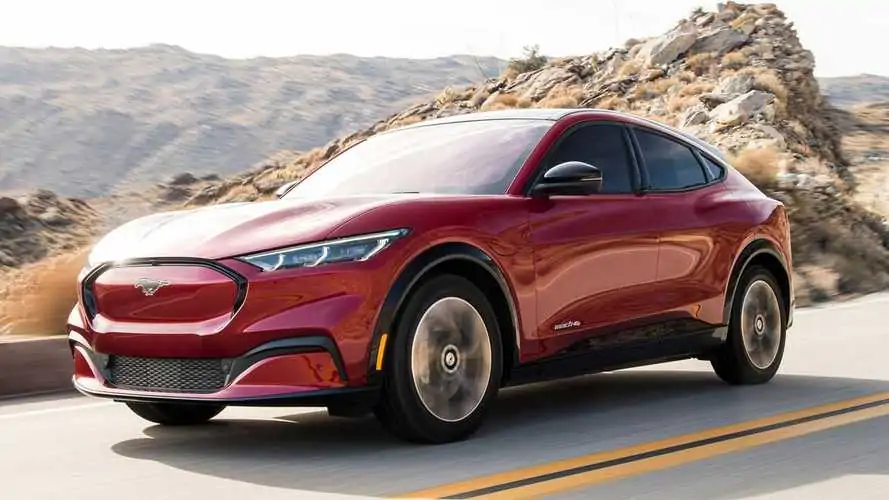
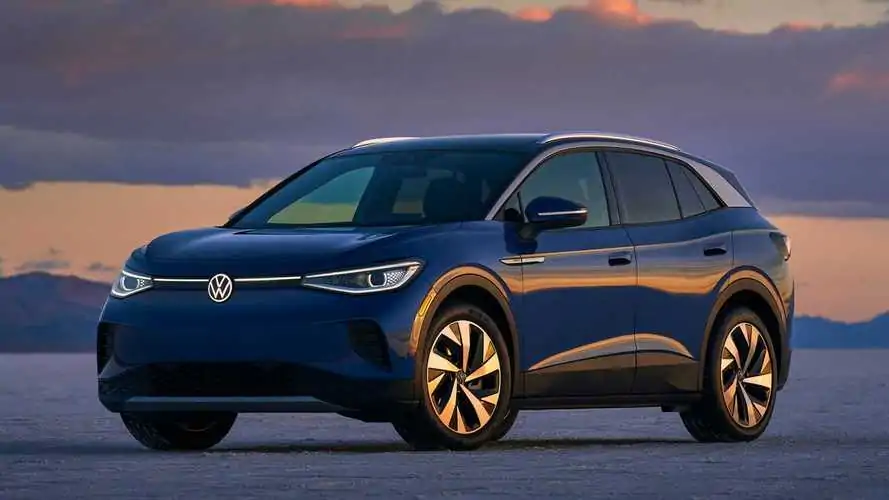
Picking one favorite was too difficult for Brandon Turkus, so he chose two: the Volkswagen ID.4 and Ford Mustang Mach-E. Both stood out for making electric vehicles feel surprisingly normal, with familiar proportions, useful range, appealing designs, and access to expanding fast-charging networks. At around $40,000 before incentives, they also offered a more approachable path into EV ownership. More importantly, both felt genuinely new, giving Brandon a glimpse of where the industry was headed after a year filled with impressive vehicles.
With that range of choices in mind, I’m giving the top spot to two vehicles for essentially the same reason: the Ford Mustang Mach-E and Volkswagen ID.4. Neither is likely to become a future collectible, and it’s still too early to know exactly how successful either will be. I expect both to do well, though, and if they do, they could play a bigger role in bringing EVs into the mainstream than almost any new vehicle since the original Tesla Model S. For traditional automakers, they’re arguably two of the most important new products in years.
Much of that comes down to how ordinary they feel. Both use familiar crossover proportions and offer the practicality consumers already expect, while their driving ranges should cover the needs of most buyers. A growing network of fast chargers makes longer trips increasingly manageable, too. Their styling is attractive without relying on the usual visual cues associated with electric cars, and clever aerodynamic touches help improve efficiency without turning either vehicle into a rolling statement about its environmental credentials.
As straightforward compact crossovers, the Mach-E and ID.4 manage to do almost everything well. With Ford and Volkswagen also benefiting from available EV incentives, their roughly $40,000 starting points become considerably more appealing. More importantly, both feel genuinely fresh behind the wheel. After driving plenty of excellent vehicles in 2020, nothing left me more optimistic about the future of the automobile than the ID.4 and Mustang Mach-E.
Check out our first drive of the Ford Mustang Mach-E and Volkswagen ID.4.
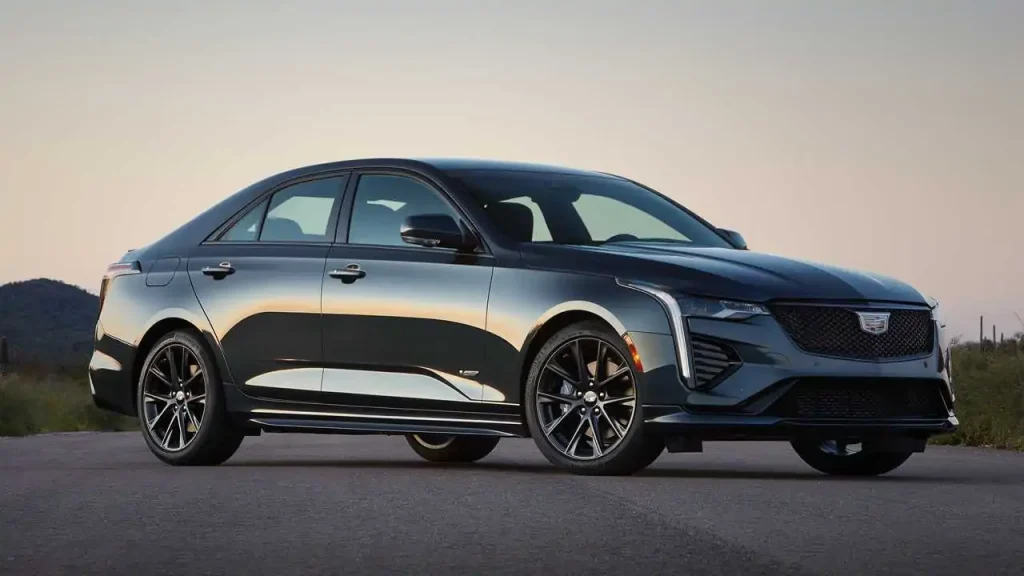
Worst Car: Cadillac CT4-V
The Cadillac CT4-V was a much easier choice for Brandon. Despite Cadillac’s ability to build excellent vehicles, the CT4-V felt unfinished beside its German and Japanese competitors, with a small infotainment screen, disappointing cabin materials, limited rear-seat space, uninspiring seats, a coarse four-cylinder engine, and lackluster acceleration. Some of its technology and braking characteristics also raised questions, especially when Cadillac had already demonstrated what it could do with vehicles such as the Escalade. The CT4-V simply didn’t feel like it received the same level of attention.
Choosing my favorite car of 2020 was difficult, but picking my least favorite was surprisingly easy: the Cadillac CT4-V. After 15 years covering the auto industry, I’ve watched Cadillac struggle to consistently match its German and Japanese competitors, and the CT4-V does little to change that story.
The questions start piling up almost immediately. Why is Super Cruise unavailable? Why is the digital gauge cluster missing? Why is the infotainment display so small, and why do the cabin materials feel so underwhelming? How does a sedan this large manage to have such a cramped back seat? Why are there redundant controls scattered across the dashboard? Why does the whole car shudder when its oversized four-cylinder engine fires up? Why is it slower to 60 mph than its rivals despite making more torque? And for a car wearing a V badge, why are the seats so uninspiring? Even the decision to reserve a manual transmission for the upcoming Blackwing rather than the regular V model is difficult to understand. Then there’s the brake-by-wire system, which does little to improve the driving experience.
There is some reason for optimism, however, and it comes in the form of the Escalade. It is an excellent vehicle and proof that Cadillac has the talent, engineering, and technology to build genuinely world-class products. The problem is consistency. Until Cadillac puts the same level of effort into its sedans that it puts into the Escalade, we’re likely to keep seeing vehicles like the CT4-V fall short of their potential.
Check out our first drive of the Cadillac CT4-V.
Jeff Perez, Senior Editor
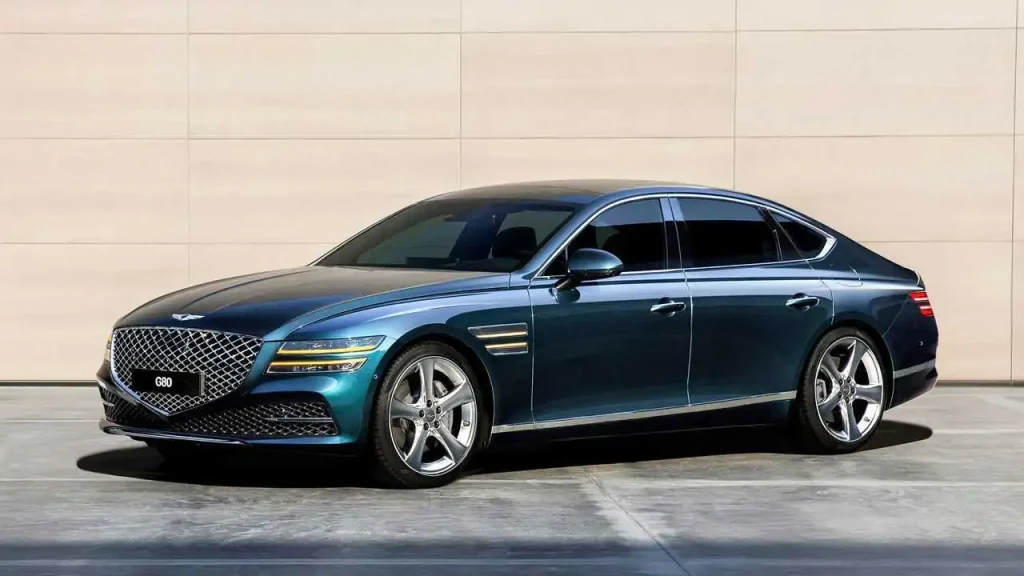
Best Car: Genesis G80
Of everything I drove this year, the new Genesis G80 stands out as one of the easiest favorites. Genesis may still be a young luxury brand, but its lineup has already established a reputation for delivering some of the strongest vehicles in their respective segments. The G70 earned North American Car of the Year honors in 2019, and now the G80 is a finalist for the same award. After spending time behind the wheel, it’s not hard to understand why.
Genesis absolutely nailed the G80’s design. The sedan adopts the split headlights and shield-shaped grille first introduced on the GV80 SUV, helping establish a distinctive new visual identity for the brand. Thanks to its elegant proportions, the G80 arguably wears that styling better than anything else in the lineup. The cabin is just as impressive, with a huge 14.5-inch touchscreen, Apple CarPlay and Android Auto, and an unusual 3D digital instrument cluster adding plenty of high-tech appeal.
The biggest surprise, though, is how genuinely luxurious the G80 feels from behind the wheel. This isn’t simply a more upscale Hyundai. The available 3.5-liter turbocharged V6 produces 375 horsepower with effortless authority, while the suspension and transmission deliver the smooth, composed character you’d expect from a much more established luxury marque. When I called the G80 “Rolls-Royce-esque” in my first drive, it wasn’t just a throwaway compliment—the car really is that polished. If money were no object, a well-equipped G80 would be an easy addition to my driveway.
Check out our first drive of the Genesis G80.
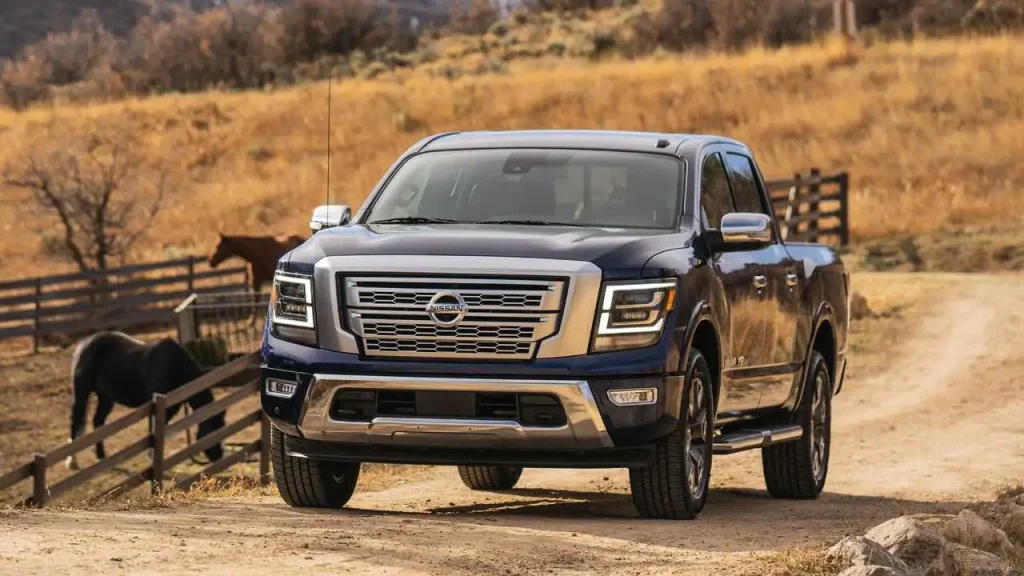
Worst Car: Nissan Titan
It feels a little unfair to put the Nissan Titan at the bottom of my list, especially considering how much I enjoyed one in the past. In 2017, when the Titan was still relatively fresh, I flew to Flagstaff and took an XD model through the Grand Canyon to put its overlanding capability to the test. I came away genuinely impressed by what the truck could do. Three years later, though, the full-size pickup segment had changed, and stronger options from Ford, Ram, and Chevrolet made the Titan feel considerably less compelling.
The SL I drove didn’t help its case. The cabin looked and felt cheaper than its rivals, while the feature list lacked equipment that had become commonplace elsewhere. The infotainment system was another weak point, and behind the wheel, the Titan simply wasn’t very engaging. The V8 remained a strong point, and there was plenty of room inside, but those qualities weren’t enough to make the Titan feel like a competitive choice in 2020. Hopefully, Nissan’s broader turnaround eventually brings a new-generation Titan capable of taking the fight back to the established leaders.
Check out our review of the Nissan Titan.
Brett T. Evans, Senior Editor
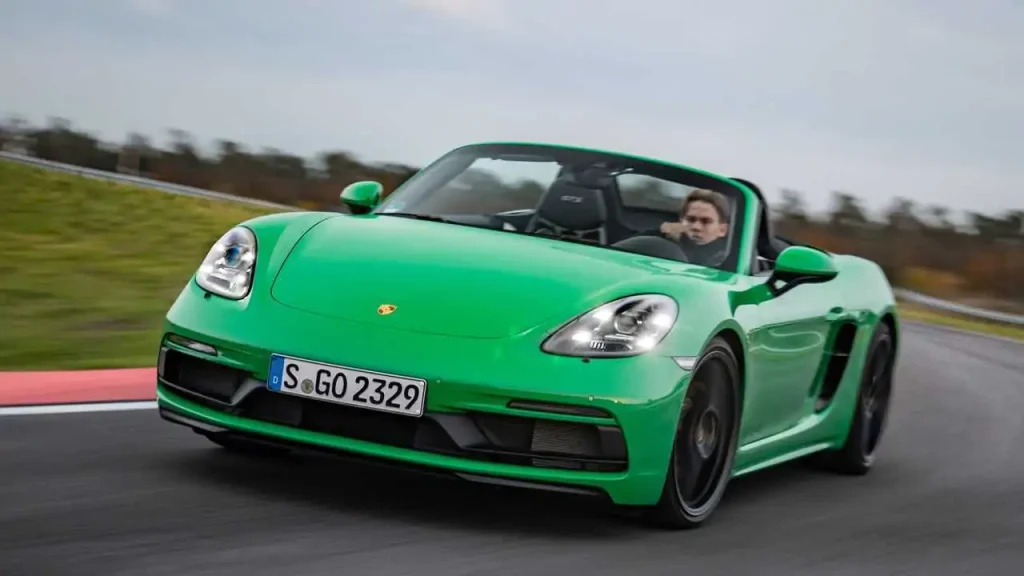
Best Car: Porsche 718 Boxster GTS 4.0
I’m not usually the biggest Porsche fan, but I was counting down the days to drive the 718 Boxster GTS 4.0 for 13 very good reasons: six cylinders, a six-speed manual transmission, and one gloriously simple soft-top roadster. At the time, the GTS 4.0 was the only naturally aspirated six-cylinder in the 718 lineup, sharing its engine with the Cayman GTS 4.0, Boxster Spyder, and Cayman GT4, while the regular Boxster, Boxster S, Cayman, and Cayman S relied on turbocharged four-cylinder engines. Better still, the 4.0-liter flat-six was only lightly detuned compared with the engine in the legendary 911 GT3, giving it the kind of high-revving character that practically demands to be pushed toward redline.
Naturally, I obliged. Strong low-end torque quickly gave way to that unmistakable Porsche howl as the revs climbed, and before long, driving the Boxster became downright addictive. The car is nimble, confidence-inspiring, and blessed with enough grip to make an average driver feel like they know what they’re doing. Taking it up Southern California’s Ortega Highway on a Sunday morning was about as close to a religious experience as you can get behind the wheel, which helped ease the guilt of skipping church for, ahem, several years. Every corner flowed naturally into the next, while each downshift brought a sharp, purposeful bark from the 4.0-liter engine and optional sport exhaust. The whole car kept every sense engaged. Heaven.
Check out our review of the Porsche 718 Boxster GTS 4.0.
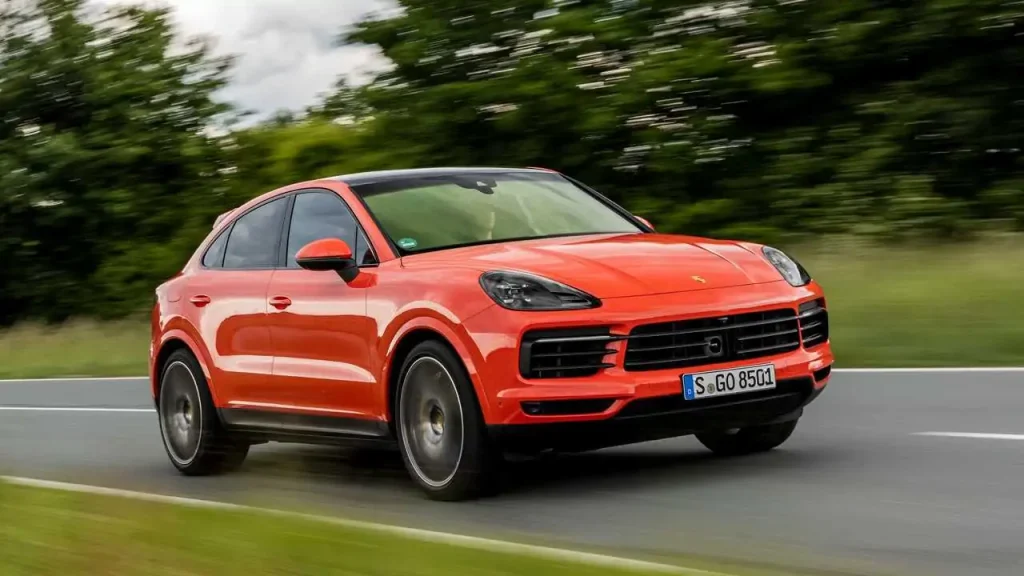
Worst Car: Porsche Cayenne Coupe
To be clear, the Porsche Cayenne Coupe isn’t a bad vehicle. It’s comfortable, luxurious, and finished with the kind of attention to detail you’d expect from Porsche. It also looks better than most of its fastback-SUV competition, with the X6 and GLE Coupe looking positively awkward next to the Porsche’s sleek, 911-inspired roofline. The chassis is another strong point, delivering flat, composed cornering and excellent body control. That’s what made the disappointment sting even more. As my parents might say, possibly while wondering why I skipped church to drive a Boxster, “I’m not mad, I’m just disappointed.”
What I remember most about the Cayenne Coupe, though, is its coarse, thrashy engine. On paper, the 3.0-liter turbocharged V6’s 335 horsepower and 332 pound-feet of torque should be plenty for a base Porsche. In practice, it was slow to build revs and accompanied by a gritty, uninspiring soundtrack that made the otherwise adequate acceleration feel strangely lifeless. A Porsche needs to deliver more than numbers; it needs to create an emotional connection. The base Cayenne Coupe failed to do that for me, particularly with an as-tested price of around $87,000. Now, a GTS or Turbo is a very different proposition.
Check out our first drive of the Porsche Cayenne Coupe.
Clint Simone, Associate Editor And Video Producer
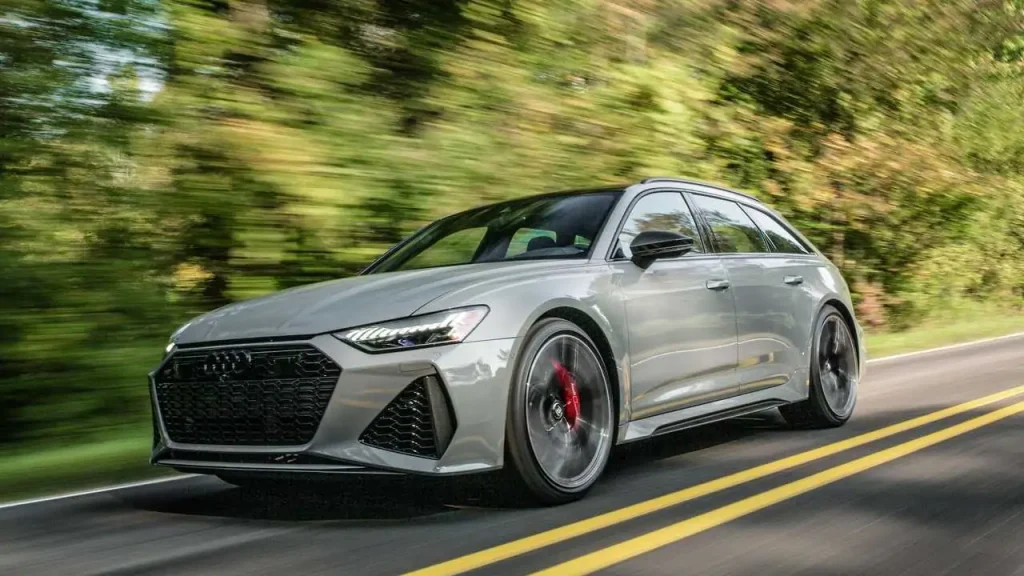
Best Car: Audi RS6 Avant
I know it isn’t the most surprising choice, but picking my favorite didn’t take long. Audi took a chance by finally bringing this car to the United States, and that decision deserves plenty of applause. The 2021 Audi RS 6 Avant delivered everything I hoped it would and then some. If I had to choose one car to drive every day for the rest of my life, this would be it. I absolutely adore this thing.
The one criticism is that the RS 6 can feel almost too calculated. Steering and chassis feedback aren’t especially vivid, so there’s a certain distance between the driver and the car. But none of that changes how brutally capable it is. In a straight line or through fast, sweeping corners, the RS 6 digs in with all four Quattro-driven wheels and simply rockets forward. It’s addictive. Then, once the fun is over, you look in the rearview mirror and remember there’s still enough room for the family and all their luggage. Fast wagons are the best kind of practical car, and the RS 6 makes a compelling case for being the best of them all.
Check out our first drive of the Audi RS6 Avant.
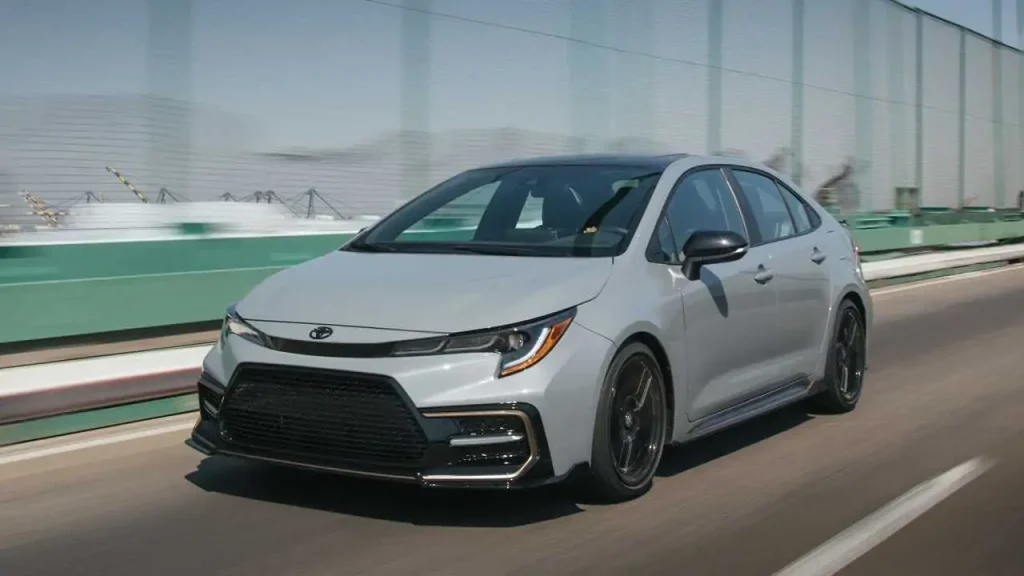
Worst Car: Toyota Corolla Apex Edition
The Toyota Corolla Apex is especially frustrating because it had nearly everything you could want in an affordable performance car. It was reasonably priced, limited in production, and promised more excitement behind the wheel—at least according to the spec sheet. That made the disappointment even greater when I finally drove it. Toyota had the right idea, but the execution fell well short of the car’s potential.