These two advanced driver-assistance systems take very different approaches to making highway driving easier.
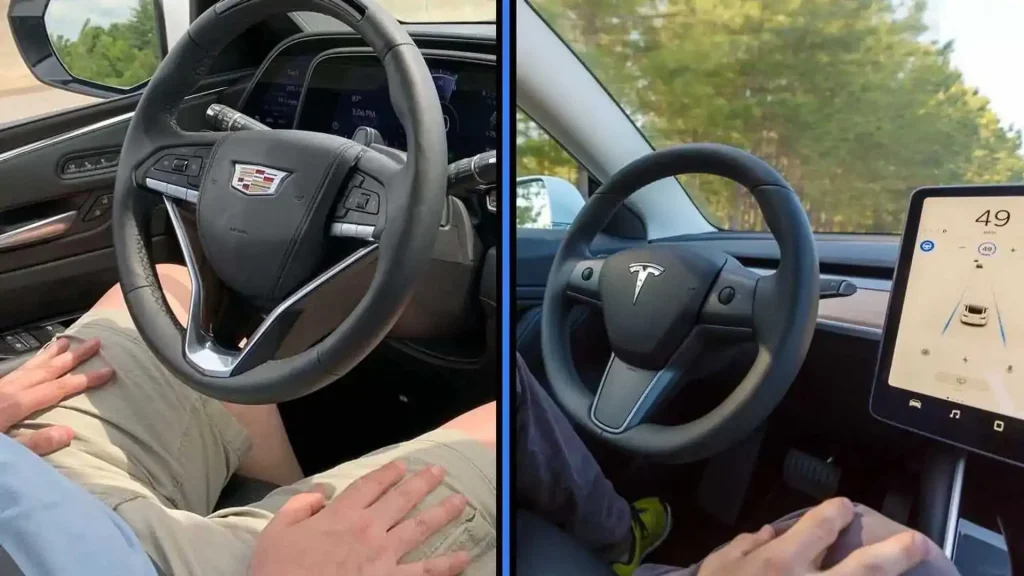
In the advanced driver-assistance arena, General Motors and Tesla have two of the most established systems on the market: Super Cruise and Autopilot. Despite serving a similar purpose, the two technologies take noticeably different approaches, much like the divide between Apple’s iOS and Google’s Android.
I’m firmly in the Apple camp and have never even owned an Android phone. I also drive a Tesla Model 3 equipped with Autopilot. Still, I was willing to cross over and try GM’s latest Super Cruise system in a 2021 Cadillac Escalade. After spending a week and more than 1,000 miles behind the wheel, I came away with one clear impression: GM and Tesla have very different ideas about what driver assistance should accomplish.
The Competitors
GM loaned me a 2021 Cadillac Escalade 4WD Sport Platinum for a week, giving me the perfect opportunity to plan a road trip packed with highway miles. The range-topping trim started at $102,995, plus a $1,259 destination charge, while Super Cruise added another $2,500 to the price. There’s also an ongoing cost to consider: The system includes a three-year subscription, after which it costs $25 per month.
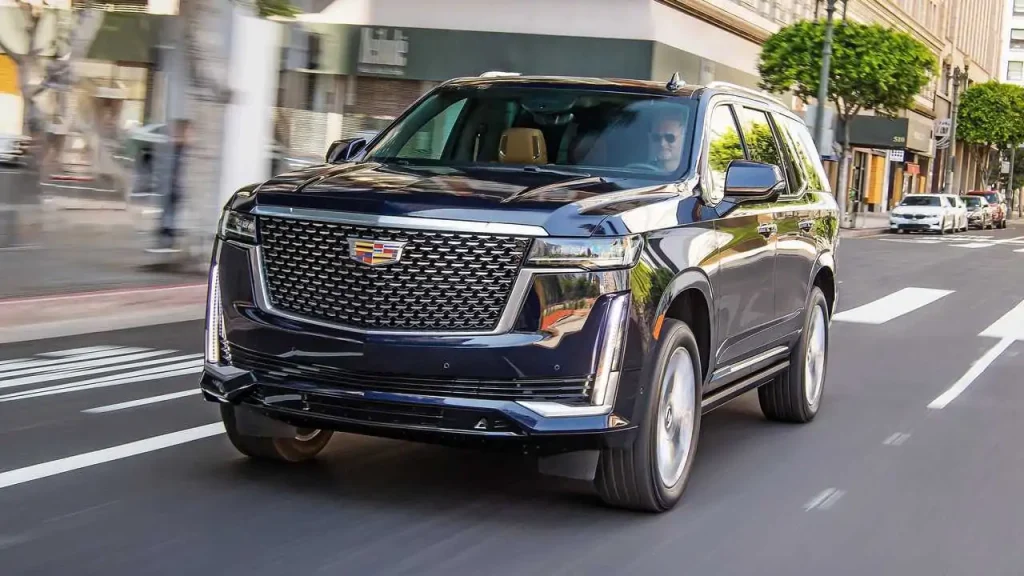
Since its debut in late 2017, Super Cruise has remained limited to a relatively small number of General Motors vehicles. The system first appeared on the now-discontinued Cadillac CT6 before expanding to the Chevrolet Bolt EUV, Cadillac Escalade, CT4, and CT5, as well as the Chevrolet Silverado and GMC Sierra for the 2022 model year. At the time of writing, however, the Bolt EUV was the only GM vehicle available with Super Cruise. The automaker had removed the feature from the Escalade for the remainder of the 2022 model year, while availability on the other models had yet to begin.
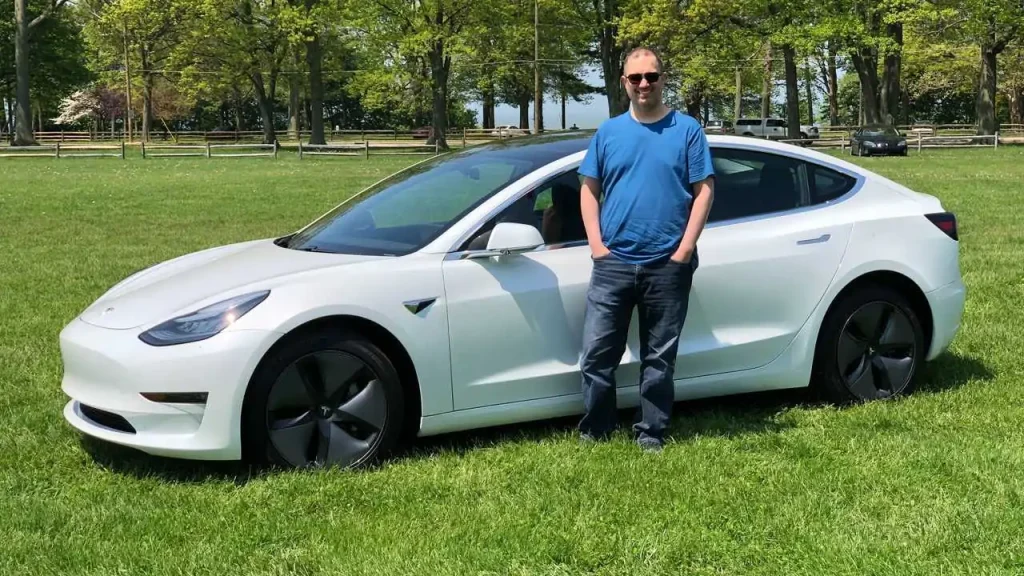
For context, my Tesla is a 2019 Model 3 Long Range equipped with dual motors and all-wheel drive. Like every Tesla, it comes standard with Autopilot, which allows the car to steer, accelerate, and brake automatically in response to other vehicles and pedestrians. Think of it as a more basic version of Super Cruise: it offers most of the same capabilities but lacks the ability to execute a driver-commanded automatic lane change.
I also paid an extra $7,000 for Tesla’s Full Self-Driving (FSD) package when I bought my Model 3. At the time of writing, the upfront cost had risen to $10,000 when purchased with a new vehicle, with Tesla also preparing to offer the system through a $199 monthly subscription.
FSD is separate from standard Autopilot and includes Navigate on Autopilot, which allows the Model 3 to follow a highway navigation route, automatically enter and exit highways, and change lanes to pass slower traffic without driver input. The package offers additional capabilities, along with Tesla’s long-standing promise of a system that can drive from point A to point B in virtually any road or driving conditions. That vision, however, remains unrealized.
For this comparison, the focus is strictly on Super Cruise versus standard Autopilot, rather than Tesla’s Full Self-Driving package.
The Technology Behind the Systems
GM and Tesla take different approaches to equipping their driver-assistance systems, relying on distinct combinations of technology to help their vehicles navigate the road.
Super Cruise combines detailed mapping data collected by specially equipped vehicles using highly sensitive LiDAR sensors with onboard hardware that monitors the surroundings in real time. Cameras, radar sensors, and GPS equipment work together to help the system understand the vehicle’s environment and operate safely within its capabilities.
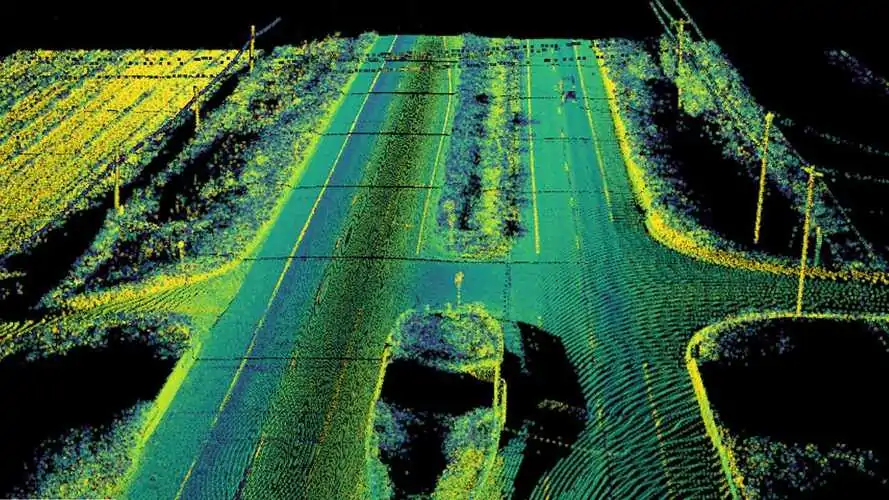
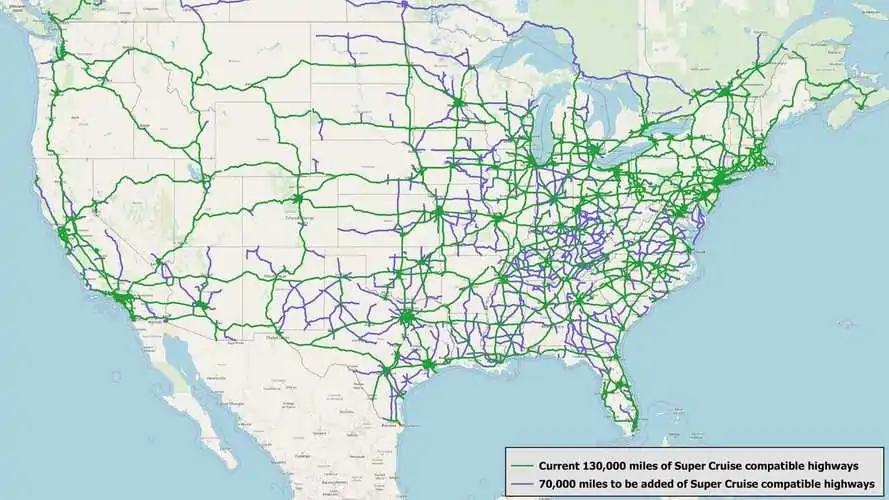
Super Cruise only operates on highways that GM has previously mapped using LiDAR technology. Once the vehicle is on an approved road, the system compares the stored map data with information gathered by its onboard sensors to determine how to respond. If the two sources of information conflict and the system cannot confidently resolve the discrepancy, it may prompt the driver to take control.
Tesla takes a different approach, relying on its vehicles to interpret road conditions in real time rather than depending on pre-mapped routes. The system evaluates each situation based on what the car’s sensors detect at that moment. Tesla vehicles initially used both cameras and radar sensors, but the automaker eventually moved away from radar, opting to rely on cameras alone in pursuit of better, faster results.
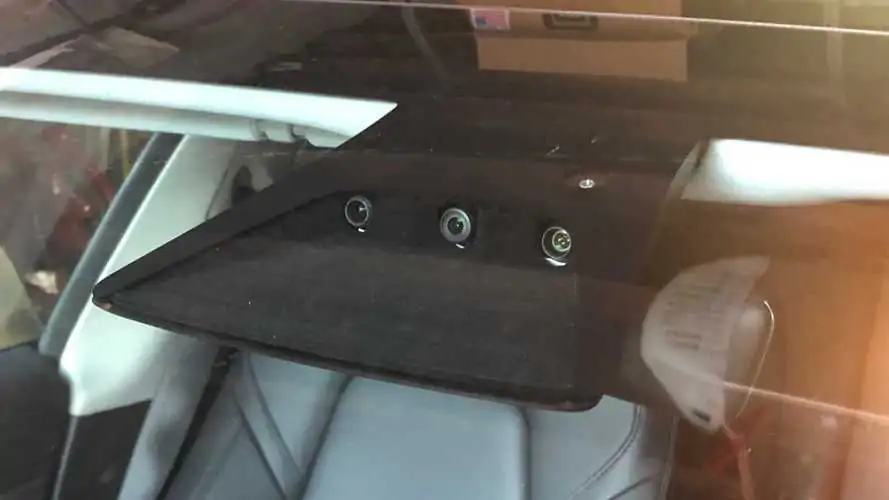
Unlike Super Cruise, Tesla’s Autopilot benefits from a fleet-wide learning process. When Autopilot is engaged, the vehicle can collect driving data that is shared with Tesla to help improve its driver-assistance software. Information gathered from millions of vehicles helps train the company’s neural networks, with software improvements distributed to compatible cars through regular over-the-air updates.
Super Cruise also improves over time, although GM takes a different approach. The automaker has expanded its network of compatible highways by tens of thousands of miles, bringing the total to somewhere between 200,000 and 300,000 miles of roads. GM also updated the system’s hardware in 2021 to support automatic lane changes, alongside software enhancements that introduced further improvements.
Activating the Systems
Getting Super Cruise or Autopilot up and running is relatively simple, although one system makes the process a little easier than the other.
To activate Super Cruise, you first need to switch on adaptive cruise control. Then, check the instrument display directly ahead of you for a green steering wheel icon. If your Escalade is equipped with a head-up display, the icon will appear there as well. When the indicator lights up, it means you’re traveling on a road approved for Super Cruise use.
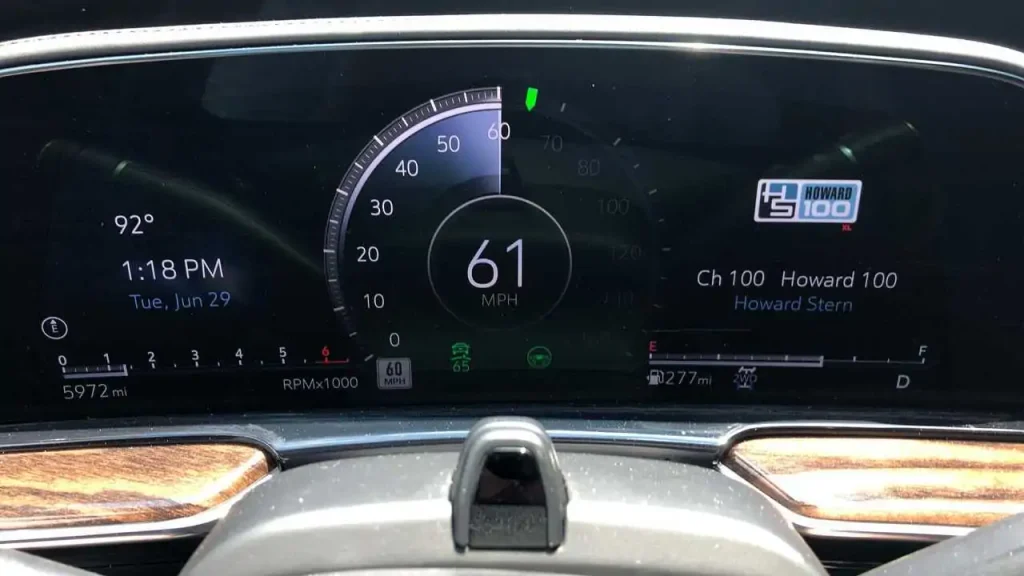
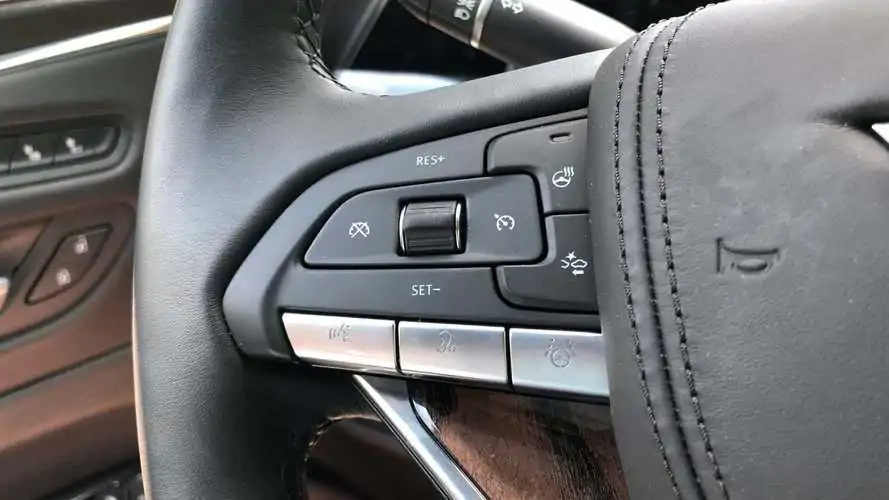
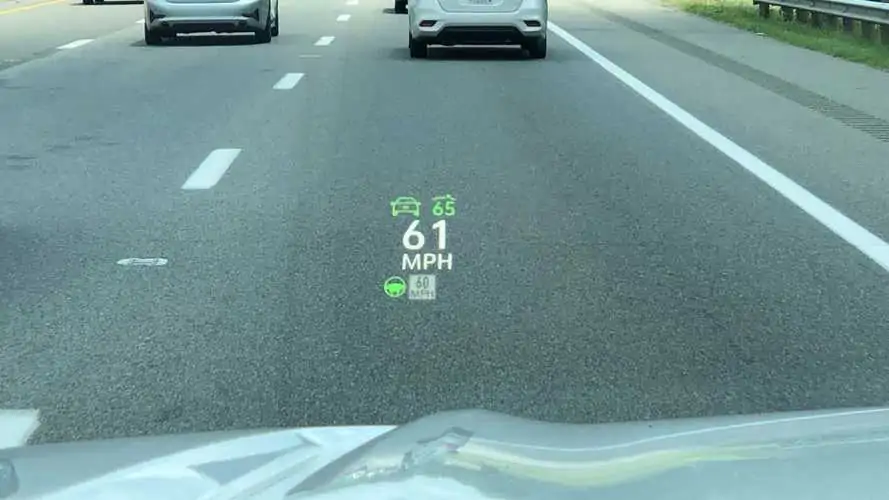
To activate Super Cruise, press the dedicated button on the left side of the steering wheel. The process requires two button presses and a quick glance at the display to confirm the system is ready. To switch it off, simply tap the brakes or press the Super Cruise button again.
Activating Autopilot is even more straightforward. Pull down twice on the stalk to the right of the steering wheel, and the system will engage with a distinctive chime if conditions allow. Because Autopilot can operate on a wider range of roads, it will begin following the lane once activated. If it cannot engage, perhaps because it cannot identify the lane markings, it will sound a different chime and remain inactive. As with Super Cruise, you can disengage Autopilot by tapping the brakes or pushing the same stalk upward once.
Once activated, Super Cruise provides limited feedback beyond an indicator showing that the system is engaged and the speed set for adaptive cruise control. Tesla’s Autopilot, by contrast, dedicates roughly a third of its large 15-inch touchscreen to a live visualization of the vehicle’s surroundings.
The display presents a simulated third-person view from behind the car, showing its current lane, neighboring lanes, the road ahead, and a small area behind the vehicle. Autopilot also uses animations to represent the objects its cameras detect, including cars, SUVs, semi-trucks, traffic lights, stop signs, and even garbage cans.
This real-time visualization is particularly valuable because it lets me see what Autopilot is detecting as I drive. Being able to understand what the system sees gives me greater confidence in its decisions than driver-assistance systems that provide little insight into how they’re interpreting the road.
Real-World Performance
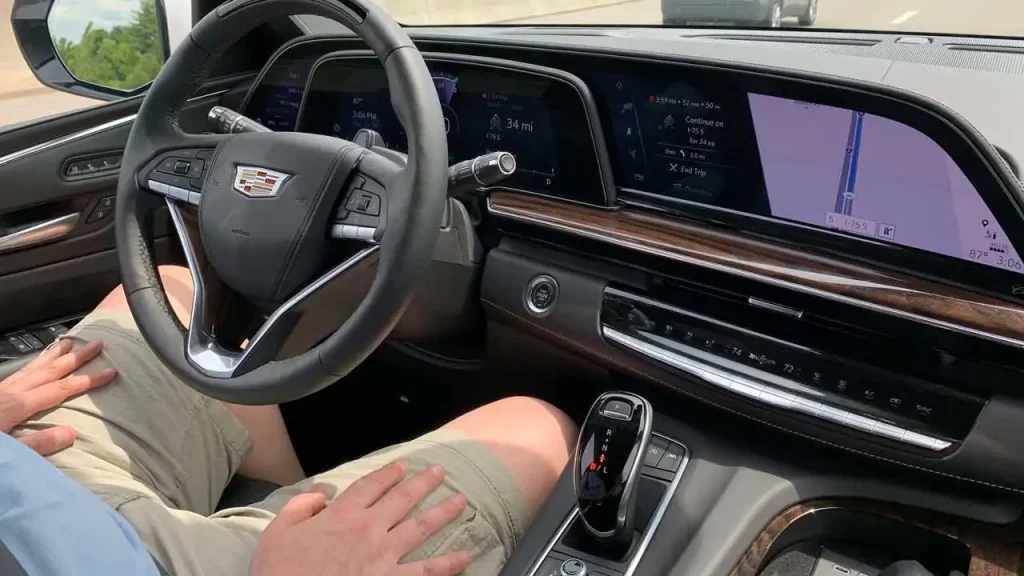
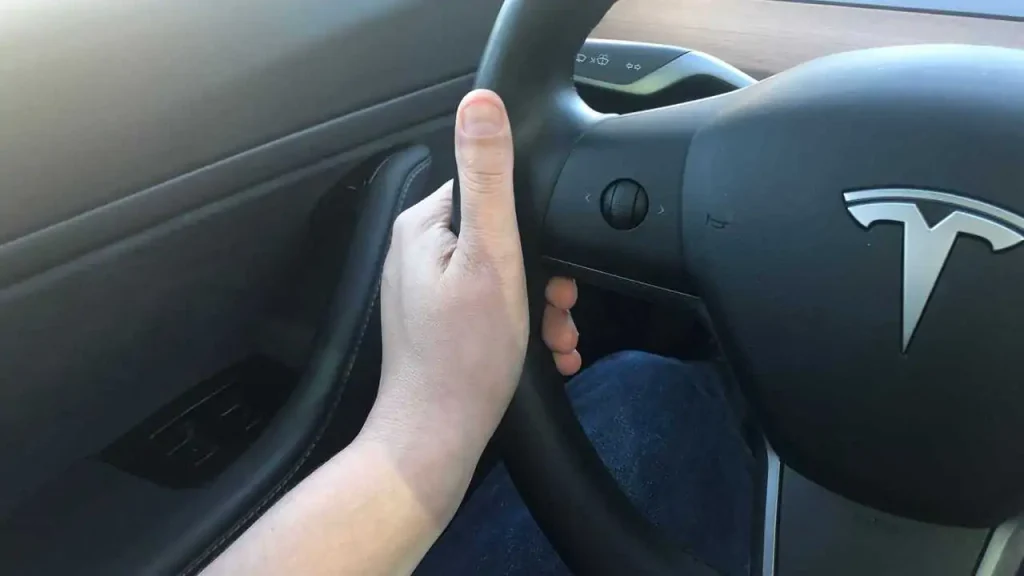
As a Tesla owner, I can honestly say that Super Cruise performs just as well as Autopilot when it comes to hands-free highway driving. Tesla requires drivers to keep at least one hand on the steering wheel while Autopilot is engaged, so I was curious about how comfortable I’d feel taking both hands off the wheel with Super Cruise. Within minutes of trying it, however, I felt at ease, and driving hands-free quickly became second nature.
In roughly 85 percent of the highway situations I encountered, the two systems performed almost identically. The remaining 15 percent revealed minor differences, with one system occasionally handling a situation more smoothly or predictably than the other.
For example, Super Cruise handles the transition from a two-lane highway to a three-lane highway particularly well, maintaining its position without hesitation. Autopilot, on the other hand, sometimes struggles with the change, briefly drifting as it determines whether to follow the existing lane or adjust to the new one.
As a Tesla owner, I can honestly say that Super Cruise is every bit as capable as Autopilot.
Super Cruise tends to wander within its lane more than Autopilot. While it doesn’t bounce from one side of the lane to the other like some less sophisticated driver-assistance systems, it seems to allow more room for the vehicle to move away from the center. In my experience, Autopilot does a better job of maintaining a centered position and delivers a more natural steering feel.
I also drove the Escalade in heavy rain, and Super Cruise performed just as well as Autopilot in those conditions. Both systems continued operating in downpours heavier than I was comfortable with, although drivers should never rely on either system beyond what conditions safely allow.
When it comes to automatic lane changes, Super Cruise is equally capable. Activate the turn signal, and the system waits for a suitable opening before moving into the adjacent lane smoothly and confidently. The key difference is that Tesla’s Full Self-Driving system can initiate lane changes and overtake slower vehicles automatically, without requiring the driver to activate the turn signal. Super Cruise doesn’t offer that capability.
Autopilot occasionally disengages unexpectedly, but it happens far less often than with Super Cruise, which tends to switch off much more frequently.
What happens when either system disengages unexpectedly? Autopilot occasionally switches off without warning, but in my experience, it happens far less frequently than with Super Cruise, which tends to disengage much more often. This difference reflects the contrasting philosophies of a younger, faster-moving company and a more established, risk-conscious automaker. Tesla appears more willing to let Autopilot handle situations in real time, with the driver ready to intervene, while GM takes a more conservative approach, handing control back to the driver in a wider range of circumstances.
Super Cruise also has a significant limitation: it only works on mapped highways. Although more than 200,000 miles of compatible roads sounds impressive, the network can be surprisingly restrictive in practice. GM provides a map of eligible highways, and in many northwestern states, the selection is limited to just one highway.
Even on an approved route, Super Cruise can become unavailable temporarily for no obvious reason. We encountered this while driving near major cities, where the system would sometimes disengage on the outskirts, only to work normally again as we approached the city center and continued within city limits.
Driver Monitoring: Who’s Watching Whom?
Both GM and Tesla have systems designed to ensure drivers remain attentive and ready to take control when necessary. However, they use different methods to monitor driver engagement. GM relies on a camera mounted above the steering column to track the driver’s eyes, while Tesla uses a steering-wheel torque sensor to check for hands-on engagement.
In short, GM monitors your eyes, while Tesla primarily checks your hands. There’s been plenty of debate over which approach is better, so here’s my take on the strengths and weaknesses of each.