
From legendary muscle cars and exotic supercars to groundbreaking sports cars, these are the ten vehicles that left the biggest mark on the automotive world. Did your favorite make the list?
Few decades were as transformative for the automotive world as the 1970s. The decade opened with American automakers still building enormous engines and increasingly powerful muscle cars, but that formula wouldn’t last. The 1973 oil crisis sent fuel prices soaring, emissions regulations became tougher, and buyers began looking for smaller, more efficient vehicles.
That doesn’t mean the decade was short on exciting cars. Quite the opposite. The 1970s produced some of the most recognizable performance cars ever built, while European and Japanese manufacturers gained a stronger foothold in markets previously dominated by Detroit.
From big-block Chevelles to lightweight Datsuns and turbocharged Porsches, these are 10 cars that capture the character of the 1970s. They’re presented chronologically rather than ranked, because comparing a Cadillac luxury coupe with a Porsche 911 Turbo isn’t exactly an apples-to-apples exercise.
Table of Contents
1970 Ford Mustang Boss 302
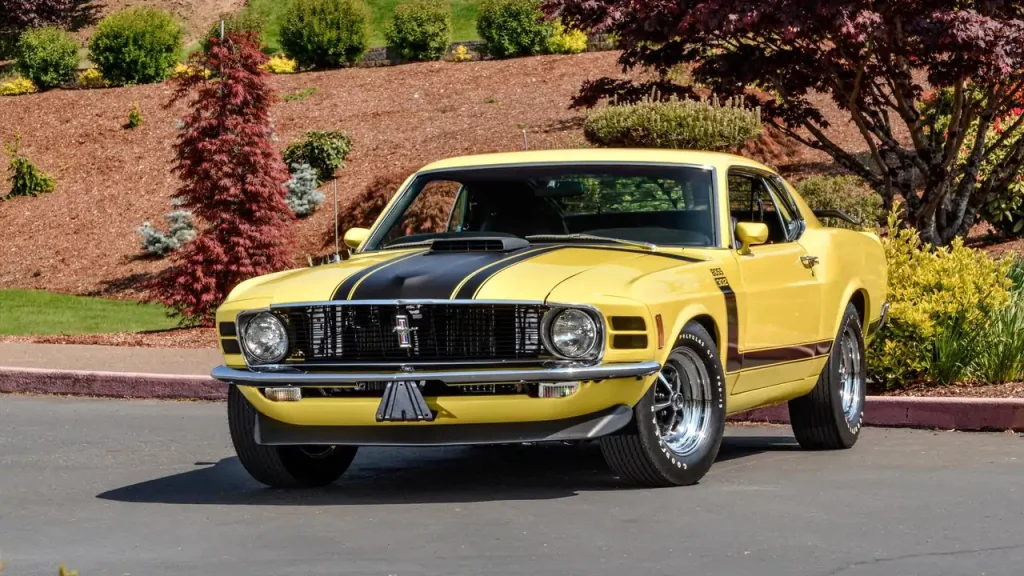
The Mustang Boss 302 was created with competition in mind. Ford developed the car to compete in the SCCA Trans-Am racing series, and the lessons learned from motorsport helped make the street version considerably more capable than an ordinary Mustang.
The 302-cubic-inch V8 gave the Boss plenty of punch, but outright acceleration wasn’t its only strength. Ford also concentrated on suspension, braking, and handling, giving the car the ability to attack corners with considerably more confidence than many contemporary muscle cars.
That combination made the Boss 302 one of the defining performance Mustangs of the era. It proved that a muscle car didn’t have to be exclusively about horsepower and straight-line acceleration.
1970 Dodge Challenger
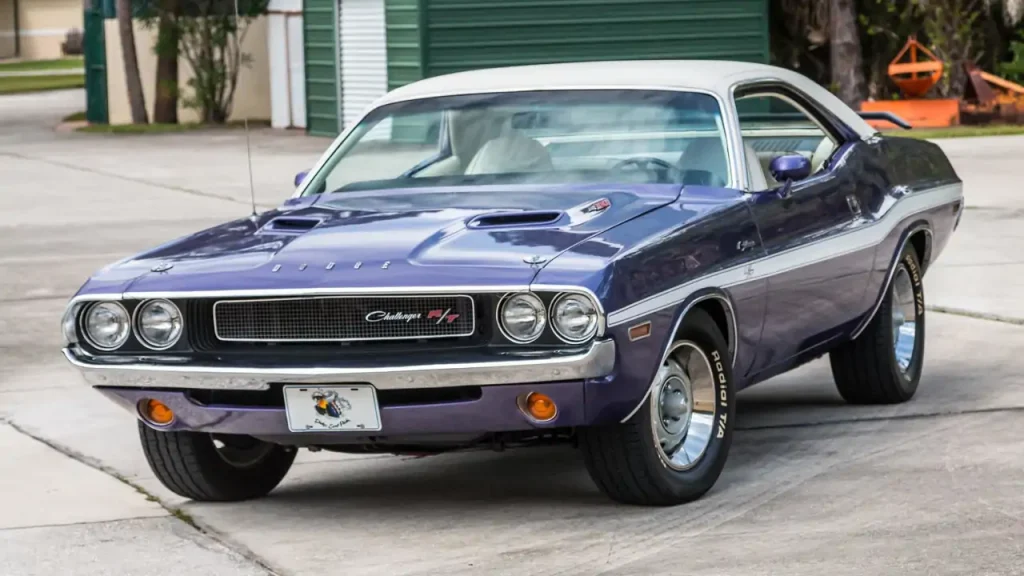
The Dodge Challenger arrived at precisely the right time for anyone who wanted a traditional American muscle car. Its dramatic styling, long hood, short deck, and broad selection of engines made it one of the most desirable cars of the era.
There were plenty of ways to configure a Challenger, but the R/T is particularly hard to ignore. Add a 440-cubic-inch V8, Six Pack induction, and a four-speed manual transmission, and the Challenger became a serious performance machine.
Bright colors such as Plum Crazy only added to the appeal. The Challenger represented everything that made early-’70s American muscle cars so outrageous—and it arrived just before the market changed dramatically.
1970 Chevrolet Chevelle SS
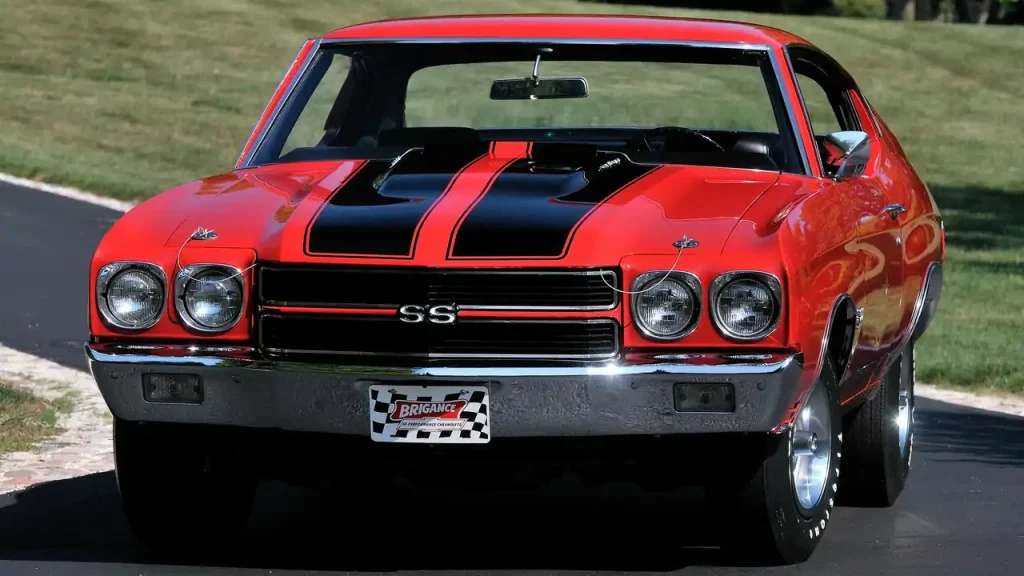
The Chevrolet Chevelle was available in numerous forms, but the SS transformed it from family transportation into a genuine muscle car.
At the top of the range, the available 454-cubic-inch big-block V8 gave the Chevelle enormous performance potential. Its relatively large body and rear-wheel-drive layout also made it perfectly suited to the American muscle-car formula.
The Chevelle SS became a familiar sight on drag strips and streets across the country. Today, its combination of imposing proportions and big-block power makes it one of the most recognizable muscle cars of the period.
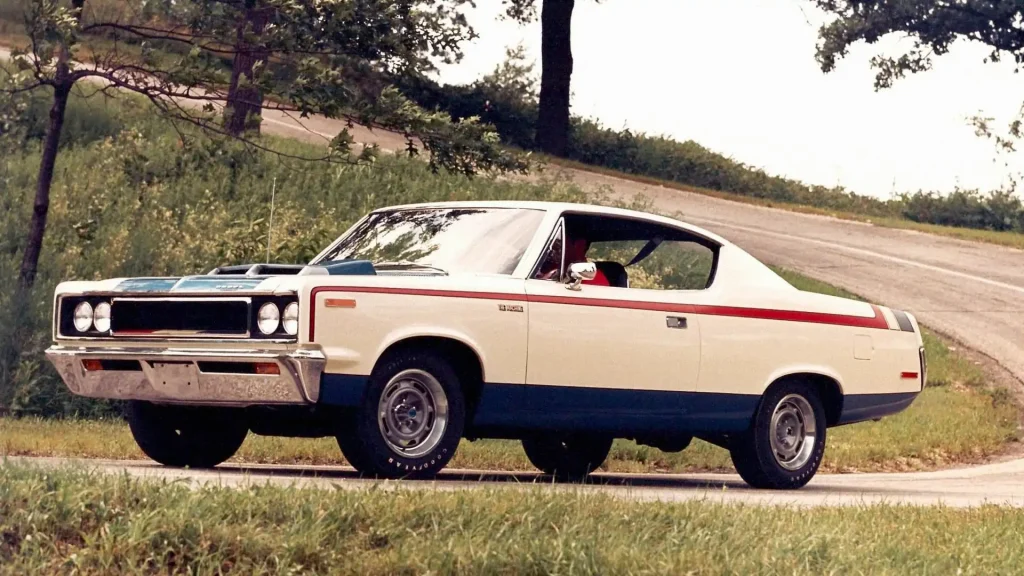
1970 AMC Rebel The Machine
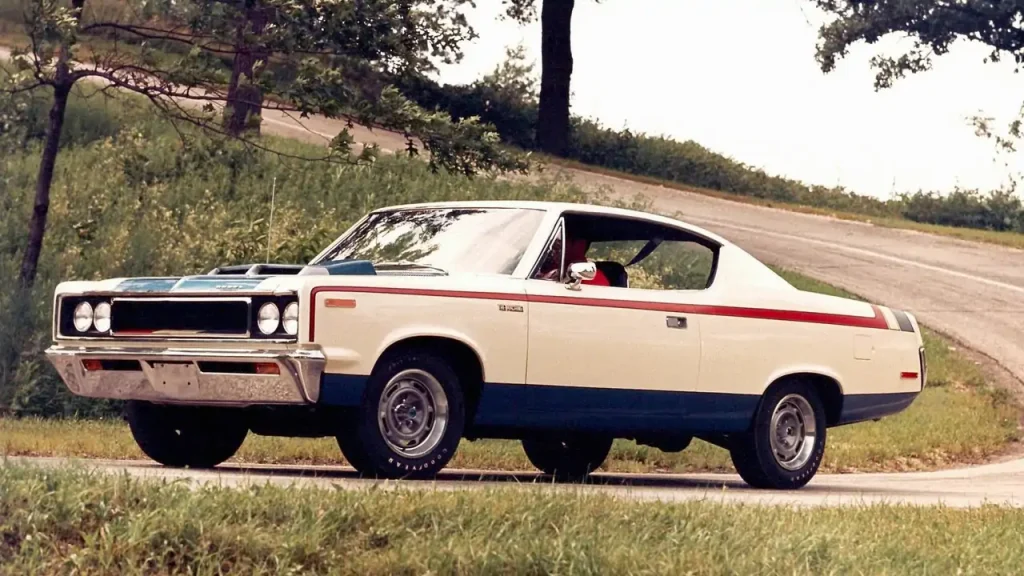
AMC didn’t have the resources of Chevrolet, Ford, or Chrysler, but that didn’t stop the company from building some memorable performance cars. The Rebel The Machine was perhaps the clearest example.
Under the hood sat a 390-cubic-inch V8 producing 340 horsepower. At the time, that made The Machine the most powerful production car AMC had ever built.
Its aggressive graphics and distinctive appearance also separated it from the more familiar muscle cars coming from Detroit’s largest manufacturers. It was unconventional, unapologetically loud, and exactly the sort of car that made AMC interesting during the golden age of American performance.
1971 Datsun 240Z
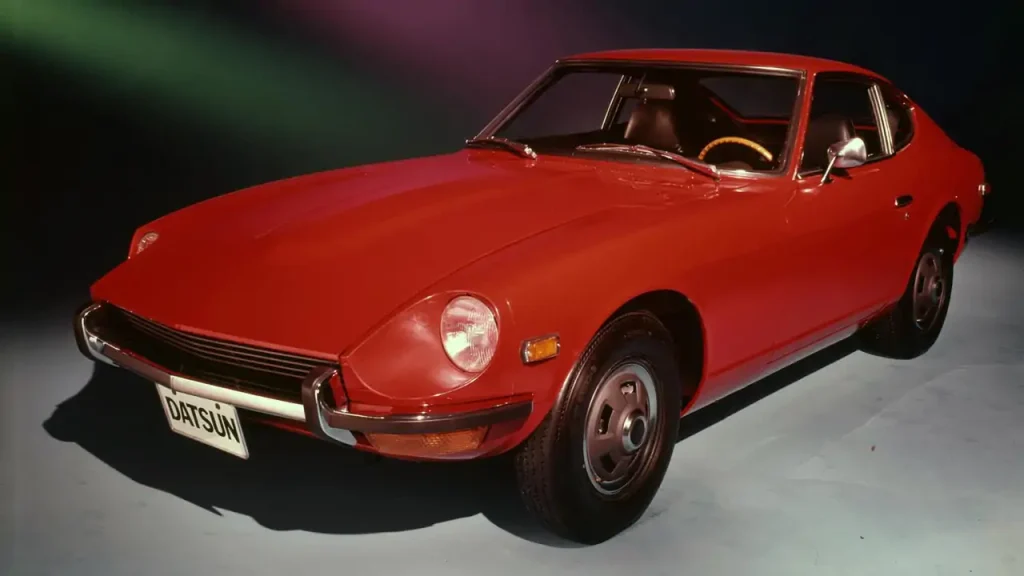
The Datsun 240Z represented a very different approach to performance. Instead of relying on a massive V8, Datsun created a relatively lightweight sports car with attractive styling, a six-cylinder engine, and a more accessible price.
The result was an immediate hit with enthusiasts. The 240Z offered enough performance to be entertaining without demanding the fuel consumption or purchase price associated with many American muscle cars.
Its success also demonstrated that Japanese automakers could compete seriously in the sports-car market. The 240Z became one of the most influential Japanese performance cars of its generation and helped establish a foundation for the Z-car lineage that continues today.
1972 Plymouth Road Runner
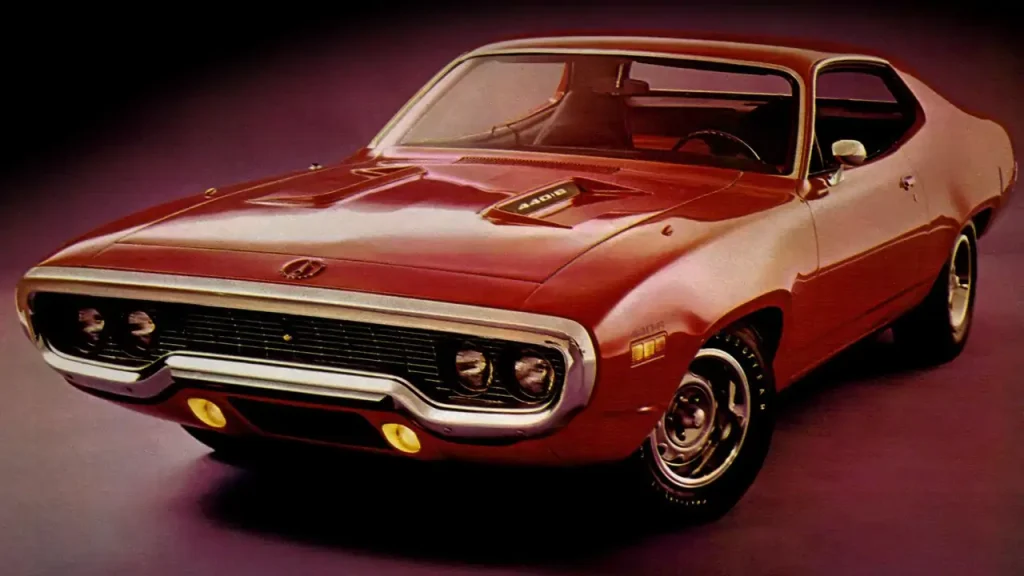
The Plymouth Road Runner was built around a simple idea: deliver serious performance without unnecessary luxury or complication.
That formula made it one of the most entertaining muscle cars of the era. It was quick, relatively straightforward, and deliberately focused on performance rather than refinement.
Its timing is also important. The 1972 model arrived just before the oil crisis of 1973 changed the automotive landscape. As manufacturers began reducing engine output and moving toward more economical vehicles, cars like the Road Runner increasingly represented the end of an era.
1974 BMW 2002tii
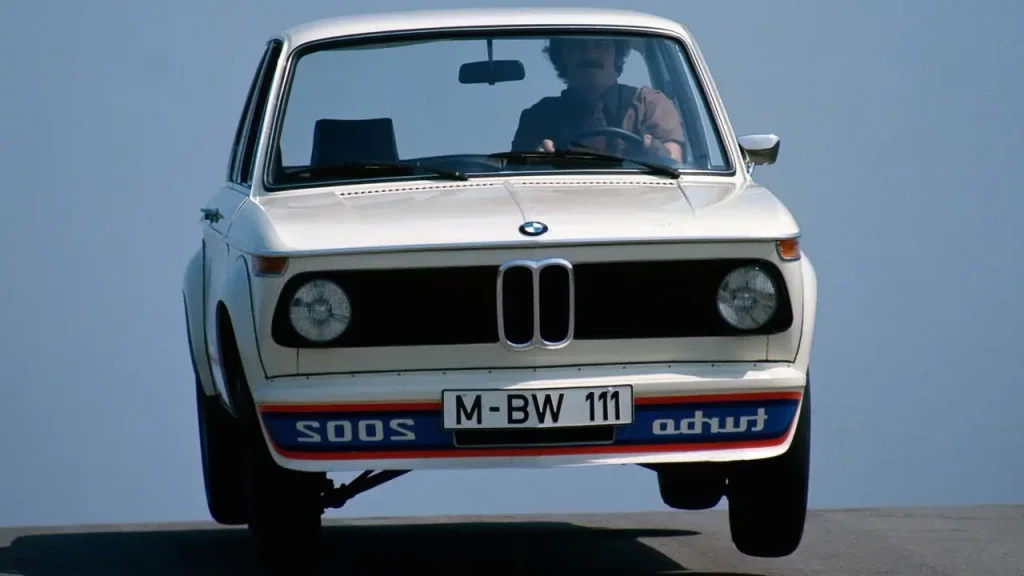
The BMW 2002 helped establish the formula that would eventually make the company’s compact performance cars famous. It was smaller and more restrained than an American muscle car, but its lightweight construction and responsive chassis gave it plenty of personality.
The 2002tii added fuel injection and produced 140 horsepower. That might not sound impressive by modern standards, but in a lightweight compact car it was enough to create an engaging driving experience.
More importantly, the 2002 demonstrated that performance didn’t have to come from a giant engine. Its combination of size, balance, and driving dynamics foreshadowed the philosophy that would later produce cars such as the BMW M3.
1977 Cadillac Coupe DeVille
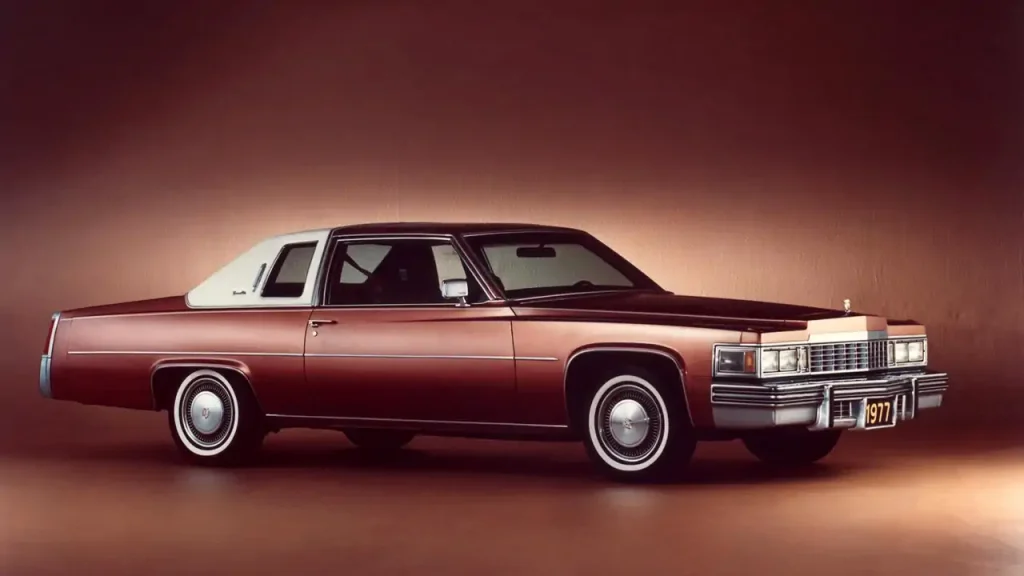 Not every memorable car from the 1970s needed to be fast. Cadillac’s Coupe DeVille represented the other side of the American automotive experience: enormous dimensions, abundant comfort, and a ride designed to isolate occupants from the road.
By 1977, the era of unrestricted American performance was already fading. Cadillac was adapting to changing regulations and market conditions, but the Coupe DeVille remained a rolling symbol of traditional American luxury.
Its enormous proportions and plush interior made it feel less like transportation and more like a private lounge on wheels. For buyers who valued comfort above cornering ability, few cars of the period could match it.
1978 Porsche 911 Turbo
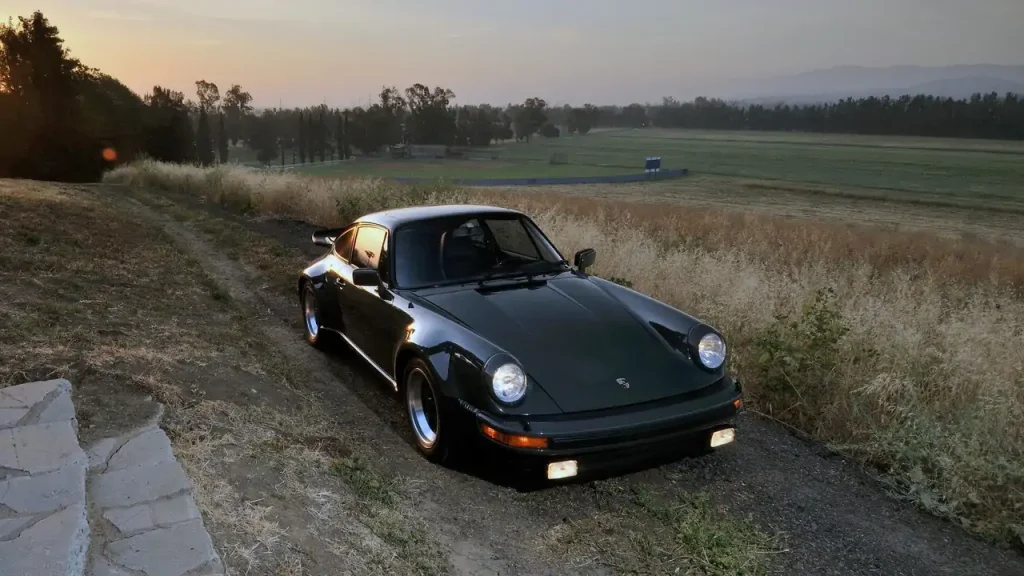
The Porsche 911 Turbo brought an entirely different kind of performance to the 1970s. Its rear-mounted engine layout was already unusual, and adding a turbocharger made the car even more demanding to drive quickly.
Turbo lag could produce a sudden surge of power once the boost arrived, while the rear-heavy weight distribution required an experienced driver to extract the car’s full potential. That combination eventually contributed to the 911 Turbo’s infamous “Widowmaker” nickname.
Yet the same characteristics that made the car intimidating also made it unforgettable. The 911 Turbo established a performance formula that would become central to Porsche’s identity for decades.
1979 Chevrolet Camaro Z28
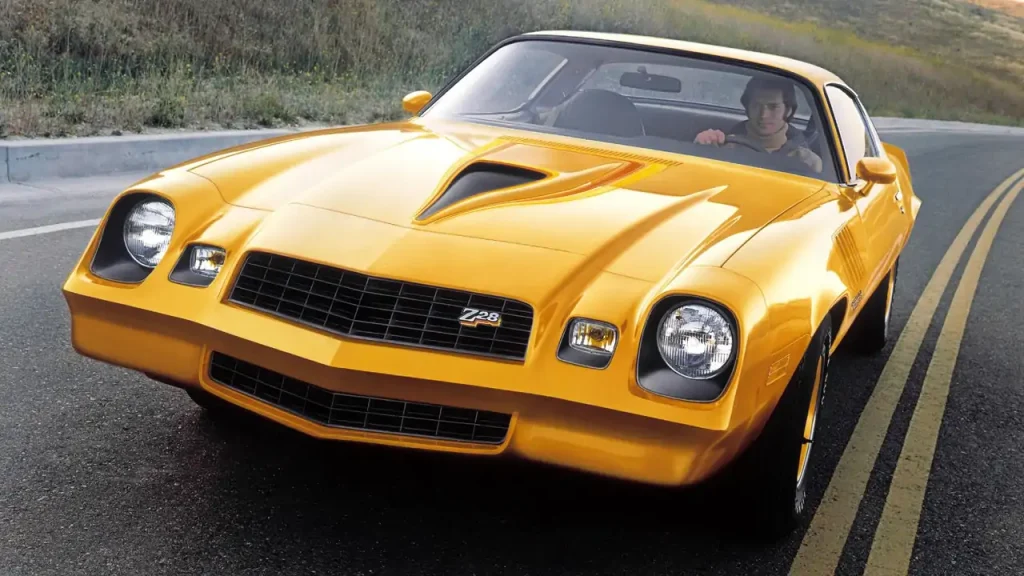
By the end of the decade, the American muscle-car landscape looked very different from what it had been in 1970. Power outputs had fallen, emissions regulations had tightened, and fuel economy had become a much bigger concern.
The 1979 Camaro Z28 nevertheless remained an important performance model. Its biggest appeal wasn’t necessarily raw acceleration but its unmistakable appearance. Bold graphics, dramatic wheels, and aggressive styling gave the Z28 plenty of road presence.
In many ways, it previewed the performance cars of the 1980s, when styling, graphics, and image would become increasingly important parts of the muscle-car formula.
A Decade That Changed Cars Forever
The 1970s weren’t simply a transition between two eras. They were a decade in which the automotive industry was forced to rethink what a performance car could be.
At the beginning of the decade, enormous engines and tire-smoking acceleration dominated the conversation. By the end, lighter sports cars, fuel injection, turbocharging, and improved efficiency were becoming increasingly important.
That’s what makes this group so interesting. The Boss 302, Challenger, Chevelle SS, and Rebel The Machine represent the final days of traditional American muscle. The Datsun 240Z and BMW 2002 showed the growing appeal of smaller, lighter performance cars, while the Porsche 911 Turbo pointed toward the high-performance technology that would define the following decades.
The 1970s may have ended the muscle-car golden age, but it also laid the groundwork for much of what enthusiasts would love about cars in the decades that followed.