
From sports cars to SUVs, these vehicles have more staying power than you might expect.
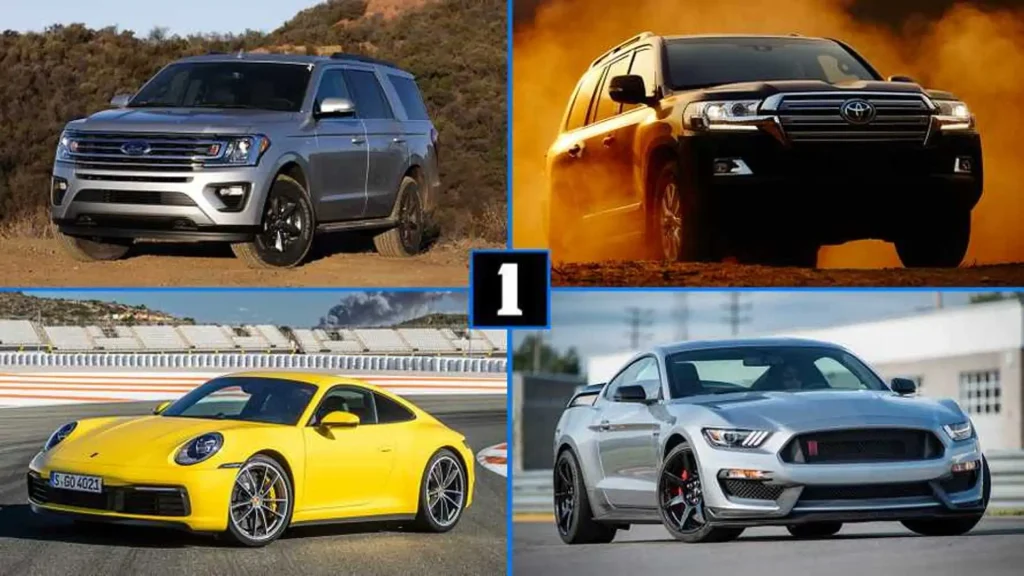
Buying a new car is a major financial commitment, and most owners expect to get plenty of use out of it before moving on. Some drivers trade in every few years for the latest technology, while others keep their cars until repairs become too expensive or their needs change. Reliability, maintenance costs, mileage, practicality, and even emotional attachment can all determine how long a vehicle stays in the driveway.
A 2019 study from iSeeCars.com looked at millions of used-car transactions to find out which models owners are most likely to keep for the long haul. The study found that the average vehicle stays with its original owner for about 8.4 years. The 10 models at the top of the ranking all exceed that figure, with some remaining with their original owners for more than 11 years.
What’s particularly interesting is the variety. This isn’t simply a list of reliable family sedans. Sports cars make up half of the top 10, while rugged SUVs account for much of the rest. That suggests there are different reasons people hold onto cars for a long time. Some are simply dependable and practical, while others are special enough that owners aren’t eager to replace them.
Table of Contents
Toyota Avalon — 9.7 Years
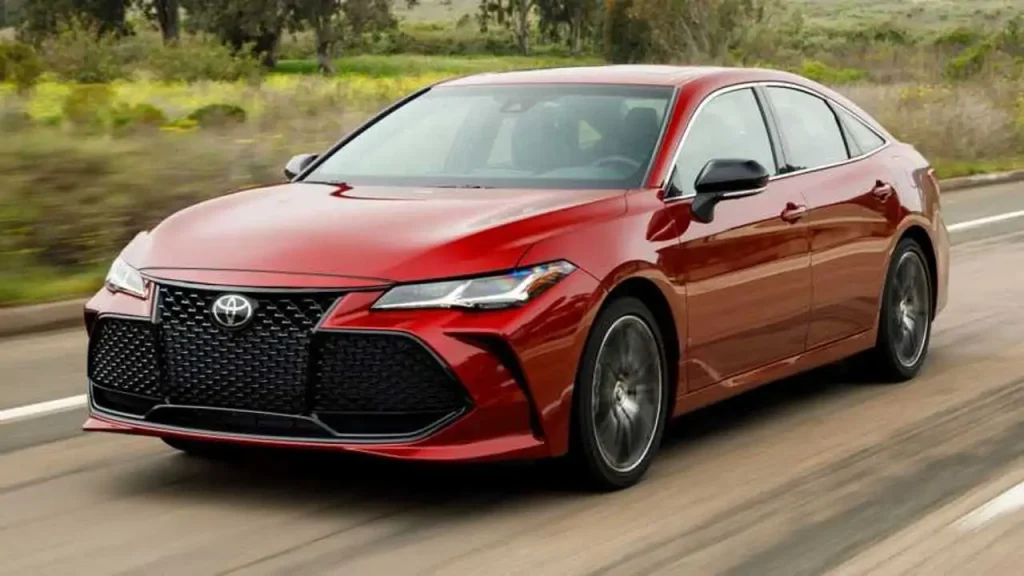
The Toyota Avalon is the only traditional sedan in the top 10, and its long ownership period makes sense given its blend of comfort, space, and simplicity. It provides generous passenger room and a smooth, quiet ride without the bulk of a full-size SUV, making it equally suited to commuting and long-distance travel. Toyota’s reputation for durability also gives owners plenty of reason to keep an Avalon when it’s still running well. On average, owners hold onto their Avalons for 9.7 years, about 1.3 years longer than the average vehicle.
Toyota Sequoia — 9.9 Years
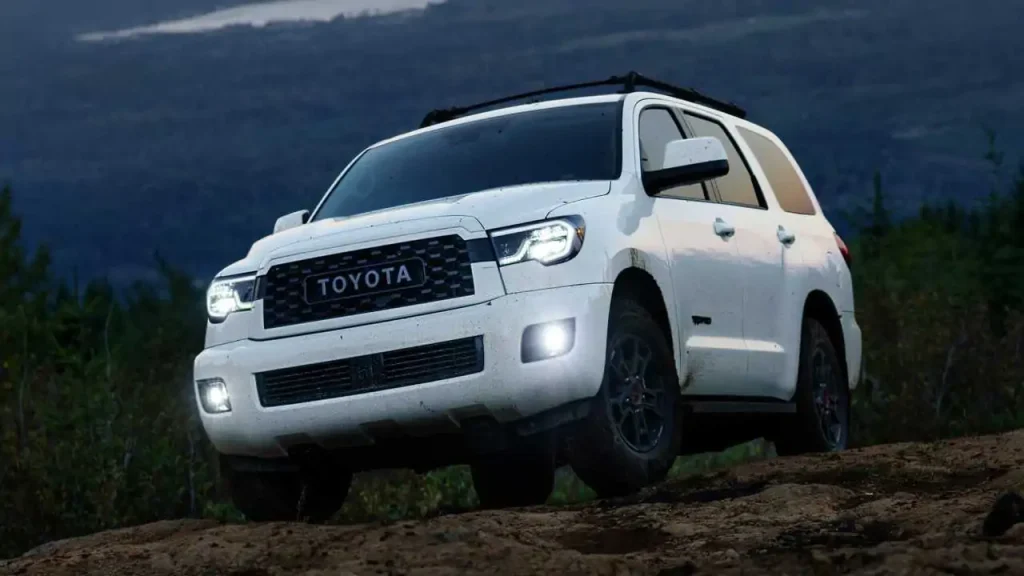
The Toyota Sequoia combines three-row seating, substantial cargo room, towing ability, and available four-wheel drive, making it a versatile choice for families and outdoor enthusiasts. Its size and capability can also make replacement an expensive proposition, particularly when the existing SUV continues to meet an owner’s needs. Add Toyota’s long-standing reputation for durability, and it’s easy to see why Sequoia owners aren’t in a hurry to move on. The average Sequoia stays with its original owner for 9.9 years.
Porsche 911 — 9.9 Years
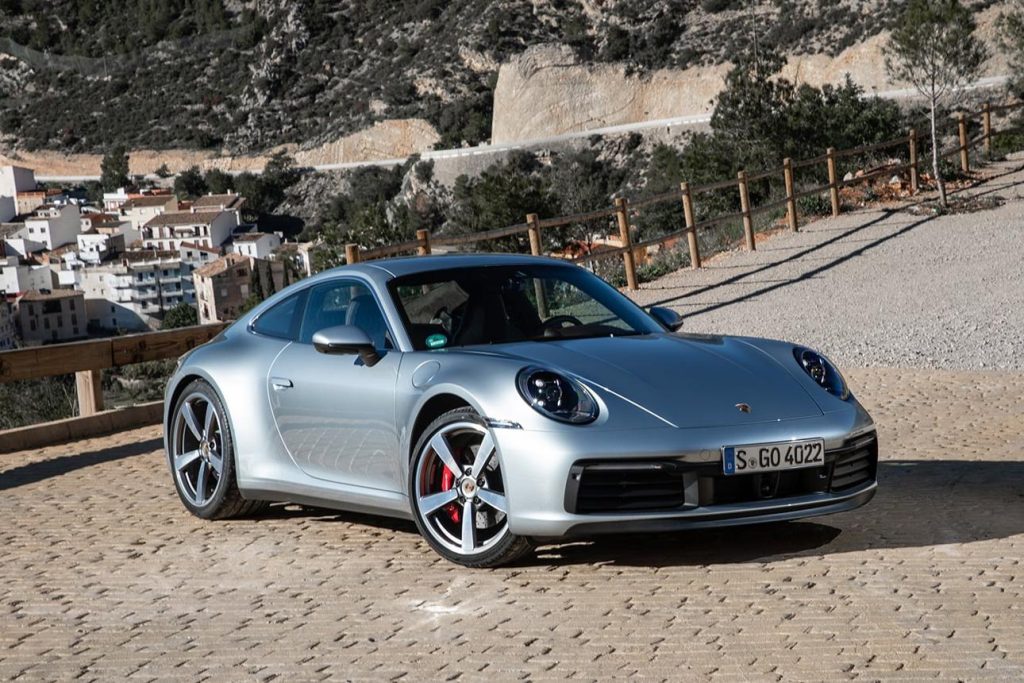
The Porsche 911 is an unusual entry on a list dominated by practical vehicles, but its loyal following helps explain the long ownership cycle. Buyers typically choose a 911 for more than basic transportation, and that emotional connection can make it difficult to give up. Many examples also serve as weekend or recreational cars rather than daily commuters, meaning they can accumulate miles relatively slowly. With an average ownership period of 9.9 years, the 911 ties the Toyota Sequoia.
Toyota 4Runner — 10.0 Years
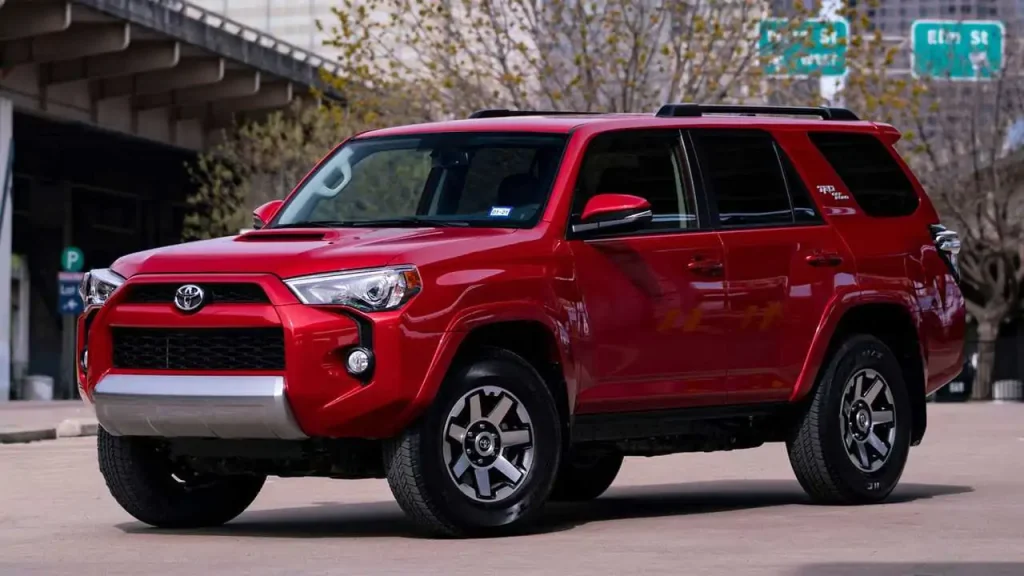
The Toyota 4Runner has maintained a reputation for toughness by retaining the rugged, body-on-frame construction and off-road capability that distinguish it from many modern crossovers. That combination gives owners a vehicle capable of handling daily driving, family duties, towing, camping, and serious trail work. When one vehicle can cover such a wide range of uses while remaining dependable, replacing it can be difficult to justify. Owners keep their 4Runners for an average of 10.0 years.
Ford Mustang Shelby GT350R
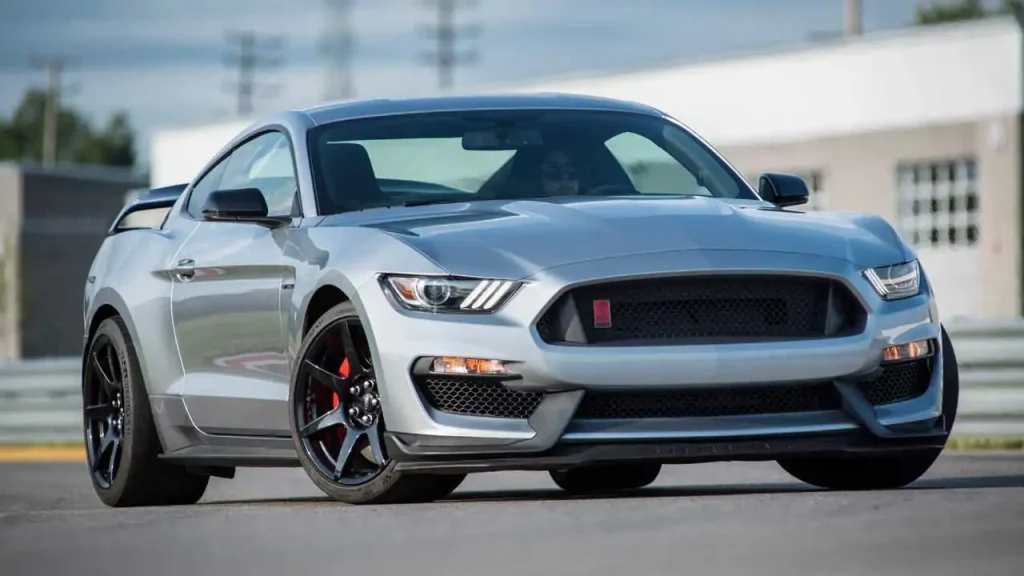
The Ford Mustang demonstrates that long-term ownership isn’t always about practicality. As one of America’s most recognizable performance cars, the Mustang often creates a stronger emotional connection than an ordinary commuter vehicle, whether it’s a V8 GT, four-cylinder model, or convertible. It’s also practical enough to serve as a daily driver while still delivering the performance and character owners want. That combination helps explain its 10.0-year average ownership period.
Ford Expedition — 10.1 Years
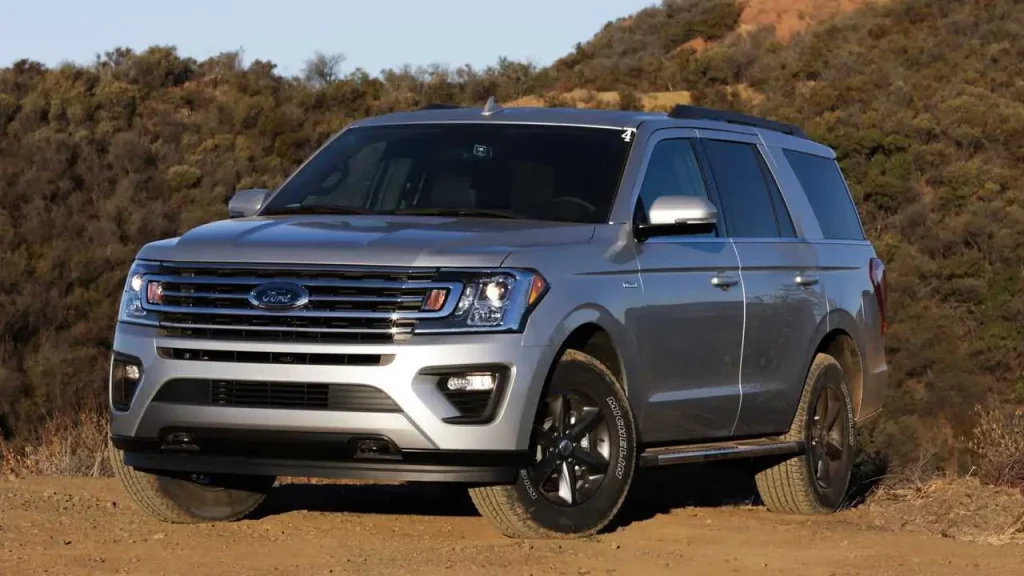
The Ford Expedition earns its place on the list with a combination of space, versatility, and towing capability. Its three rows and large cargo area allow it to handle everything from school runs and family vacations to hauling equipment and pulling trailers. Once an Expedition becomes integrated into a family’s daily routine, replacing it can be a significant expense, particularly if the existing SUV still performs its job without major problems. The average owner keeps an Expedition for 10.1 years.
Audi TT RS Coupe — 10.2 Years
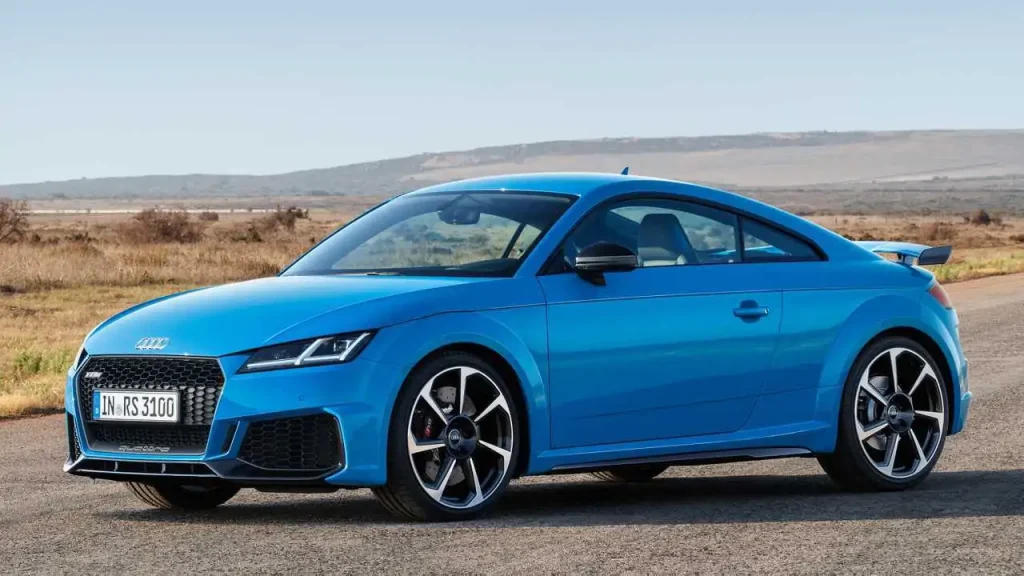
The Audi TT is another unexpected entry, offering a sharp contrast to the large SUVs elsewhere on the list. Its distinctive styling, compact dimensions, and sporty character make it the kind of car people often buy because they genuinely want one rather than simply need transportation. As a second car or weekend vehicle, a TT can also accumulate miles slowly, potentially making long-term ownership easier. Owners keep their Audi TTs for an average of 10.2 years.
Mercedes-Benz SL-Class — 10.3 Years
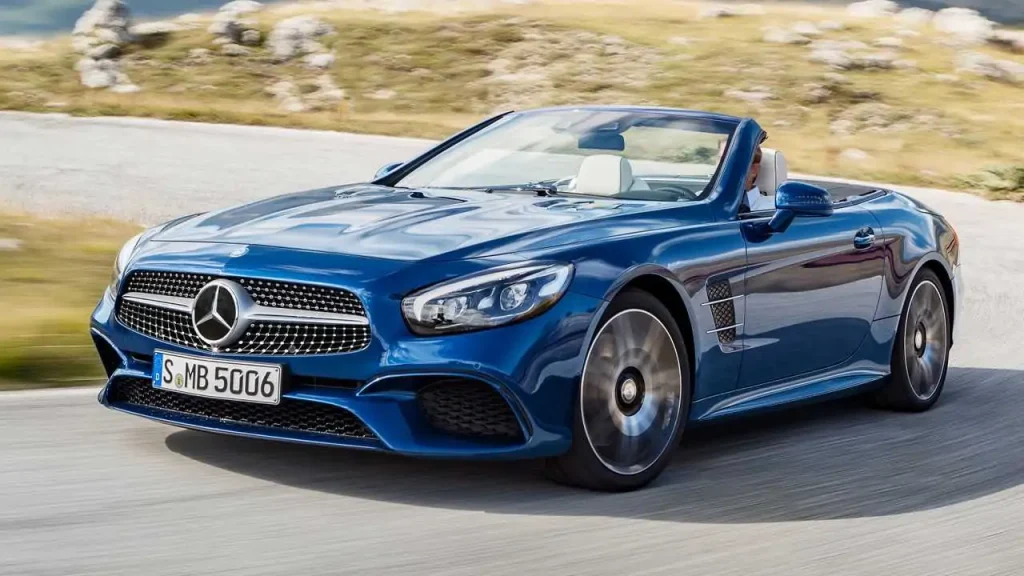
The Mercedes-Benz SL-Class combines luxury, performance, and open-air driving in a package designed more for grand touring than everyday commuting. Its premium interior and strong performance give owners plenty of reasons to hold onto it, while its role as a special-occasion or weekend car can mean fewer miles and less wear than a typical daily driver. That combination helps explain the SL-Class’s 10.3-year average ownership period.
Chevrolet Corvette ZR1— 10.5 Years
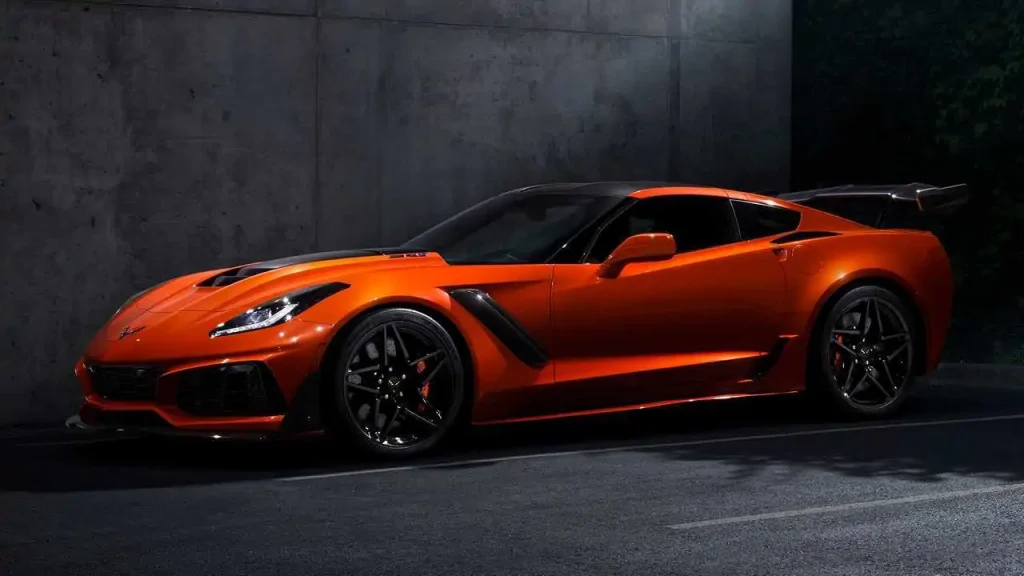
The Chevrolet Corvette is another car where emotional attachment can play a major role in keeping it around for the long haul. For many owners, a Corvette is a dream car rather than simply another form of transportation, so the arrival of a newer model doesn’t necessarily create an urge to sell. It also works particularly well as a weekend car, second vehicle, or special-occasion machine, helping owners preserve it over time. The Corvette has an average ownership period of 10.5 years, putting it well above the average vehicle.
Toyota Land Cruiser — 11.4 Years
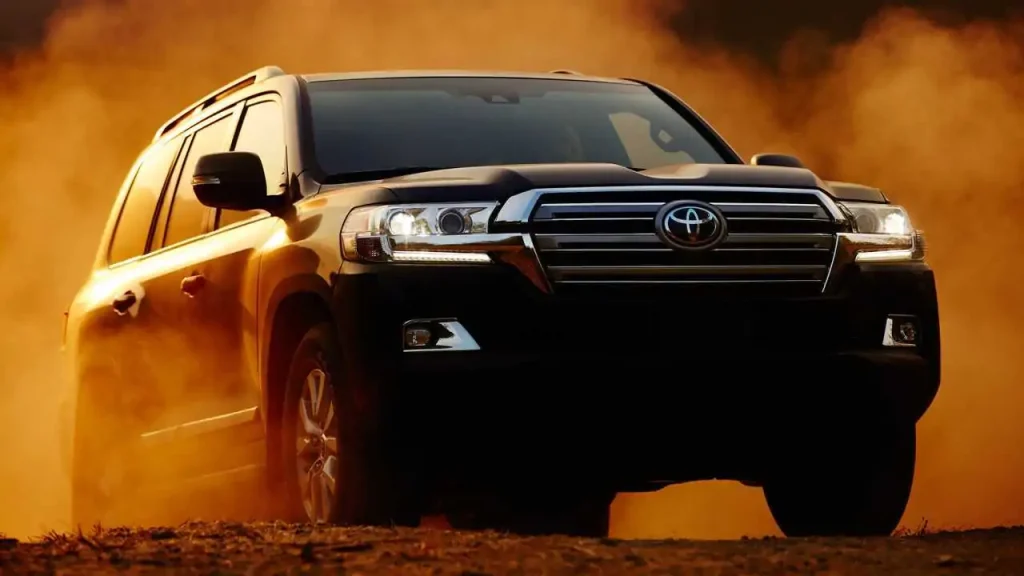
The Toyota Land Cruiser tops the list with an impressive 11.4-year average ownership period, reflecting its long-established reputation for durability and off-road capability. Its combination of rugged construction, passenger comfort, and long-distance ability allows it to serve as everything from a daily driver to an expedition vehicle. The Land Cruiser also tends to age gracefully, meaning a well-maintained example can remain useful and desirable for many years. For owners who have a Land Cruiser that continues to deliver the capability and reliability they need, there can be little urgency to replace it.