
Chevrolet’s mid-engine Corvette wasn’t a sudden revolution. The idea had been evolving for six decades before the C8 finally made it into production.
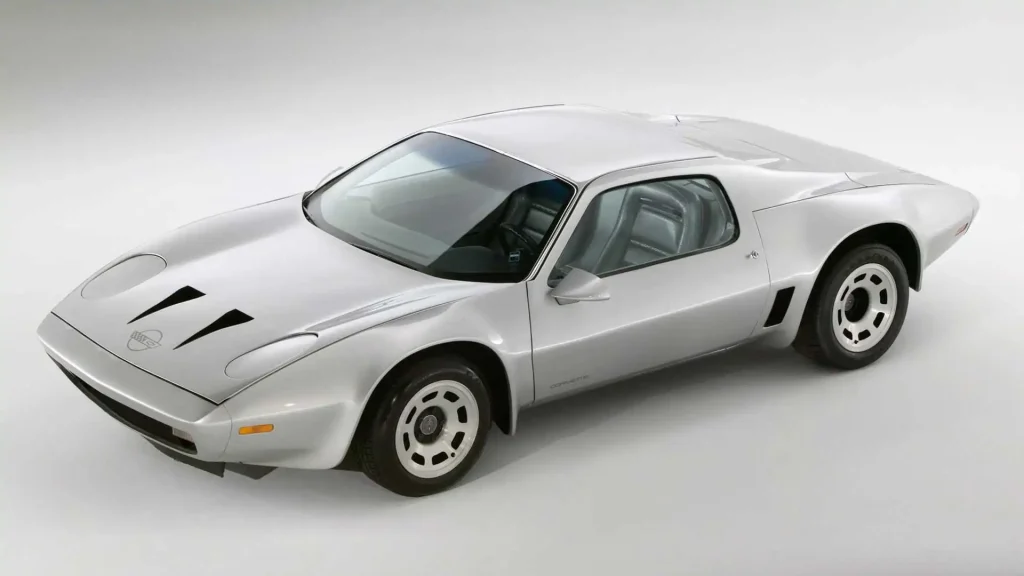
The idea of a mid-engine Corvette is far from new. Chevrolet was already experimenting with the concept roughly six decades ago, when the first functional prototype built around a mid-engine layout took shape.
Known as the 1959 CERV I (Chevrolet Engineering Research Vehicle), the open-wheel, single-seat experimental racer was the brainchild of Zora Arkus-Duntov, a Belgian-born engineer of Russian descent. Duntov joined Chevrolet in 1953, just after the original Corvette made its debut, and would go on to become one of the most influential figures in the sports car’s history.
Duntov was more than an engineer. He was also an accomplished racing driver and quickly became fascinated by the Corvette’s potential. At the same time, he was unimpressed by the first-generation car’s relatively crude mechanicals and limited handling capabilities.
He believed a mid-engine layout could transform the Corvette. Moving the engine behind the driver would provide better weight distribution, improve handling, and give Chevrolet a stronger foundation for turning the Corvette into a genuine performance machine.
The concept became one of Duntov’s defining engineering ambitions.
During his 23-year career at General Motors, Duntov played an enormous role in shaping the Corvette’s performance identity. He repeatedly pushed Chevrolet toward a mid-engine configuration, but despite numerous experiments and prototypes, the production Corvette remained front-engine for decades.
That failure became one of the enduring frustrations of his career.
Still, Duntov’s vision never disappeared. He had planted the idea firmly within Chevrolet, and over the following six decades, engineers continued experimenting with mid-engine Corvette concepts. Some were developed under Duntov’s direct influence, while others emerged long after his departure from General Motors.
The result was a fascinating collection of experimental cars, prototypes, and concepts that repeatedly explored what a mid-engine Corvette could become.
By the time Chevrolet finally prepared to unveil the C8 Corvette, the idea was anything but new. It was the culmination of more than half a century of engineering experiments, rejected proposals, and persistent development.
So, before looking at the production C8, it’s worth going back to the beginning and tracing the remarkable history of the mid-engine Corvette—from Duntov’s CERV I in 1959 through the many prototypes that kept the dream alive for the next 60 years.Here are the Mid Engined Corvette Prototypes Throughout The Years.
Table of Contents
1960 Chevrolet CERV I
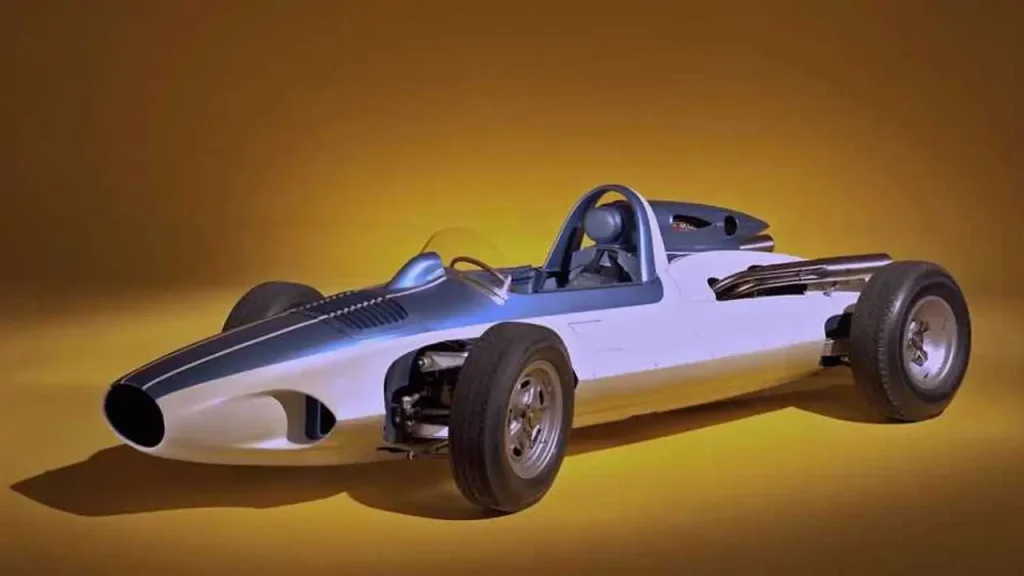
The story begins with the Chevrolet Engineering Research Vehicle I, or CERV I, developed under legendary Corvette engineer Zora Arkus-Duntov. Introduced in 1960, the single-seat prototype was created primarily as a test bed for advanced chassis and suspension development rather than as a direct production preview. Its open-wheel, mid-engine layout allowed engineers to investigate how moving the powertrain behind the driver could affect handling and weight distribution. Although it never became a production Corvette, CERV I established an important foundation for Chevrolet’s mid-engine experimentation.
1964 Chevrolet CERV II
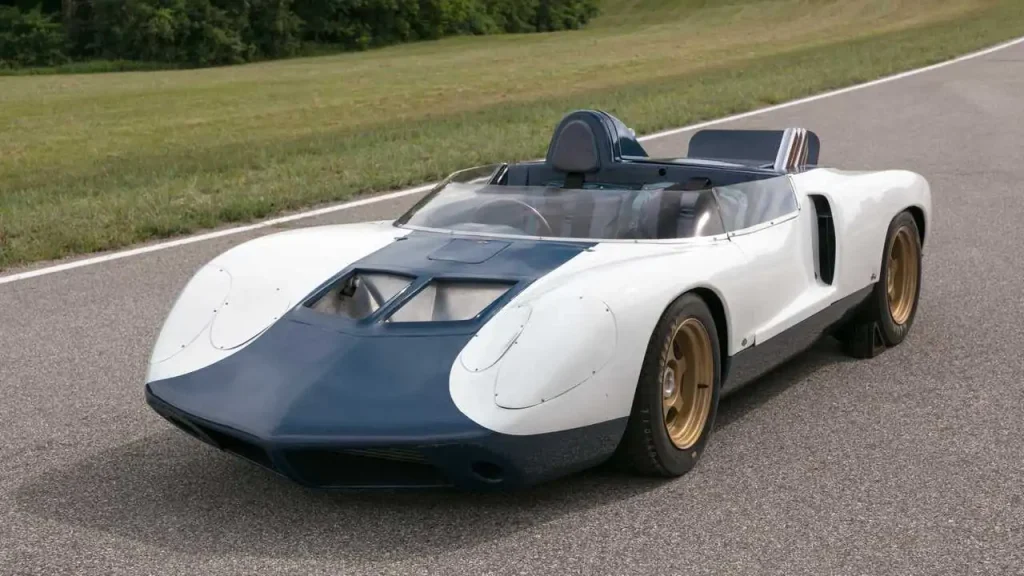
A few years later, Chevrolet took the concept much further with CERV II. Unlike the original CERV I, this experimental machine was conceived with four-wheel drive and a mid-mounted V8, giving engineers a chance to explore an even more sophisticated performance configuration. CERV II remained a prototype, but it demonstrated that Chevrolet was seriously investigating a mid-engine layout for high-performance applications. Its engineering philosophy would eventually influence later experimental Corvette projects.
1968 Chevrolet Astro II
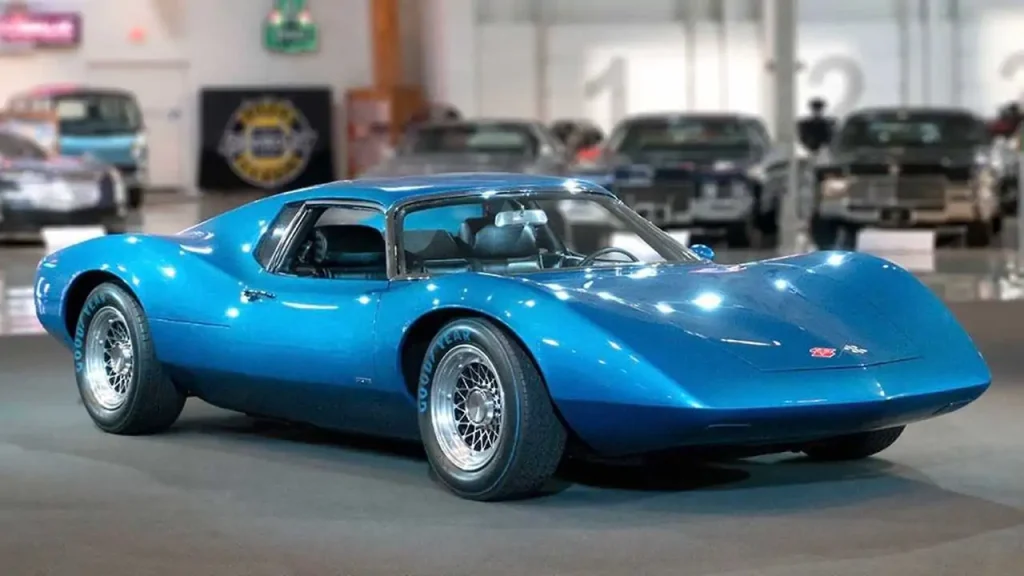
The Astro II arrived in 1968 and looked considerably closer to something that could have previewed a future Corvette. Designed as a mid-engine sports car, it featured a compact body and a V8 positioned behind the passenger compartment. Unlike some of Chevrolet’s purely engineering-focused prototypes, the Astro II was styled as a potential production sports car and was shown publicly as evidence of what a radically different Corvette could look like. It never reached production, but its sleek shape made the mid-engine idea much easier to imagine.
1970 Chevrolet XP-882
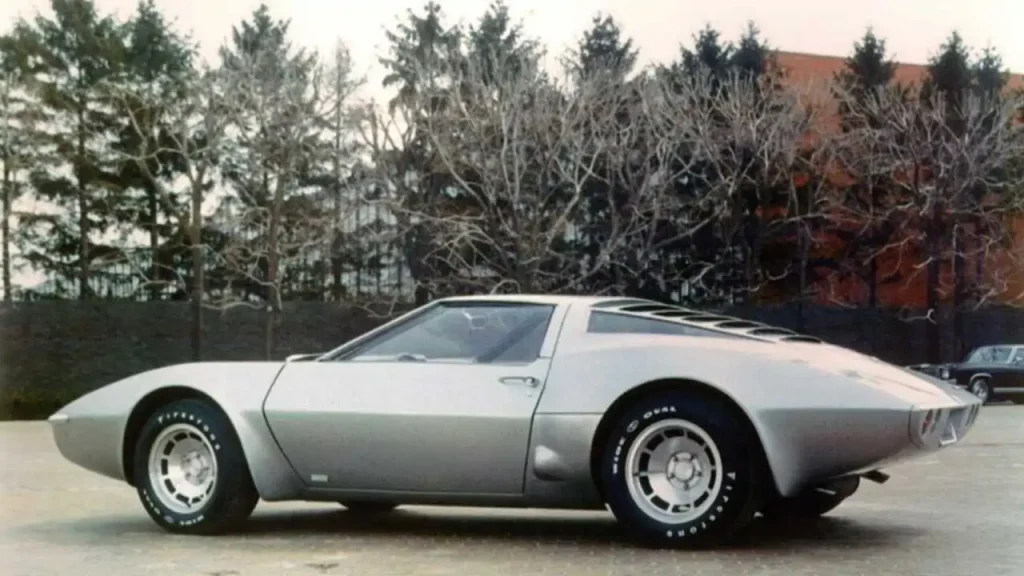
Chevrolet’s XP-882 prototype was another serious attempt to develop a mid-engine Corvette. Built around the idea of placing a V8 behind the cabin, the car featured dramatic styling and was developed during a period when Chevrolet was considering major changes to the Corvette. The project reportedly progressed far enough to demonstrate that a mid-engine Corvette could be a viable engineering proposition. However, production plans ultimately failed to materialize, and the front-engine Corvette continued.
1973 Chevrolet Corvette XP-895
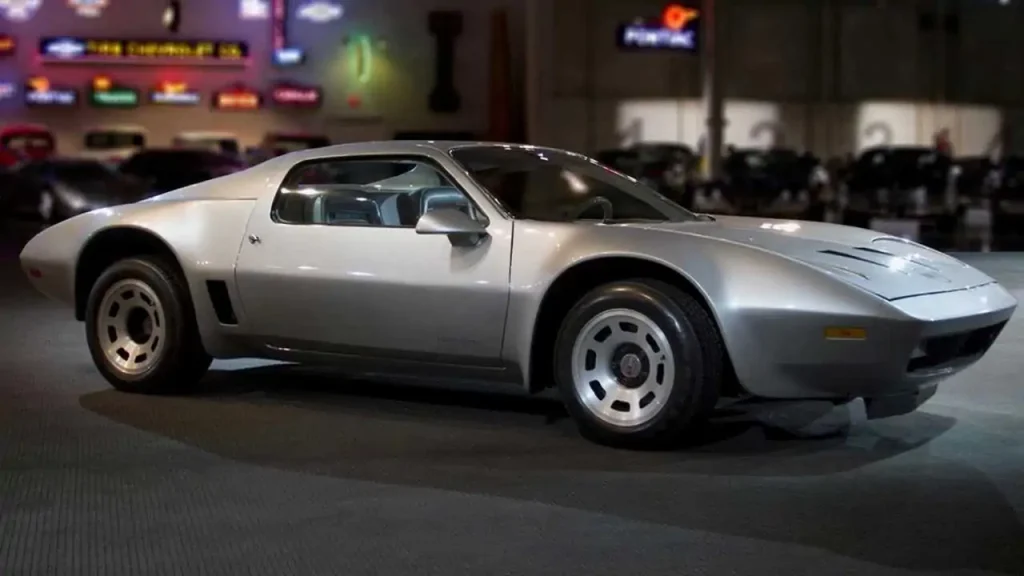
The 1973 Chevrolet Corvette XP-895 was another fascinating mid-engine experiment from GM, built to explore an alternative layout for the Corvette. Developed with a lightweight aluminum body and a mid-mounted powertrain, the prototype demonstrated how dramatically the Corvette could be transformed by moving the engine behind the cabin. Although it never reached production, the XP-895 helped keep Chevrolet’s mid-engine ambitions alive during a period when the company was seriously considering a radical redesign of America’s sports car.
1973 Chevrolet Corvette XP-897 GT
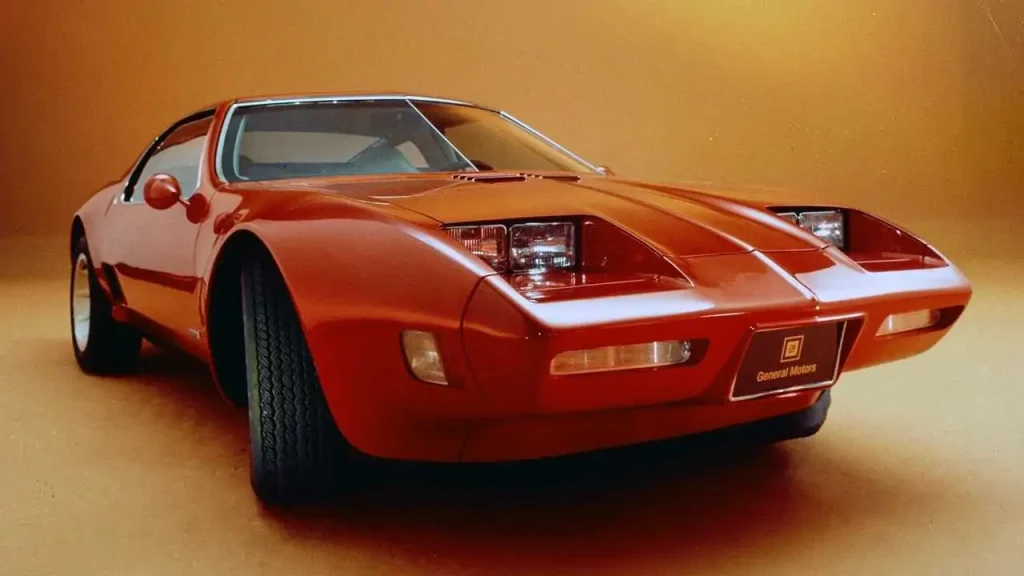
The 1973 Chevrolet Corvette XP-897 GT was an experimental mid-engine concept developed by Chevrolet to explore a more exotic direction for the Corvette. Unlike the traditional front-engine layout, the XP-897 GT placed its powertrain behind the passenger compartment and featured compact, futuristic styling. Built around a rotary engine supplied by GM’s collaboration with Curtiss-Wright, the two-seat prototype was never intended for production, but it showed Chevrolet’s willingness to explore radically different ideas for the Corvette’s future.
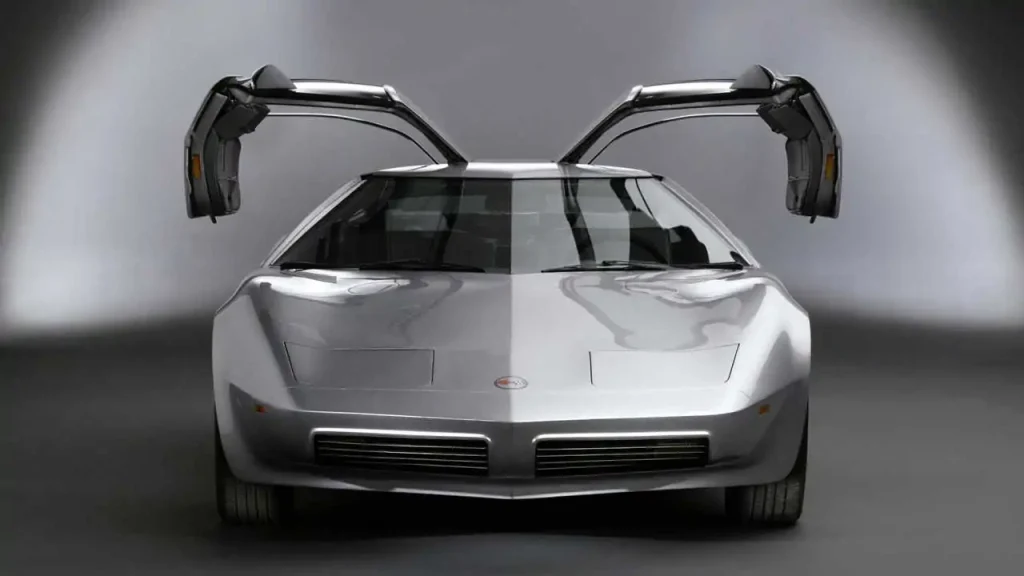
1986 Corvette Indy Concept
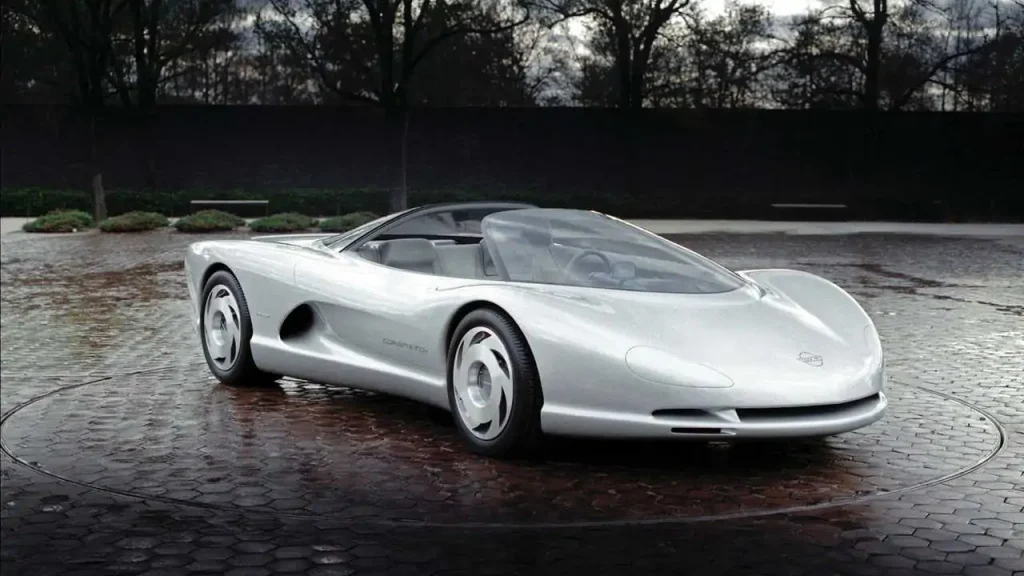
By the 1980s, Chevrolet was still unwilling to abandon the mid-engine idea. The Corvette Indy concept debuted in 1985 and was powered by a mid-mounted twin-turbocharged V8 driving all four wheels. Its technology was considerably more advanced than that of earlier prototypes, with features such as active suspension and sophisticated electronic controls. Although it was never intended to become a production Corvette in its exact form, the concept demonstrated how Chevrolet could combine a mid-engine layout with cutting-edge performance technology.
1970 Chevrolet Corvette XP-882
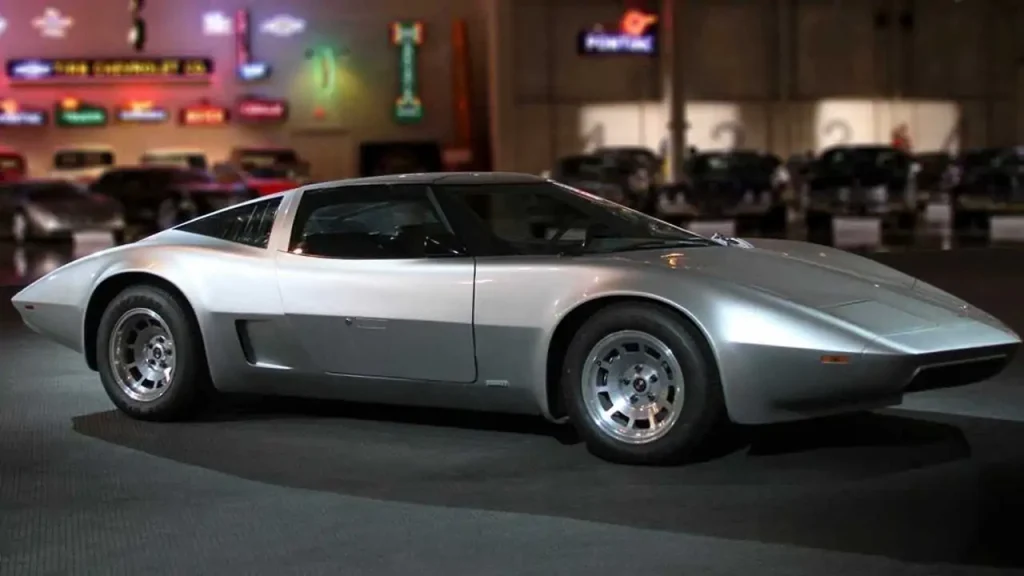
The 1970 Chevrolet Corvette XP-882 was one of the most important early attempts to move the Corvette’s engine behind the driver. Developed under Zora Arkus-Duntov, the experimental two-seat sports car featured a mid-mounted V8 and a radically different shape from the production Corvette. Chevrolet unveiled the XP-882 at the 1970 New York Auto Show, giving the public an early glimpse of what a mid-engine Corvette could look like, although the project was ultimately shelved before evolving into a production model.
1990 CERV III
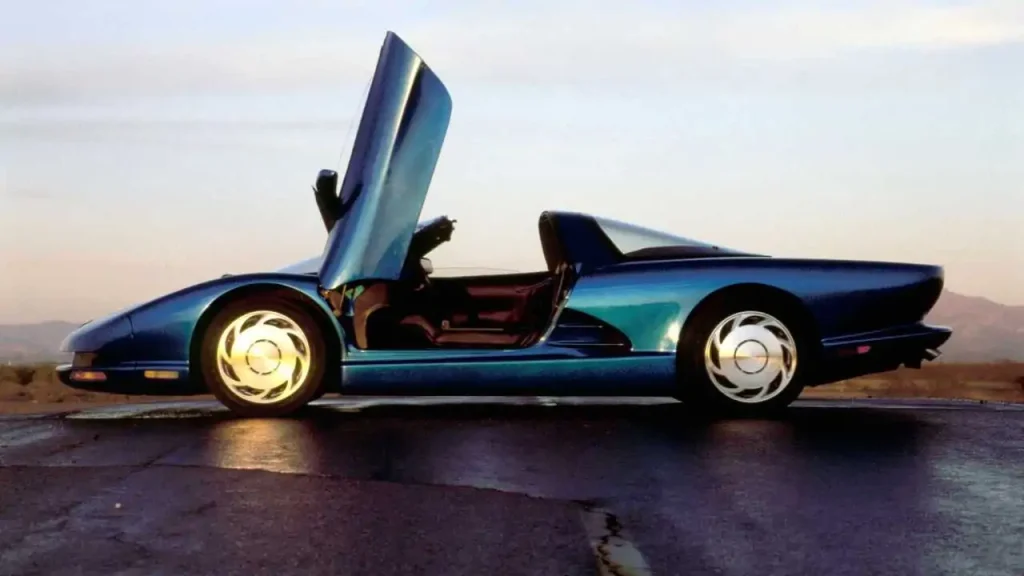
The CERV III represented another major step in Chevrolet’s experimentation. Created with input from Lotus Engineering, the prototype used a mid-mounted twin-turbocharged V8 and all-wheel drive, along with an advanced electronically controlled suspension system. It was much closer to a technological showcase than a traditional concept car, but its engineering demonstrated the potential of a mid-engine Corvette capable of competing with exotic sports cars. The project ultimately remained experimental.
2002 Cadillac Cien
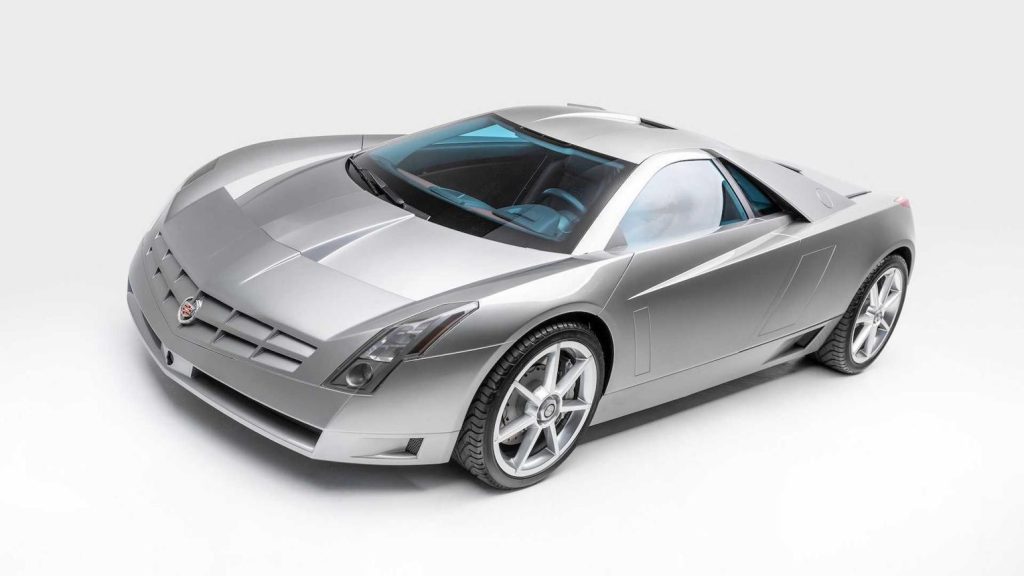
Although it wasn’t officially a Corvette, the Cadillac Cien deserves a place in the story because it showed General Motors was still interested in mid-engine supercar technology. Introduced in 2002, the Cien used a mid-mounted V12 and advanced electronic systems in an exotic carbon-fiber-bodied package. The concept never entered production, but it reinforced the idea that GM possessed the engineering capability to build a sophisticated mid-engine performance car.
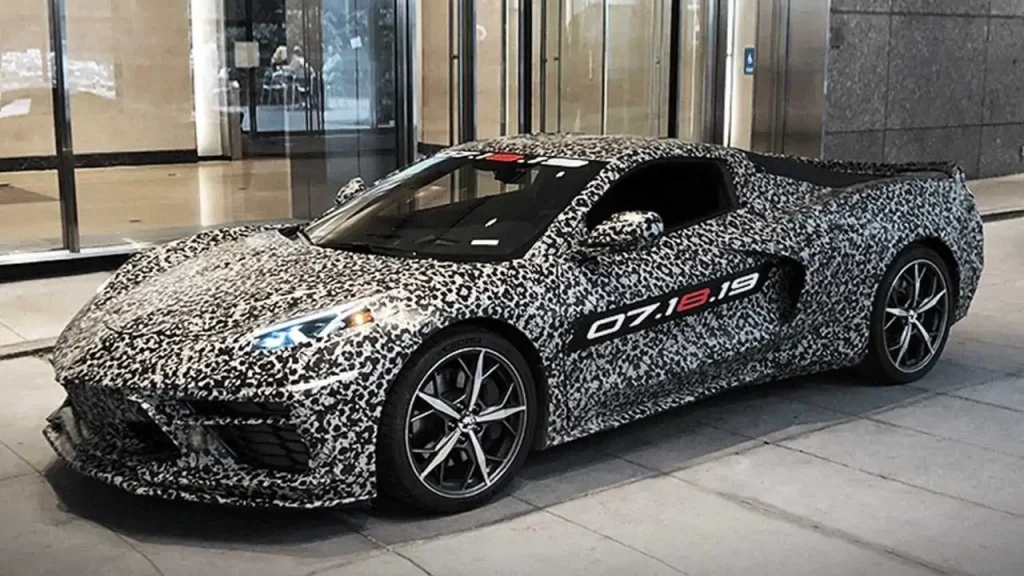
Eighth-generation (C8) Chevrolet Corvette Stingray
The 2009 Corvette Stingray concept, created for the movie Transformers: Revenge of the Fallen, wasn’t a production prototype, but it helped revive public interest in what a futuristic Corvette could become. Its dramatic proportions and aggressive styling departed significantly from the traditional Corvette formula. While the concept itself wasn’t a direct preview of the C8’s engineering, its appearance showed that Chevrolet was willing to rethink the visual identity of America’s sports car.