
America’s most dangerous roads aren’t hidden on remote mountain passes—they’re the highways millions of drivers travel every single day.
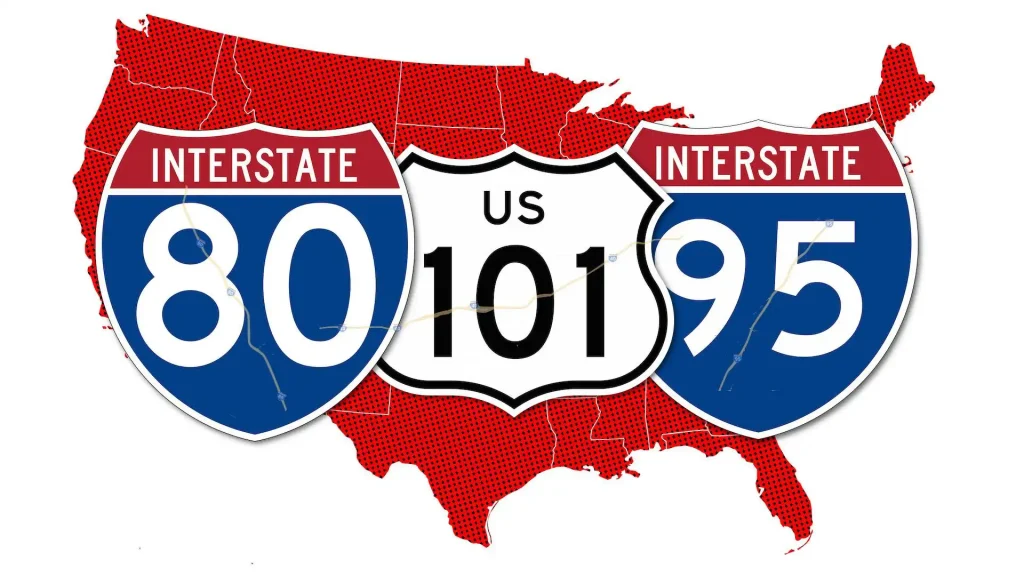
For most Americans, driving is simply part of everyday life. Whether it’s the daily commute to work, a weekend road trip, or a cross-country vacation, the nation’s vast network of highways connects cities, states, and communities like nowhere else in the world. But beneath that convenience lies a sobering reality: not every road is equally safe.
Every year, tens of thousands of people are killed in traffic crashes across the United States. While vehicle safety has improved dramatically over the past few decades—with advanced airbags, automatic emergency braking, lane-keeping assistance, and stronger crash structures—fatal accidents remain alarmingly common. According to the National Highway Traffic Safety Administration (NHTSA), speeding, impaired driving, distracted driving, fatigue, and failure to wear seat belts continue to be among the leading causes of roadway deaths.
Surprisingly, the roads responsible for the highest number of fatalities aren’t isolated mountain passes or forgotten rural roads. Instead, they’re some of America’s busiest highways—roads that carry hundreds of thousands of vehicles every day. Massive traffic volumes, high speed limits, frequent construction zones, unpredictable weather, and heavy commercial trucking create conditions where even a small mistake can have devastating consequences.
Some highways have earned particularly grim reputations due to the number of fatal crashes they experience year after year. While improvements in engineering and enforcement have helped reduce accidents in some areas, these roads remain among the most dangerous in the nation.
Table of Contents
I-80, Wyoming
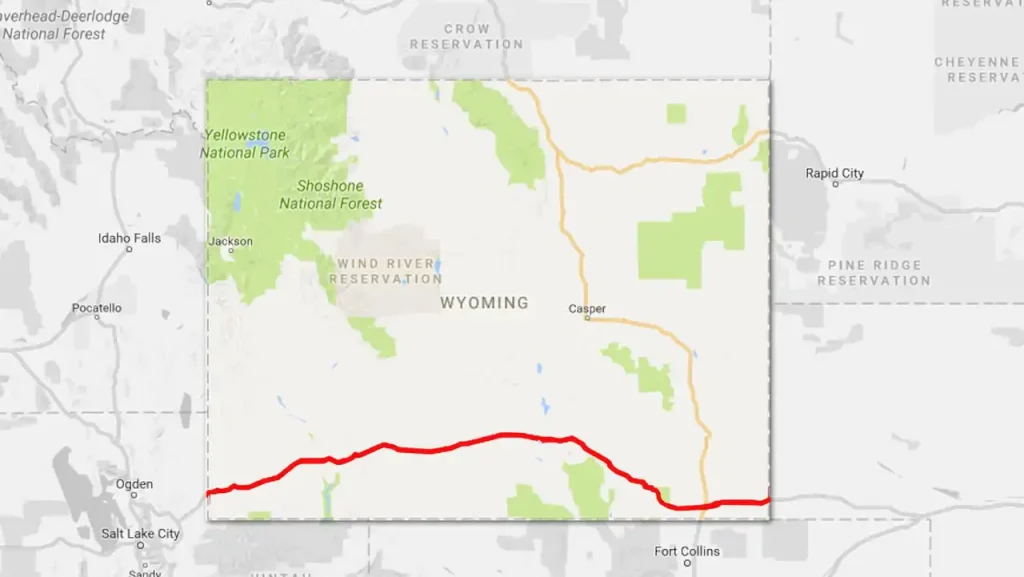
Wyoming’s stretch of Interstate 80 cuts through territory that was once part of the Oregon Trail, but modern travelers face a very different kind of hazard. The interstate averages more than 17 fatalities a year, with severe weather and poor visibility frequently making conditions worse. Dense fog has contributed to some particularly horrific crashes, including a collision in which a Honda CR-V became trapped between a speeding UPS truck and a Penske moving truck. In another 2015 incident, a man and two children were killed when their vehicle struck the back of a semi. A massive pileup in 2014 was even more catastrophic, killing four people and injuring dozens after several tractor-trailers and a horse trailer collided and caught fire. On I-80, rapidly changing visibility can turn an otherwise ordinary drive into a serious emergency.
I-40, Arizona
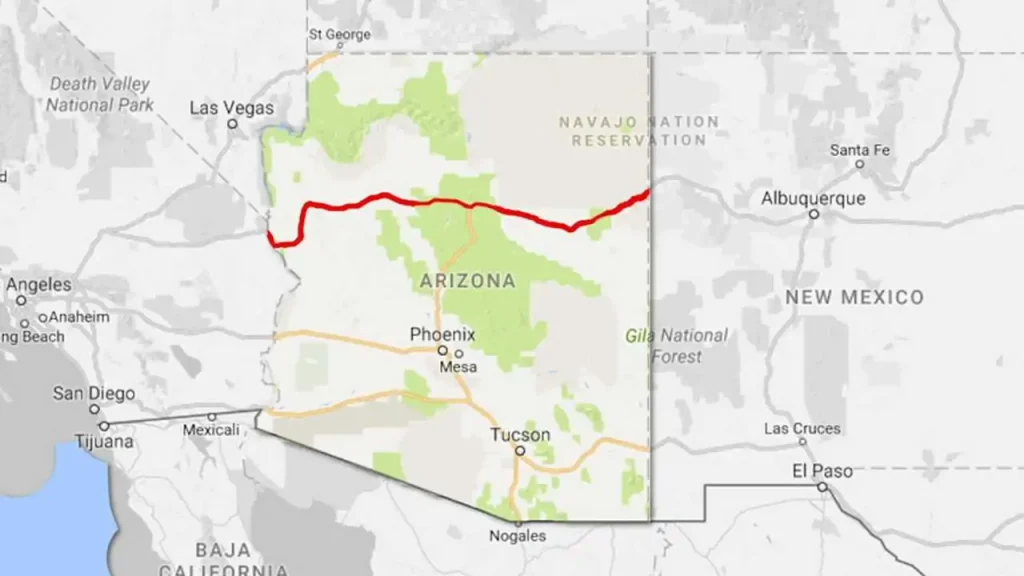
Interstate 40 carries the legacy of historic Route 66 across Arizona, but the modern highway can be considerably less nostalgic than the famous road-trip imagery suggests. Arizona’s section sees close to 25 fatal crashes in a typical year, while portions of I-40 extending into neighboring New Mexico and California have also developed reputations for serious crashes. Weather and visibility are recurring problems. Smoke from a prescribed forest burn once reduced visibility to almost nothing, contributing to a devastating collision involving a passenger vehicle and a tractor-trailer. A separate hailstorm caused another chain of crashes when ice accumulated on the pavement, sending vehicles rolling and putting people who stopped to help in danger of being struck themselves. The lesson is especially relevant on a highway where conditions can deteriorate within minutes: scenic surroundings don’t make a high-speed interstate forgiving.
US-83, Texas
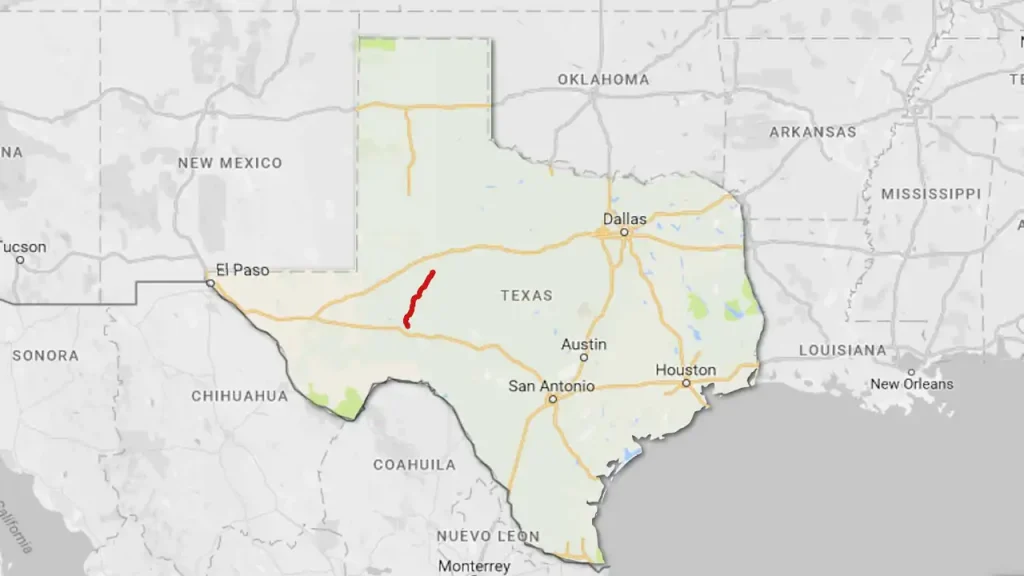
Running through Texas as the Vietnam Veterans Highway, US-83 has earned a far less honorable distinction. The route has averaged roughly 26 fatalities annually over the previous decade, putting it among the country’s deadliest highways. One of the worst crashes occurred in 2017 when a pickup truck allegedly crossed into oncoming traffic after its 20-year-old driver was texting. The truck struck a church bus carrying elderly passengers returning from a choir retreat. Thirteen people ultimately died, prompting a federal investigation. The aftermath illustrated just how destructive a moment of distraction can be when two vehicles meet at highway speed.
I-95, Carolinas
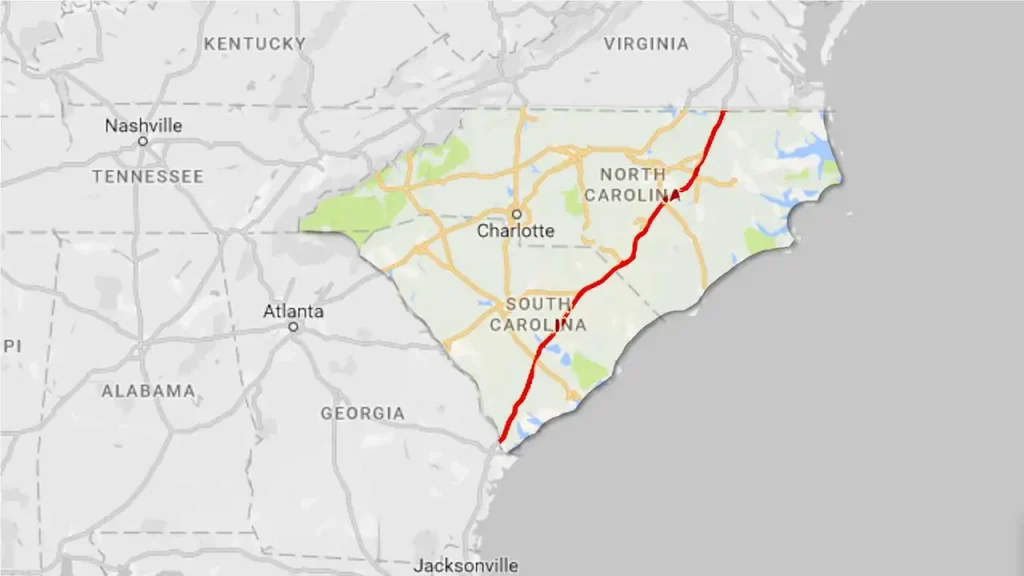
The I-95 corridor through North and South Carolina is one of the busiest stretches of interstate in the region, and that traffic comes with a heavy cost. Nearly 450 people died along this section during the previous decade. A particularly horrific chain-reaction crash demonstrated how quickly a single collision can become a mass-casualty event. A Volvo fuel tanker struck a Dodge pickup, which then hit a Ford Explorer and a Ford Escape. The tanker continued into two tractor-trailers, one of which caught fire and crossed the median. Five people died, including the tanker driver and four members of the same family, including two young children. With so many vehicles traveling at interstate speeds, a crash involving one truck can rapidly involve several more.
US-2, Montana
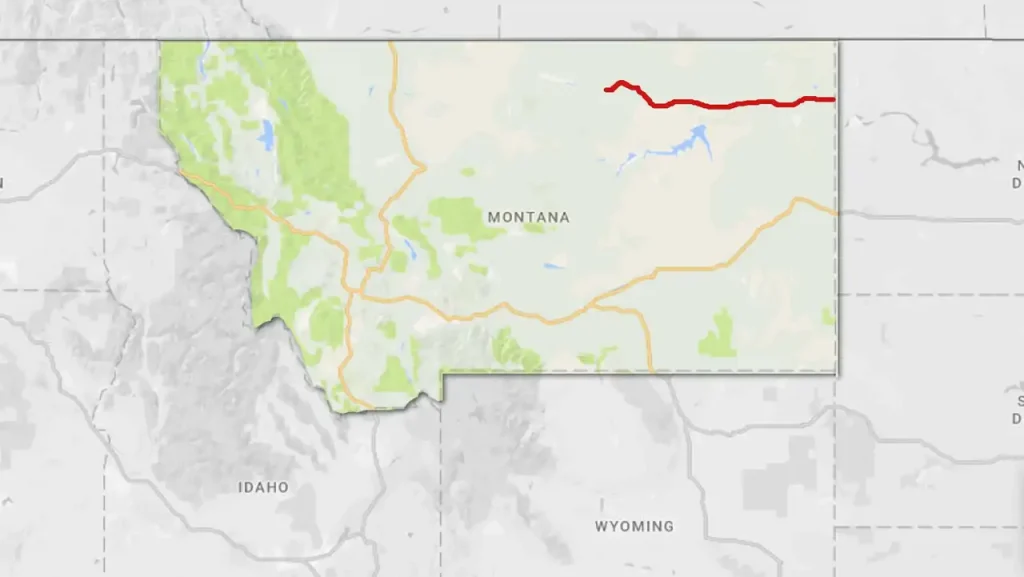
Montana’s enormous size and relatively small population can make its roads feel wonderfully empty, but that doesn’t necessarily make them safe. US-2, which runs across the northern part of the state, has a long history of fatal crashes. Montana has also struggled with alcohol-related driving deaths, adding another danger to its highways. One of the state’s most painful memories is a 1984 crash near Glacier National Park that killed nine members of the Whitefish High School wrestling team when their school bus collided with a skidding semi. The tragedy remains commemorated by a memorial featuring rows of white crosses. Decades later, the highway continued to see deadly incidents. In one January crash, a vehicle carrying railroad workers attempted to pass a snowplow before colliding head-on with a Montana Department of Transportation truck.
US-101, Oregon
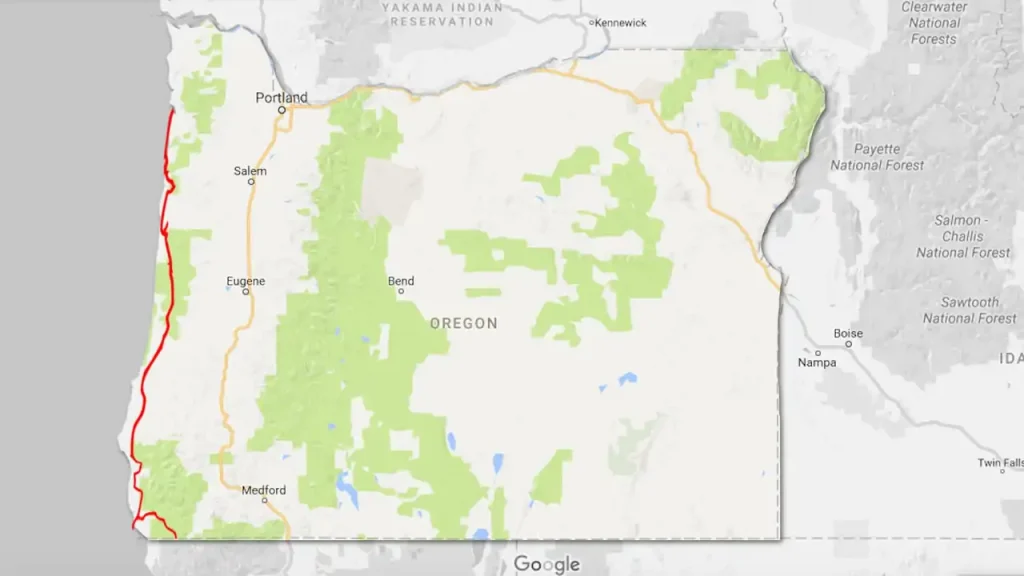
Oregon’s US-101 may be famous for spectacular Pacific Coast scenery, but the beautiful views can conceal a dangerous roadway. Approximately two people die each month along the highway. Crashes have involved everything from vehicles leaving the road and overturning to head-on collisions and excessive speed. In one incident, a Toyota Corolla left the highway and overturned, leaving its driver partially submerged in several feet of water. Elsewhere, a BMW collided with a converted bus being used as a motorhome. Another series of crashes included an Xterra striking a Taurus, a Ford Explorer overturning after hitting ice, and a Mitsubishi involved in a fatal crash reportedly connected to street racing. The combination of winding roads, changing weather, traffic, and high speeds makes some sections of US-101 considerably more dangerous than the relaxed coastal-road image suggests.
US-1, Florida
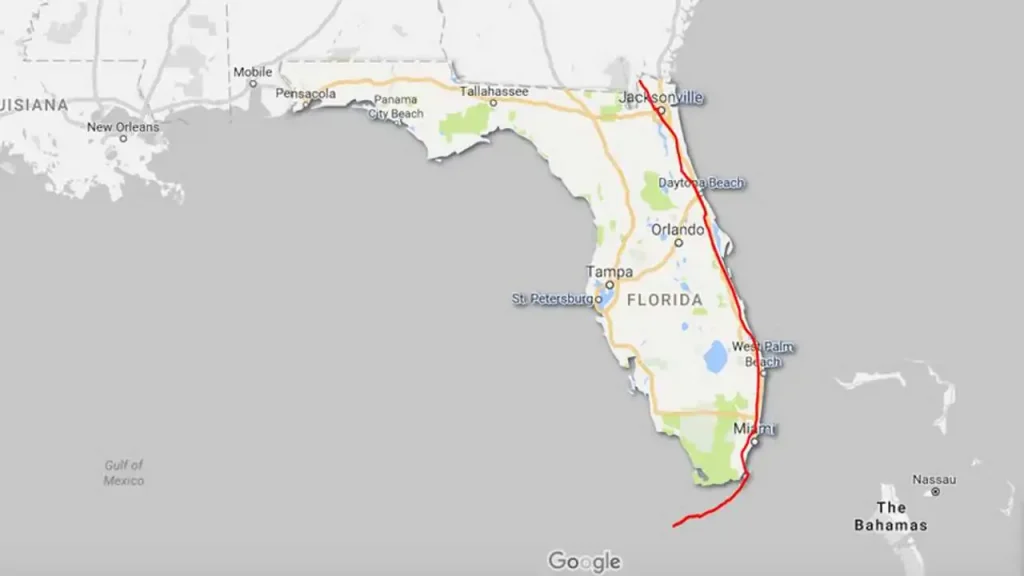
Florida’s US-1 has another particularly grim distinction: it recorded the highest death-per-crash rate in the United States at the time of the original ranking. The highway stretches through heavily traveled areas and the Florida Keys, where motorcycles, tourists, local traffic, and inexperienced drivers all share the same road. Fatal crashes have included motorcyclists losing control as well as serious collisions involving older drivers. In one 2017 crash near Bunnell, five people were killed after a driver turned a Mazda Tribute directly into the path of an approaching Ford F-250. The resulting wreck shut down the highway for more than five hours. US-1 may be one of America’s most recognizable roadways, but its reputation for dangerous crashes is anything but scenic.
These seven highways show that dangerous roads don’t always look dangerous. Many are wide, heavily traveled routes that millions of Americans use without giving them a second thought. Yet fog, ice, rain, traffic, distraction, impaired driving, and poor decisions can quickly turn an ordinary trip into a fatal one. The safest approach isn’t necessarily to avoid these roads altogether—many are impossible to avoid—but to respect the conditions, leave plenty of space, stay focused, and slow down when the road demands it.