These Corporate Family Trees Have More Branches Than You’d Expect.
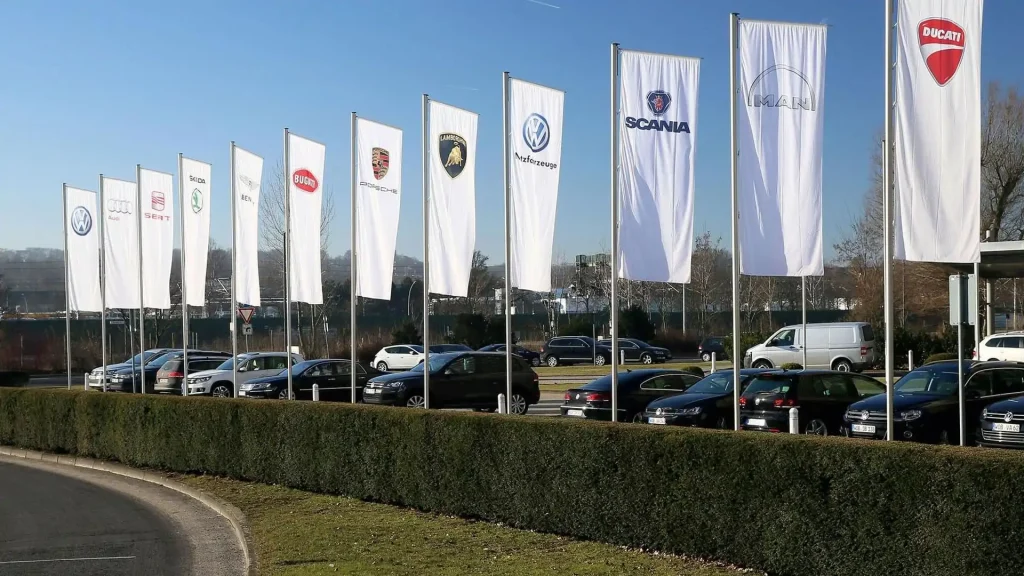
Keeping track of which brands belong to which automakers can be surprisingly difficult. Many global car companies operate multiple divisions, with some brands created for specific regions or markets. On top of that, mergers, acquisitions, and strategic partnerships regularly reshape the automotive landscape, causing ownership structures to change over time.
A great example is Opel and Vauxhall. For decades, these European-focused brands were part of General Motors’ global portfolio. However, in 2017, PSA Group purchased Opel and Vauxhall from GM in a deal worth approximately $2.3 billion. The move brought the two marques under the same corporate umbrella as French automakers Peugeot and Citroën, creating a new European automotive powerhouse.
Ownership changes are not limited to Europe. Toyota has continued expanding its influence within the Japanese auto industry through major investments in companies such as Subaru and Suzuki. The automaker has also worked closely with Mazda on technology sharing and vehicle development, including discussions surrounding future rear-wheel-drive platforms.
With so many connections between manufacturers, knowing who owns which brands can make you the most informed car enthusiast in the room — and help you separate fact from fiction when talking with dealership salespeople. Explore our guide to discover the major automotive groups and the brands they currently control.
Here is a complete guide to the world’s major automotive groups and the brands they control.
Table of Contents
BMW Group
Parent Company: BMW Group
Brands: BMW, MINI, Rolls-Royce
BMW Group operates three major passenger-car brands. BMW focuses on premium vehicles, MINI specializes in small premium cars, and Rolls-Royce occupies the ultra-luxury market.
The group also owns BMW Motorrad, its motorcycle division.
Mercedes-Benz Group
Parent Company: Mercedes-Benz Group
Brands: Mercedes-Benz, Mercedes-AMG, Mercedes-Maybach
Mercedes-Benz Group is centered around the Mercedes-Benz brand, with AMG and Maybach serving as its high-performance and ultra-luxury divisions.
The company was formerly known as Daimler AG before adopting the Mercedes-Benz Group name in 2022.
Stellantis
Parent Company: Stellantis
Brands: Abarth, Alfa Romeo, Chrysler, Citroën, Dodge, DS Automobiles, Fiat, Jeep, Lancia, Maserati, Opel, Peugeot, Ram, Vauxhall
Stellantis was created through the merger of Fiat Chrysler Automobiles and PSA Group. It brought a huge collection of European and American brands under one corporate umbrella.
Its portfolio ranges from affordable family cars to luxury vehicles, sports cars, SUVs, and full-size pickups.
Ford Motor Company
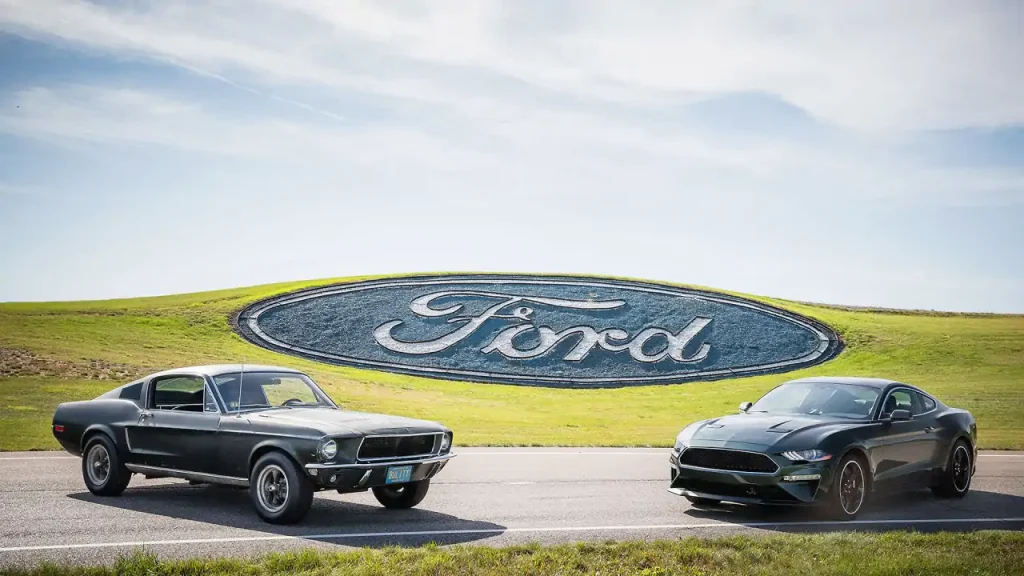
Parent Company: Ford Motor Company
Brands: Ford, Lincoln
Ford’s modern portfolio is considerably smaller than it was in the past. Ford handles the mainstream market, while Lincoln serves as the company’s luxury brand.
The company previously owned brands including Volvo, Jaguar, Land Rover, Aston Martin, and Mercury, but those marques are no longer part of Ford.
General Motors
Parent Company: General Motors
Brands: Chevrolet, Buick, Cadillac, GMC
General Motors has reduced its portfolio considerably over the years. Its current major brands are Chevrolet, Buick, Cadillac, and GMC.
Chevrolet provides the broadest range of vehicles, GMC focuses heavily on trucks and SUVs, Buick occupies the premium space, and Cadillac serves as GM’s luxury marque.
Honda Motor Co.
Parent Company: Honda Motor Co.
Brands: Honda, Acura
Honda’s automotive family consists primarily of Honda and Acura.
Honda produces mainstream cars and SUVs, while Acura operates as the company’s luxury brand. Both marques share engineering resources and technology.
Hyundai Motor Group
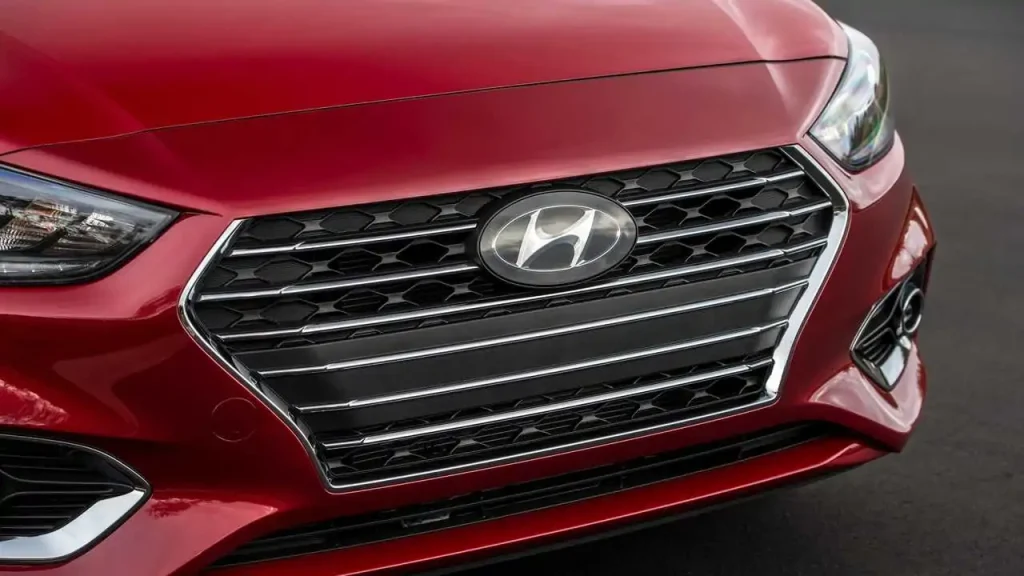
Parent Company: Hyundai Motor Group
Brands: Hyundai, Kia, Genesis
Hyundai Motor Group controls three major automotive brands. Hyundai serves the mainstream market, Kia operates as a separate global brand, and Genesis competes in the luxury segment.
The three brands can share platforms, engines, technology, and other engineering resources despite having distinct identities.
Renault-Nissan-Mitsubishi Alliance
Parent Companies: Renault, Nissan, Mitsubishi Motors
Brands: Renault, Nissan, Infiniti, Mitsubishi, Alpine, Dacia
Renault, Nissan, and Mitsubishi are connected through an alliance rather than operating as one traditional automaker.
The companies cooperate on areas such as vehicle development, technology, manufacturing, and purchasing, while continuing to sell vehicles under their own brands.
Toyota Motor Corporation
Parent Company: Toyota Motor Corporation
Brands: Toyota, Lexus, Daihatsu, Hino
Toyota has one of the largest automotive operations in Japan. Toyota is the group’s core brand, Lexus handles luxury vehicles, and Daihatsu specializes heavily in compact cars.
Toyota also maintains significant investments and partnerships with other Japanese automakers, including Subaru, Mazda, and Suzuki.
Volkswagen Group
Parent Company: Volkswagen Group
Brands: Volkswagen, Audi, Porsche, Škoda, SEAT, CUPRA, Bentley, Lamborghini, Ducati, Volkswagen Commercial Vehicles
Volkswagen Group has one of the most extensive brand portfolios in the automotive industry.
Its brands cover nearly every part of the market, from mainstream Volkswagen and Škoda models to Audi luxury cars, Porsche sports cars, Bentley luxury vehicles, and Lamborghini supercars.
Tata Motors
Parent Company: Tata Motors
Brands: Jaguar, Range Rover, Defender, Discovery
Tata Motors owns Jaguar Land Rover, which has developed into a collection of distinct luxury brands.
Range Rover, Defender, Discovery, and Jaguar retain their British identities while operating under Tata’s Indian ownership.
Geely Holding Group
Parent Company: Zhejiang Geely Holding Group
Brands: Geely, Volvo, Polestar, Lotus, Zeekr, Lynk & Co
Geely has built one of the industry’s most international automotive portfolios.
Its connections extend from Chinese brands such as Geely and Zeekr to established European names including Volvo and Lotus. Polestar also traces its corporate ownership to the wider Geely ecosystem.
Fiat Chrysler Automobiles (FCA)
Former Parent Company: Fiat Chrysler Automobiles
Brands: Abarth, Alfa Romeo, Chrysler, Dodge, Fiat, Jeep, Lancia, Maserati, Ram
FCA was formed through the combination of Fiat and Chrysler and became one of the world’s major automakers. Its portfolio included well-known Italian and American brands across cars, SUVs, trucks, and performance vehicles.
In January 2021, FCA merged with Groupe PSA to create Stellantis. The FCA brands are therefore now part of Stellantis rather than a separate FCA group.