
Eye-catching paint colors tend to retain their value better, whereas dull or overly common shades may result in lower resale prices.
Depreciation is one of the biggest costs of owning a vehicle, so choosing a new car that retains as much of its value as possible can make a significant difference over the long term. We’ve previously looked at vehicles expected to deliver the best and worst five-year resale values, but the amount a car is worth when it’s time to trade it in depends on more than its make and model. Condition, mileage, and local supply and demand can all have a major impact.
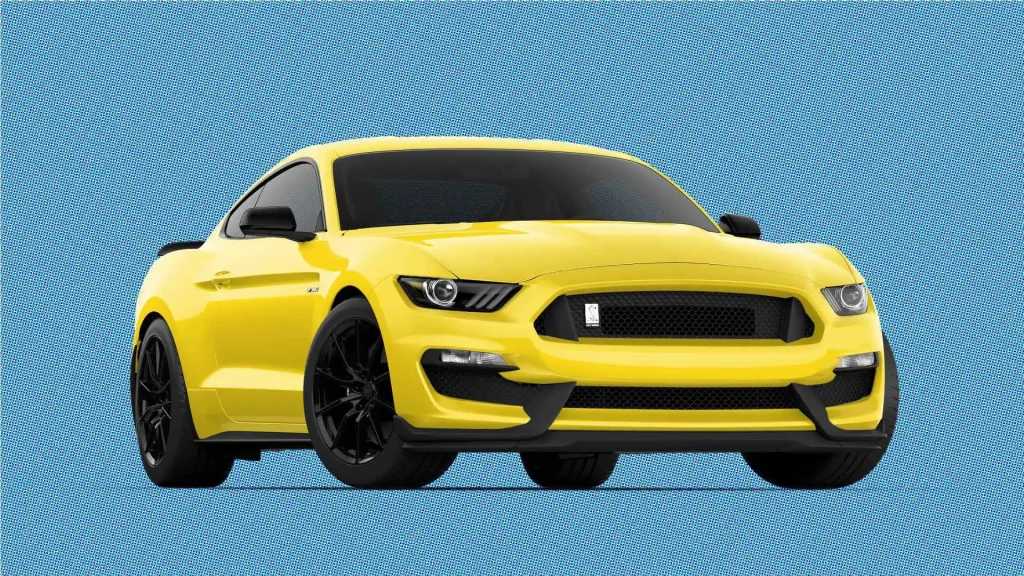
Surprisingly, the color of a vehicle can also influence its resale value. According to a study of more than 2.1 million used-car transactions by iSeeCars.com, yellow cars held onto their value better than any other color. Yellow vehicles depreciated by an average of 27 percent after three years, compared with the overall average, representing an 18.5-percent advantage.
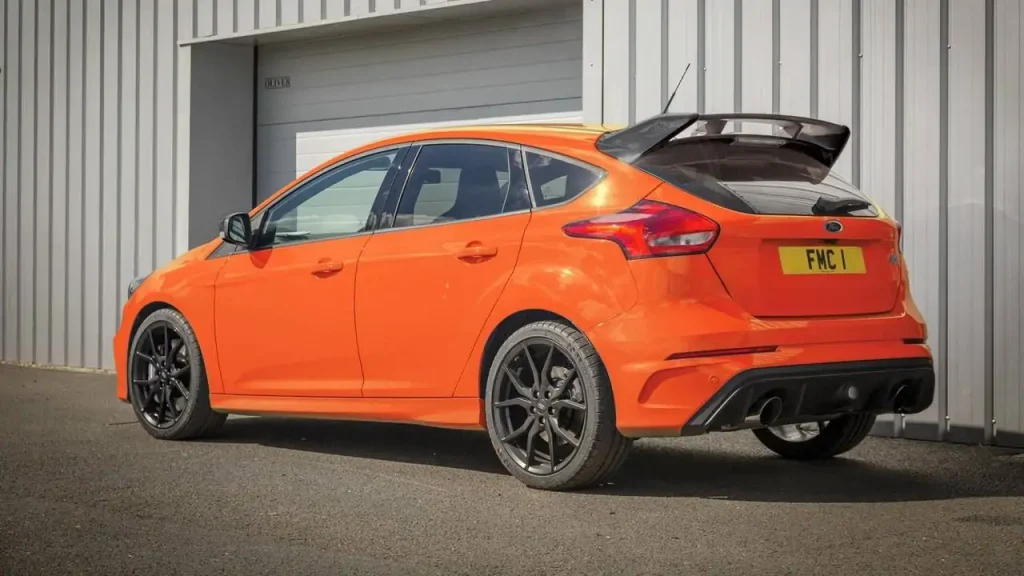
Other bright colors also performed well. Orange vehicles retained values 7.8 percent better than average, while green cars came in 6.9 percent above the norm.
At the opposite end of the spectrum, some less-common colors performed surprisingly poorly. Gold cars depreciated 12.1 percent more than the average used vehicle, while purple and beige models came in 10.7 percent and 10.3 percent below average, respectively. For shoppers willing to embrace those colors, however, that depreciation can translate into attractive bargains on the used-car market.
The most common automotive colors—white, black, red, and gray—generally depreciate at rates close to the industry average. Their popularity means there are plenty of examples on the used market, giving buyers more opportunities to find specific combinations of equipment and potentially negotiate a better deal.
Why Does Yellow Help Resale Value?
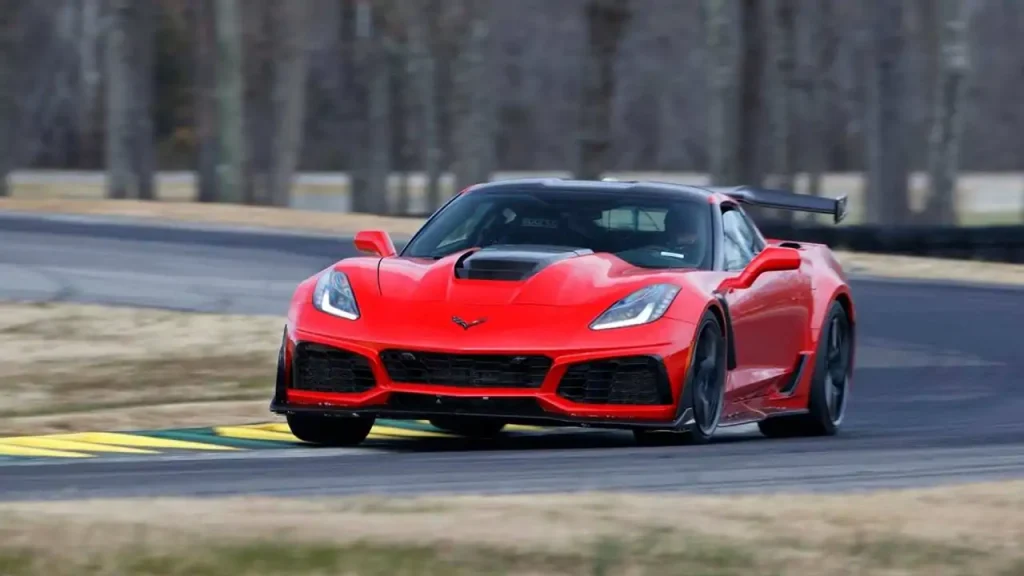
So why does yellow appear to be the color of money when it comes to resale value? Much of it comes down to supply and demand. Yellow cars are relatively rare, and the color is typically associated with sports cars, convertibles, and a handful of SUVs, including the Jeep Wrangler, that already tend to retain their value well.
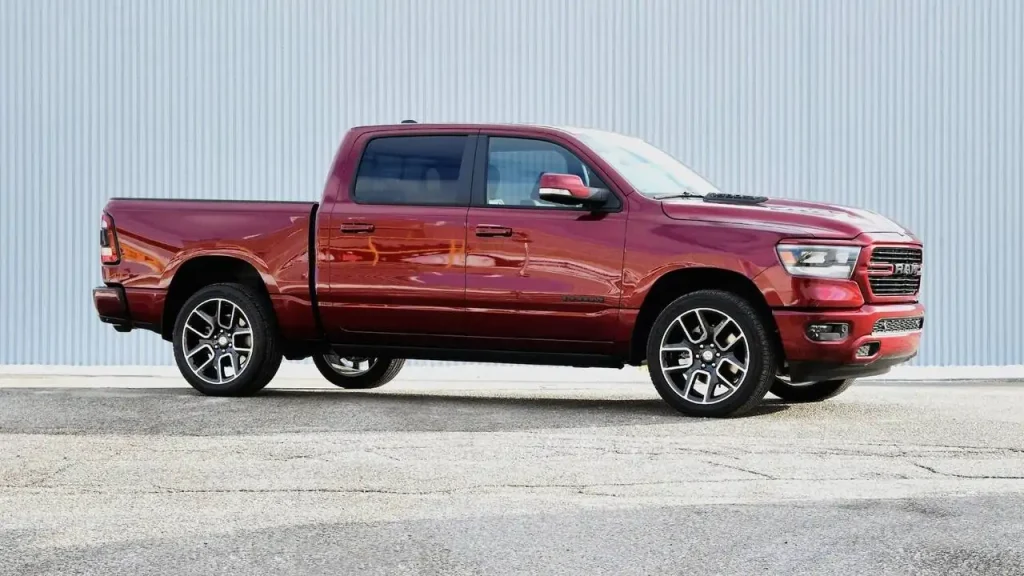
Yellow pickups are even harder to find. In 2018, examples included certain versions of the Chevrolet Colorado, Nissan Titan, GMC Sierra, and Ram 1500 and Ram 2500.
That rarity appears to have a measurable effect on depreciation. According to the iSeeCars data, yellow pickups lost just 25.8 percent of their value over three years, compared with 30.9 percent for the average pickup. Yellow SUVs performed even better, depreciating just 10.9 percent over the same period—nearly half the 20.9-percent average for the segment.
Interestingly, not every uncommon color benefits from being rare. Beige, purple, and gold accounted for only about 0.7 percent of the three-year-old used-car market, yet all three ranked near the bottom for resale value across vehicle segments. By comparison, yellow, orange, and green each represented about 1.2 percent of the market.
In other words, rarity alone doesn’t guarantee strong resale value. Apparently, when it comes to used cars, a little good taste can go a long way.