
Since its introduction in 1972, the BMW 5 Series has helped define the sports sedan segment by combining luxury, practicality, and engaging driving dynamics. More than five million examples have been sold over the decades, making it one of BMW’s most successful and recognizable nameplates.
With the arrival of the 2017 BMW 5 Series, there was no better time to look back at the models that helped establish the nameplate’s reputation. Across seven generations, the 5 Series has evolved alongside changing technology, styling trends, and customer expectations. Yet some versions have gone far beyond simply being good luxury sedans. They’ve become genuine icons among BMW enthusiasts.
From the early E28 that introduced the world to the M5 to the beloved E39 and today’s sophisticated G30, BMW has produced plenty of memorable versions of its executive sedan. Each generation has brought something different to the formula, but the best examples have managed to balance comfort and practicality with the driving experience that BMW buyers expect.
Here are five of the best and most influential BMW 5 Series models ever built.
Table of Contents
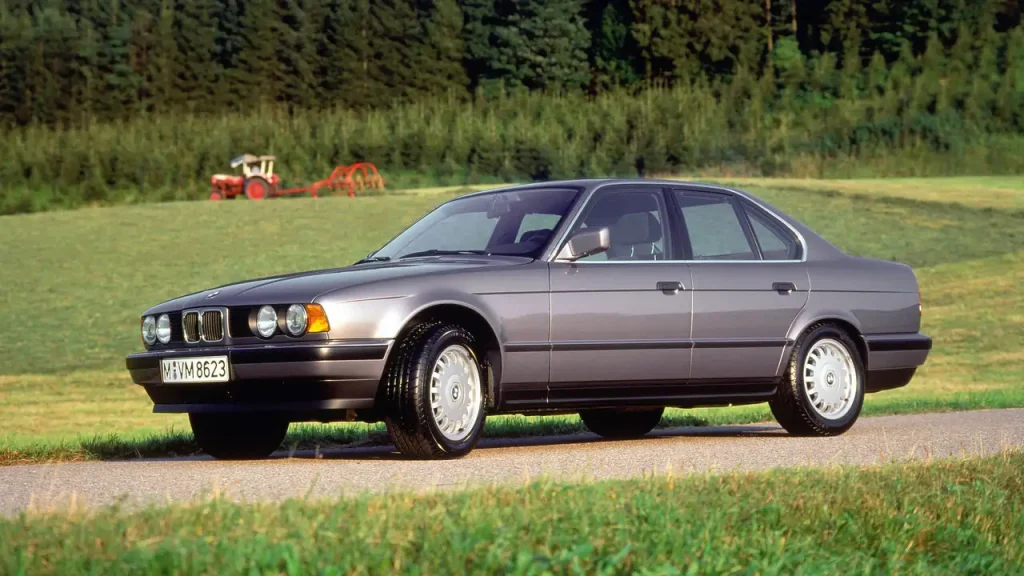
1992 BMW E34 525iX: The Forgotten 5 Series That Changed BMW
Some of the best cars in BMW’s history are also among the easiest to overlook. The 1992 BMW 525iX is a perfect example. Built in relatively small numbers, this unusual E34 proved that the 5 Series could deliver BMW’s trademark luxury and driving dynamics while adding the traction of all-wheel drive.
The 525iX was significant because it was BMW’s first all-wheel-drive 5 Series, introducing technology that would help shape the company’s increasingly sophisticated AWD systems in the years that followed. It gave the executive sedan added capability without sacrificing the balanced character that made the E34 so appealing.
BMW built just 9,366 examples, making the 525iX a rare sight compared with other E34 variants. Its limited production, pioneering drivetrain, and important place in BMW history make it one of the most intriguing and underrated 5 Series models ever produced.
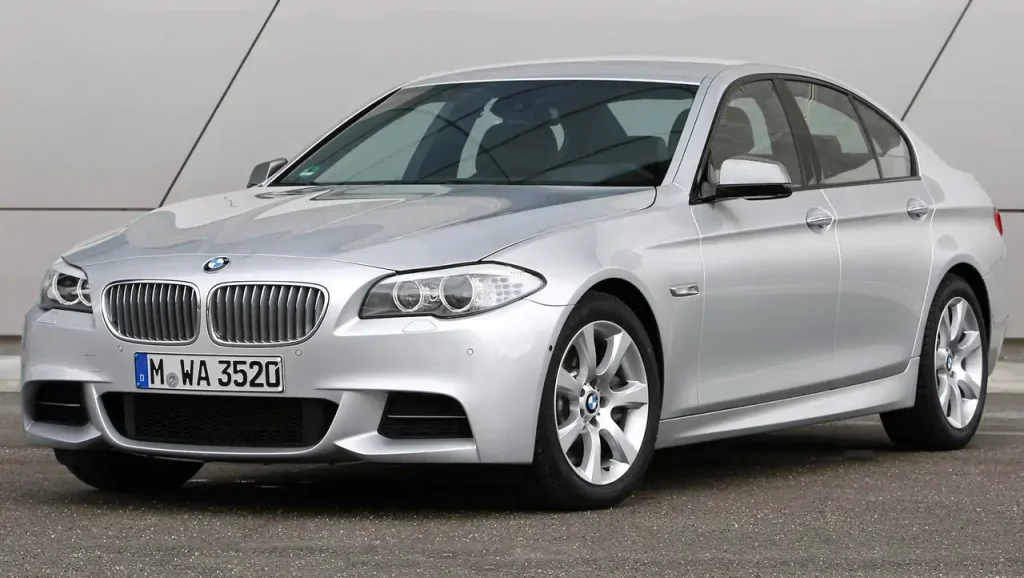
2013 BMW F10 M550d xDrive: The Diesel Super Sedan
BMW has never treated diesel as a dirty word. The arrival of the 2013 M550d xDrive may not have generated the same excitement as a new M5, but it represented something equally important: BMW’s continued commitment to building diesel sedans that could deliver impressive efficiency without sacrificing performance.
The M550d xDrive carried on a diesel performance tradition that stretched back to 1983, pairing a sophisticated tri-turbocharged inline-six with serious muscle. The engine produced a stout 546 pound-feet (740 Nm) of torque, giving the sedan effortless acceleration while still returning up to 30 mpg on the highway.
With a 0–60 mph time of just 4.9 seconds, the M550d was far quicker than its fuel-saving credentials might suggest. Add in a quiet, refined cabin, a smooth-shifting gearbox, and the dynamic character expected from an M Performance model, and the result was a 5 Series that proved diesel and driving excitement could coexist.
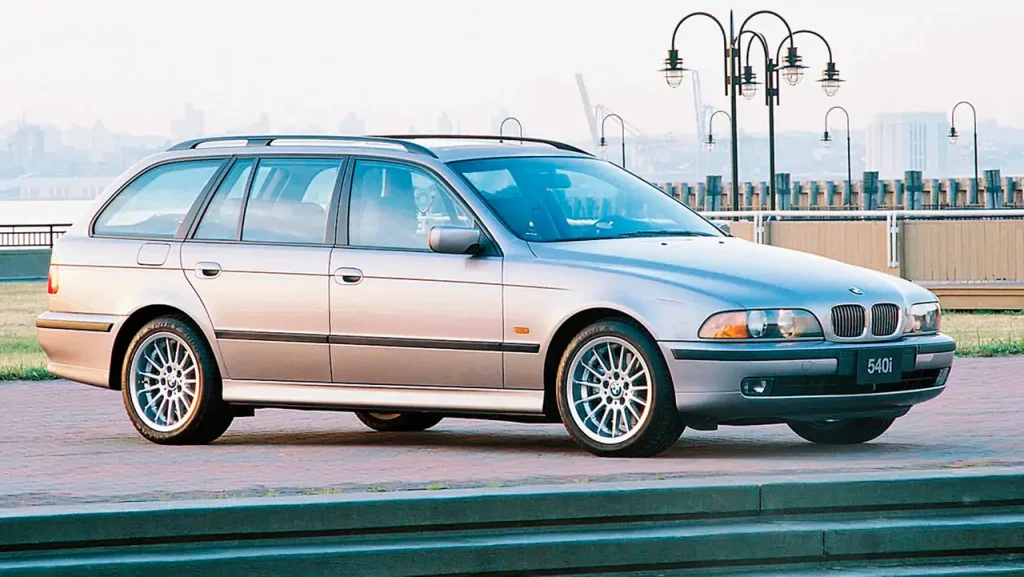
1999 BMW E39 540i Touring: The V8 Wagon That Had It All
The BMW 540i Touring proved that a practical family wagon didn’t have to give up the performance and character that made the 5 Series so appealing. When it arrived in 1999, it essentially gave new meaning to the idea of having plenty of “junk in the trunk.”
The standard 540i sedan was already a compelling combination of luxury and performance, packing a 4.4-liter V8 with 282 horsepower (210 kW) and the balanced driving dynamics that BMW enthusiasts expected. The Touring took that same formula and added a generous dose of everyday practicality, creating a wagon that could carry far more than the sedan without losing its sporting edge.
For 1999, the 4.4-liter V8 was upgraded to produce 291 hp (217 kW), while the 540i Touring also benefited from modern features such as Xenon headlights and Park Distance Control. But the wagon’s biggest advantage was hiding behind the rear seats: all that additional cargo space.
It was the perfect combination of muscle, comfort, and utility—proof that you didn’t need to sacrifice driving enjoyment just because you needed a little more room in the back.
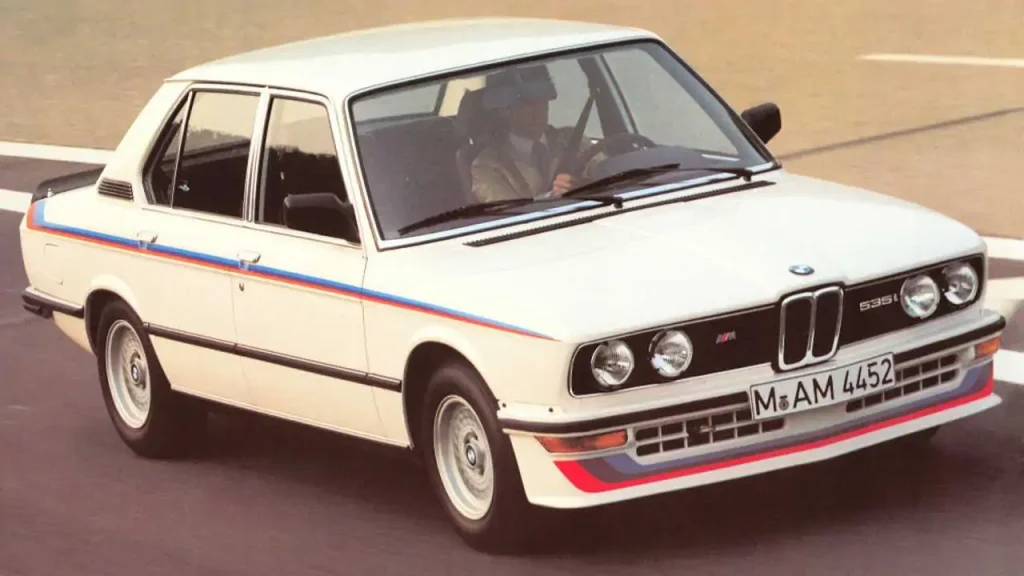
1980 BMW E12 M535i: Where the 5 Series M Legacy Began
Every legend has to start somewhere, and for the BMW 5 Series, that beginning was the E12. Introduced in the 1970s, the first-generation 5 Series established the formula that would define BMW’s executive sedan for decades: elegant styling, balanced handling, and a strong emphasis on the driving experience.
But among the early E12 models, the M535i stood apart. Added to the lineup in 1979, it was the first time BMW applied its M performance philosophy to the 5 Series, laying the groundwork for the high-performance M cars that would follow.
Under the hood was BMW’s M30 straight-six, producing an impressive 215 horsepower (160 kW). The engine was paired with a race-inspired chassis setup that gave the M535i sharper handling than the standard 5 Series. BMW also gave it distinctive M-specific exterior and interior touches, making sure the car looked as serious as it drove.
Sadly for North American enthusiasts, the M535i was never officially sold in the United States because of regulatory restrictions. It remained a European-market exclusive, adding another layer of rarity to one of the most historically significant versions of the first-generation 5 Series.
The E12 M535i may have been an early experiment in M performance, but it established a formula BMW would spend decades perfecting: a practical luxury sedan with the heart of a sports car.
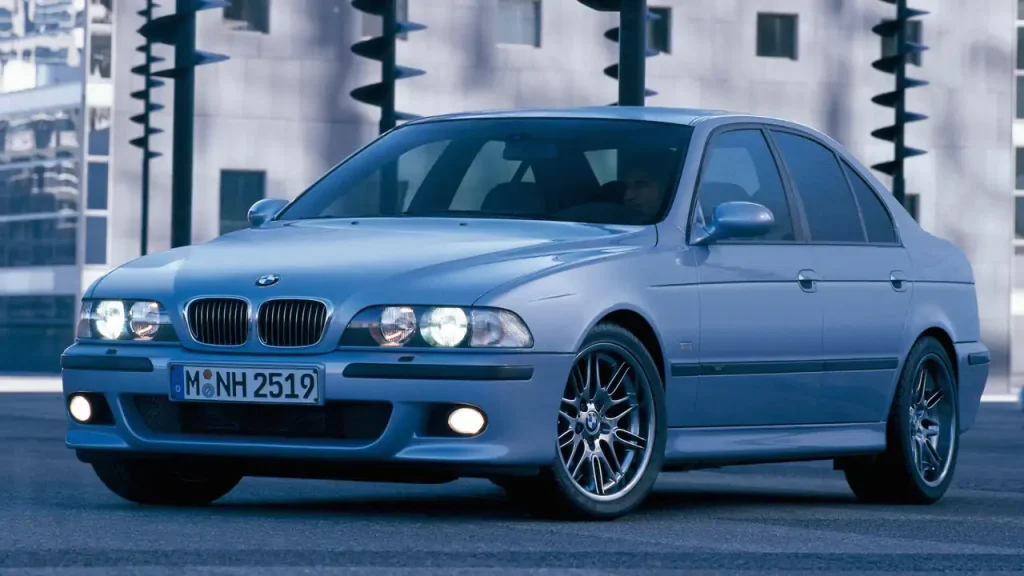
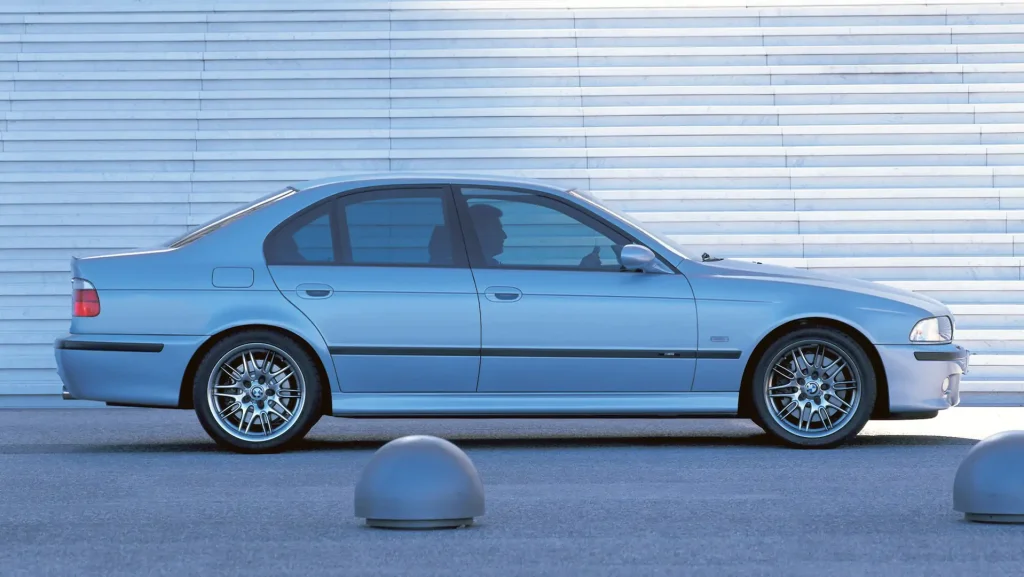
1999 BMW E39 M5: BMW’s Ultimate Super Sedan
The E39 BMW M5 didn’t need long to establish itself as a future classic. Introduced in 1999, it took the already-excellent E39 5 Series formula and transformed it into one of the most capable performance sedans of its era. BMW made significant changes to the suspension and dropped in a larger V8, giving the M5 the performance to challenge cars far beyond its class.
Power came from a 4.9-liter V8 producing 400 horsepower (298 kW) and 395 pound-feet (535 Nm) of torque. That was enough to send the M5 from 0 to 60 mph in just 4.8 seconds, while removing the electronic limiter allowed it to reach 186 mph (299 km/h).
The M5 was more than a straight-line performer, too. BMW test drivers reportedly lapped the Nürburgring in 8:20, demonstrating the car’s ability to combine high-speed performance with the balanced handling expected from an M car.
During its relatively short production run, some reviewers went as far as calling the E39 M5 “the greatest super sedan of all time.” Buyers seemed to agree. BMW sold 20,482 examples in fewer than five years, giving the E39 M5 both the performance credentials and enthusiast following to become one of the most celebrated M cars ever built.
More than two decades later, its combination of a naturally aspirated V8, rear-wheel drive, manual transmission, understated styling, and everyday practicality continues to make the E39 M5 a benchmark for performance sedans.
Recommended Models
- 528e
- 535i
- M535i
- E28 M5
Collectors value well-preserved examples for their historical significance and engaging driving experience.Comparison Table
Generation Years Driving Feel Reliability Luxury Collector Value E28 1981–1988 ★★★★★ ★★★★☆ ★★☆☆☆ ★★★★★ E34 1988–1996 ★★★★★ ★★★★☆ ★★★☆☆ ★★★★☆ E39 1995–2003 ★★★★★ ★★★★★ ★★★★☆ ★★★★★ F10 2010–2016 ★★★★☆ ★★★★☆ ★★★★★ ★★★☆☆ G30 2017–2023 ★★★★☆ ★★★★☆ ★★★★★ ★★★☆☆ Which One Should You Buy?
- Best Overall: E39 530i — The ideal blend of performance, comfort, reliability, and classic BMW character.
- Best Classic: E34 525i — Durable, analog, and rewarding to drive.
- Best Daily Driver: G30 540i — Modern technology with an excellent inline-six engine.
- Best Value: F10 535i — Premium comfort and strong performance at an attractive used price.
- Best Investment: E28 M5 — A historically significant model with strong collector appeal.
- Ultimate Performance: G30 M5 Competition — Supercar acceleration in a luxury sedan.
Final Verdict
If you want the purest expression of the BMW 5 Series, the E39 remains the benchmark. Its precise steering, balanced chassis, durable inline-six engines, and timeless design have earned it a reputation as one of the finest sports sedans ever made. For modern buyers, the G30 540i offers the closest equivalent, blending contemporary technology with the smooth, powerful B58 inline-six engine that has become one of BMW’s best modern powerplants.