
From standout successes to notable letdowns, here are the 10 things that defined the 2017 Detroit Auto Show.
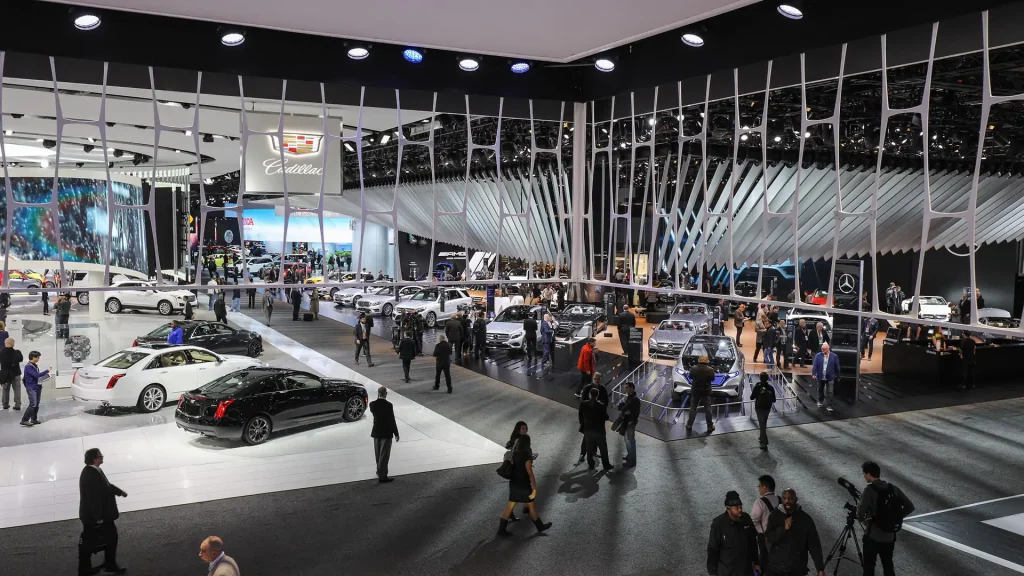
Another year, another Detroit Auto Show packed with world premieres, bold concepts, and plenty of talking points. The 2017 North American International Auto Show once again served as the industry’s biggest stage for automakers to unveil their latest cars, trucks, SUVs, and technology, offering a glimpse at where the automotive world is headed.
Rather than looking only at the vehicles and announcements that impressed us the most, we’re taking a more balanced approach by examining the show’s biggest successes and its most noticeable shortcomings. Every auto show has its standout stars, but it also has a few reveals that fail to live up to expectations, questionable design decisions, and missed opportunities that leave enthusiasts wanting more.
From groundbreaking performance cars and innovative concepts to underwhelming debuts and head-scratching decisions, these are the moments that generated the most excitement—and the most criticism—at the 2017 Detroit Auto Show. Whether you followed every unveiling as it happened or are just catching up, our roundup highlights the 10 biggest hits and misses that defined this year’s event.
If you missed any of the action, be sure to explore our complete Detroit Auto Show coverage for in-depth stories, photo galleries, first looks, and analysis of every major debut from Detroit.
Table of Contents
The Standouts
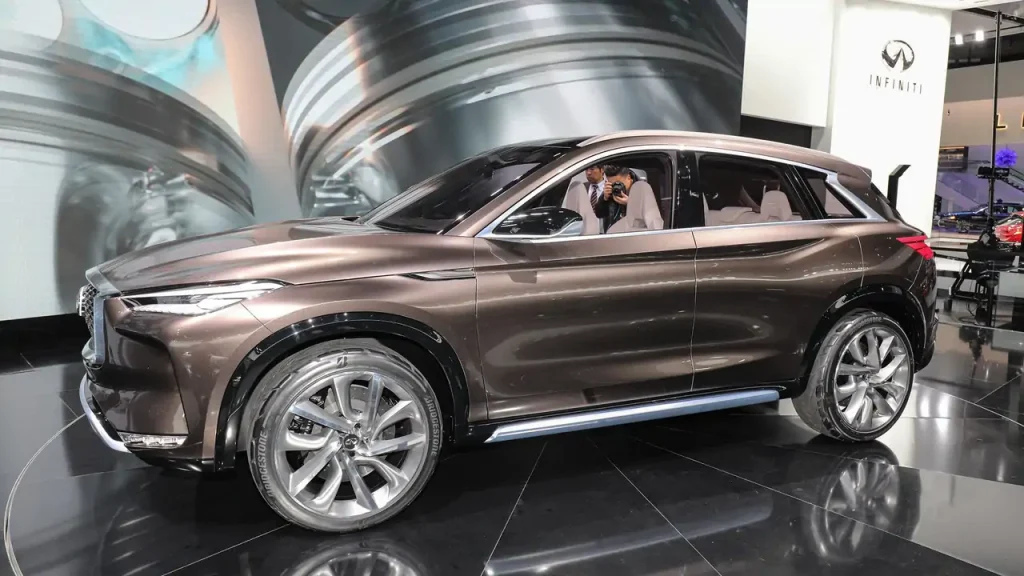
Infiniti QX50 Concept: A Bold Glimpse at Infiniti’s Future SUV
The Infiniti QX50 Concept was one of the highlights of the 2017 Detroit Auto Show, offering a near-production preview of the brand’s next-generation luxury crossover. Featuring sleek, sculpted styling, a spacious premium interior, and advanced technology, the concept showcased Infiniti’s new design direction. It also hinted at the innovative VC-Turbo variable-compression engine that would later power the production QX50,When it reaches production, the QX50 is expected to compete head-to-head with premium compact luxury SUVs such as the Audi Q5 and Mercedes-Benz GLC, making it one of the show’s most significant and forward-looking debuts.
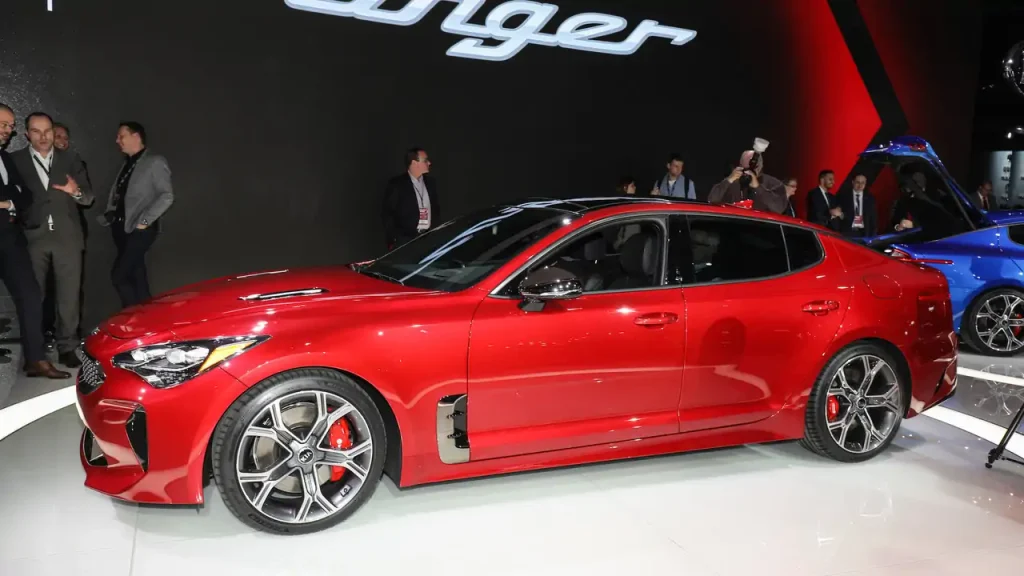
2018 Kia Stinger: Kia’s Bold New Performance Sedan
The 2018 Kia Stinger was one of the biggest stars of the 2017 Detroit Auto Show, marking Kia’s bold move into the performance sedan segment. With sleek fastback styling, rear-wheel-drive architecture, and a powerful 365-horsepower twin-turbo V6 available in the GT model, the Stinger demonstrated that Kia was ready to challenge established European rivals. Its premium interior, advanced technology, and everyday practicality made it one of the show’s most impressive debuts.
The Stinger also earned praise from MotorTrend editors. Chris Walton applauded Kia for taking a bold risk in a market dominated by luxury brands, while Jeff Glucker appreciated its blend of performance, design, and value, calling it one of the most exciting new vehicles to emerge from Detroit. Together, they viewed the Stinger as a turning point for Kia and one of the clear hits of the 2017 Detroit Auto Show.
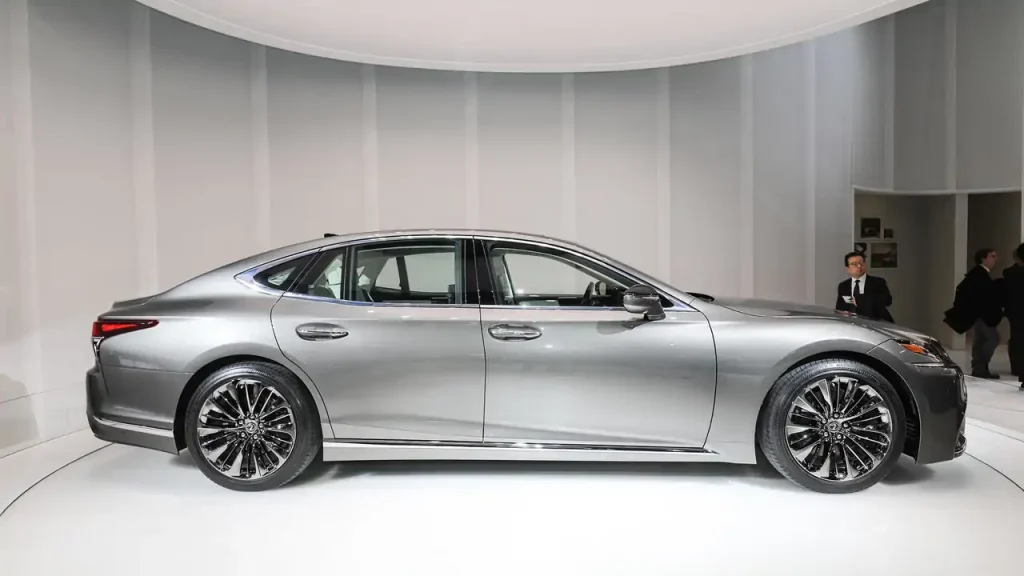
2018 Lexus LS: A Bold New Flagship Sedan
The all-new 2018 Lexus LS was one of the most impressive luxury debuts at the 2017 Detroit Auto Show. Completely redesigned from the ground up, Lexus’ flagship sedan adopted a lower, sleeker profile, a bold spindle grille, and a more athletic rear-wheel-drive platform that delivered improved handling without sacrificing comfort. Inside, the LS showcased exceptional craftsmanship with premium materials, cutting-edge infotainment, and advanced driver-assistance technologies. Replacing the previous V8 with a 3.5-liter twin-turbocharged V6, the new LS offered stronger performance, greater efficiency, and a more engaging driving experience, making it a worthy rival to established luxury sedans from Germany.
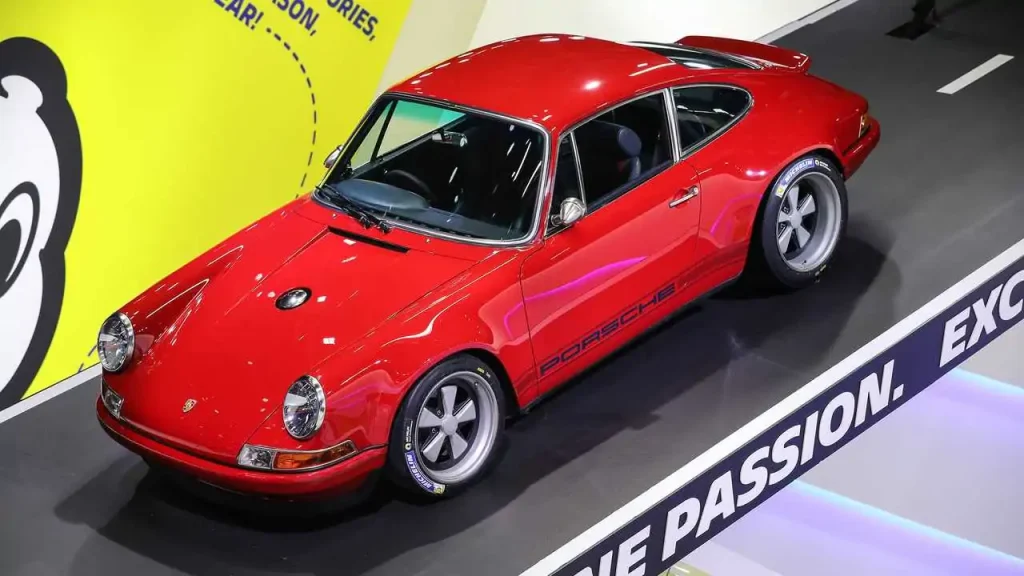
Singer: Reimagining the Porsche 911
Choosing Singer as one of the highlights was an easy decision. Thanks to Michelin’s partnership with Singer Vehicle Design, the renowned restoration specialist brought its stunning Monaco and London commissions to the 2017 Detroit Auto Show, marking the first public appearance for both cars.
Singer has earned a reputation for reimagining the classic air-cooled Porsche 911 with an unmatched level of craftsmanship and precision. Every detail—from the hand-finished bodywork to the meticulously tailored interior—is carefully refined while incorporating modern engineering, performance upgrades, and contemporary comforts. The result is a car that preserves the soul of the original 911 while elevating it to an entirely new level.
The Monaco and London cars drew crowds throughout the show, proving that timeless design never goes out of style. Even without an official Porsche display at Detroit, these breathtaking Singer creations ensured there was no shortage of iconic 911s on the show floor. Beautifully built and exquisitely detailed, they were among the most memorable vehicles on display.
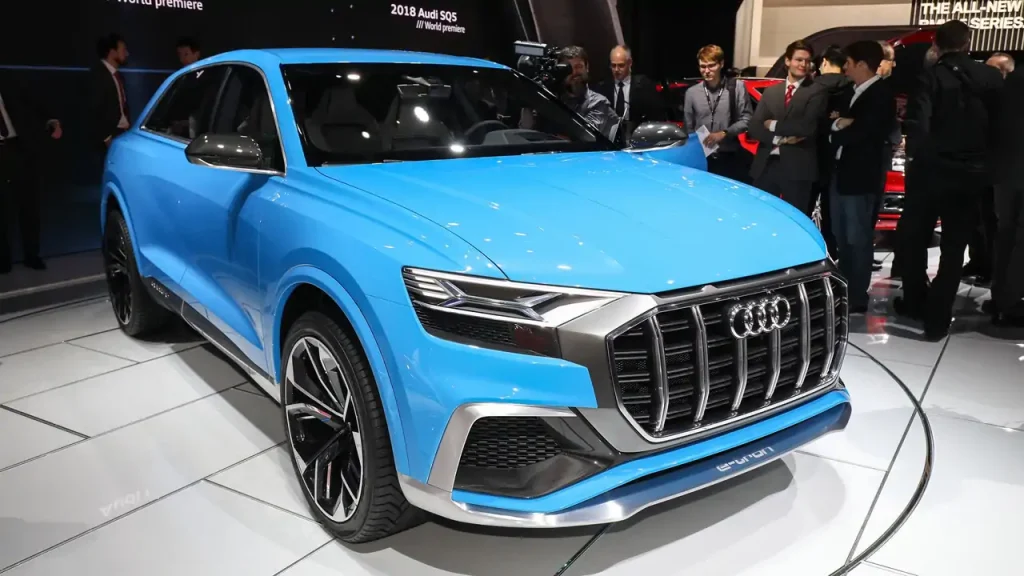
Audi Q8 e-tron Concept: A Glimpse at Audi’s Electric SUV Future
Love them or hate them, coupe-inspired SUVs have become a growing part of the luxury market, and Audi’s interpretation stands out from the crowd. The Q8 e-tron Concept offered an early look at the brand’s upcoming flagship SUV, combining bold styling with advanced electrified technology. Its plug-in hybrid powertrain promised strong performance and improved efficiency, while the sleek, muscular bodywork gave it a distinctive presence that was both sporty and sophisticated.
The concept also showcased several futuristic design touches, including illuminated Audi logos on the B-pillars that replaced conventional door handles. While this feature wasn’t expected to make it to production, it highlighted Audi’s willingness to experiment with innovative ideas. Finished in a striking metallic blue, the Q8 e-tron Concept was one of the most eye-catching vehicles at the 2017 Detroit Auto Show and provided an exciting glimpse at the future of Audi’s premium SUV lineup.
The Letdowns
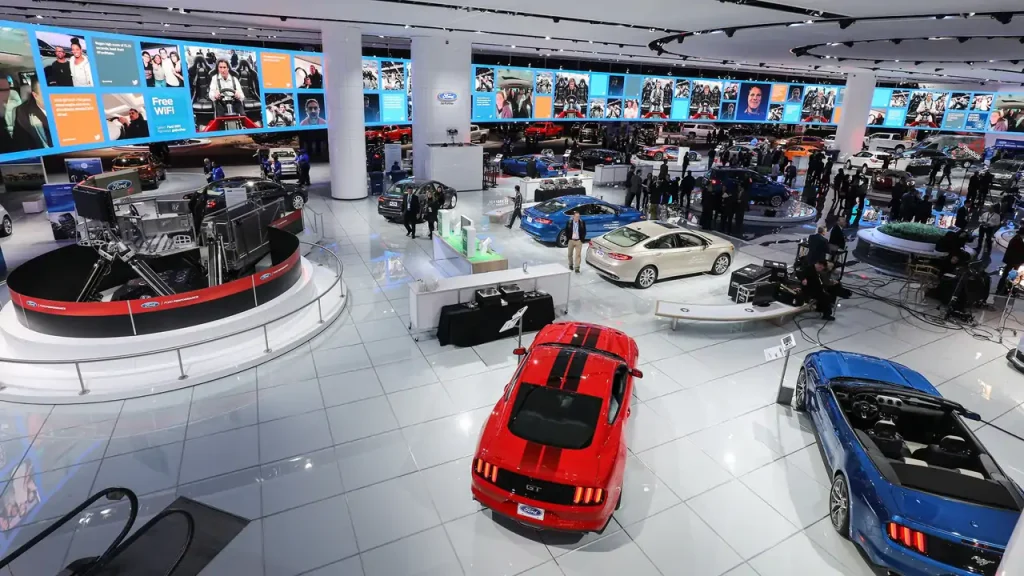
American Automakers Kept a Low Profile
For a show held in Detroit—the heart of the American auto industry—the domestic automakers delivered surprisingly few major debuts. Ford’s biggest reveal was the refreshed F-150, while much of its press conference focused on future product plans and discussions about mobility rather than new vehicles. Fiat Chrysler had already unveiled its all-electric, semi-autonomous Portal concept at CES the week before, leaving little fresh news for Detroit. Meanwhile, Buick, Cadillac, and Lincoln arrived without any significant new models or concepts to unveil.
Considering the show’s location and its importance to the U.S. auto industry, the lack of headline-grabbing reveals from American brands was a notable disappointment. Detroit has long been the stage where domestic automakers make their biggest statements, but this year, many of them seemed content to let the imports steal the spotlight.
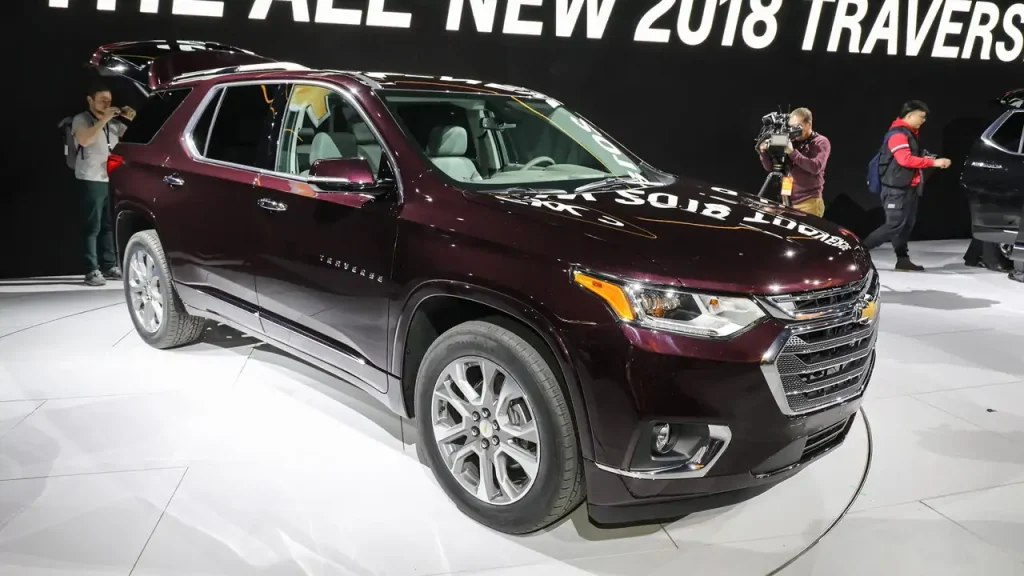
2018 Chevrolet Traverse: An Evolution, Not a Revolution
The redesigned 2018 Chevrolet Traverse brought more passenger space, updated styling, improved technology, and a more refined driving experience to Chevrolet’s midsize SUV lineup. While it was a capable and practical family vehicle,the Traverse lacks the wow factor expected from a major debut. Its powertrain options, cabin design, and technology feel more evolutionary than innovative, leaving the impression that it could age quickly as competitors introduce more advanced features and fresher designs.
Where Were the Dream Cars?
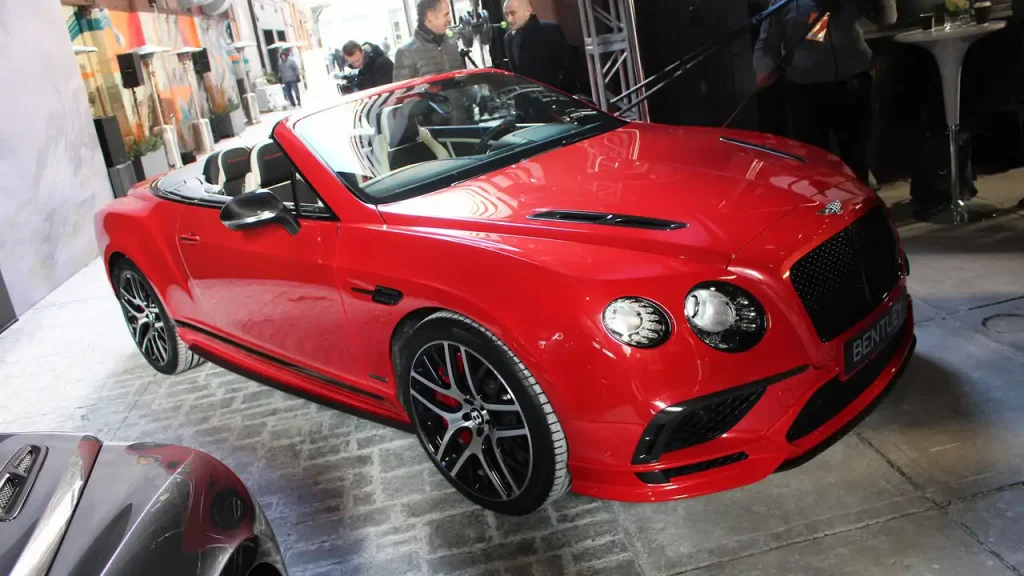
One of the biggest disappointments of the 2017 Detroit Auto Show was the noticeable absence of exotic and aspirational vehicles. While the show floor was filled with practical crossovers, trucks, and production-focused models, it lacked the kind of dramatic supercars and high-performance machines that often create the biggest buzz at major auto shows.
Detroit has traditionally been a place where automakers showcase their most exciting ideas, from futuristic concepts to halo vehicles designed to capture the imagination of enthusiasts. However, the 2017 event felt more restrained, with fewer wild designs and fewer vehicles that made attendees stop and simply admire the engineering and styling.
Many luxury and exotic brands chose to skip the show or arrived without major debuts, leaving a gap in the lineup. Without a strong presence from the world’s most exclusive automakers, the event missed some of the spectacle and emotional appeal that help make auto shows memorable. The absence of true dream cars meant fewer moments of surprise and excitement compared with previous years.
While there were impressive reveals from mainstream manufacturers—including new SUVs, performance models, and advanced technology showcases—the lack of exotic machinery made the show feel more focused on practicality than passion. For enthusiasts hoping to see the latest supercars, limited-production models, or futuristic performance concepts, Detroit in 2017 left them wanting more.
An auto show is not only about the vehicles people will buy tomorrow; it is also about the cars that inspire future generations. The 2017 Detroit Auto Show delivered plenty of sensible and important new models, but it lacked the emotional centerpiece—the unforgettable dream machines—that often define the biggest automotive events.
2018 GMC Terrain: GMC’s Stylish New Compact SUV
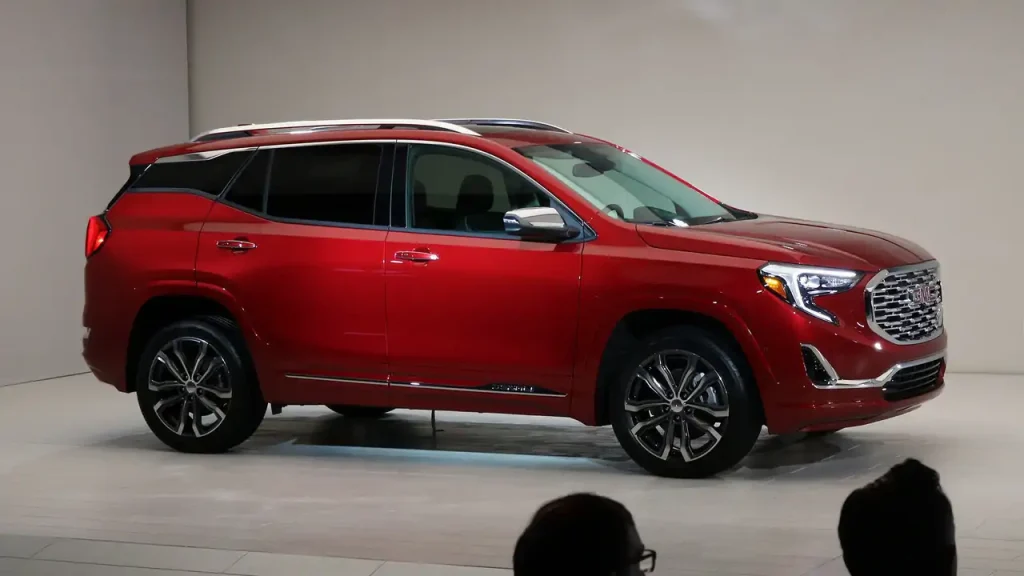
The 2018 GMC Terrain struggled to make a strong impression, and its unconventional gear shifter was enough to leave a questionable first impression. Beyond that, the redesigned crossover’s styling failed to excite, with a bulky appearance and an awkward floating roof design that raised concerns about visibility and overall execution. While the addition of turbocharged engines and an available diesel powertrain were welcome upgrades, they weren’t enough to overcome the Terrain’s lack of standout appeal. In a crowded SUV segment, GMC’s latest crossover felt more like a missed opportunity than a game changer.
Volkswagen I.D. Buzz Concept: The Electric Microbus Reimagined
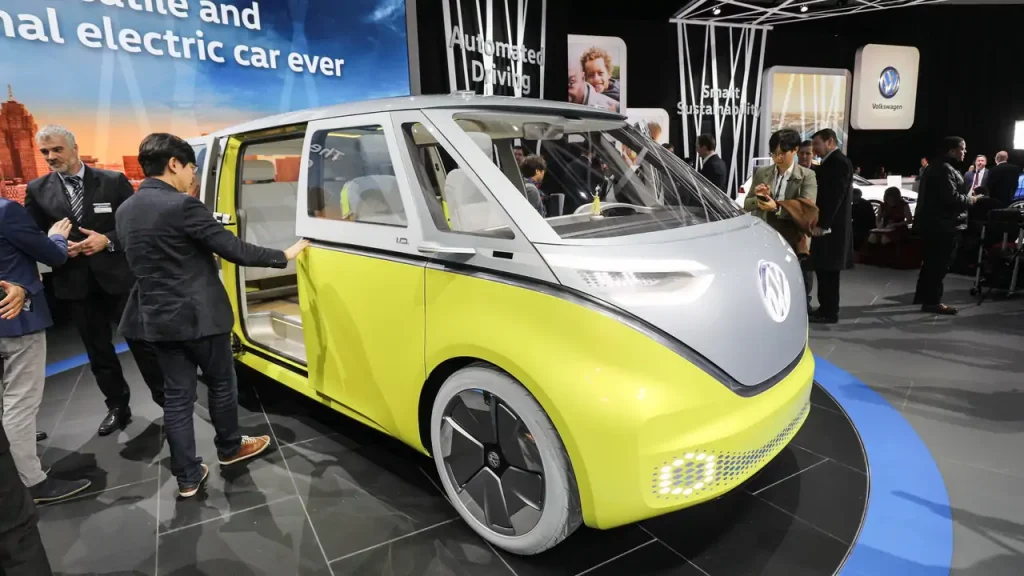
Volkswagen’s I.D. Buzz was one of the most talked-about concepts at the 2017 Detroit Auto Show, combining the nostalgic appeal of the classic Microbus with the technology and design language of the future. Its boxy shape, short overhangs, spacious interior, and electric powertrain created an exciting vision of what a modern, zero-emissions people mover could become.
The concept earned plenty of praise for its styling and emotional connection to one of Volkswagen’s most beloved icons. The original Type 2 Bus remains a cultural symbol, and the I.D. Buzz successfully captured that spirit while adding a futuristic twist with autonomous-driving technology, a flexible cabin layout, and an all-electric platform.
However, the biggest issue was that Volkswagen had shown similar ideas before. The I.D. Buzz followed earlier Microbus-inspired concepts such as the Bulli and Budd-e, both of which generated excitement but never reached production. After years of seeing variations of the same idea, some enthusiasts were becoming frustrated by Volkswagen’s repeated previews without a real vehicle to buy.
The I.D. Buzz represented everything people wanted from a modern electric van—style, practicality, and personality—but its status as another concept made it feel like another promise rather than a finished product. Volkswagen had successfully proven there was demand for a new-age Microbus; the challenge was finally turning that enthusiasm into a production model.