
Every Geneva Motor Show brings a flood of exciting debuts, bold concepts, and headline-grabbing surprises. While many vehicles earned well-deserved praise, others failed to live up to the hype. From show-stopping masterpieces to puzzling missteps, these are the biggest hits and misses that defined the 2017 Geneva Motor Show.
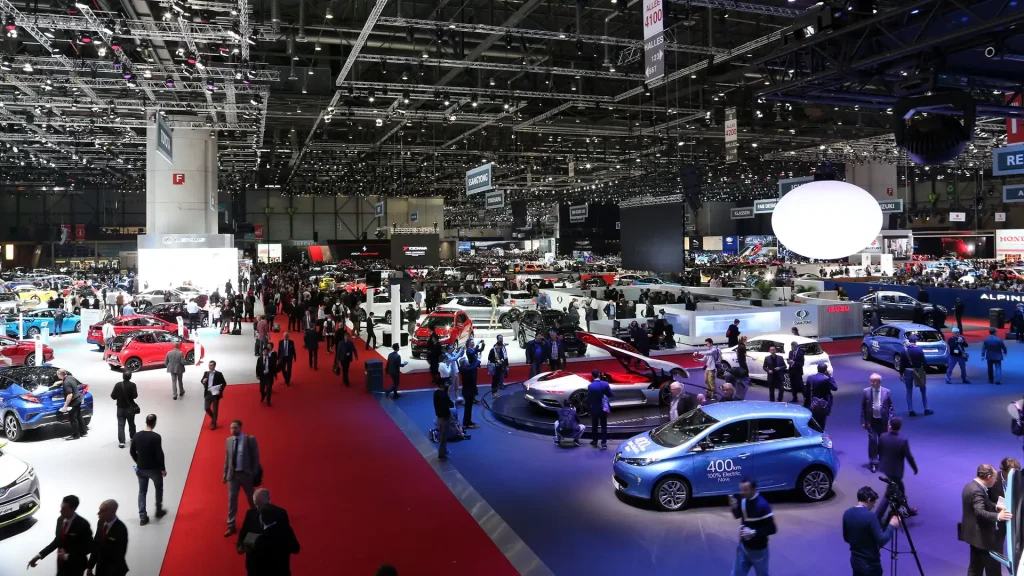
The Geneva Motor Show has long been one of the automotive world’s premier events, bringing together everything from economical hatchbacks and family SUVs to jaw-dropping supercars and futuristic concept vehicles under one roof. Few shows offer such an incredible range of new models, making Geneva a must-see event for enthusiasts and industry insiders alike.
That incredible variety also made this year’s Hits and Misses list especially difficult to assemble. While a few reveals failed to meet expectations, there were so many impressive debuts that narrowing our favorites to just a select few was no easy task.
If you haven’t followed all of our Geneva Motor Show coverage, there’s still plenty to explore. We’ve published nearly 100 stories covering the show’s biggest premieres, concept cars, production debuts, exclusive photo galleries, videos, and expert analysis of everything that mattered in Geneva.
Table of Contents
The Standout Debuts
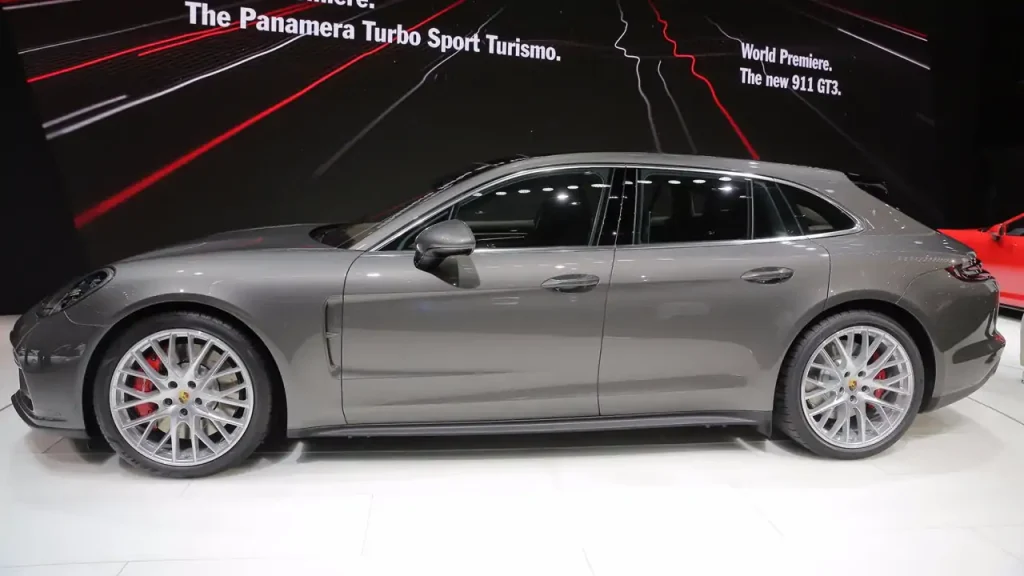
Porsche Panamera Sport Turismo: A Standout Geneva Debut
Some would argue this is the Panamera Porsche should have built from the very beginning. With its sleek wagon profile replacing the standard hatchback’s rear end, the Sport Turismo strikes a far more elegant and balanced silhouette without sacrificing practicality. If it delivers the same exceptional performance and driving dynamics as the regular Panamera, it’s destined to be one of the segment’s finest all-rounders.
It was also one of the biggest crowd magnets at the Geneva Motor Show. Nearly every time we passed Porsche’s display, the Sport Turismo was surrounded by admirers eager to get a closer look. Combining everyday usability with unmistakable Porsche styling and performance, it’s one of the brand’s most impressive—and most desirable—debuts in years.
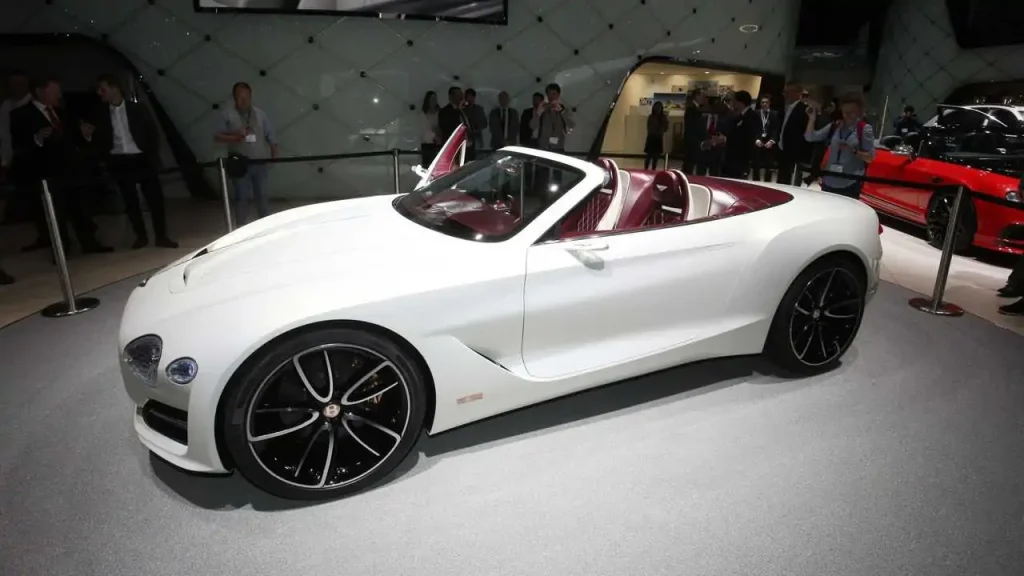
Bentley’s Vision of an Electric Grand Tourer
This is the kind of interior that reminds you why Bentley remains synonymous with luxury. Every surface, material, and detail reflects the brand’s commitment to craftsmanship, but the cabin isn’t the only thing that makes the EXP 12 Speed 6e stand out. Unlike the larger Continental GT, this concept adopts a far more compact footprint, a dramatically lower stance, and a classic two-seat roadster layout that gives it a sportier, more purposeful character.
Admittedly, the front-end styling may divide opinions, and the name isn’t exactly memorable. Even so, the overall design is striking, blending Bentley’s unmistakable elegance with a bold vision for an all-electric grand tourer. If the company ever greenlights a production version, we’d happily line up to see it become a reality. It’s one of the most captivating concepts to debut at Geneva.
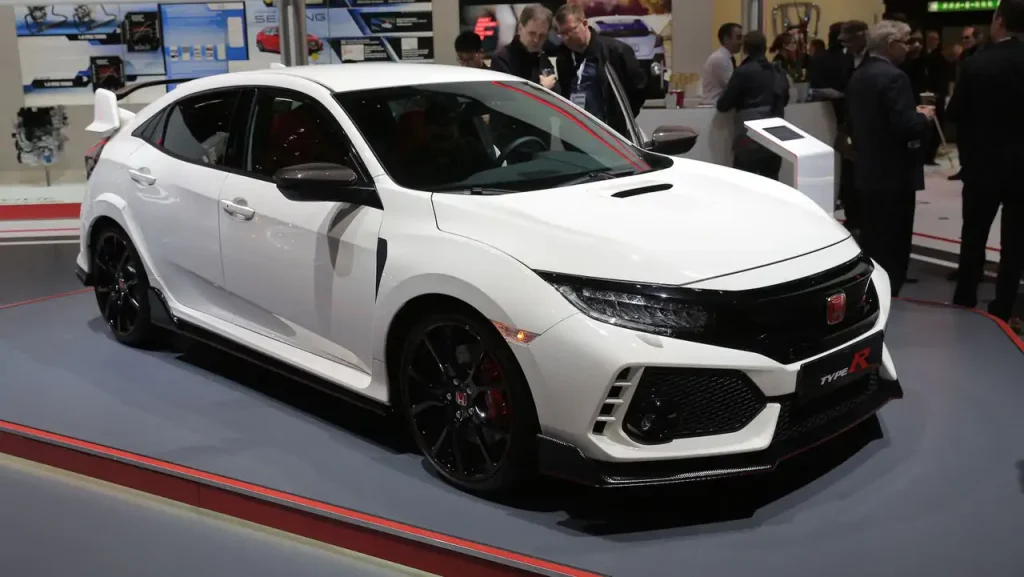
Honda Civic Type R: Hot Hatch Perfection
After years of anticipation, the production-ready Honda Civic Type R has finally arrived—and it hasn’t sacrificed an ounce of the aggressive personality that made the concept such a standout. From its triple center-mounted exhaust outlets to its massive rear wing and functional aerodynamic styling, Honda wisely kept the bold design intact. Better still, it’s built on the already impressive Civic Hatchback, combining everyday practicality with serious performance.
Power comes from a turbocharged 2.0-liter four-cylinder engine producing 306 horsepower, delivering the kind of performance enthusiasts have been waiting for. Even more significant, the Civic Type R marks the first model to wear Honda’s legendary Type R badge in the United States. American buyers also get the honor of receiving it before most other global markets, with the engine built in Anna, Ohio, and sales beginning in the spring. With its blend of track-ready capability and everyday usability, the Civic Type R quickly earned its place among the biggest stars of the Geneva Motor Show.
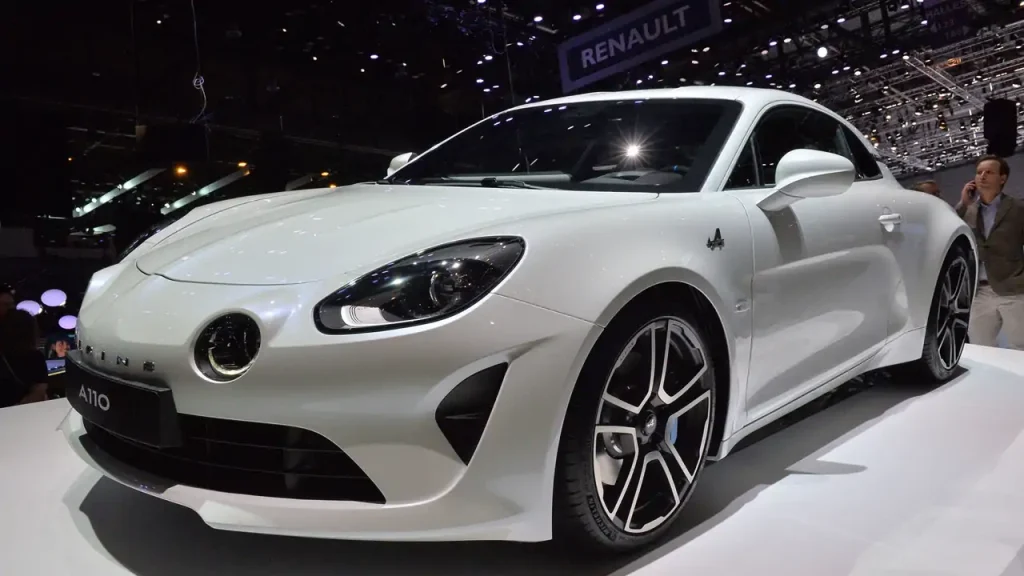
Alpine A110: The Icon Returns
After a four-decade hiatus, the Alpine A110 has made a triumphant return, blending timeless styling with modern engineering. Inspired by the original icon, the reborn sports car faithfully carries over its classic proportions and lightweight philosophy, tipping the scales at just 2,381 pounds. Under the rear deck sits a turbocharged 1.8-liter four-cylinder engine producing 252 horsepower, enough to propel the A110 from 0 to 62 mph in only 4.5 seconds while delivering power exclusively to the rear wheels.
The result is a nimble, driver-focused coupe that offers a refreshing alternative to more established sports cars like the Porsche Cayman. Its combination of low weight, balanced handling, and distinctive character makes it one of the most exciting debuts of the Geneva Motor Show. The only real disappointment? Despite its enthusiast-focused mission, Alpine chose not to offer a manual transmission.
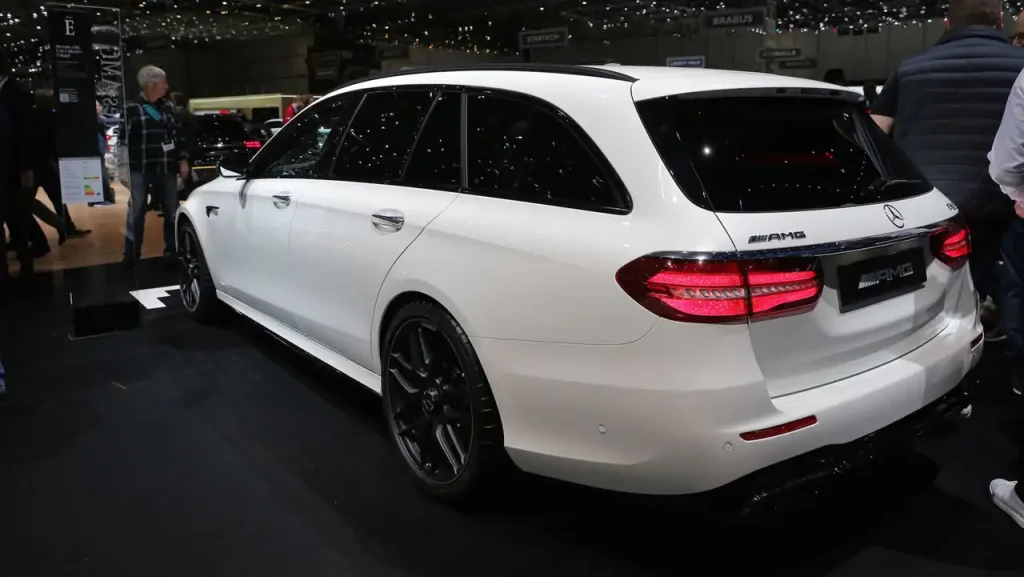
Performance Wagons
For American enthusiasts, few automotive fantasies are more appealing than a high-performance wagon. Combining sports-car performance with everyday practicality, these long-roof machines have long been a rarity in the U.S., making every new arrival something worth celebrating. Thankfully, Mercedes-Benz continues to offer the AMG E63 S Wagon, while the Porsche Panamera Sport Turismo is helping keep the segment alive.
The 2017 Geneva Motor Show proved that the performance wagon is far from extinct. Audi unveiled the latest S4 Avant, while BMW tuner Alpina showcased several potent estates, including the impressive B5 Touring—a model that comes tantalizingly close to filling the void of an M5 wagon. Each brings its own blend of speed, luxury, and versatility, proving that practical family cars can be just as exciting as traditional sports sedans. We can’t wait for the chance to get behind the wheel of the AMG E63 S Wagon and experience one of the finest performance wagons on the market.
The Biggest Disappointments
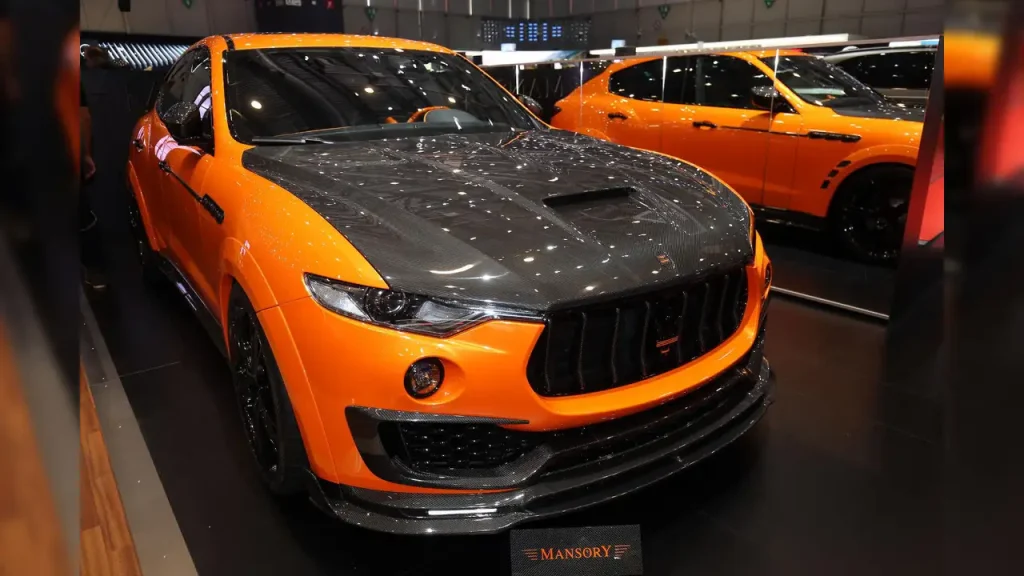
Tuners That Missed the Mark
Picking a single offender for this category wasn’t easy, because Geneva was packed with tuner cars that prioritized shock value over good design. From the wildly overstyled Mansory Maserati Levante in bright orange to the Gemballa Avalanche Porsche 911—complete with a hood scoop that doesn’t even feed the engine—there was no shortage of questionable creations.
They weren’t alone, either. Brabus, Hamann, Startech, and several other tuning houses arrived with heavily modified builds that often sacrificed elegance and purpose in favor of exaggerated bodywork and flashy styling. While customization is all about standing out, the best tuner cars enhance a vehicle’s character rather than overwhelm it. This year’s Geneva show proved that, sometimes, less really is more.
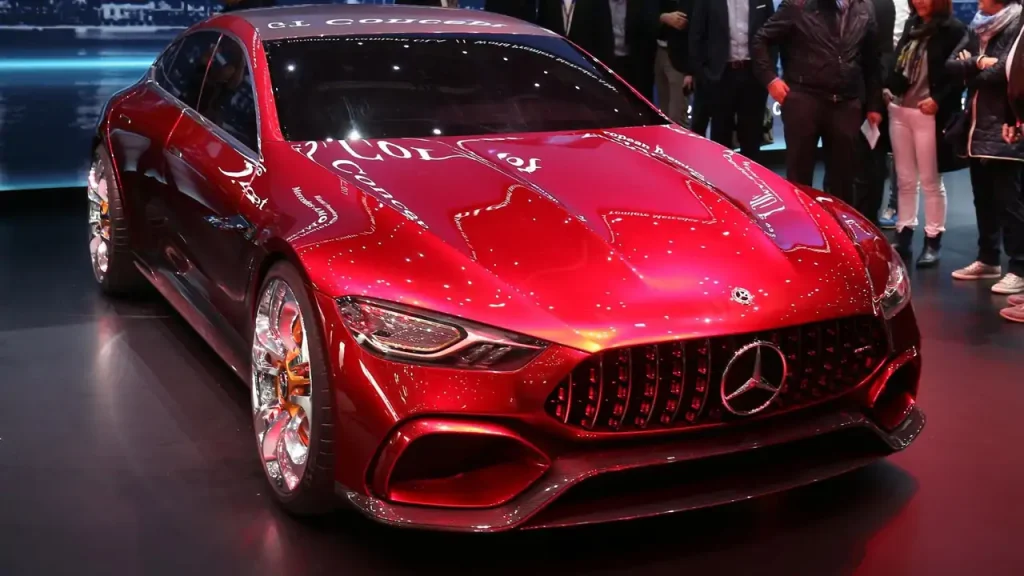
Mercedes-AMG GT Concept: A Polarizing Debut
Given its Mercedes-AMG GT Concept nameplate, expectations were understandably high. On paper, the sleek hybrid performance sedan promised a bold glimpse into AMG’s future, but the reality didn’t quite live up to the hype. While the concept photographs exceptionally well, its presence on the show floor was less captivating. In person, the proportions felt heavier than expected, and the design lacked the visual drama typically associated with AMG’s most memorable creations.
The oversized chrome wheels were another questionable choice. Instead of reinforcing the concept’s performance-focused identity, they drew attention for the wrong reasons and clashed with the otherwise modern design. Mercedes-AMG has consistently demonstrated that subtle, purposeful styling can be just as impactful as aggressive bodywork. In this case, a cleaner, more restrained execution would have made a stronger statement.
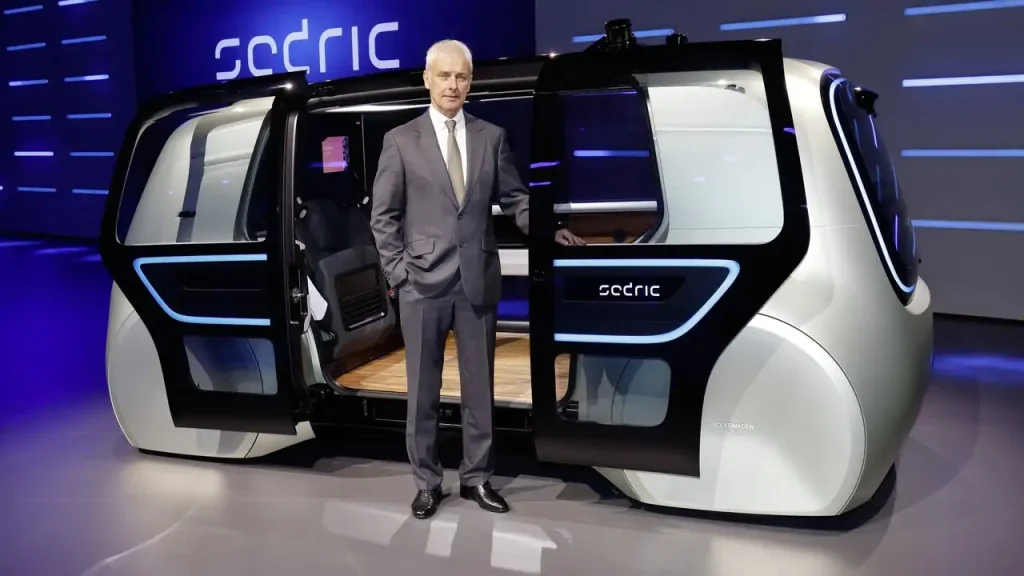
Volkswagen Sedric Concept: A Missed Opportunity
The idea behind the Volkswagen Sedric Concept is certainly relevant. As the industry moves toward fully autonomous driving, it’s only natural for automakers to rethink vehicle design once steering wheels, pedals, and traditional driver controls are no longer necessary. Unfortunately, Sedric doesn’t take that vision as far as it could.
Rather than presenting a bold new direction for autonomous mobility, the concept feels more like a minimalist shuttle than an inspiring glimpse of the future. Features such as voice interaction and a large OLED entertainment display are interesting, but they’re hardly groundbreaking, having already appeared in numerous self-driving concepts from other manufacturers.
There’s no question that designing for Level 5 autonomy opens the door to entirely new possibilities. The disappointment is that Volkswagen chose such a conservative approach. Compared with the imaginative and charismatic I.D. Buzz concept, Sedric lacks personality, visual excitement, and a sense of innovation. Its simple box-like shape and uninspired styling make it feel more like a transportation appliance than the future of mobility—a missed opportunity from a brand capable of far more imaginative concepts.
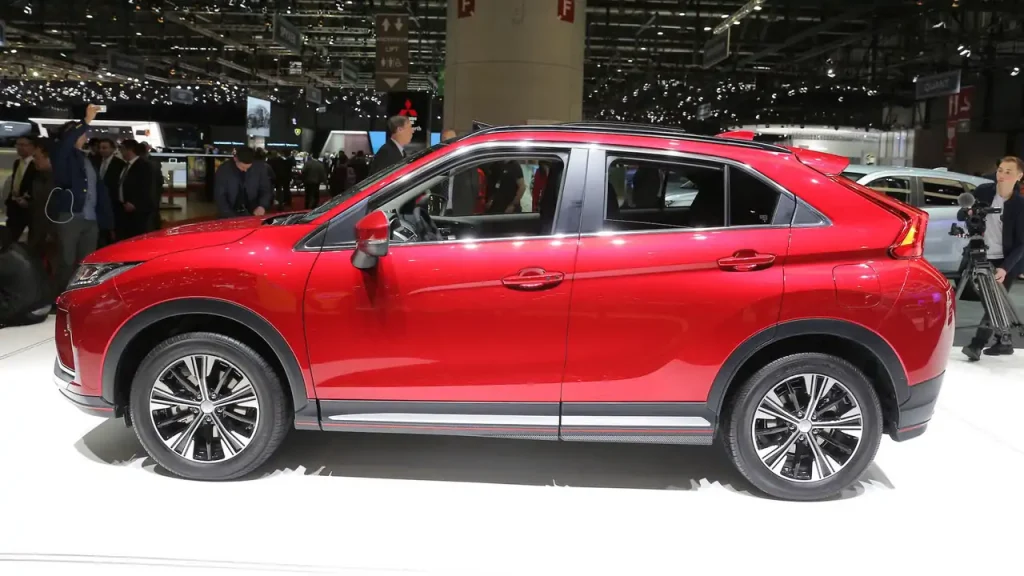
Mitsubishi Eclipse Cross: A Disappointing Revival
Mitsubishi has set ambitious expectations for its newest crossover, with executives describing it as the brand’s most accomplished vehicle to date. That’s a bold claim, but after seeing the Eclipse Cross make its debut in Geneva, we’re not entirely convinced.
Visually, the crossover feels more like a variation of the Outlander than a completely fresh design, with a sloping rear profile that appears to sacrifice cargo space in favor of styling. The cabin also leaves room for improvement, featuring familiar hard plastics and an infotainment touchpad that seems more like an afterthought than a fully integrated design element.
On paper, the turbocharged 1.5-liter engine is a welcome addition and could provide the performance the lineup has been missing. Even so, there’s still plenty to prove before the Eclipse Cross can live up to the lofty promises surrounding it. And while reviving the Eclipse name certainly grabs attention, attaching it to a crossover instead of a sporty coupe remains a controversial decision among enthusiasts. We’ll reserve our final verdict until we’ve had the opportunity to drive it, but based on first impressions, Mitsubishi still has some convincing to do.
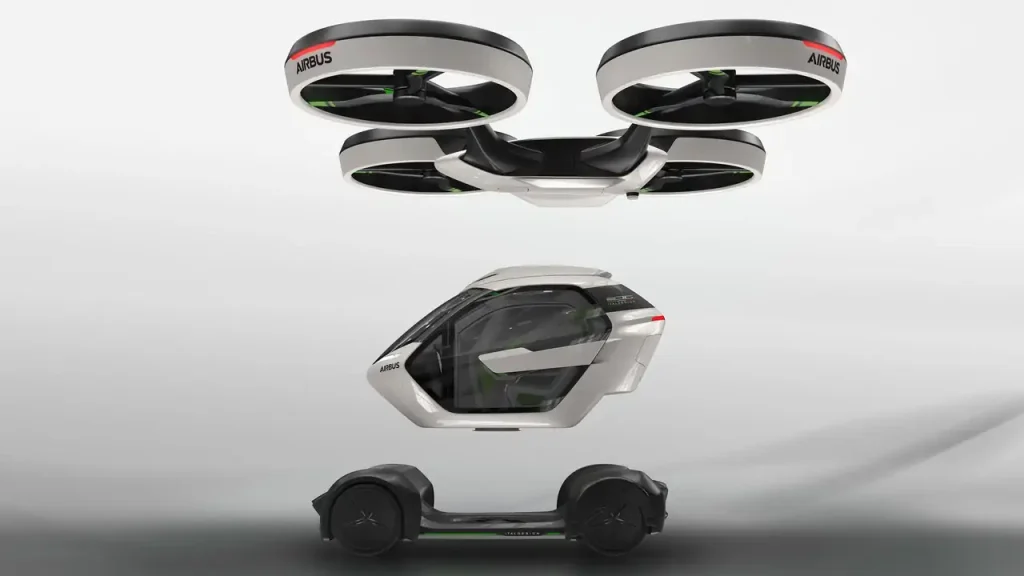 Italdesign and Airbus: A Flight of Fancy
There’s nothing wrong with dreaming big, especially when it comes to imagining the future of transportation. Concept cars are meant to challenge convention and spark conversations about what’s possible. Even so, some ideas feel far more grounded in science fiction than reality—and this collaboration between Italdesign and Airbus is one of them.
The concept envisions a modular passenger pod that can travel on an autonomous electric platform before being lifted into the air by a giant drone for longer journeys. It’s an undeniably ambitious proposal, but one that seems decades away from practical implementation. The technological, regulatory, and infrastructure hurdles alone make it difficult to see such a system becoming part of everyday life anytime soon.
We admire the creativity and willingness to think beyond traditional automobiles, but this concept ultimately feels more like an exercise in imagination than a believable preview of tomorrow’s mobility. For now, we’d rather see Italdesign continue creating breathtaking road cars like the stunning Zerouno—vehicles that prove the company is at its best when its bold ideas remain firmly planted on four wheels.