
After a year behind the wheel, these were the cars that impressed us—and the ones that left us wanting more.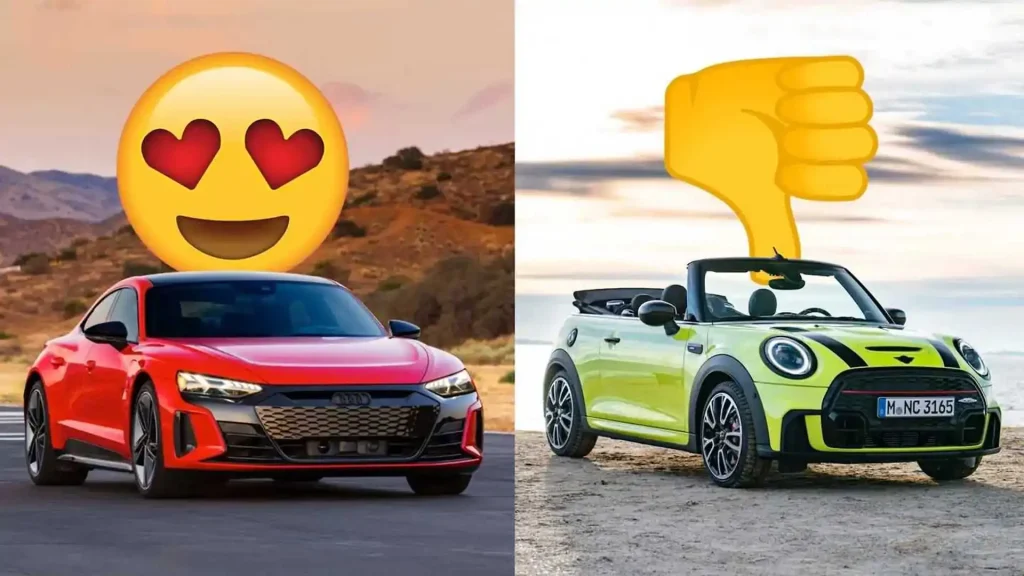 Throughout 2021, Motor1.com published hundreds of reviews, first drives, comparisons, and pros-and-cons articles. We also introduced our inaugural Star Awards, while our staff continued rotating through vehicles each week to test them, gather insights, and create new content. Now, with the year coming to a close, it’s time to put our usual objectivity aside and share our personal picks for the best and worst cars of the year.
Before diving into our team’s enthusiast-driven opinions, take a look at our highest-rated vehicles of 2021. You can also catch up on the winners of our first annual Star Awards, which featured several vehicles that appear in the selections below.
However you choose to explore these stories, everyone at Motor1.com wishes you a happy and successful 2022. And don’t forget to check back soon, because we have plenty of exciting things in store.
Table of Contents
Seyth Miersma, Editor-In-Chief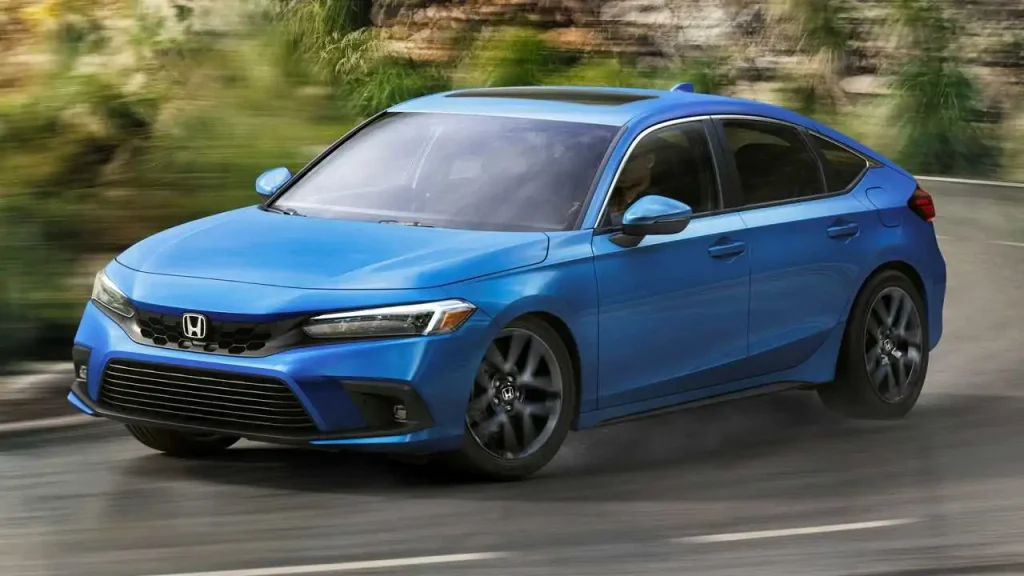
Best Car: Honda Civic Hatchback
Picking a favorite from an entire year of new vehicles is never easy, particularly when one of the alternatives is the spectacular Audi E-Tron GT. The Audi delivered astonishing acceleration, sophisticated handling, rear-wheel steering, and torque vectoring that made it feel far smaller than its size suggested.
But the car that ultimately won over Seyth Miersma was something far more attainable: the new Honda Civic Hatchback.
The Civic doesn’t need six-figure performance or exotic technology to make an impression. Instead, it succeeds by getting the fundamentals right.
The manual-transmission hatchback combines precise steering, strong brakes, a well-weighted clutch, and an engine that rewards drivers willing to work through the six-speed gearbox. It’s engaging without becoming exhausting, making it just as appealing on a winding road as it is during a daily commute.
Then there’s the practicality. The hatchback provides generous cargo room, while the cabin feels spacious and thoughtfully designed. Its minimalist dashboard also demonstrates that an affordable car doesn’t need to look or feel cheap.
The Audi E-Tron GT may have been the more dramatic experience, but the Civic made a stronger argument for why everyday cars don’t have to be boring.
Verdict: The Civic Hatchback proved that affordability, practicality, and driving enjoyment can still coexist.
Worst Car: Jeep Grand Wagoneer
Calling the Grand Wagoneer the “worst” vehicle of the year would be unfair, especially considering its enormous cabin, powerful V8, luxurious materials, and impressive road-trip credentials.
Still, its technology raised some eyebrows.
The Grand Wagoneer arrived packed with screens and connectivity features, including an elaborate rear-seat entertainment setup. On paper, the technology looked incredibly impressive. In real-world use over a long road trip, however, some of those features weren’t as intuitive or dependable as expected.
With so many functions spread across multiple displays and systems, simple tasks could sometimes require more effort than they should. Certain promised capabilities also required digging through instructions and online resources to figure out.
The Grand Wagoneer demonstrated an important lesson: more technology isn’t automatically better technology.
Brandon Turkus, Managing Editor
Best Car: Ford Bronco
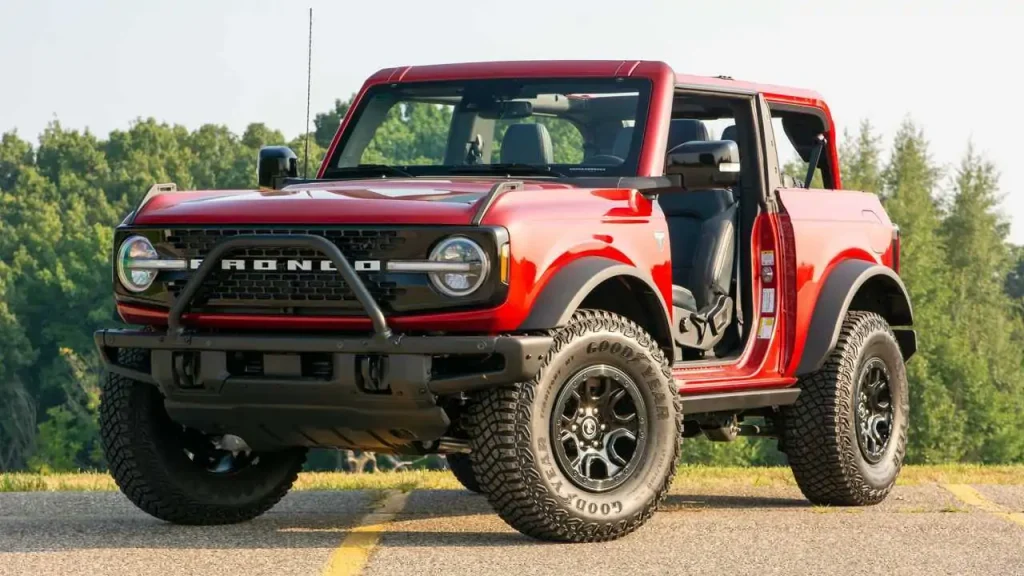
The Ford Bronco wasn’t simply one of the most anticipated vehicles of 2021. It was one of the most significant new SUVs to arrive in years.
For Brandon Turkus, it quickly became the vehicle he’d most want to own.
The appeal begins with the styling. Ford successfully revived the spirit of the original Bronco without simply copying it. The upright windshield, round headlights, squared-off body, removable doors, and short-wheelbase two-door configuration give it an unmistakable personality.
But the Bronco isn’t relying on nostalgia alone.
With the right equipment, it is an extremely capable off-roader. The available GOAT Modes make selecting the appropriate driving setup straightforward, while features such as the disconnecting front stabilizer bar help the Bronco tackle difficult terrain.
Its capability is also remarkably accessible. Drivers don’t need years of off-road experience to take advantage of the technology, and the Bronco remains entertaining when the trail opens up and higher-speed driving becomes possible.
The combination of serious hardware, approachable technology, retro styling, and genuine versatility made the Bronco one of 2021’s standout vehicles.
Verdict: The Bronco didn’t just bring back a famous name. It created a modern off-roader with an identity of its own.
Check out the first drive of the 2021 Ford Bronco.
Worst Car: Nissan 370Z
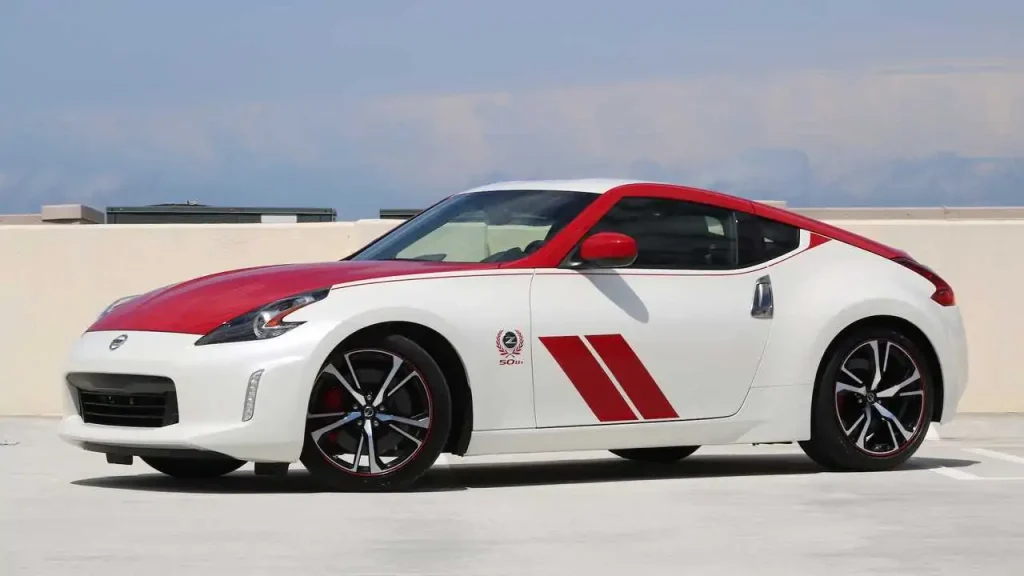
The Nissan 370Z deserves plenty of respect for keeping the traditional sports-car formula alive, but by 2021 its age had become impossible to ignore.
The basic architecture had been around for years, and the car’s technology, comfort, efficiency, and overall refinement had fallen well behind newer competitors.
Its naturally aspirated V6 still provided entertaining performance, but the engine felt coarse compared with newer turbocharged alternatives. The manual transmission wasn’t particularly smooth, and the clutch lacked the precision expected from a modern sports car.
The ride was also quite stiff, while the cabin and infotainment system highlighted just how long the Z had been on the market.
Ironically, that old-school character could appeal to enthusiasts who believe modern sports cars have become too sophisticated. But for most buyers, the 370Z felt more like a relic waiting for its replacement.
Fortunately, Nissan had already shown what was coming: the new Z.
Check out our review of the 2020 Nissan 370Z.
Brett Evans, Senior Editor
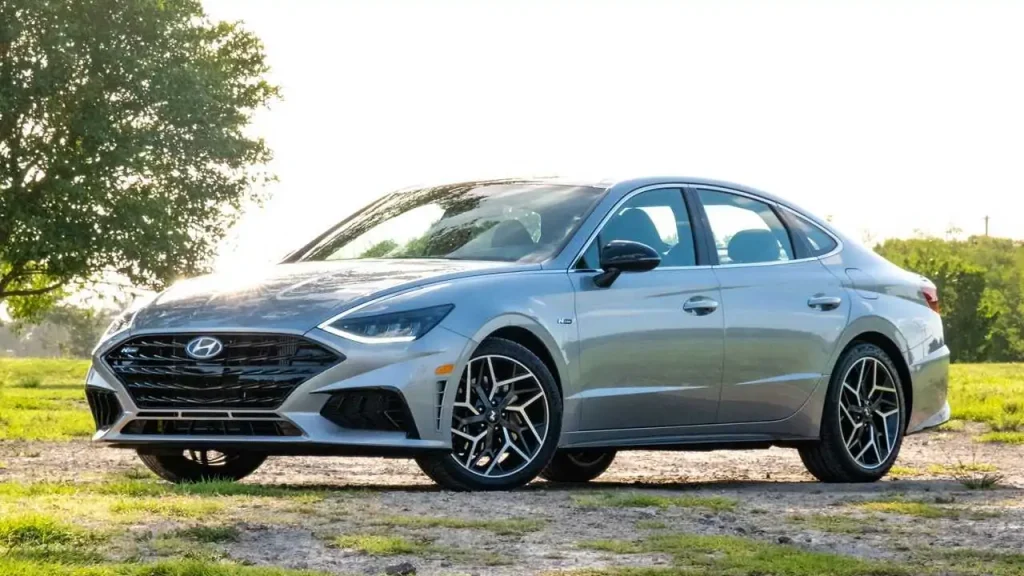
Best Car: Hyundai Sonata N Line
The Porsche 718 Boxster 25 Years was arguably the more exciting car Brett Evans drove in 2021, but its six-figure price makes it difficult to describe as a realistic everyday choice.
That opened the door for the Hyundai Sonata N Line.
At first glance, the Sonata is simply a practical midsize sedan. It has comfortable seats, plenty of room, useful cargo space, solid fuel economy, and a comprehensive collection of driver-assistance technology.
Then you press the accelerator.
The N Line’s turbocharged 2.5-liter four-cylinder produces 290 horsepower and 311 pound-feet of torque, giving the Sonata considerably more personality than its family-sedan appearance suggests.
The eight-speed dual-clutch transmission shifts quickly, while the suspension keeps the body controlled without turning every road imperfection into a punishment. Steering is accurate, and the available summer tires provide enough grip to make enthusiastic driving genuinely entertaining.
Even though power goes to the front wheels, the Sonata N Line can be balanced through corners using the throttle and brakes.
That combination of practicality and performance made the Sonata one of the year’s biggest surprises.
Verdict: It’s the kind of car that makes you reconsider why anyone needs a traditional luxury sports sedan.
Check out our review of the 2021 Hyundai Sonata N-Line.
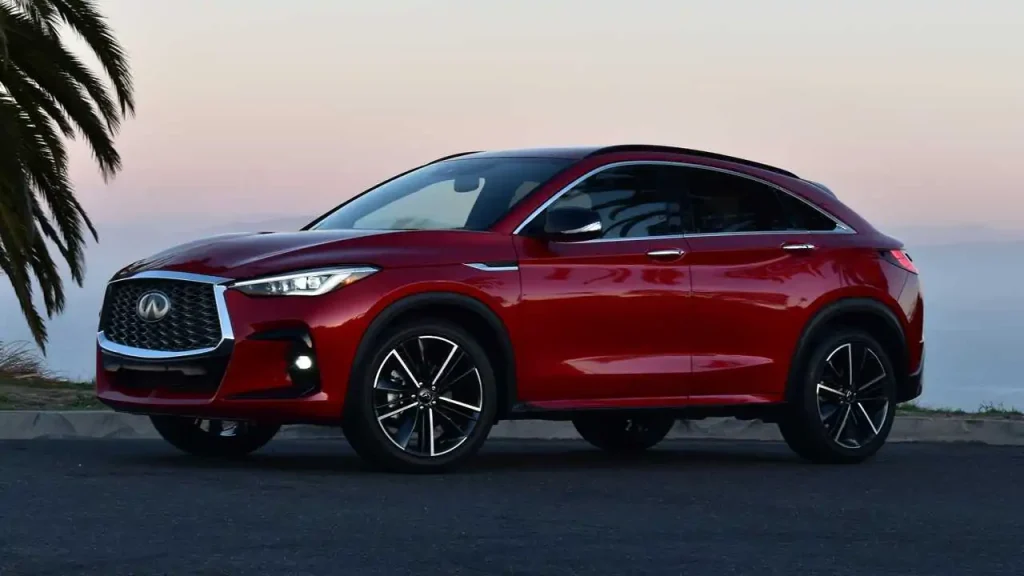
Worst Car: Infiniti QX55
The Infiniti QX55 gets plenty of credit for its appearance. Its sloping roofline and dramatic bodywork give it considerably more personality than the typical compact luxury crossover.
Unfortunately, the experience behind the wheel doesn’t match the exterior.
The turbocharged 2.0-liter engine provides reasonable performance, but the continuously variable transmission takes much of the fun out of it. The front-biased all-wheel-drive system also contributes to an understeer-heavy driving experience.
The interior is another weak point. Some materials don’t feel sufficiently upscale for a premium Infiniti, while the sloping roof cuts into rear headroom.
Ultimately, the QX55 demonstrated that striking styling can get a vehicle noticed, but it can’t carry the entire package.
Verdict: Gorgeous from the outside, but less convincing once you spend time inside.
Check out our first drive of the 2022 Infiniti QX55.
Jeff Perez, Senior Editor
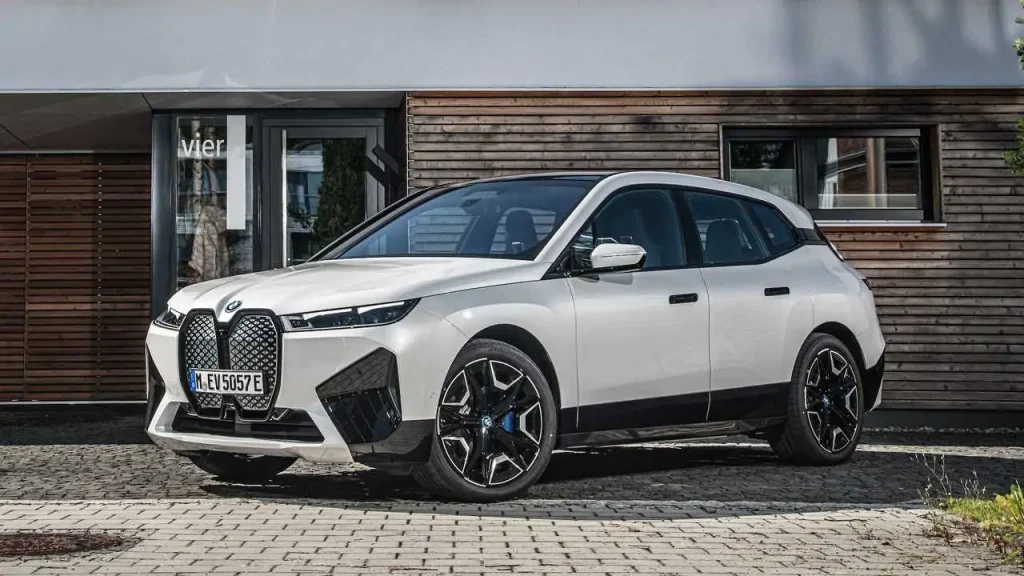
Best Car: BMW iX
The BMW iX wasn’t necessarily the obvious choice for the best vehicle of 2021. It was large, heavy, electric, and controversial from a styling perspective.
Yet after spending time with it, Jeff Perez came away impressed.
The iX xDrive50 combined two electric motors with a 105.2-kilowatt-hour battery, producing 516 horsepower and offering up to 300 miles of range. That made it powerful enough to feel genuinely quick while still providing the range expected from a premium long-distance EV.
The cabin was arguably even more impressive.
A 12.3-inch digital instrument display sits alongside a 14.9-inch central touchscreen, while high-quality materials and unusual details such as crystal-style controls give the interior a distinctly futuristic character.
Despite its substantial size and weight, the iX also handled surprisingly well, particularly with the available Dynamic Handling Package.
The iX demonstrated that BMW wasn’t simply converting one of its existing SUVs to electric power. It was trying to rethink what a luxury EV could be.
Verdict: The iX was one of the year’s most convincing arguments for BMW’s electric future.
Check out our first drive of the 2022 BMW iX.
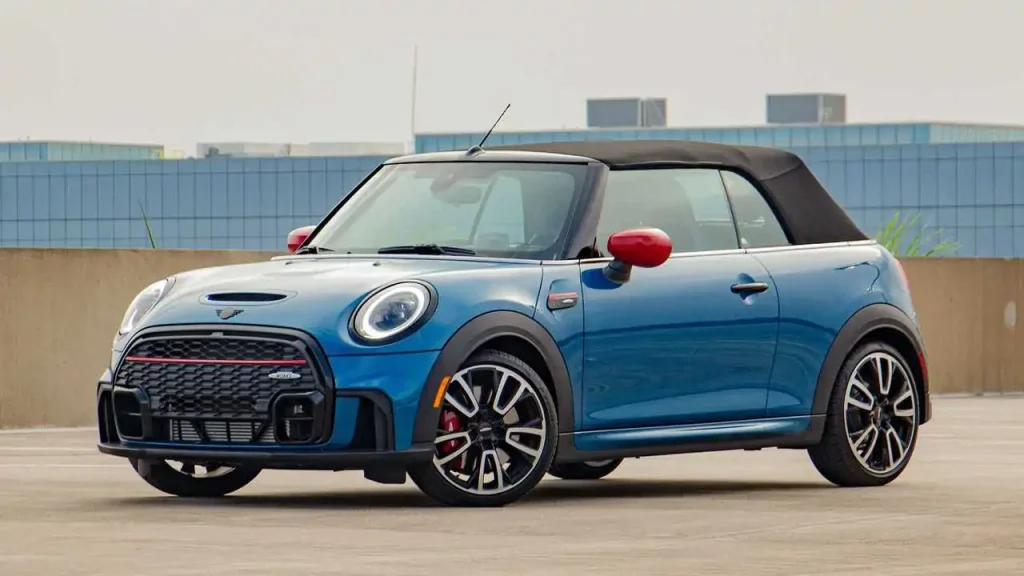
Worst Car: Mini John Cooper Works Convertible
There is plenty to like about the Mini John Cooper Works Convertible. It’s quick, playful, compact, and entertaining with the roof folded down.
The problem is what you get for the money.
With pricing approaching $40,000, the JCW Convertible faces stiff competition from vehicles that offer more performance, better technology, or greater practicality.
Its cabin was beginning to feel dated, while the ride could be harsh. The 228-horsepower engine is entertaining but doesn’t give the Mini a major advantage over competitors.
The Mazda MX-5 Miata delivers a more focused open-air driving experience, while muscle-car alternatives such as the Ford Mustang and Chevrolet Camaro offer significantly more power.
The Mini remains fun, but at this price, fun alone isn’t enough.
Verdict: A charming convertible that struggles to justify its premium price.
Check out our review of the 2021 Mini John Cooper Works Convertible.
Clint Simone, Director of Video
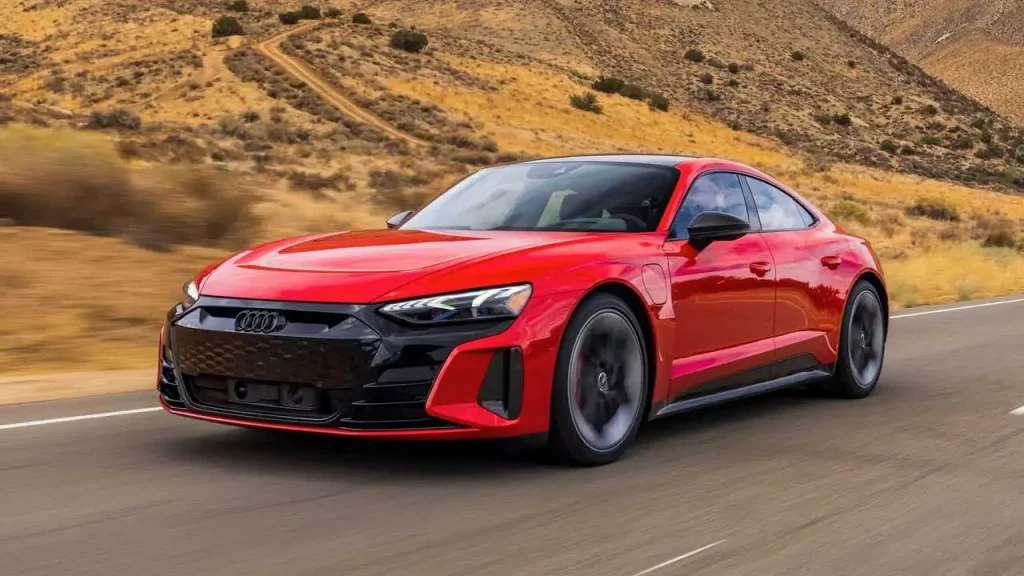
Best Car: Audi RS E-Tron GT
If money were no object, Clint Simone’s choice for 2021 would be the Audi RS E-Tron GT.
And it’s easy to understand why.
The RS E-Tron GT combines dramatic styling with astonishing electric performance. Its low, wide proportions make it look like a proper grand tourer, while the aggressive details give it enough visual drama to stand apart from other Audi models.
The performance is even more impressive.
Two electric motors provide instant acceleration, while the two-speed transmission helps the car remain brutally quick beyond the initial launch. Yet the Audi doesn’t sacrifice comfort in the pursuit of speed.
Compared with the Porsche Taycan, the RS E-Tron GT offers a slightly more relaxed character, making it particularly appealing as a high-speed daily driver.
It’s quick enough to feel like a supercar but comfortable enough to cover long distances.
Verdict: One of the best examples of how electrification can enhance rather than diminish the grand-touring experience.
Check out our first drive of the 2022 Audi RS E-Tron GT.
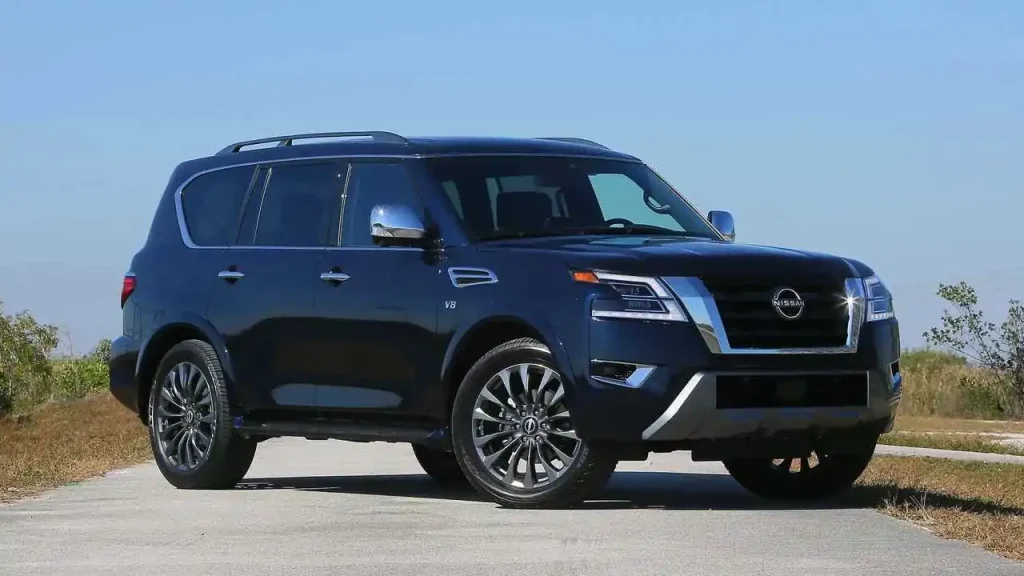
Worst Car: Nissan Armada
The Nissan Armada received a facelift for 2021, but the updates weren’t enough to hide the SUV’s age.
Its body-on-frame architecture and 5.6-liter V8 provide genuine towing capability and 400 horsepower, but that comes with a considerable fuel-economy penalty. City fuel economy is rated at just 13 mpg.
The nearly 6,000-pound SUV also feels substantial from behind the wheel, while its infotainment and other technology don’t feel as polished as newer competitors.
That becomes particularly noticeable when the Armada is compared with newer three-row SUVs such as the Chevrolet Tahoe and Ford Expedition.
The Armada still has strengths, particularly its V8 power and rugged construction, but it no longer feels competitive across the board.
Verdict: Capable and powerful, but badly in need of a comprehensive redesign.