
From bare-bones simplicity to a thoroughly modern cabin, here’s how the Mini Cooper’s interior has evolved over the decades.
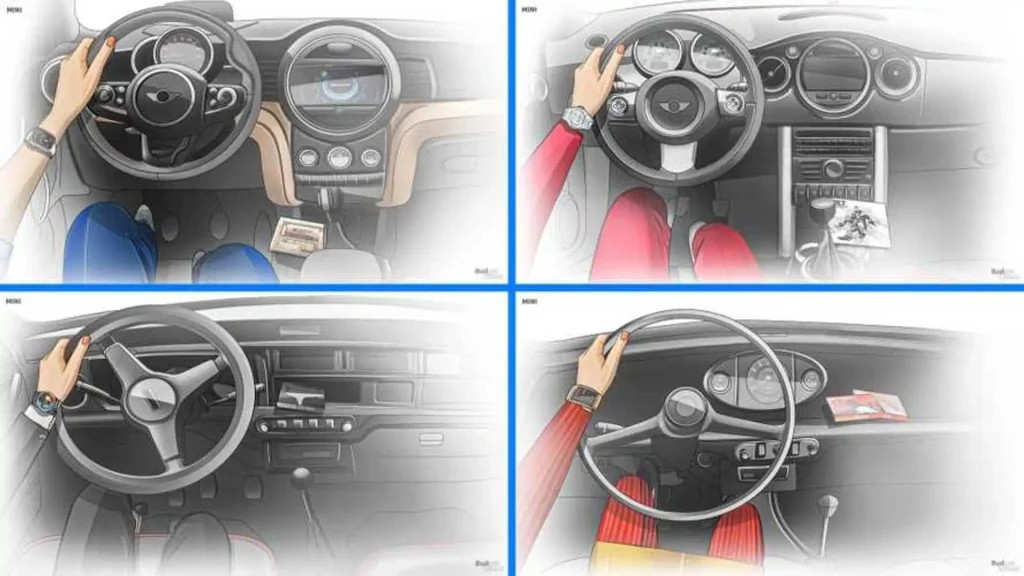
When the Mini debuted in 1959, its clever packaging was one of its biggest engineering achievements. The transverse-mounted engine and front-wheel-drive layout made efficient use of the car’s compact dimensions, leaving enough room inside for four passengers despite its remarkably small footprint.
Although the Mini was created as affordable, practical transportation, its lightweight construction and nimble handling quickly revealed a different side. Racing driver and automaker John Cooper recognized the potential and helped create the Mini Cooper. With a larger engine, stronger brakes, and other performance upgrades, the little car became a surprisingly capable competition machine, earning success in both rallying and circuit racing.
The Mini became a major success during the 1960s and ultimately remained in production for more than four decades. Numerous small updates were introduced along the way, but none fundamentally changed the car’s unmistakable shape. The biggest transformation came after BMW acquired the Rover Group and decided to bring the Mini name back as a standalone brand.
The classic Mini had already become an icon of 1960s British motoring, with a reputation that extended from city streets to racetracks. Even after its initial surge in popularity, the original design continued with relatively modest changes until production ended in 2000. BMW revived the name a few years later and turned Mini into an entire automotive brand.
To illustrate that remarkable transformation, artists from Budget Direct Car Insurance created a series of images showing how the Mini’s interior changed over the years. The earliest cabin was extremely basic, featuring a bare dashboard with little more than a single circular gauge. Center-mounted instrumentation became one of the Mini’s signature design features over the years, and BMW brought the distinctive layout back when it introduced the modern MINI.
Table of Contents
First-Generation Mini Cooper
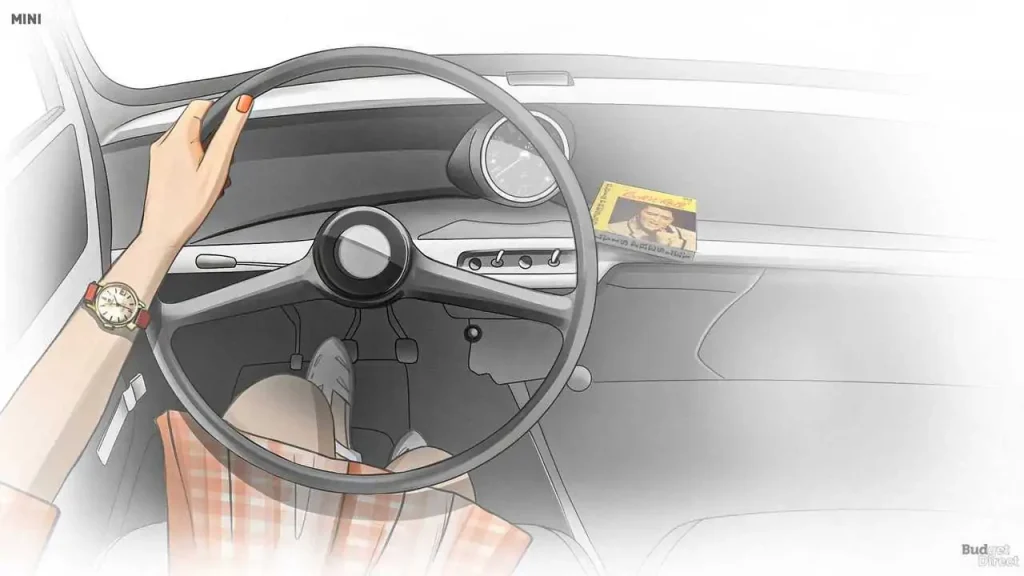
The first Mini’s interior was designed almost entirely around simplicity and practicality. The dashboard was sparse, the controls were straightforward, and there was little equipment beyond the essentials. The compact layout helped maximize passenger space, while the centrally positioned instrumentation became one of the Mini’s most recognizable characteristics. Compared with modern cars, the original cabin was incredibly basic, but that simplicity was perfectly suited to a vehicle designed to provide affordable transportation.
Second-Gen Mini Cooper — 1960
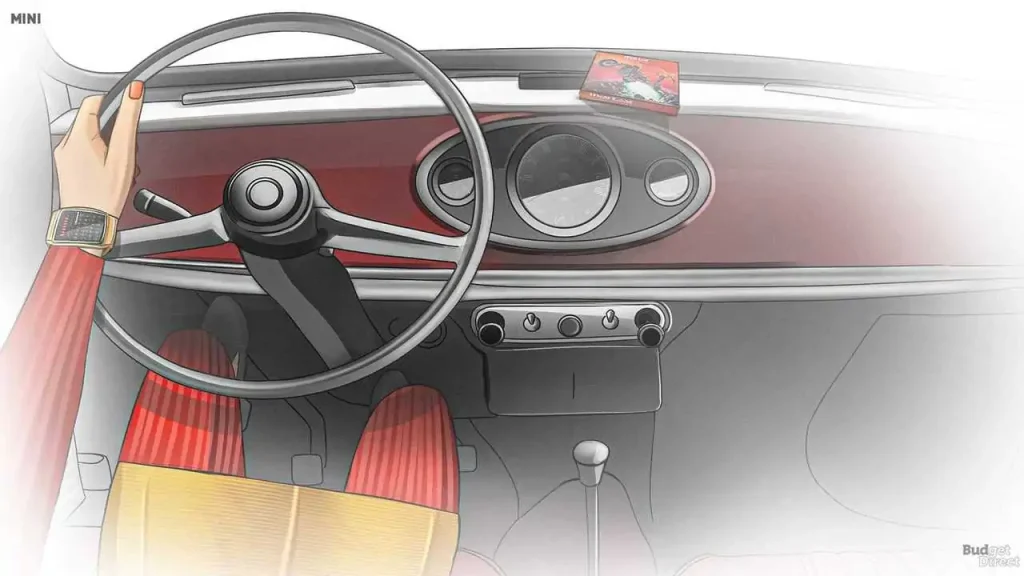
The Mini Cooper brought a more sporting character to the otherwise utilitarian cabin. John Cooper’s performance modifications transformed the little car into a surprisingly capable machine, particularly on the racetrack and rally stage. The interior remained simple, but the Cooper’s performance credentials gave it a different personality from the standard Mini. It was still compact and functional, yet now there was a clear connection between the cabin and the car’s growing reputation among enthusiasts.
1970–1976 Mini Cooper
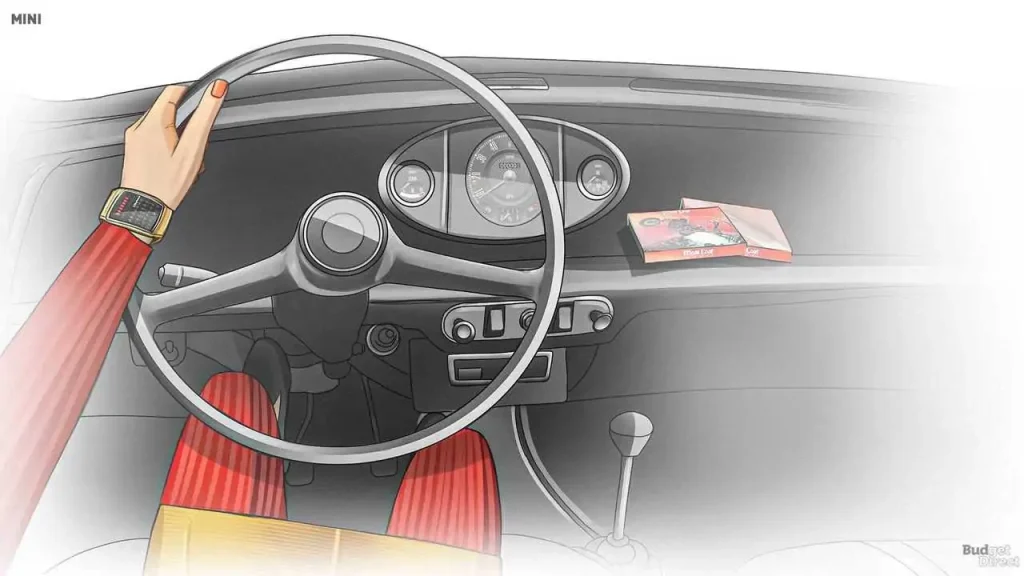
The Mini entered the 1970s with its basic interior philosophy still firmly intact. There were gradual improvements to equipment, trim, and comfort, but the cabin remained compact and uncomplicated. The familiar central instrument cluster continued to define the dashboard, while the rest of the interior focused on making efficient use of the available space. More than a decade after its debut, the Mini’s cabin still looked and felt unmistakably like a Mini.
1990–199 Mini Cooper
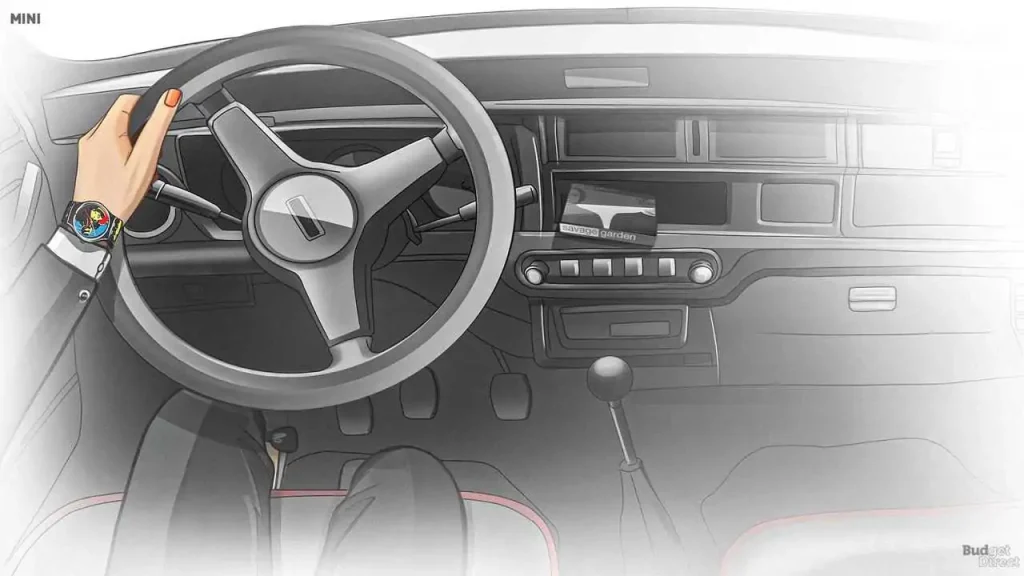
By the 1990s, the classic Mini’s interior was beginning to look decidedly old-fashioned next to newer small cars. Nevertheless, its distinctive design remained part of the appeal. Later versions benefited from improved equipment and materials, but the basic dashboard layout and central instrumentation remained familiar. The cabin’s old-school character was increasingly unusual, but it also helped preserve the connection with the original Mini.
1996–2000 Mini Cooper
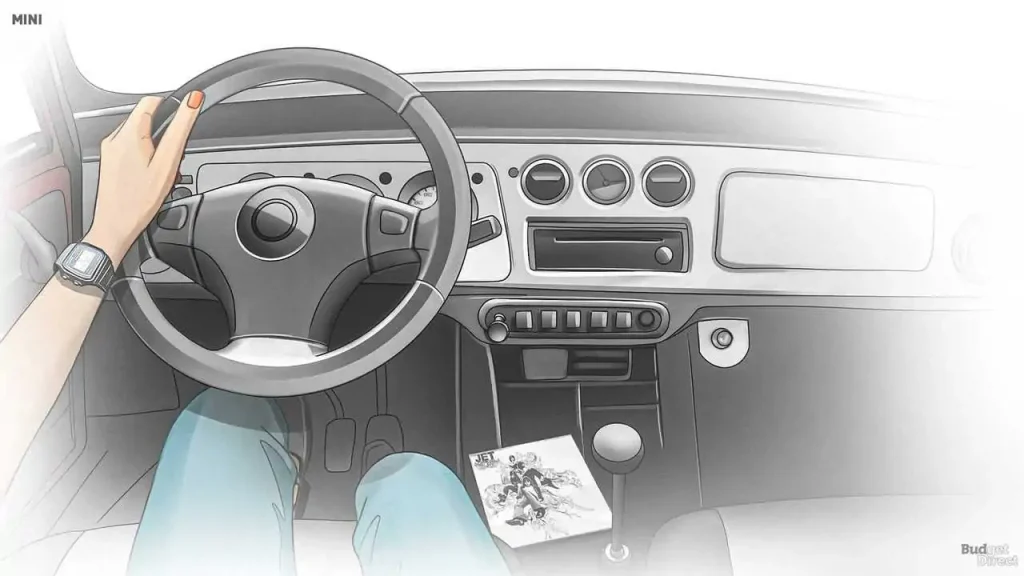
The final years of the classic Mini brought additional refinements before production finally ended in 2000. Equipment levels and interior materials improved, making the cabin more comfortable and better equipped than the earliest versions. Even so, the fundamental design remained remarkably faithful to the original. After more than four decades, the Mini still had a cabin that could immediately be traced back to the car launched in 1959.
2001–2006 Mini Cooper
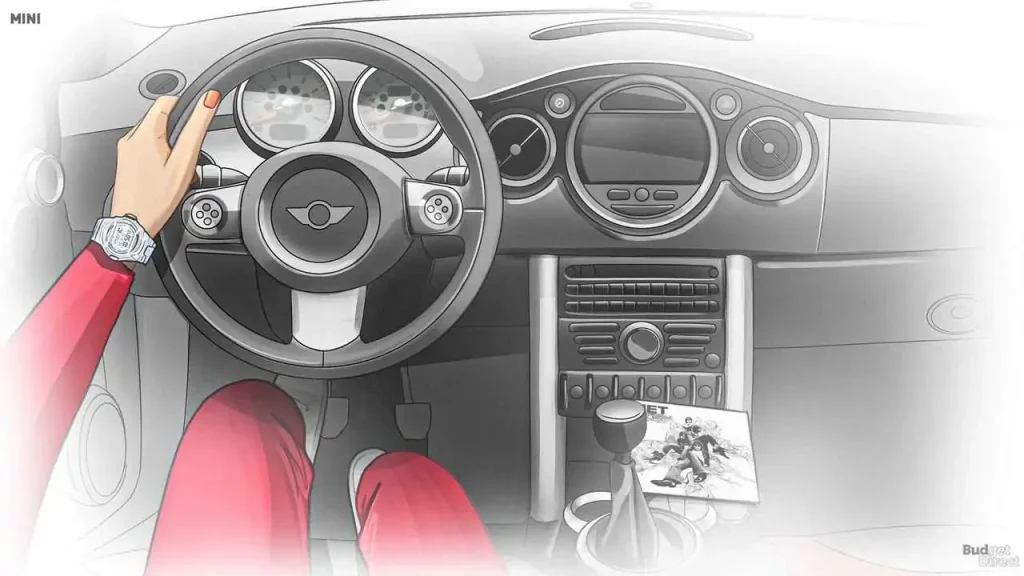
BMW’s modern Mini represented a dramatic departure from the original interior. The new car was considerably larger and offered substantially more comfort, equipment, and refinement. The dashboard was redesigned with higher-quality materials and a much more substantial appearance, but BMW deliberately retained the enormous circular center-mounted speedometer as a link to the classic Mini. It was a thoroughly modern cabin that still carried a clear visual reminder of its predecessor.
2007–2013 Mini Cooper
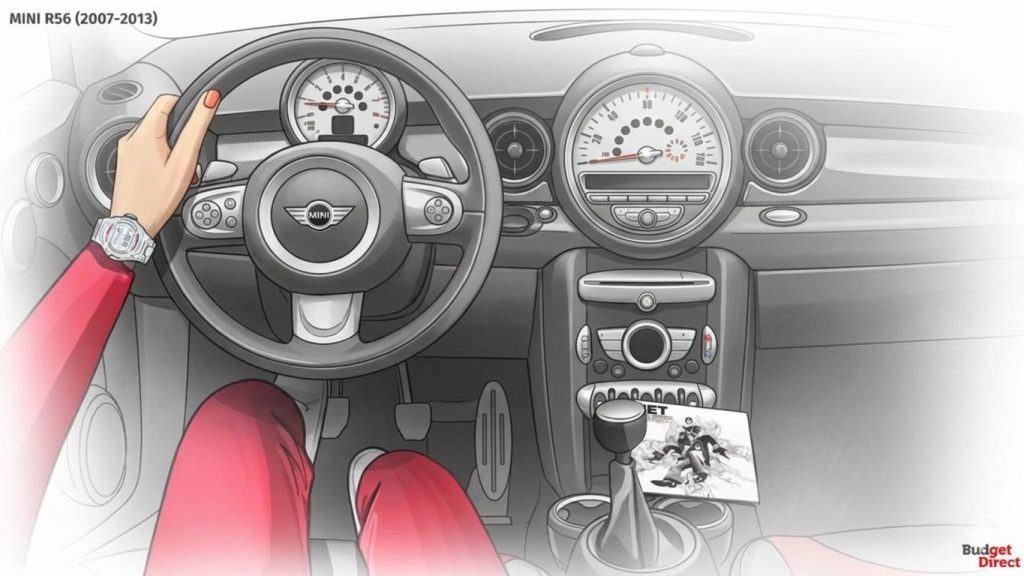
The second-generation modern Mini continued moving the interior toward a more sophisticated and premium experience. The cabin received updated materials, improved technology, and a more refined dashboard while retaining the circular design elements that had become synonymous with the revived brand. Compared with the bare-bones interior of the original Mini, this generation offered dramatically more comfort and convenience, demonstrating how far the model had evolved while still maintaining its distinctive personality.