
From tiny two-cylinder city cars to the monstrous W16 powering the Bugatti Chiron, these are the most powerful production vehicles representing each cylinder configuration.
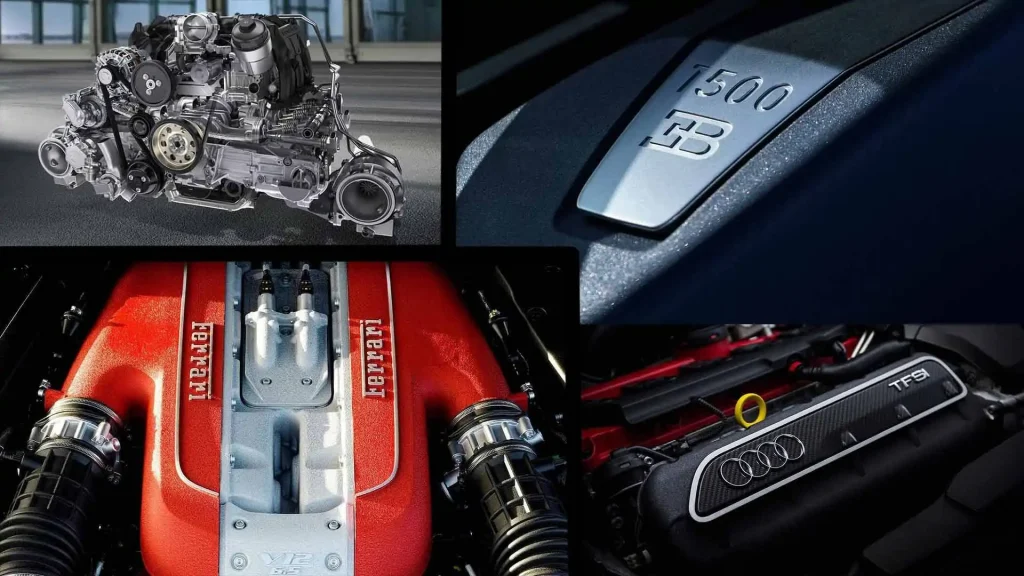
Not all engines are created equal. Automakers can choose from countless configurations, each suited to a different purpose. A tiny two-cylinder engine can make sense in a lightweight city car, while a sophisticated W16 can deliver the enormous power required by an exotic hypercar. The number of cylinders has traditionally been closely associated with performance, but modern engineering has made that relationship far less straightforward.
More cylinders can allow for greater displacement, smoother operation, and higher power potential, but turbocharging, direct injection, advanced materials, variable valve technology, and sophisticated engine management have changed the equation. Today’s compact three- and four-cylinder engines can produce power figures that would have once required a much larger V8, while high-cylinder-count engines such as V8s, V10s, V12s, and W16s continue to showcase the upper limits of internal-combustion performance.
With that in mind, this list looks at some of the most powerful production vehicles representing different cylinder configurations, from economical small cars and sporty coupes to high-performance supercars and record-setting hypercars.
To keep the comparisons consistent, hybrid-assisted powertrains are excluded. Electric motors can add substantial output and make it difficult to compare combustion engines directly. The Mercedes-AMG ONE, for example, combines a 1.6-liter turbocharged V6 with four electric motors and produces around 1,000 horsepower, giving it an advantage that a conventional engine cannot match.
The focus here is on production automobiles and their factory engines. Discontinued models, heavily modified vehicles, racing engines, and motorcycle powerplants are left out, even when they produce greater numbers. This keeps the comparison centered on road-going production cars and the remarkable engines available from automakers.
Table of Contents
Two-Cylinder — Fiat 500 TwinAir
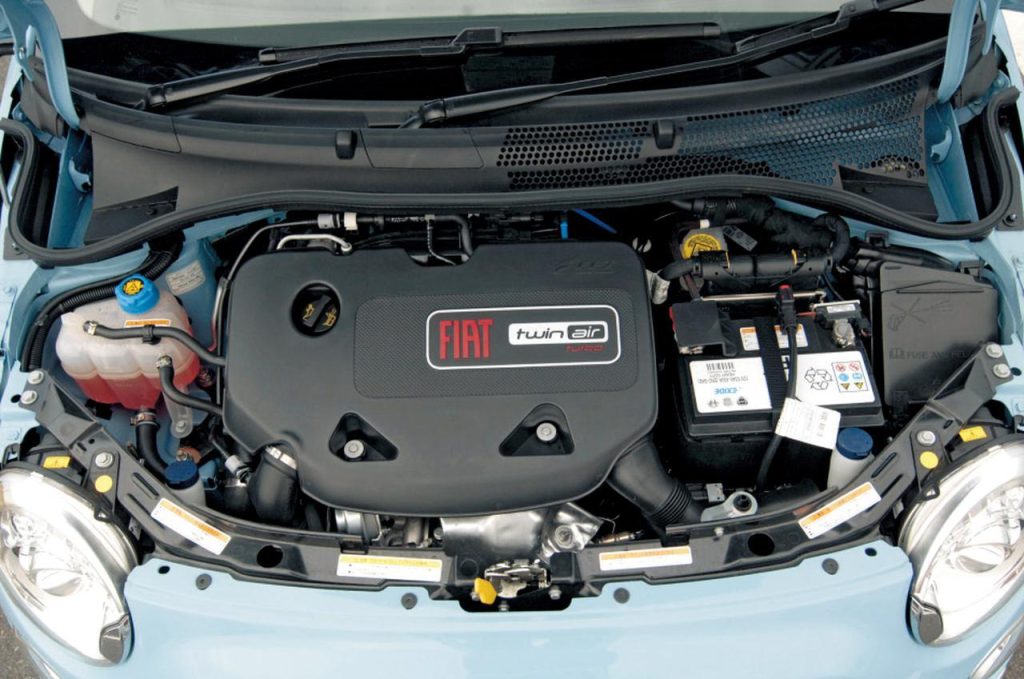
The Fiat 500 TwinAir demonstrates how much performance can be extracted from an incredibly small engine. Its 875cc turbocharged two-cylinder produced up to 105 horsepower, giving the lightweight city car surprisingly lively performance. It was developed primarily with efficiency in mind, but the turbocharger allowed Fiat to make the tiny engine considerably more capable than its size would suggest.
Three-Cylinder — Ford 1.0 EcoBoost
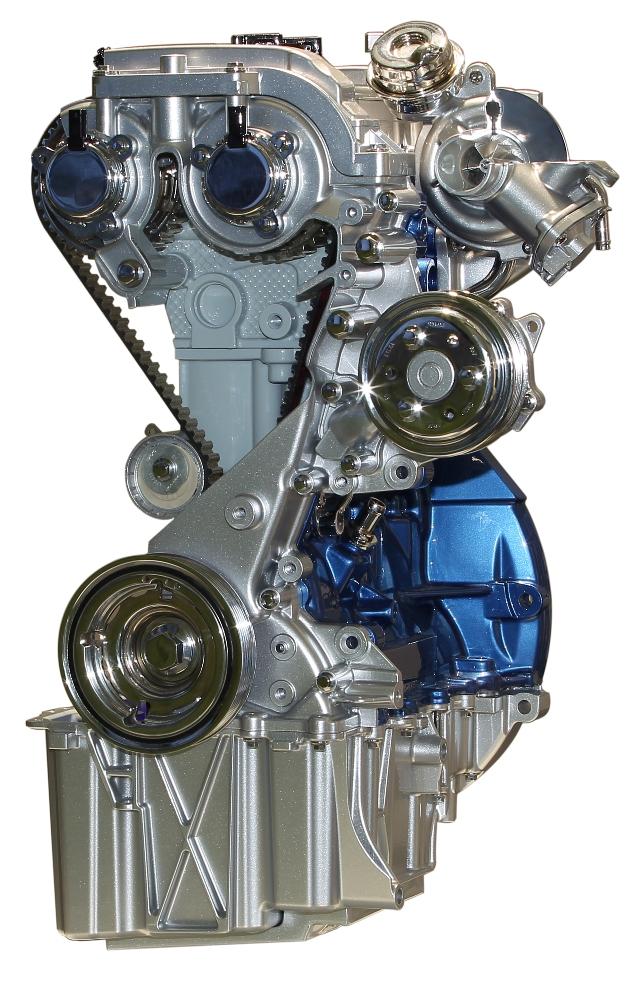
Ford’s 1.0-liter EcoBoost became one of the best-known examples of downsized three-cylinder engineering. Turbocharging and direct injection allowed the tiny engine to produce up to 140 horsepower in some applications, an impressive figure for a three-cylinder designed for everyday passenger cars. Its compact dimensions and low weight also made it a natural fit for small cars where efficiency was just as important as performance.
Four-Cylinder — Mercedes-AMG 2.0-Liter Turbo
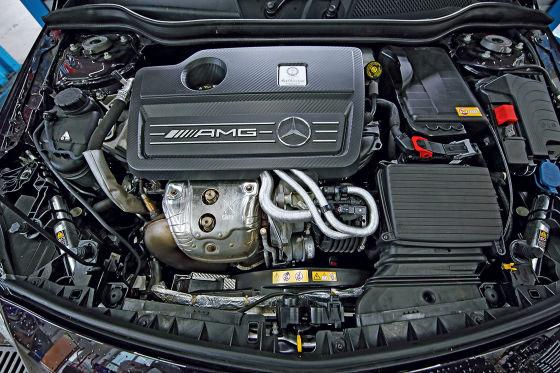
Mercedes-AMG demonstrated just how far a four-cylinder engine could be pushed with its hand-built 2.0-liter turbocharged powerplant. In the A 45 AMG, it produced as much as 381 horsepower during this era, giving a relatively small engine the kind of output once associated with much larger V8s. High boost pressure, direct injection, and extensive electronic management helped turn the compact four-cylinder into a serious performance engine.
Five-Cylinder — Audi 2.5 TFSI
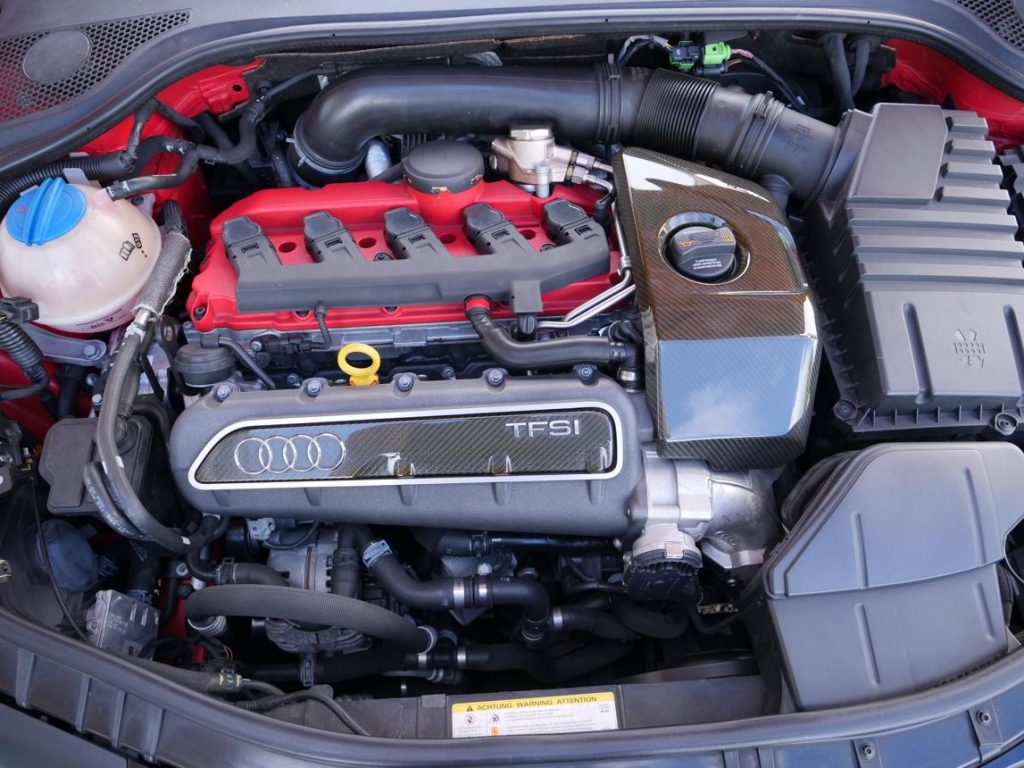
Audi’s 2.5-liter TFSI became one of the defining modern five-cylinder engines. Used in models such as the RS 3 and TT RS, the turbocharged inline-five combined strong torque with a distinctive exhaust note. Depending on the application and model year, output climbed to around 400 horsepower, making it one of the most powerful production five-cylinder engines available.
Six-Cylinder — Porsche 3.8-Liter Boxer
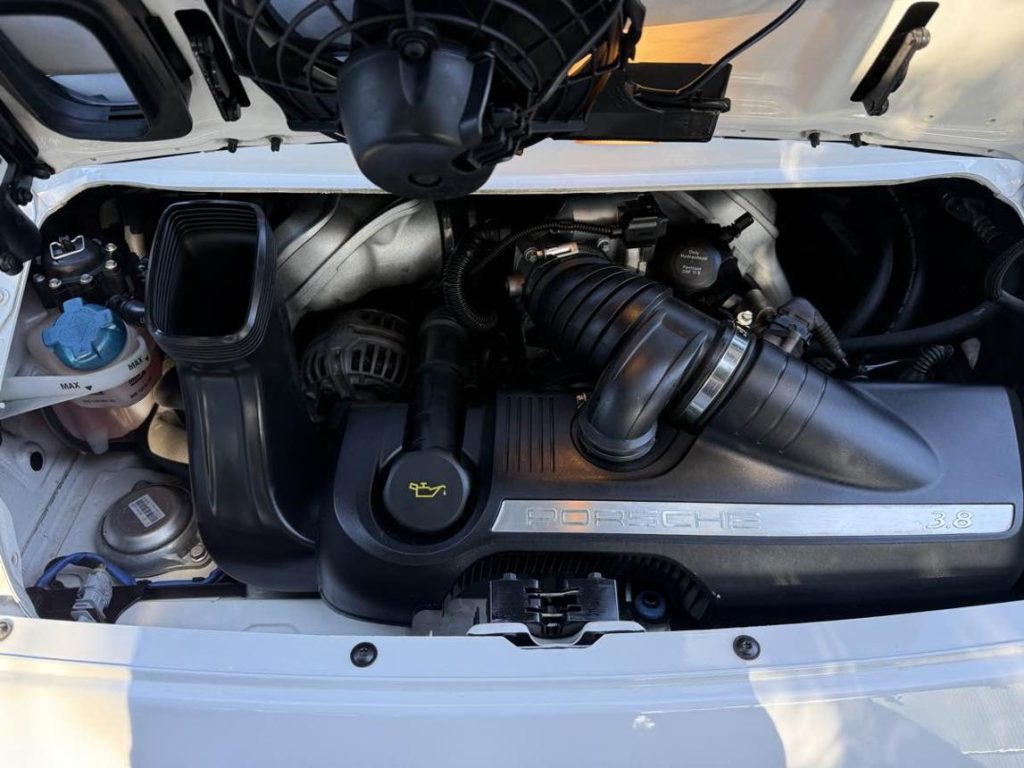
Porsche’s 3.8-liter naturally aspirated flat-six is a perfect example of how cylinder configuration can become part of a manufacturer’s identity. The horizontally opposed engine offered a low center of gravity and a thrilling high-rpm character, while versions used in the 911 GT3 RS produced more than 500 horsepower. Its combination of compact packaging, high-revving performance, and unmistakable sound made it one of the most celebrated six-cylinder engines of its generation.
Eight-Cylinder — Koenigsegg Agera RS1
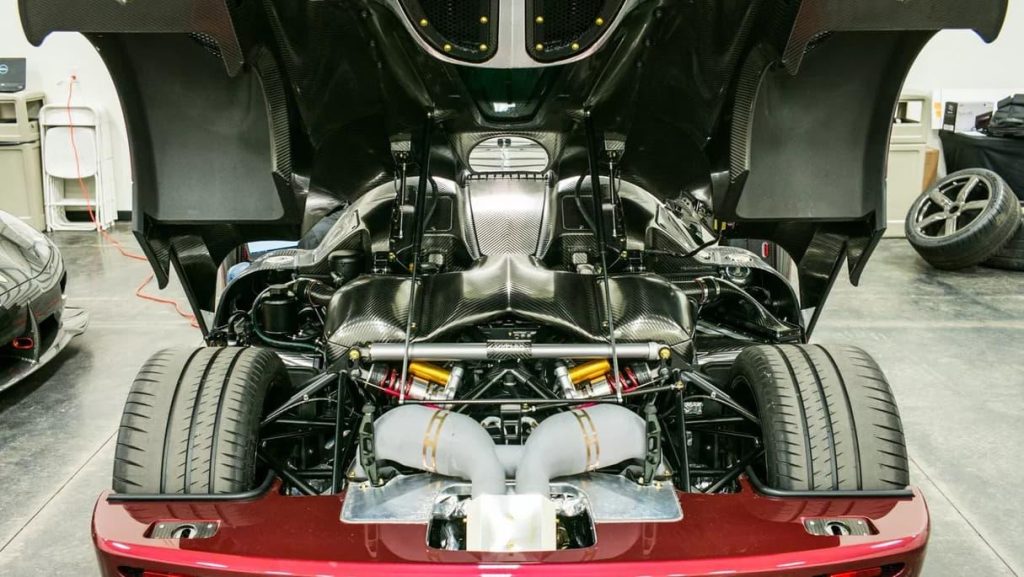
The Koenigsegg Agera RS1 takes the eight-cylinder formula to an entirely different level. Its twin-turbocharged 5.0-liter V8 was capable of producing enormous power, with the RS1 reportedly delivering around 1,360 horsepower. The engine combined extreme boost pressure with advanced construction and lightweight materials, helping make the Agera RS one of the most extraordinary production hypercars of its era.
Ten-Cylinder — Lamborghini 5.2 V10
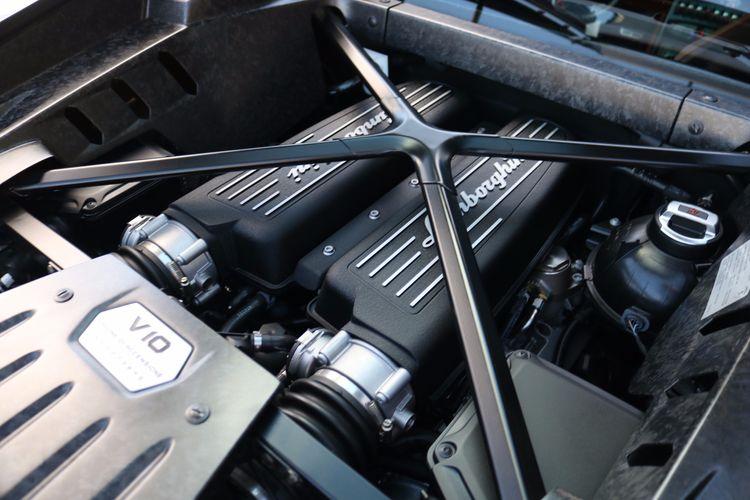
Lamborghini’s 5.2-liter naturally aspirated V10 represents a very different approach to making serious power. Rather than relying on turbochargers, the engine builds its output through displacement, high engine speeds, and sophisticated naturally aspirated engineering. In the Huracán Performante, it produced 631 horsepower, delivering explosive acceleration and the unmistakable high-revving character that has become a defining feature of Lamborghini’s V10-powered supercars.
V8 Performance — Twin-Turbocharged Hypercar Engines
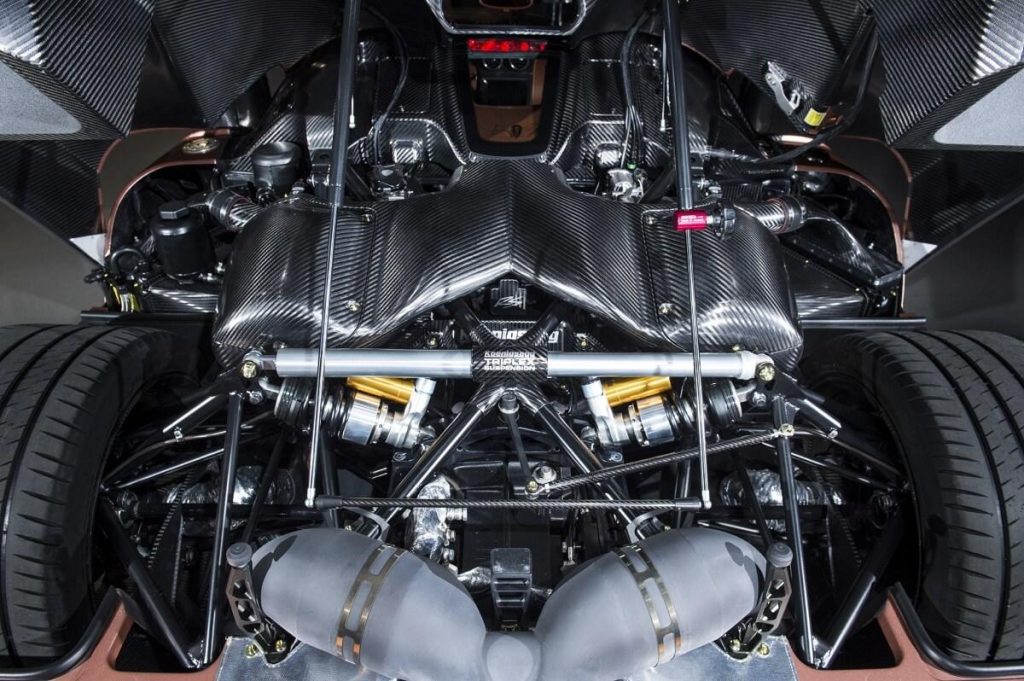
The modern V8 has become one of the most flexible performance-engine configurations in the world. Twin turbochargers allow relatively compact V8s to produce extraordinary output while maintaining usable power across a broad rev range. Koenigsegg’s engines demonstrate the extreme end of this technology, while other manufacturers have used similar principles in high-performance supercars, sedans, and SUVs.
High-Output Six-Cylinder Boxer — Porsche Performance Engines
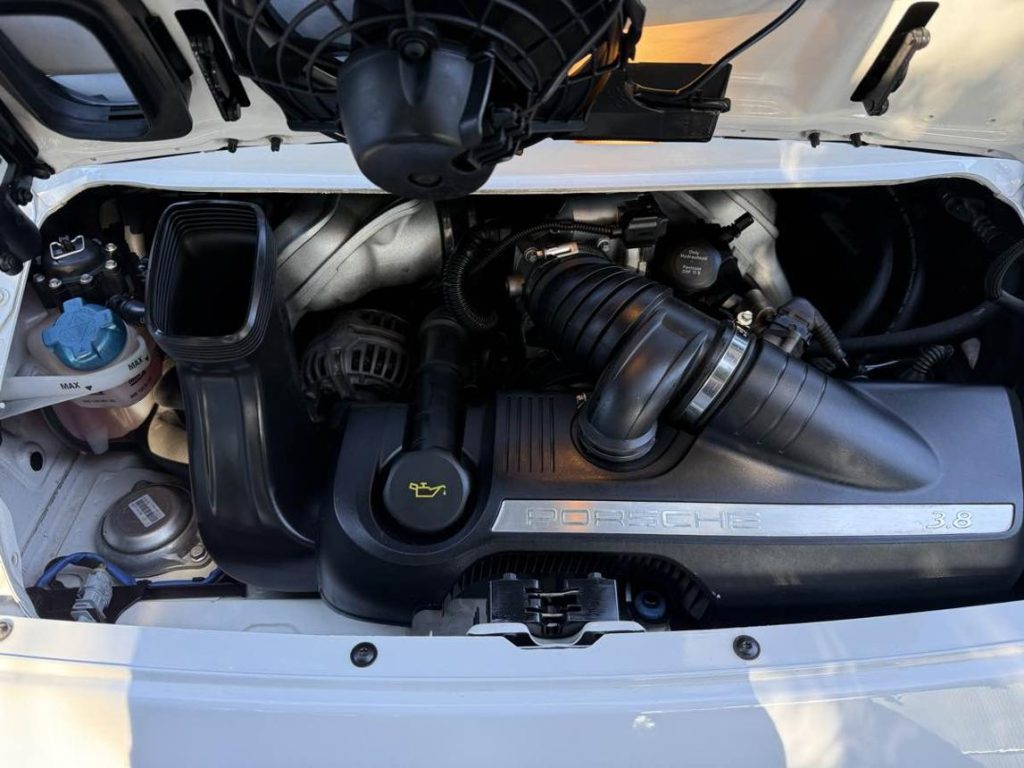
Porsche’s flat-six architecture deserves another look because it has remained remarkably effective across generations. The horizontally opposed layout keeps the engine low in the chassis, contributing to the 911’s distinctive handling characteristics. Combined with high compression, sophisticated valve technology, and motorsport-derived engineering, Porsche’s larger naturally aspirated flat-sixes became capable of producing extraordinary specific output without relying on forced induction.
The rise of electric vehicles has changed the performance landscape. Electric motors eliminate the need for traditional cylinder configurations entirely, delivering instant torque without combustion engines.
However, these remarkable engines represent decades of engineering progress. From Fiat’s tiny TwinAir to Bugatti’s enormous W16, each configuration demonstrates how creative manufacturers have become in extracting incredible performance from different designs.