
I almost bought a 1977 Mustang Cobra II — and I’m not embarrassed to admit it.
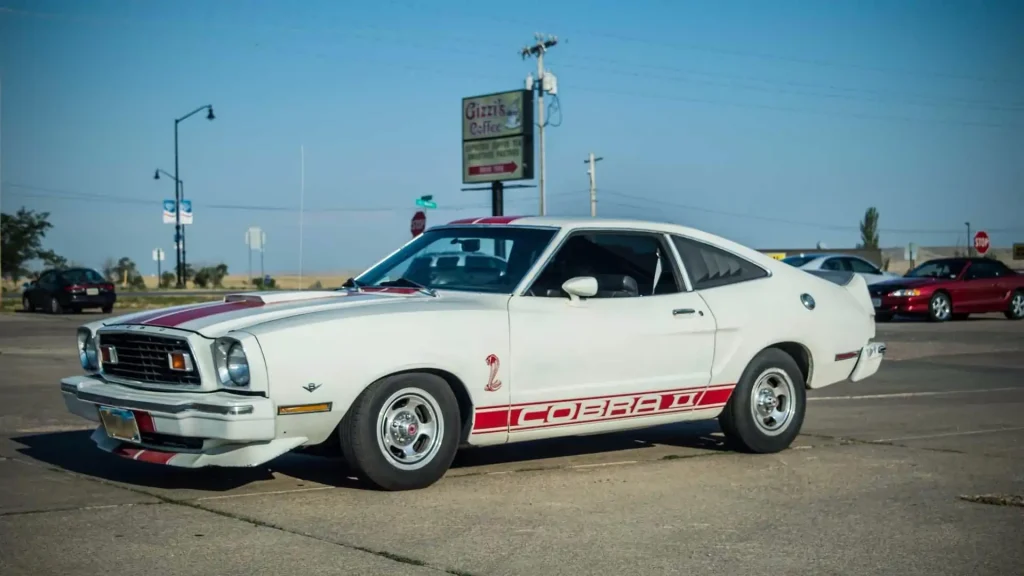
I’ll freely admit that I’m a Ford Mustang fan. I’ve owned three of them over the years, but adding a Mustang II to the collection was never exactly a lifelong ambition. Still, I’ve always had a weakness for cars that enthusiasts tend to overlook, which is one reason I came surprisingly close to buying this 1977 Mustang Cobra II a few weeks ago.
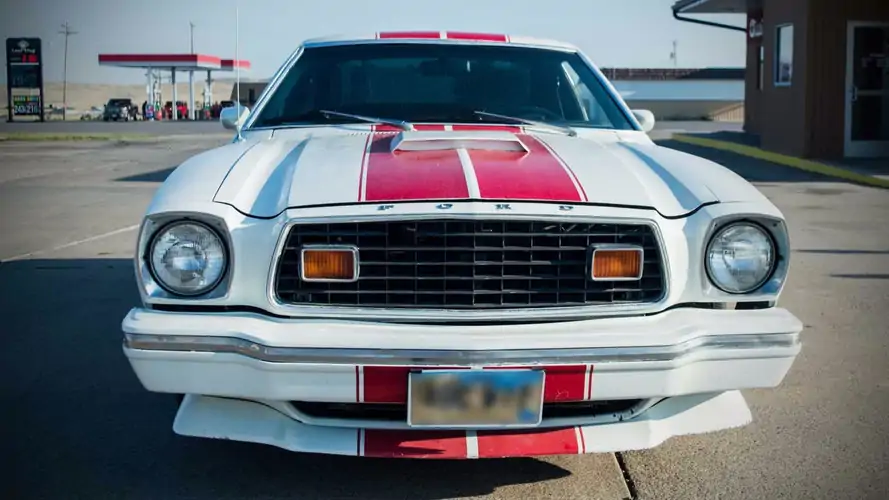
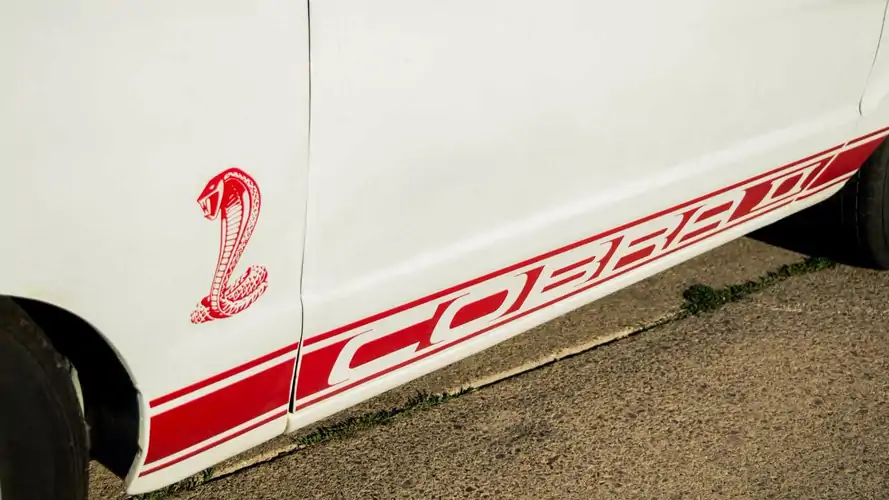
The other reason is simple: I genuinely like the way these cars look. The standard Mustang II might not be the most exciting member of the family, but the Cobra II and King Cobra are hard to ignore. With their window louvers, oversized chin spoilers, bold stripes, and unmistakable graphics, they wear their 1970s styling with zero shame.
And there are plenty of Mustang II fans out there. Ford sold roughly 1.1 million examples between 1974 and 1978, proving that the smaller Mustang struck a chord with buyers during a very different era for the American auto industry.
Another part of the Mustang II’s appeal today is its relative affordability. Unlike many classic Mustangs, these cars haven’t developed the same appetite for collector-car money. So when this particular Cobra II appeared in my South Dakota neighborhood for $4,000, walking away without at least checking it out seemed impossible.
If my unapologetic appreciation for the Mustang II has convinced you to consider hunting down one of Ford’s most misunderstood ponies, there are a few things worth knowing before you start shopping.
If my unexpected appreciation for the often-maligned Mustang II has convinced you to hunt down one of Ford’s most controversial pony cars, there are a few things you should know before bringing one home.
Table of Contents
Rust: The First Thing To Check
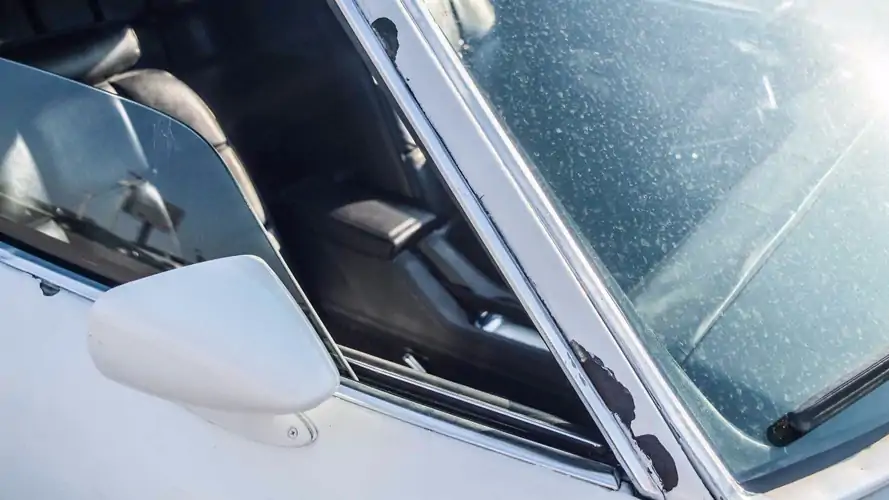
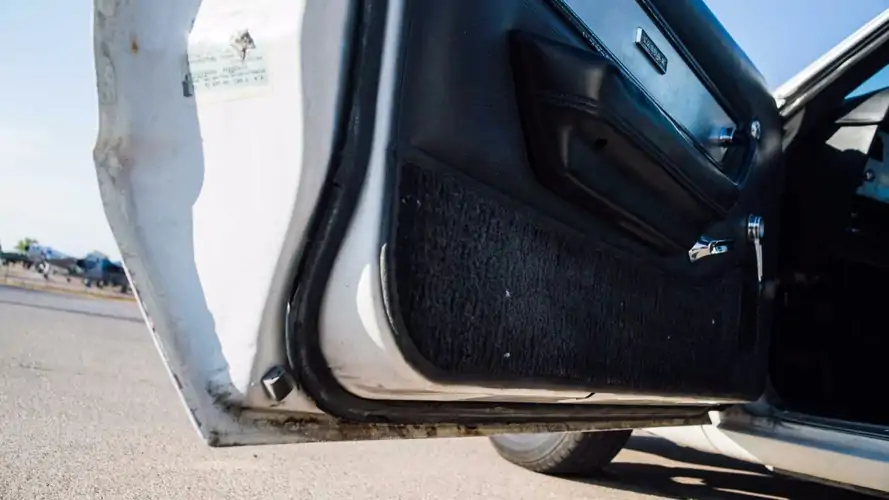
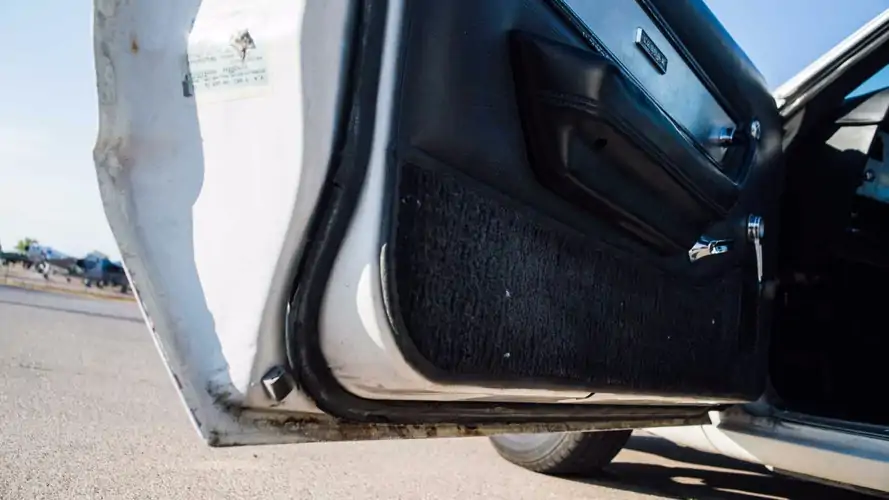
A decent Mustang II Cobra II that runs well but needs some minor attention can still be found for around $4,000, but finding a truly solid example is the real challenge. The most important words when shopping for one are “rust free,” because these cars were especially vulnerable to corrosion.
Like many vehicles from the 1970s, Mustang IIs were not built with the kind of rust protection we expect today. Years of exposure to winter salt, moisture, or coastal climates could quickly destroy the body. While popular classics like the Chevrolet Camaro and Pontiac Firebird have a strong aftermarket support network, finding replacement sheet metal for a Mustang II can be much more difficult.
A careful inspection of the body should be your first priority. Check the lower door areas, rear quarter panels, hood scoop mounting points, and the underside of the rear hatch on fastback models. The condition of the urethane bumpers can also reveal problems — distorted or sagging bumpers often indicate serious corrosion underneath.
Engine: The Good News
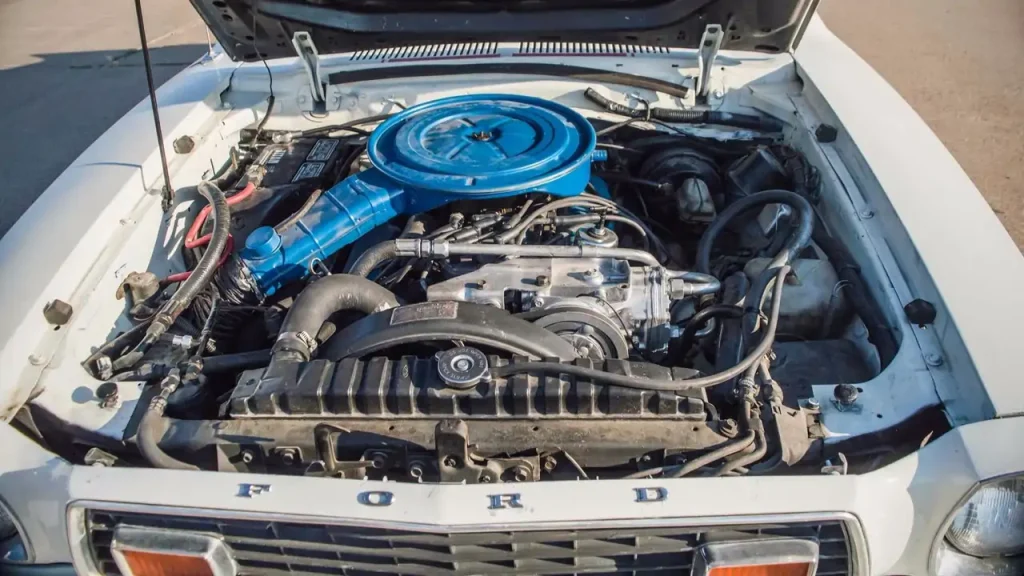
Compared with the body, the Mustang II’s mechanical components are far less intimidating. The 5.0-liter V8 is part of Ford’s famous small-block family, meaning replacement parts, upgrades, and performance equipment remain affordable and widely available.
The factory engine was not exactly a performance powerhouse, producing only about 120 horsepower, but the Mustang II’s lightweight 2,700-pound chassis does not require massive power to become enjoyable. With some carefully chosen modifications costing around $1,000, the same V8 can easily be upgraded to produce more than 300 horsepower.
For enthusiasts searching for a Mustang II today, the V8 models are the ones worth considering. The four-cylinder and V6 versions may have made sense when fuel economy was a priority, but they offer much less of the character that makes these cars interesting.
Watch Out for Fake Cobra II Models
The Cobra II and King Cobra are the most collectible Mustang II variants, but buyers need to be cautious because both were primarily styling packages. That means a regular Mustang II can be transformed into a convincing imitation.
If originality matters, verify the car before paying extra. A genuine Cobra II should have the proper “CB” designation on the body tag located near the radiator support. Factory examples should also feature the correct graphics, front and rear spoilers, and rear window louvers.
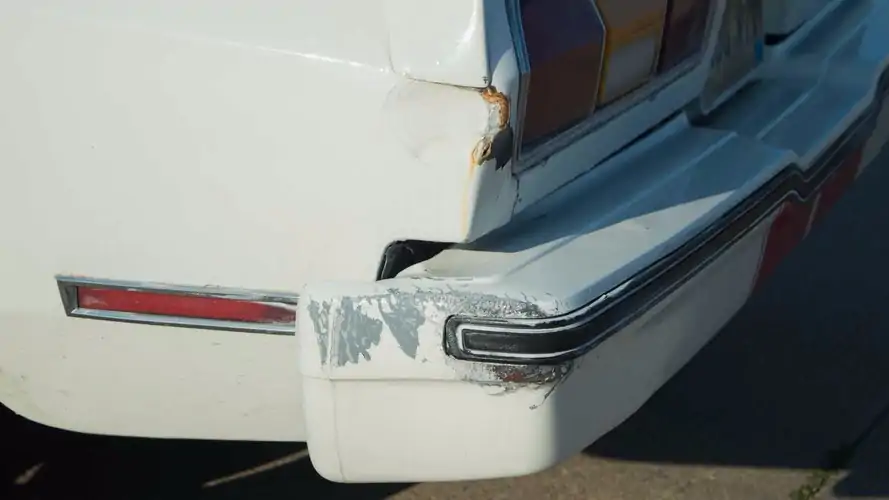
The Cobra II I inspected had some questionable details. The owner explained that the rear hatch had been replaced after shipping damage, which explained why the louver was missing. However, that explanation became harder to accept after discovering other issues with the car — including the seller’s very optimistic definition of “rust free.”
Why I Walked Away
In the end, I left the Cobra II behind. The corrosion was already enough of a concern, but the other problems made the decision easier. The automatic transmission showed signs of slipping, there was a fuel leak that had not been mentioned, and the paintwork was so poorly executed that it appeared to be hiding significant body repairs, especially around the rear quarter panels.
The seller eventually lowered the price to $3,000, but even that was too much of a risk. A cheap classic only makes sense when the foundation is solid, and this Mustang II had too many warning signs.
Still, the experience revealed something unexpected: the Mustang II is far more enjoyable than its reputation suggests. After finally driving one of the most criticized Mustangs ever built, I was surprised by how much personality it had. Despite its modest horsepower and soft suspension, the Cobra II felt light, playful, and eager to be driven.
It had a charm that reminded me of older British sports cars like an MG or Triumph Spitfire — not because it was fast, but because it was simple, engaging, and full of character. Critics may continue to dismiss the Mustang II, but behind the jokes is a car with genuine appeal.
Maybe that explains why Ford sold more than one million examples. The Mustang II may never be considered the greatest Mustang, but it proved there was still room for a fun, affordable pony car during a difficult era.
Now the hunt continues. The goal is simple: finding a Mustang II Cobra II that actually lives up to the promise of being rust-free.
Conclusion
The Ford Mustang II will probably never receive the same universal praise as the classic Mustangs that came before it, but dismissing it completely means overlooking an important chapter in Ford’s history. Born during a challenging period for performance cars, the Mustang II helped carry the legendary nameplate through an era when many other sporty cars disappeared altogether.
The Cobra II, in particular, proves that a car does not need massive horsepower numbers to be appealing. Its bold styling, lightweight feel, and unique personality give it a character all its own. While it may not deliver traditional muscle-car thrills, it offers something different — a reminder of a time when automakers had to be creative to keep enthusiasts interested.
For buyers willing to look beyond the jokes and reputation, a well-preserved Mustang II can be an affordable, enjoyable, and increasingly appreciated classic. The key is finding the right one: a solid body, minimal rust, and the desirable V8 engine can transform this misunderstood Mustang into a genuinely rewarding collector car.
The Mustang II may not be the most celebrated member of the family, but it remains an important part of the Mustang story. Sometimes the cars that divide opinions the most are the ones that become the most interesting — and the Cobra II is proof that even an overlooked Mustang can earn a place in automotive history.