Fresh rubber can completely transform the way Porsche’s first-generation Boxster drives, handles, and feels.
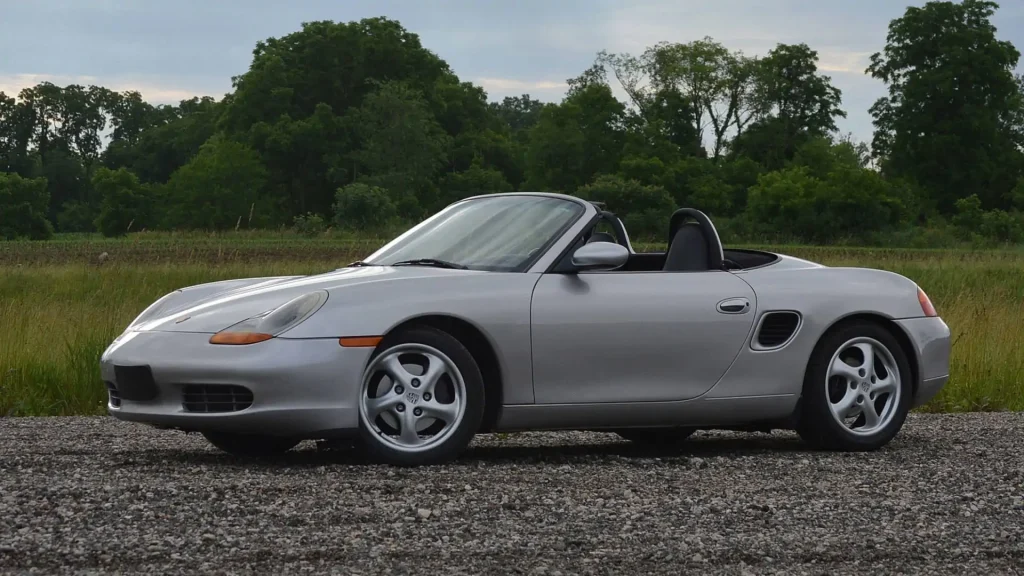
One climb toward 6,000 rpm was enough to convince me that I wanted a Porsche Boxster. I had originally been looking at an Audi TT, but after driving a 1998 Boxster, the Porsche’s steering, balance, and flat-six soundtrack made the decision much easier.
I eventually found a 1998 Boxster with just 57,000 miles and two previous owners. The car wasn’t perfect. It had the usual cosmetic imperfections you’d expect from a nearly 25-year-old sports car, but the price was right at $7,200. More importantly, the car appeared mechanically sound.
There was one obvious problem, though: the tires.
The Boxster was still wearing a set of Kumho tires that were about 11 years old. The tread looked acceptable, but age had clearly taken its toll. The car used staggered 205/50-17 tires up front and 255/40-17s at the rear, and replacing them quickly became a priority.
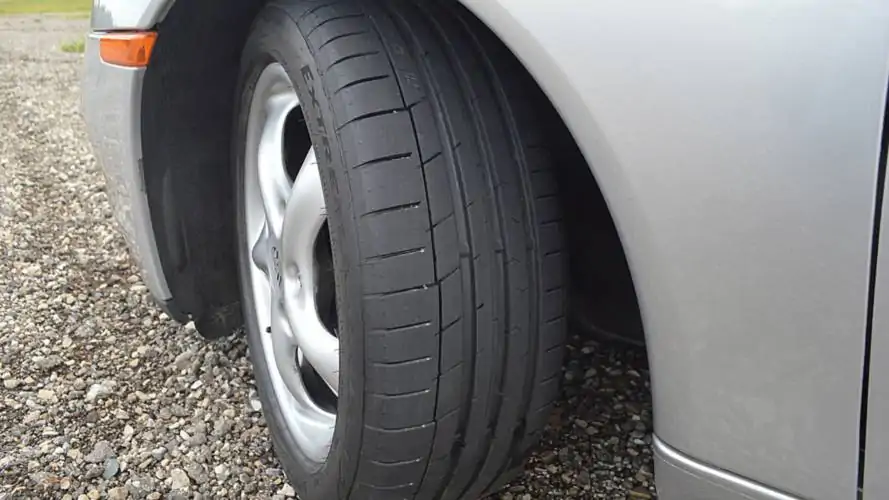
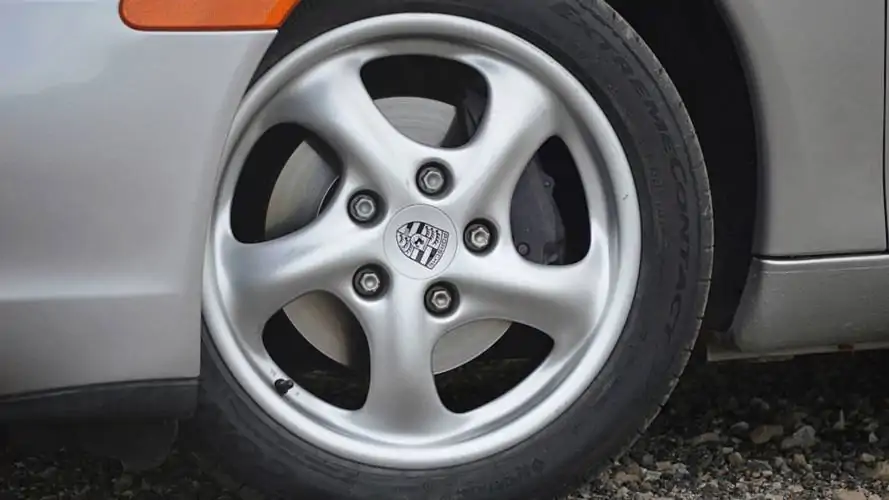
I ordered a fresh set of Continental ExtremeContact Sport tires from Tire Rack. Including installation, the new rubber brought my total investment to roughly $7,800.
The difference was immediate.
With the old tires, the Boxster never felt quite as sharp as I expected. The steering was responsive, but the front end lacked the confidence I remembered from my first drive. Once the new Continentals were installed, the car felt transformed.
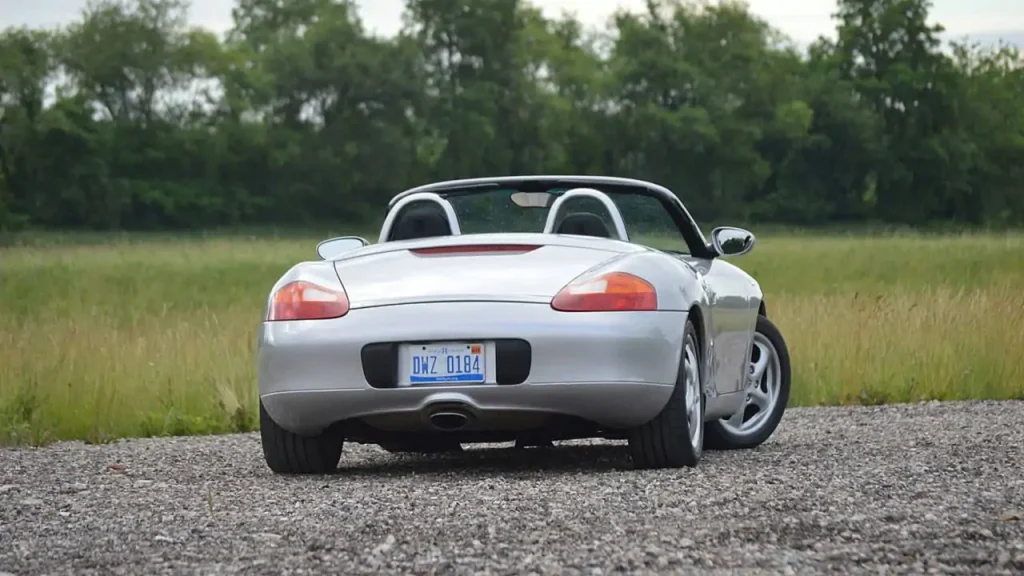
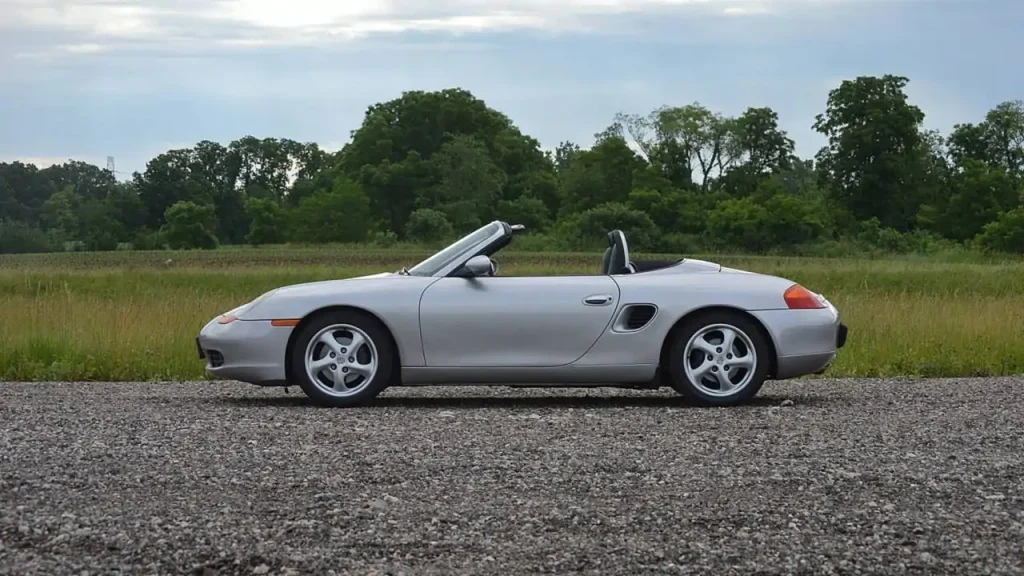
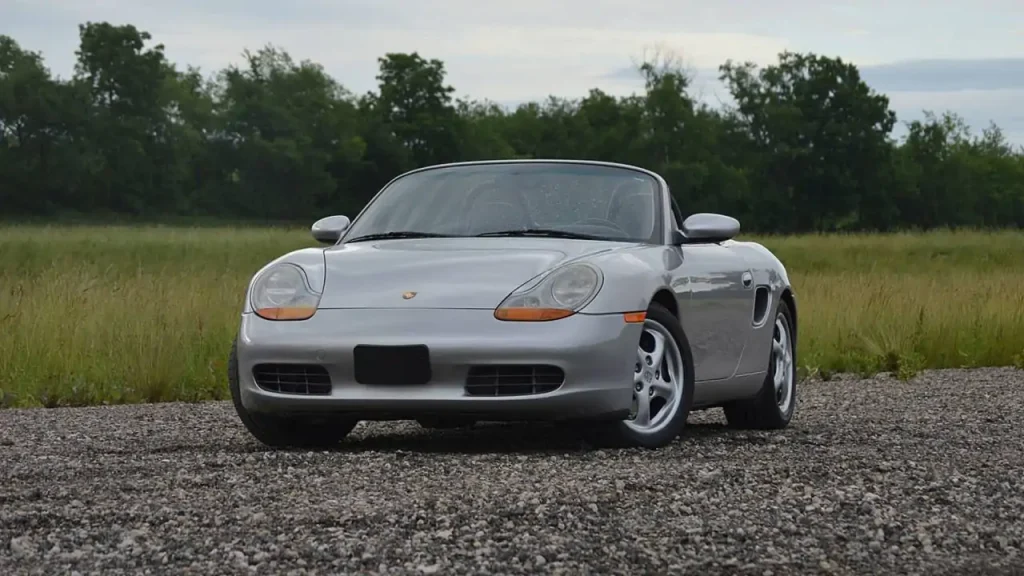
Turn-in became noticeably quicker, and the front end responded more naturally to steering inputs. The Boxster felt more planted through corners, while braking also inspired considerably more confidence. Instead of wondering how much grip was available, I could finally enjoy the car’s excellent balance.
The new tires improved the ride, too. That might sound surprising, but the aging rubber had become stiff over the years. Fresh tires gave the suspension a better opportunity to do its job, making the Boxster feel more composed over imperfect roads.
None of this changed the engine, transmission, suspension, or chassis. It simply showed how important tires are to the driving experience. A sports car can have great engineering underneath, but old or compromised tires can prevent you from experiencing what the car was designed to do.
The 1998 Boxster remains an appealing combination of a mid-engine layout, rear-wheel drive, a naturally aspirated flat-six, and a five-speed manual transmission. At the time, it was an affordable entry point into Porsche ownership. Today, an inexpensive older example can still provide plenty of driving enjoyment, provided it’s properly maintained.
In my case, the biggest improvement didn’t come from an expensive modification. It came from four new tires.
1998 Porsche Boxster Specifications
| Specification | 1998 Porsche Boxster |
|---|---|
| Engine | 2.5-liter flat-six |
| Power | 201 hp |
| Torque | 181 lb-ft |
| Transmission | 5-speed manual |
| Drive Type | Rear-wheel drive |
| Fuel Economy | 19 city / 26 highway mpg |
| Weight | 2,850 pounds |
| Seating Capacity | 2 |
| Cargo Volume | 11.2 cu. ft. |
| Original Base Price | Approximately $41,000 |
| Purchase Price | $7,200 |
| Price With New Tires | Approximately $7,800 |
For anyone shopping for an older sports car, this Boxster experience is a useful reminder: don’t judge a car’s potential solely by how it feels on an old set of tires. Fresh, quality rubber can dramatically change steering response, grip, braking, ride quality, and overall confidence—and sometimes that’s all an aging sports car needs to feel special again.