
Comfortable on the road, capable away from it, and versatile enough for almost anything.
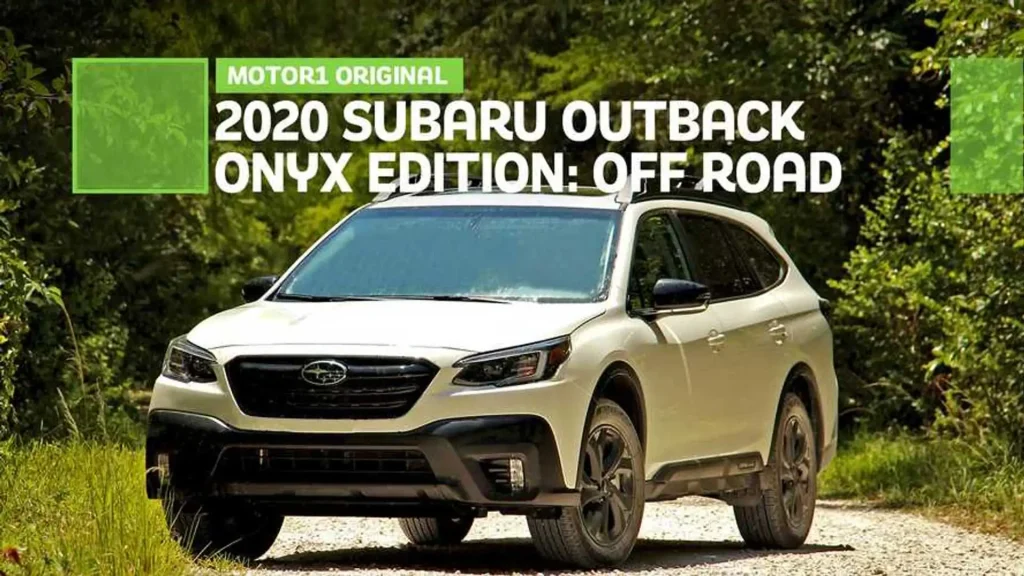
Subaru has long cultivated a loyal following, but the brand’s reach expanded considerably with the arrival of the first Subaru Outback in 1994. Based on the Legacy, the rugged wagon quickly attracted both longtime Subaru fans and buyers new to the brand. In the years since, the Outback has evolved from a niche favorite into a mainstream crossover, with more than 700,000 fifth-generation examples sold over five years. For 2020, Subaru introduces the sixth-generation Outback without straying far from the formula that made it successful.
At first glance, the 2020 Outback doesn’t look dramatically different from its 2019 predecessor. Subtle styling revisions and updated bodywork give it a fresher appearance without radically changing its familiar shape. The bigger changes are underneath, where a new platform and an available turbocharged engine bring noticeable improvements to the driving experience. And while those upgrades make the Outback better on pavement, their benefits extend well beyond the road.
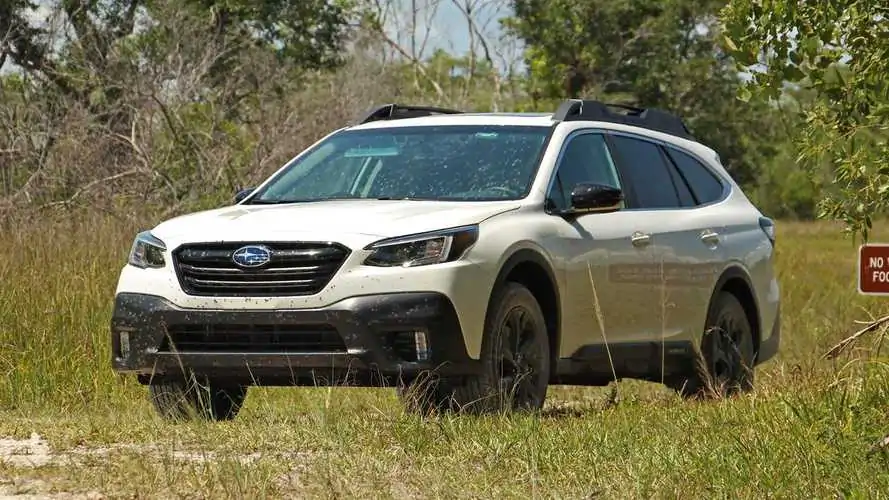
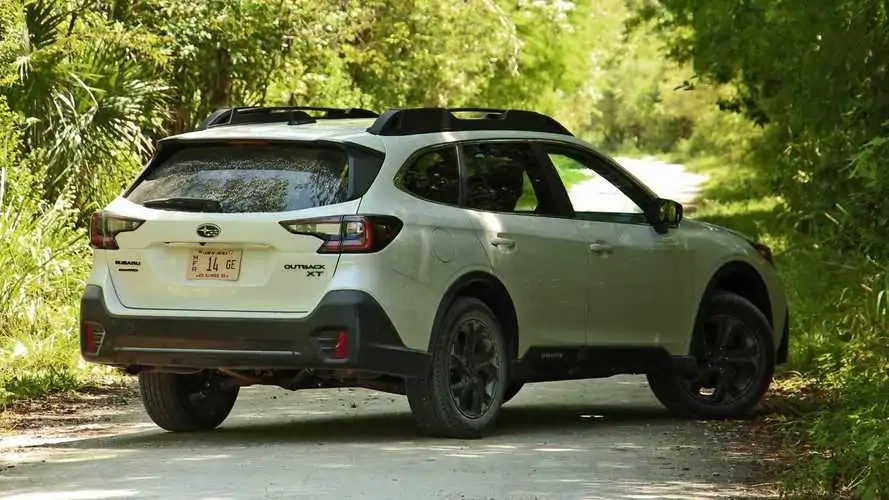
For most drivers, serious off-roading means dealing with rough gravel, muddy trails, steep access roads, and other moderate obstacles—not conquering the Rubicon Trail. That’s where the latest Subaru Outback makes a strong case for itself. It combines useful ground clearance and genuine trail ability with the space, comfort, and everyday manners you’d want from a daily driver, making it a more practical all-around choice than a hardcore off-roader for most buyers.
Built For The Backroads
On pavement, the Outback behaves much like a conventional crossover, and that’s a good thing. While more specialized off-road vehicles can feel rough or cumbersome during everyday driving, the Subaru remains quiet, comfortable, and composed. Its 8.7 inches of ground clearance even surpasses the 7.5 inches offered by a Honda Passport, yet the Outback never feels excessively tall or awkward from behind the wheel.
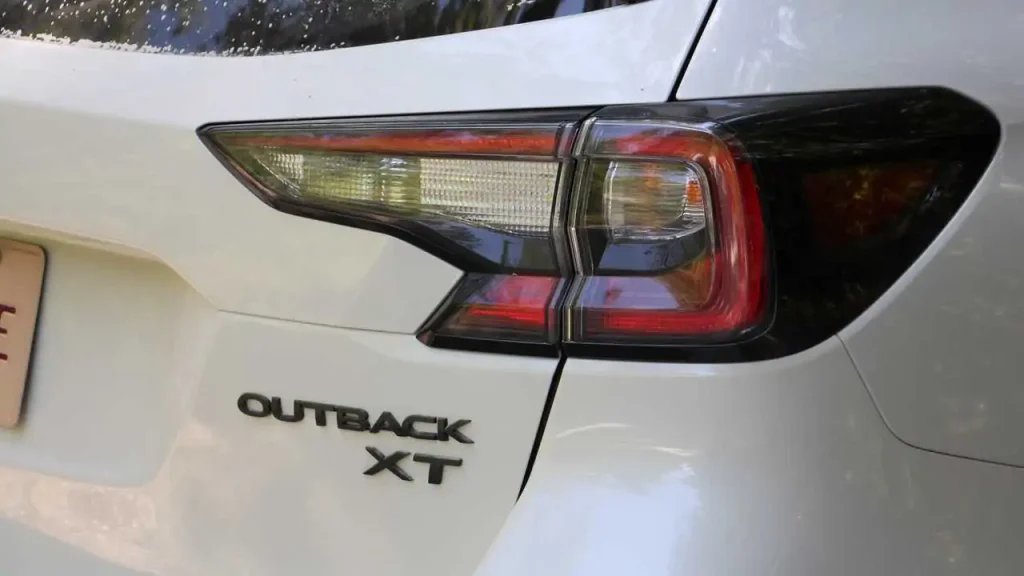
The styling has also moved closer to the crossover mainstream without abandoning the Outback’s wagon-inspired roots. After more than two decades of evolution—and a bit of added heft—the 2020 model retains the familiar long-roof profile while giving it a more contemporary face with redesigned headlights and grillework. Our Onyx Edition XT tester looked even tougher thanks to its black exterior trim and distinctive wheels, which give the otherwise understated design some extra attitude.
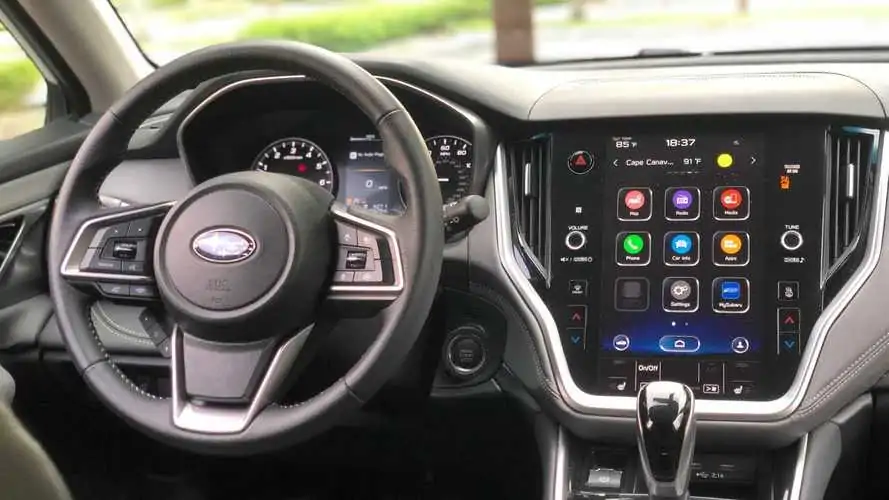
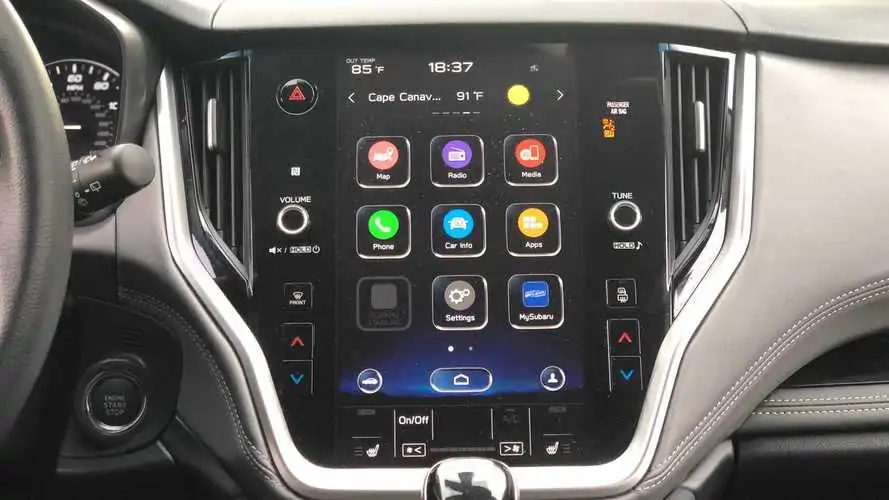
Inside, the 11.6-inch portrait-style touchscreen dominates the dashboard, stretching across nearly its entire vertical height. The cabin also gets plenty of StarTex, a vinyl-like material used on the seats, door panels, and sections of the dashboard. While it may not be genuine leather, the material feels upscale, looks good, and has the added advantage of being water-resistant.
Our tester was equipped with the optional turbocharged 2.4-liter four-cylinder, which produces 260 horsepower and 277 pound-feet of torque. That’s a substantial improvement over the standard 2.5-liter engine, which makes 182 hp and 176 lb-ft. The turbo four-cylinder comes paired with a continuously variable transmission and delivers plenty of power to get the Outback moving with authority, although there’s a noticeable pause from turbo lag before the engine really gets going.
The Subaru Outback Blurs The Line Between Road And Trail
Unlike many crossovers, the Subaru Outback is designed to remain just as useful away from pavement as it is on it. It doesn’t have the transfer cases or locking differentials you’d expect from more serious off-roaders like Jeep, but Subaru gives the Outback its X-Mode traction system. Using torque vectoring, X-Mode adjusts power between the wheels according to available grip at speeds of up to 25 mph, directing torque where it’s needed most. A dual-function version adds a more aggressive setting for challenging conditions such as deep snow and mud, although the standard X-Mode system is capable enough for most situations.
Our test route wasn’t exactly extreme, but it offered enough obstacles to see what the Outback could handle. We spent about six miles on a dirt road through Florida’s Fakahatchee Strand State Preserve, encountering mud puddles, rocks, and the occasional fallen tree along the way. It wasn’t the kind of terrain that would intimidate a dedicated off-roader, but the rough surface provided a useful demonstration of the Outback’s ability to venture beyond the pavement.
The Outback’s 8.7 inches of ground clearance quickly proved its worth, keeping the underbody safely above fallen branches and deep mud holes left behind by an earlier rainstorm. Nothing on the trail managed to make contact with the underside of the Subaru, and even if something did, the available under-engine skid plate would provide an extra layer of protection for the mechanical components underneath.
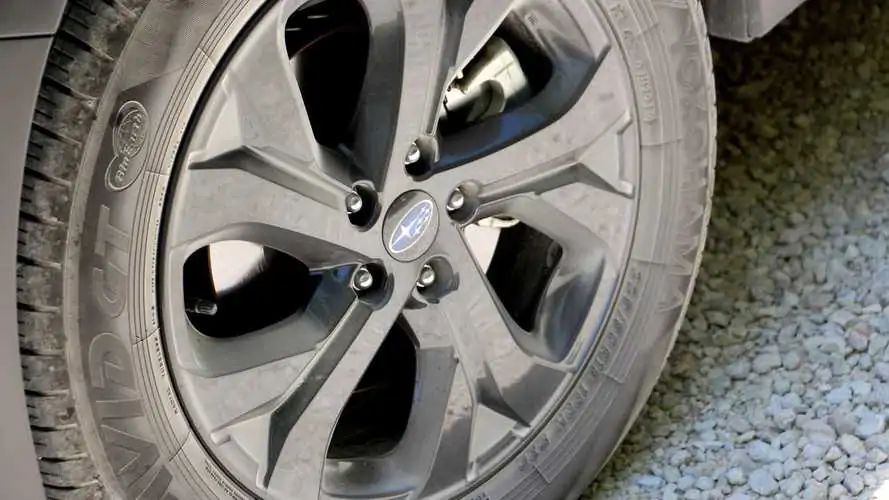
The 18-inch all-season tires, sized 225/60 R18, also handled the rough terrain with ease, allowing the Outback to roll over sharp rocks without much drama. With X-Mode activated, traction was never an issue. Switching the CVT into manual mode and using the steering-wheel paddle shifters also gave us better control of the turbocharged engine, which supplied enough punch to carry the Outback confidently through the rough sections.
The Outback Charged Through Mud, Rocks, And Fallen Branches With Ease.
Compared with dedicated body-on-frame off-roaders, the Outback’s suspension travel is nothing to brag about. Then again, Florida’s trails rarely present obstacles much more challenging than a speed bump. The front-mounted trail camera is useful when visibility gets tricky, but its small, low-resolution image leaves something to be desired. Apple CarPlay isn’t particularly impressive either, largely because of the Outback’s unusually tall 11.6-inch touchscreen. Although the display is substantial vertically, it’s relatively narrow from side to side, leaving limited space for CarPlay to use the upper portion of the screen.
Beyond those minor shortcomings, the Outback handled our trail with little fuss. It pushed through muddy puddles and rolled over rocks and fallen branches without hesitation while keeping occupants comfortable throughout. For families looking for a crossover that can handle weekday pavement just as confidently as weekend dirt trails, the Subaru Outback remains a compelling all-around choice.

Reasonably Priced
The 2020 Subaru Outback starts at $26,645, but the entry-level model comes with the naturally aspirated 2.5-liter engine, manually adjustable cloth seats, and a 7.0-inch touchscreen. Our test vehicle was considerably better equipped, though all those added features pushed the price noticeably higher.
delivery, with the only option being the $1,845 upgrade to the larger touchscreen. That may seem like a significant step up from the base model, but the Outback remains competitively priced against similarly equipped alternatives. A Honda Passport Touring comes in at $39,280, a comparable Jeep Grand Cherokee Altitude costs $38,490, and the Volvo V60 Cross Country starts considerably higher at $45,100.
More importantly, the Outback has a character that many of its rivals simply don’t replicate. Its blend of comfort, practicality, all-weather capability, and wagon-inspired personality has earned it a loyal following for more than two decades. The 2020 redesign builds on that formula with greater comfort, improved capability, and even more reasons to like it.
Competitors