
The retro-inspired electric van is set to launch in Europe in 2022.
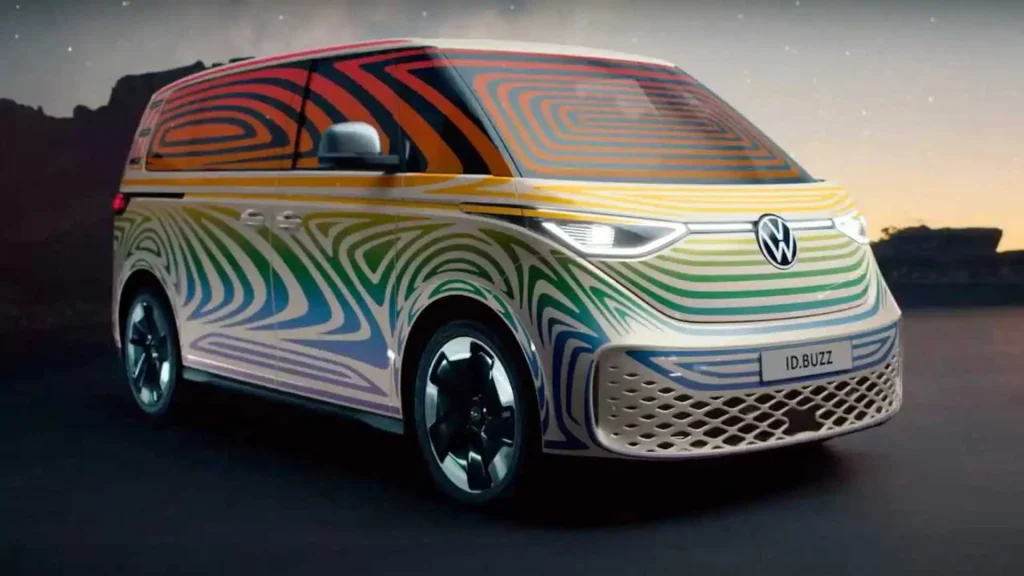
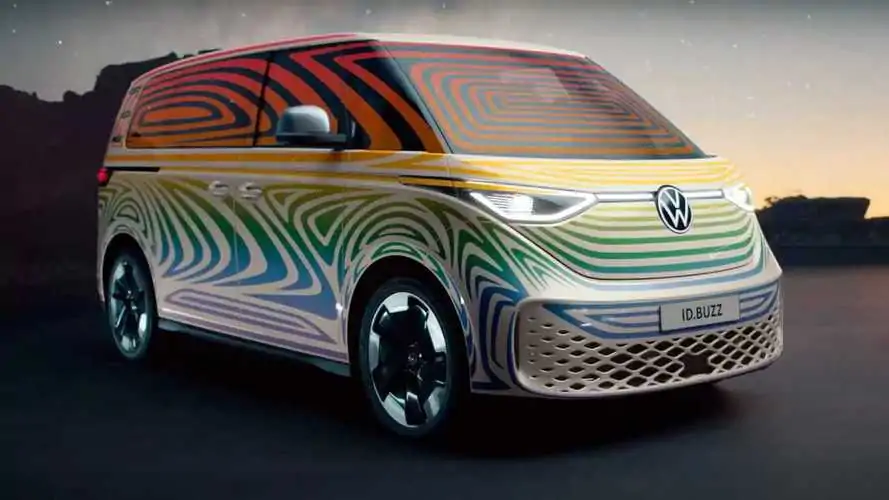
After years of teasing an electric successor to the iconic Microbus with concepts such as the Bulli and Budd-e, Volkswagen is finally bringing the classic Type 2-inspired design into the modern era with the ID. Buzz. Production is set to begin in 2022, adding another zero-emissions model to VW’s expanding ID family. While Volkswagen has kept some of the van’s finer details under wraps, the concepts and early information offer a solid preview of what to expect from its return.
What Electric Powertrain Will the ID. Buzz Use?
Volkswagen has yet to reveal all the technical details surrounding the ID. Buzz’s electric motors and battery options, but earlier concepts provide some clues. The ID. Buzz Cargo concept, for example, uses a rear-mounted electric motor producing 201 horsepower (150 kilowatts). It is designed to accommodate battery packs ranging from 48 to 111 kilowatt-hours.
With the largest battery, Volkswagen estimated a maximum WLTP driving range of roughly 342 miles (550 kilometers), giving the electric van enough range for more than just short urban trips.
Volkswagen is also expected to offer a dual-motor version of the ID. Buzz. By adding an electric motor at the front axle, the van could deliver approximately 402 hp (300 kW) while gaining the traction benefits of all-wheel drive.
Another potential feature is a solar roof. Reports indicate Volkswagen has considered using solar panels on the roof to generate a small amount of electricity while the van is parked or driving. It wouldn’t replace conventional charging, but the extra energy could provide a modest boost to range.
How Will the ID. Buzz Look?
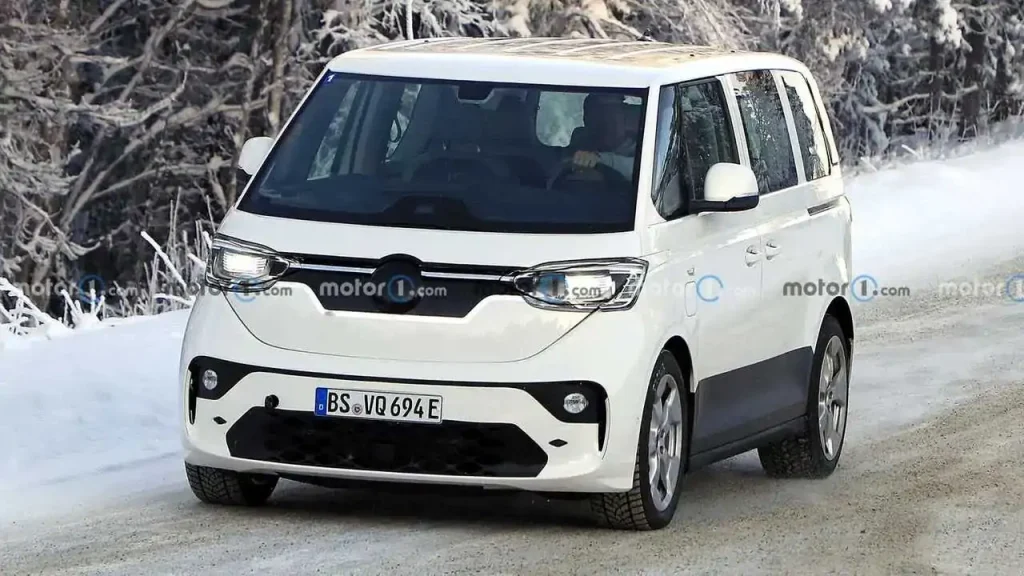
The production ID. Buzz stays faithful to the design language of the original concept, but Volkswagen has made several changes to create a more practical production vehicle. A preview released alongside the ID.5 showed a van with a more upright front end and squared-off proportions than the softer, more rounded 2017 concept.
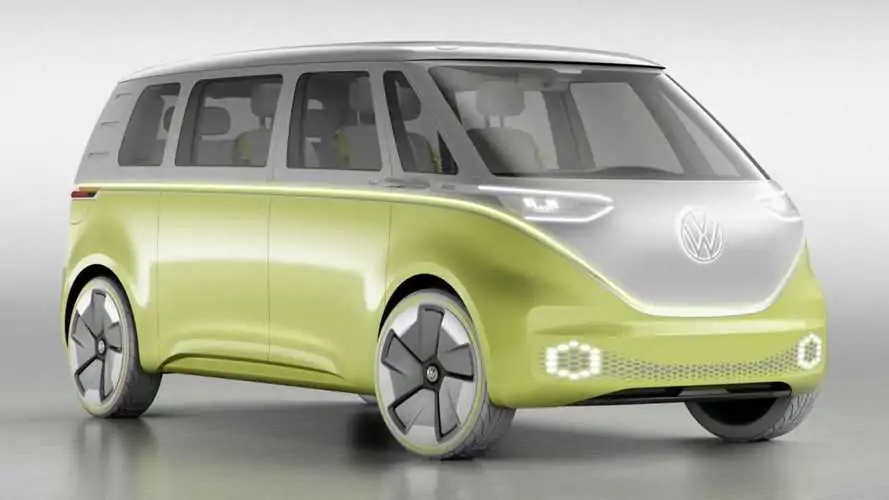
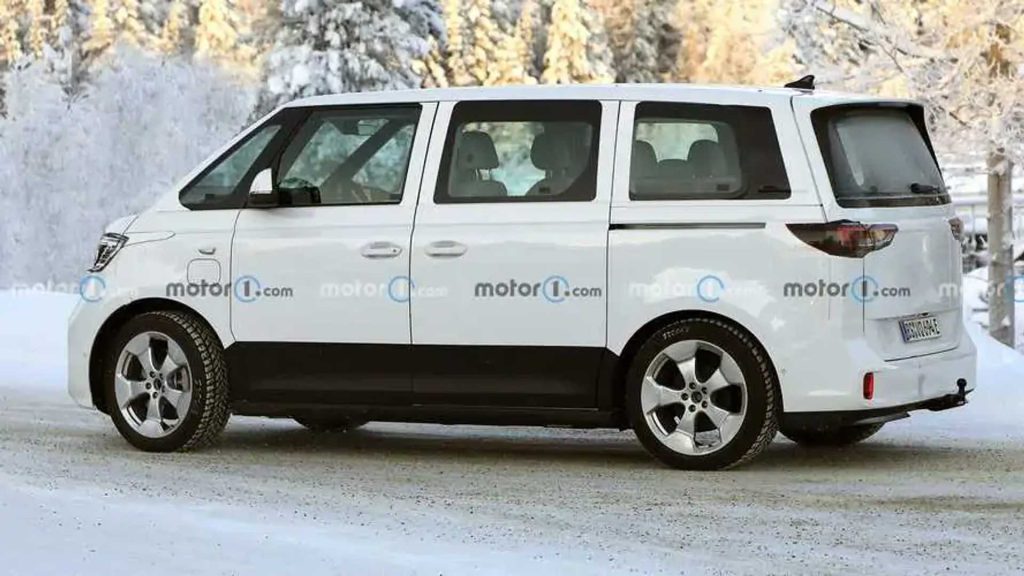
The European lineup is expected to be particularly broad. Buyers will have access to different body lengths, including short- and long-wheelbase configurations. Passenger versions will be joined by a people-moving model designed for commercial operators such as taxi and ride-hailing companies. Volkswagen will also produce a dedicated cargo version for businesses.
The U.S. market is expected to receive a simpler lineup centered on a three-row passenger model. Even so, Volkswagen plans to give the van plenty of character inside, with flexible seating among the features under consideration, including seats capable of rotating to face rear passengers.
Development prototypes became much easier to identify in 2021, when Volkswagen began testing the Buzz with its production body instead of disguising the electric hardware beneath a modified Transporter shell. Those prototypes have since offered a much clearer picture of the finished van’s proportions and styling.
The Buzz family is also set to expand beyond passenger and commercial models. Volkswagen Commercial Vehicles has revealed plans for an ID. California camper, although the company has provided few technical details. A recreational version could feature sleeping quarters, cooking facilities, and a pop-up roof, transforming the electric van into a modern camper.
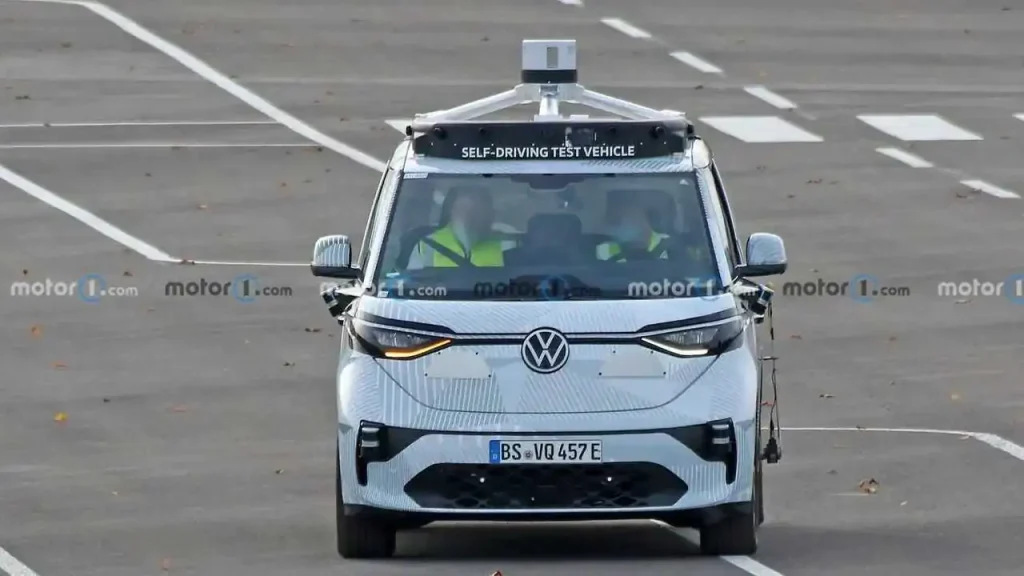
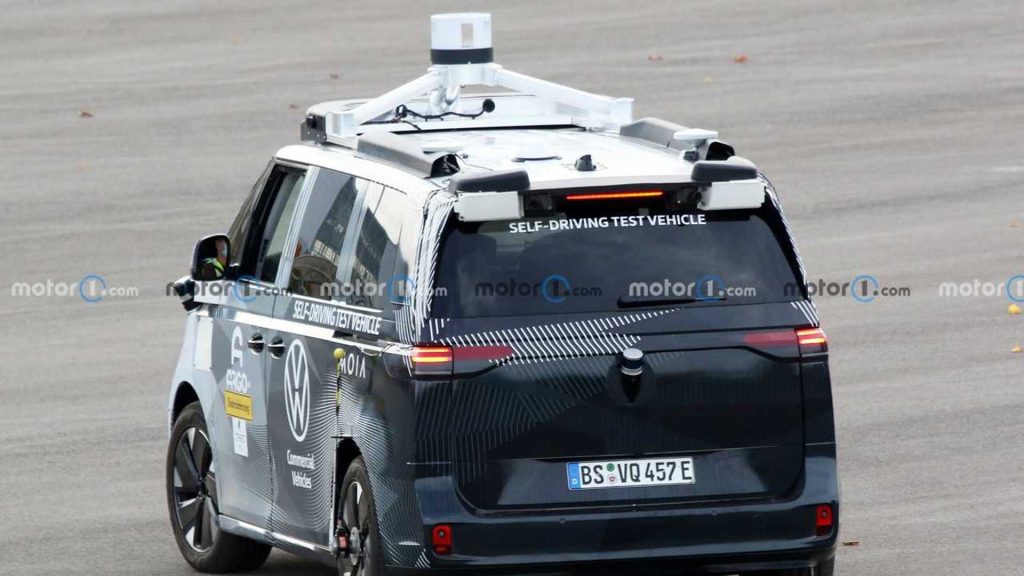
Table of Contents
What Technology Will the ID. Buzz Offer?
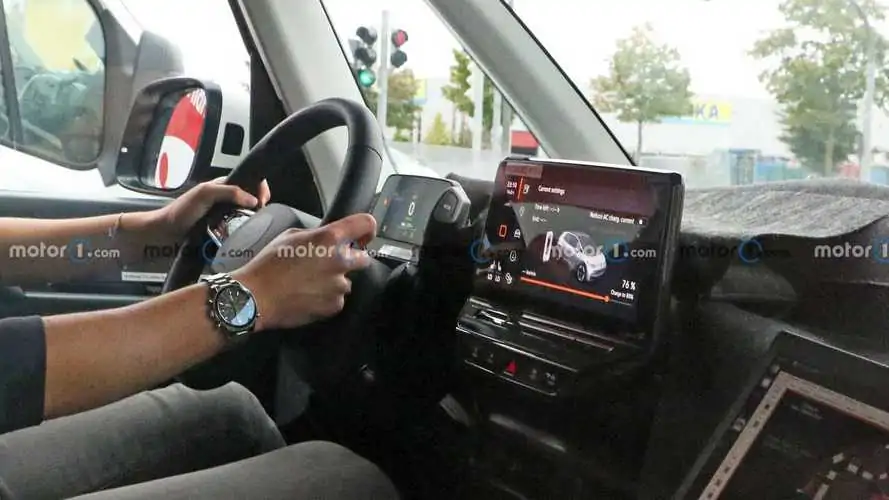
The ID. Buzz is expected to bring a decidedly modern interior despite its retro-inspired exterior. Images of test vehicles suggest a cabin influenced by other members of Volkswagen’s ID family, particularly the ID.4. A compact digital display sits ahead of the driver, while the electronic gear selector is positioned alongside it. The main infotainment display is mounted prominently above the center of the dashboard, creating a clean, minimalist layout.
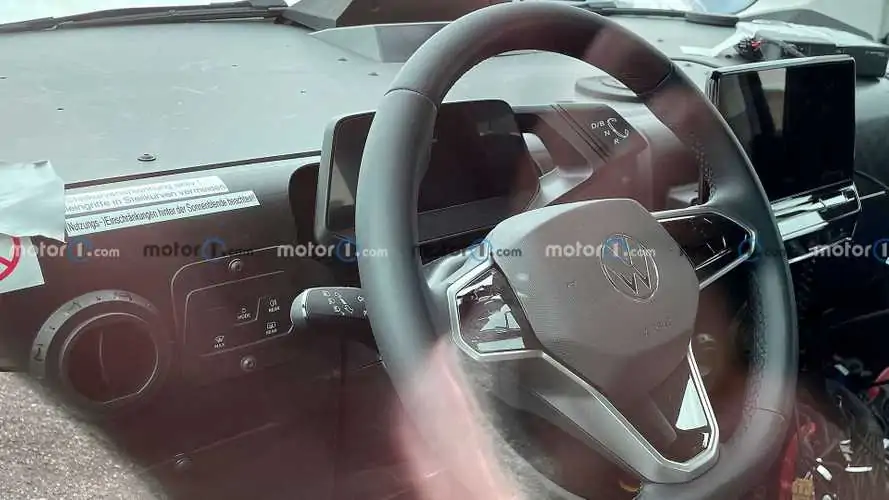
Volkswagen has also explored more advanced technology for the Buzz. At CES 2018, the automaker announced a collaboration with Nvidia focused on bringing artificial intelligence to the van. Among the proposed capabilities was the ability to identify its owner and unlock the doors automatically. Voice commands and gesture controls were also part of the technology package being demonstrated.
Autonomous driving has been another area of experimentation. Volkswagen has previously unveiled multiple self-driving ID. Buzz concepts, including a version configured as an emergency vehicle. Spy photographers have also caught prototypes being tested with autonomous-driving equipment. Whether this technology will eventually reach a regular production Buzz remains uncertain, although Volkswagen could use the van for limited technology demonstrations.
When Will the ID. Buzz Arrive?
Volkswagen planned to launch the ID. Buzz in Europe during 2022. The U.S. market was scheduled to follow later, with the electric van expected to arrive for the 2024 model year in the latter part of 2023.
What Will the ID. Buzz Cost?
Volkswagen had not announced official U.S. pricing for the ID. Buzz at the time. As a point of comparison, the rear-wheel-drive ID.4 started at $39,995 before destination charges, while the all-wheel-drive version carried a starting price of $43,675.
Because the ID. Buzz is larger and offers more passenger and cargo space than the ID.4, it was expected to command a higher price. The final figure would also depend on battery size, drivetrain configuration, and available equipment.