
The Volkswagen W12 concept was an outrageous supercar that came tantalizingly close to production but ultimately remained one of the brand’s most spectacular what-ifs.
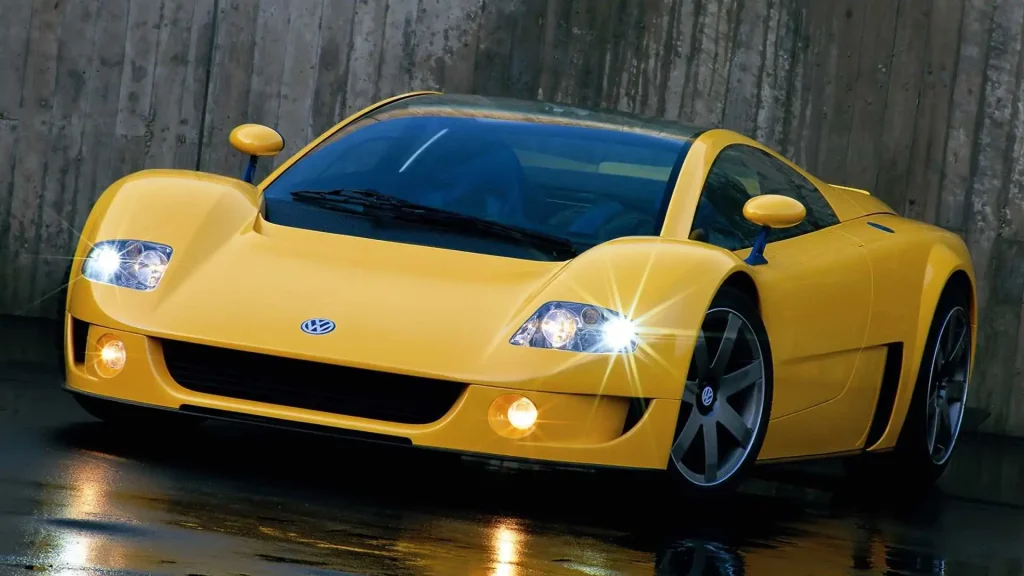
First Shown: Tokyo Motor Show, 1997
Evolution: Geneva Motor Show, 1998 / Tokyo Motor Show, 2001
Powerplant: 5.6-Liter Quad-Turbo W12
Output: 414 HP initially, rising to 591 HP
Torque: 458 LB-FT
Production Status: Concept only
Original Price: N/A
Volkswagen’s electrified future is becoming increasingly clear. The company’s I.D. family, led by the recently introduced ID.3 hatchback, represents where the brand is headed. But before looking too far ahead, it’s worth revisiting a fascinating chapter from Volkswagen’s recent history. During roughly a decade spanning the mid-1990s and early 2000s, the German automaker produced a series of wildly ambitious concepts, including the stunning W12 supercar. Volkswagen actually developed three different versions of the car, and all remain some of the most intriguing concepts the company has ever built.
German Engineering Meets Italian Design
The story began in 1997 under then-Volkswagen CEO Ferdinand Piëch. Volkswagen turned to Italian design house Italdesign to shape an exotic mid-engine coupe around its new W12 powerplant and all-wheel-drive system. The result was the W12 Syncro, a striking bright-yellow supercar unveiled at the Tokyo Motor Show with 414 horsepower (308 kilowatts). It was an impressive starting point, but Volkswagen wasn’t finished experimenting.
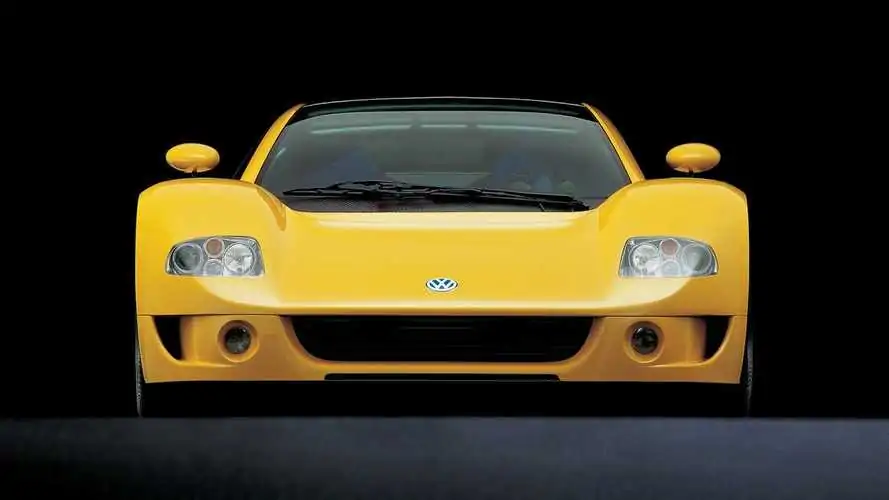
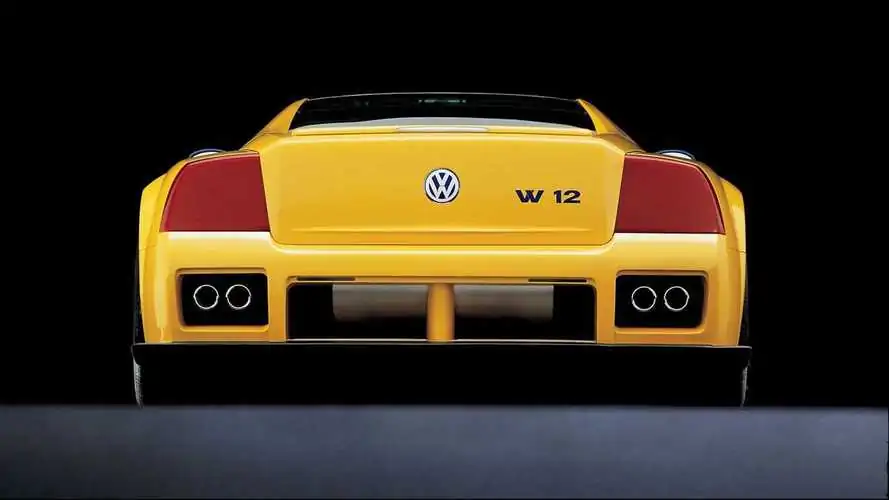
One year later, the company revealed the W12 Roadster, an open-top evolution of the original concept. It retained the 5.6-liter W12 and its 414-hp output, but traded the coupe’s roof for a dramatic roadster body. The real transformation came several years later, when Volkswagen pushed the concept much further in terms of performance.
At the 2001 Tokyo Motor Show, the W12 Nardo made its debut wearing a distinctive orange finish. Named after Italy’s famous Nardò test track, the supercar packed a heavily developed 5.6-liter W12 producing 591 hp (440 kW) and 458 pound-feet of torque. It could accelerate from 0 to 62 mph (100 km/h) in just 3.5 seconds and reach an extraordinary top speed of 221.8 mph (357 km/h).
Volkswagen wasn’t content to leave the W12 as a static concept, either. A year after the Nardo appeared, the company created a dedicated race car based on the same architecture. The W12 racer completed a 24-hour run at the Nardò Ring in Lecce, Italy, maintaining an average speed of 200.6 mph. Along the way, it established 12 speed records.
A Supercar That Never Happened
Despite Volkswagen developing production vehicles around the W12 engine, including the Phaeton and Touareg, the spectacular mid-engine supercar never made it to showrooms. Volkswagen had never officially promised that it would, either. Instead, the W12 served primarily as a rolling laboratory for developing and demonstrating the capabilities of the company’s ambitious new engine.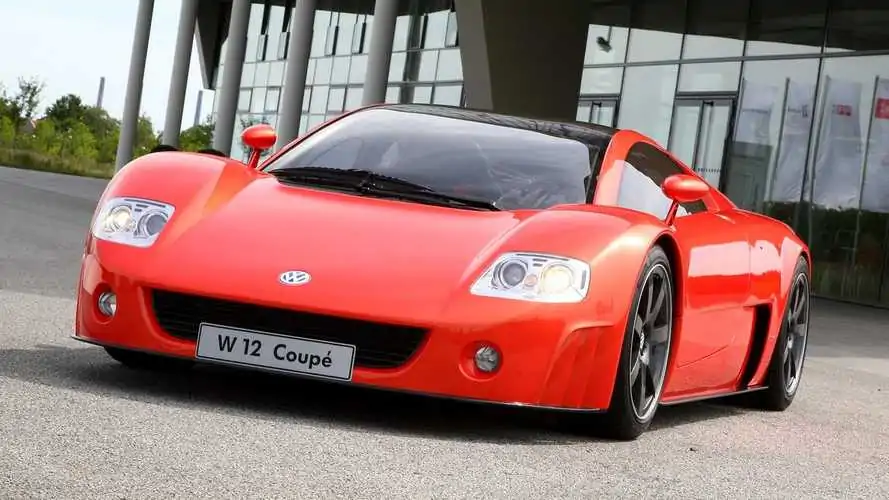
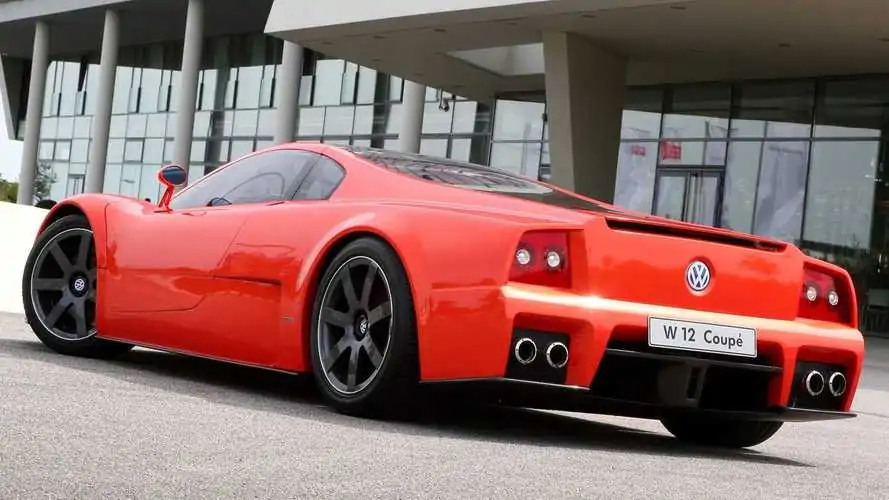
In that respect, the project accomplished much of what Volkswagen intended. The W12 demonstrated what the company could do when it pushed its engineering capabilities to the extreme, while the engine eventually found its way into production models such as the Phaeton and Touareg. Still, it’s hard not to wonder what might have happened if Volkswagen had taken the final step and actually built the W12 supercar for customers.