
The automaker’s April Fools’ stunt created a credibility problem it never needed.
April Fools’ Day has become an annual marketing opportunity for parts of the automotive industry. Every April 1, automakers roll out playful announcements and tongue-in-cheek concepts, and journalists sift through the claims knowing that many are little more than publicity stunts. But Volkswagen’s 2021 stunt went beyond the usual joke.
On the afternoon of March 29, USA Today published a report saying Volkswagen planned to rename its U.S. operation “Voltswagen” to emphasize its electric-vehicle ambitions. The story followed the brief appearance of a press release on Volkswagen of America’s media website, dated April 29, announcing the supposed change. A VW spokesperson declined to comment to the newspaper, but an anonymous source told USA Today the announcement was genuine. I contacted two Volkswagen of America sources myself: one declined to comment, while the other confirmed the news off the record.
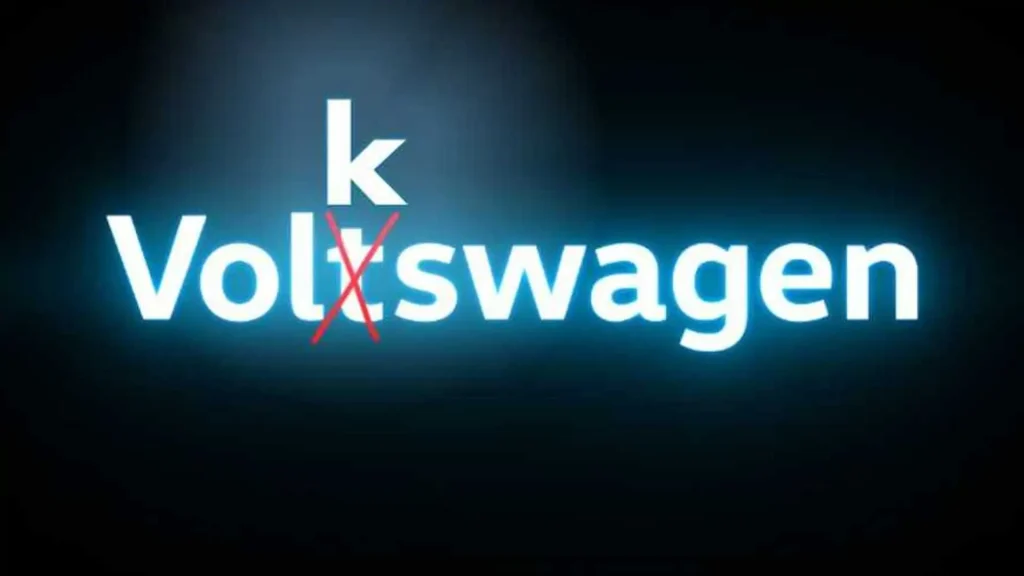
On Tuesday, Volkswagen escalated the stunt by changing its logos, updating its social media handles, and publishing an official-looking press release featuring comments from Volkswagen of America President and CEO Scott Keogh. The announcement stated that the “Voltswagen” name would take effect in May 2021. Everything about the release appeared legitimate, with none of the usual clues suggesting an April Fools’ prank. Motor1.com, along with much of the automotive press, reported the announcement as genuine. We had fallen for it.
One explanation is that Volkswagen simply made an administrative error by releasing the announcement ahead of schedule, then mishandled its efforts to contain the fallout.
But consider another possibility: someone seeking to fool the media could have followed this exact sequence. Publish the release, wait for a major outlet to report it, then quietly remove it to create the impression of an accidental leak. Few things generate online attention as quickly as a supposedly premature announcement from an automaker. Keep confirming the story to journalists who ask questions, then watch as it spreads.
In previous years, falling for an April Fools’ gag might have earned a journalist some friendly teasing from colleagues and fellow car enthusiasts on Twitter. Volkswagen’s stunt, however, struck a different nerve. After four years of dealing with the consequences of fake news, many in the media viewed the company’s decision to deliberately mislead reporters for a joke as badly judged. The backlash on Twitter was immediate and sharp.
What bothered me most about this incident wasn’t that Motor1.com and other automotive publications fell for the prank. It was that the story depended on company representatives providing information we had every reason to believe was truthful. Volkswagen has spent years trying to rebuild its reputation and restore public confidence following the diesel emissions scandal, and it had appeared to be making meaningful progress. I loved the Volkswagen ID.4 when I tested it, and the brand’s move toward electric vehicles had given me plenty of reasons for optimism.
The Voltswagen episode undermined that progress. It might be tempting to dismiss this criticism as journalists defending their profession, but the issue extends beyond hurt feelings in the automotive media. Volkswagen chose to distribute misleading information through channels that normally carry legitimate company announcements, raising questions about how much trust reporters and the public should place in its future communications. For a company still working to repair its credibility, that was a significant risk to take for the sake of a joke.
Volkswagen’s shares opened Monday at $33.13 and had climbed above $38 by 3 p.m. Tuesday. As the tweet above points out, the supposed name change even prompted a market analyst to publish a note about the announcement. April Fools’ pranks are one thing, but they become more serious when they can influence real-world decisions. The movement in Volkswagen’s share price underscores why the company’s misleading announcement was more than harmless fun, as The Truth About Cars also noted.
I’ll leave you with one final reaction to Volkswagen’s latest controversy, this time from Nick Bunkley of Automotive News:
On March 31, Volkswagen posted what amounted to a non-apology on social media, continuing to treat the incident as a bit of fun rather than acknowledging the seriousness of the public relations fallout. But a prank only works when everyone can eventually share the laugh. For every clever April Fools’ stunt, there are plenty that fall flat, including these Honda and Toyota efforts.
What made Volkswagen’s stunt different was the potential damage to its credibility. Bad jokes are quickly forgotten, but trust is much harder to restore once it has been compromised. This time, the company risked undermining the confidence journalists place in its official statements—and that is a far more serious consequence than an April Fools’ punchline.