
If you’re torn between the two, a handful of cars give you the best of both worlds.
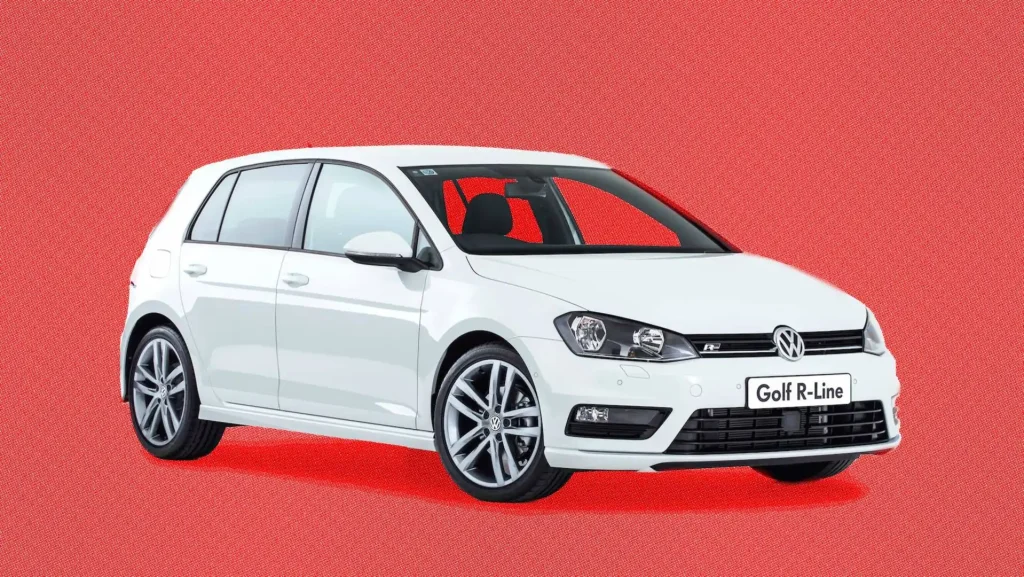
Not long ago, station wagons were the go-to family vehicle. Today, that title belongs to crossover SUVs (CUVs), which have become the preferred choice for drivers who want extra space, a higher seating position, and SUV-inspired styling without sacrificing everyday comfort. As consumer demand has shifted, many traditional sedans have disappeared from the market, while crossovers now dominate nearly every segment.
Despite the popularity of CUVs, station wagons and hatchbacks continue to offer compelling advantages. They deliver the driving dynamics of a car while adding significantly more cargo space and versatility than a traditional sedan. For drivers who don’t need the extra height of a crossover, they remain smart, practical alternatives.
Table of Contents
Wagon and Hatchback Basics
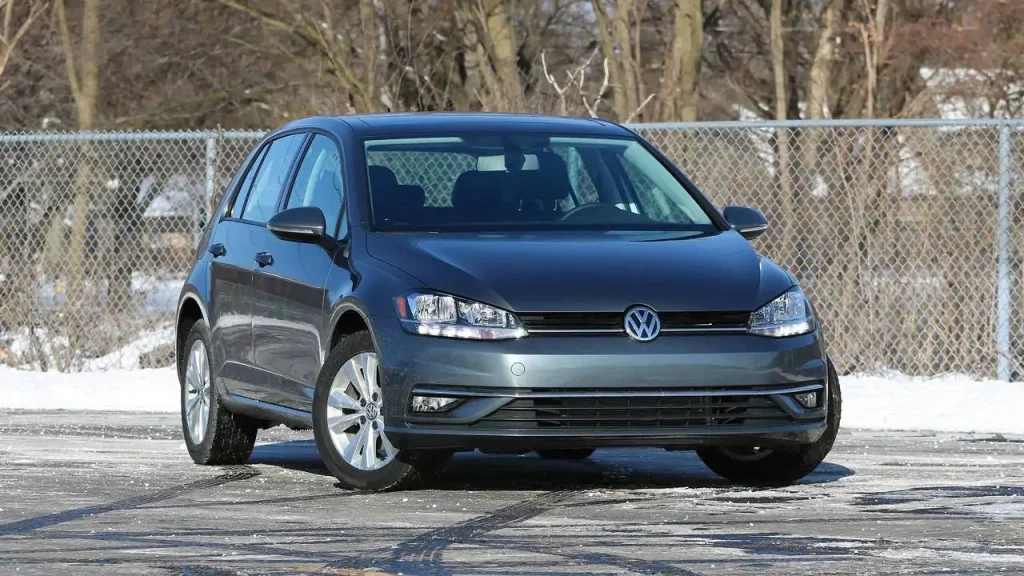
A hatchback is essentially a passenger car with a rear liftgate instead of a conventional trunk. Most have four doors, a relatively level roof, and a large rear opening that makes loading cargo easier. A station wagon follows the same basic formula but extends the body farther behind the rear seats, creating additional cargo space and, in some cases, more room for rear passengers.
The big advantage is that both body styles retain the driving characteristics of the sedans they’re based on. They handle and ride much like conventional passenger cars while offering considerably more usable cargo space. Fold the rear seatbacks down, and the available storage area grows even further.
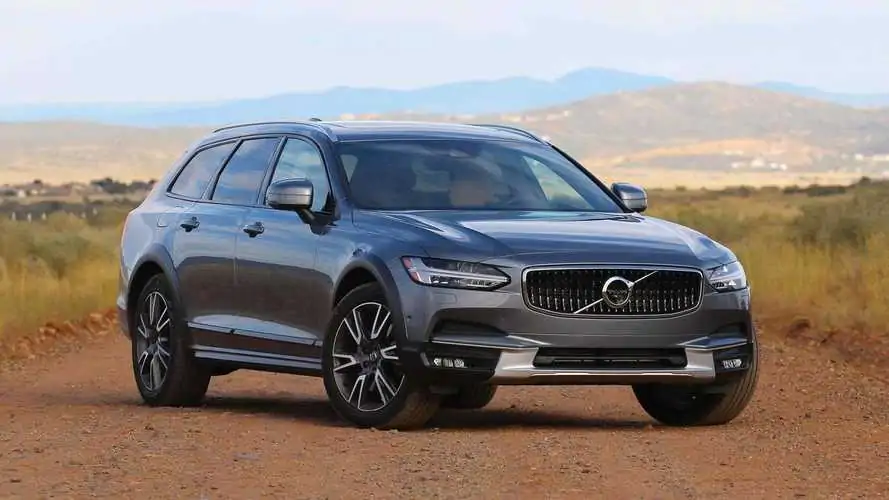
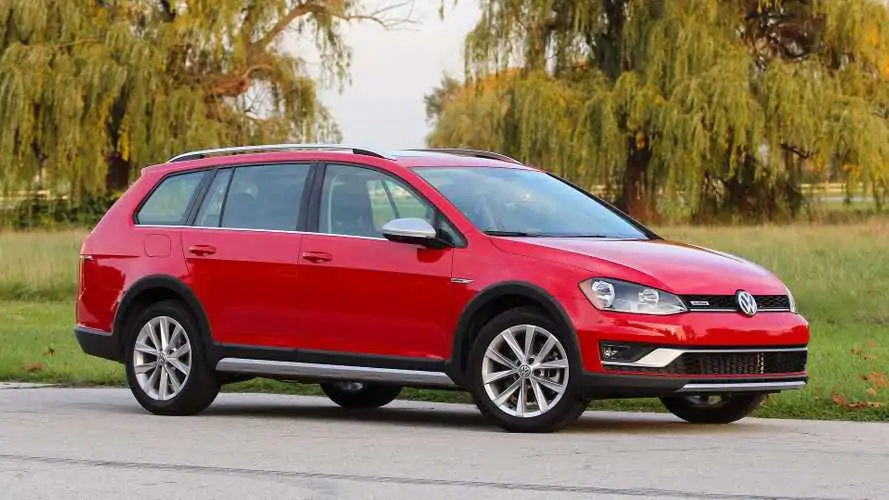
Small hatchbacks have included the Ford Fiesta and Focus, Chevrolet Sonic and Cruze, Honda Fit and Civic, Mazda3, and Volkswagen Golf. Station wagons range from the BMW 3 Series and Mercedes-Benz E-Class to the Volvo V60 and V90. Some wagons blur the line between cars and SUVs by adding extra ground clearance and rugged-looking bodywork. Examples include the Audi Allroad, Subaru Outback, and Volkswagen Golf Alltrack.
Some hatchbacks, particularly larger models styled as so-called “four-door coupes,” take a sportier approach with a sloping roofline. The tradeoff can be reduced rear headroom and less usable space toward the back.
Most hatchbacks and wagons use front-wheel drive, although BMW and Mercedes-Benz have traditionally based many of their wagons on rear-wheel-drive architectures. All-wheel drive is common among European luxury wagons, particularly where extra traction is desirable in rain or snow. It can be especially useful on rear-wheel-drive models, while front-drive-based cars already have some traction advantage from having the engine’s weight over the driven wheels.
CUV Basics
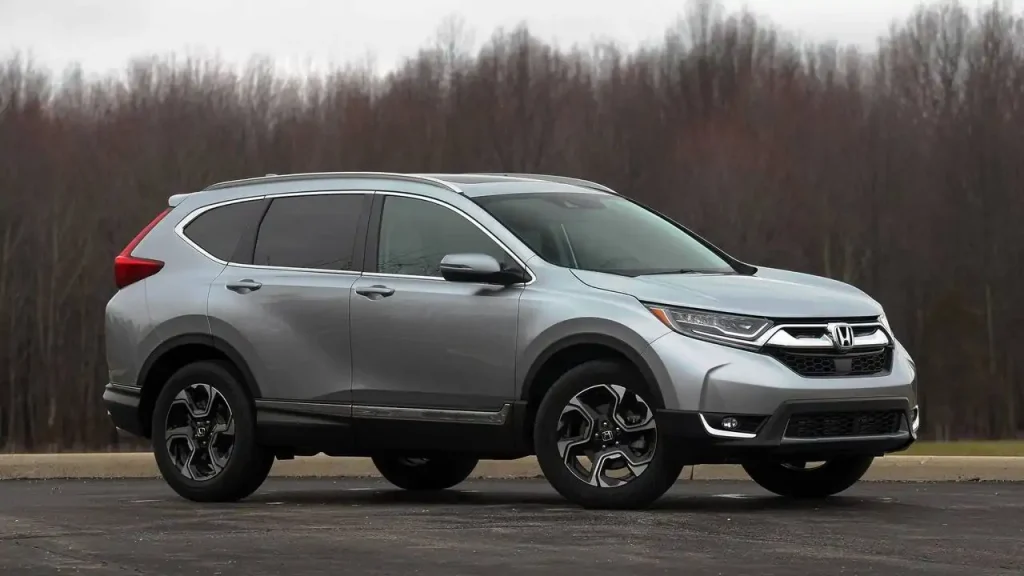
Unlike traditional truck-based SUVs, which use body-on-frame construction and can offer low-range four-wheel drive for serious off-road work, crossover utility vehicles are built on car-based unibody platforms. That generally gives them smoother ride and handling characteristics along with better fuel economy.
In many ways, a CUV is a taller, more SUV-like interpretation of a station wagon. Increased ground clearance makes getting in and out easier, while the elevated seating position provides a more commanding view of the road.
CUVs cover a huge range of sizes, from small subcompact models aimed at singles, young couples, and empty nesters to large three-row vehicles capable of carrying up to eight passengers. Their powertrains are generally similar to those found in related passenger cars, with four-cylinder engines common among smaller models and turbocharged four-cylinders or V6s used in larger vehicles. Some performance-oriented CUVs, such as the Porsche Macan and Jaguar F-Pace, combine SUV practicality with acceleration and handling more commonly associated with sports cars.
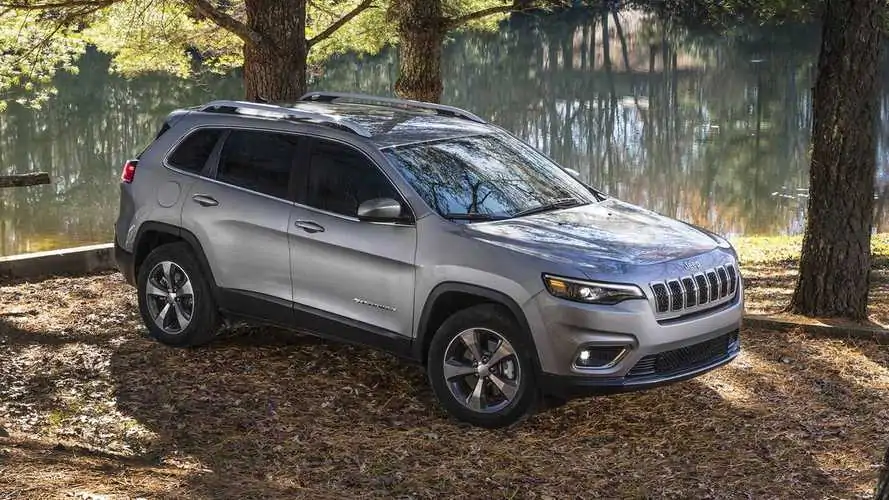
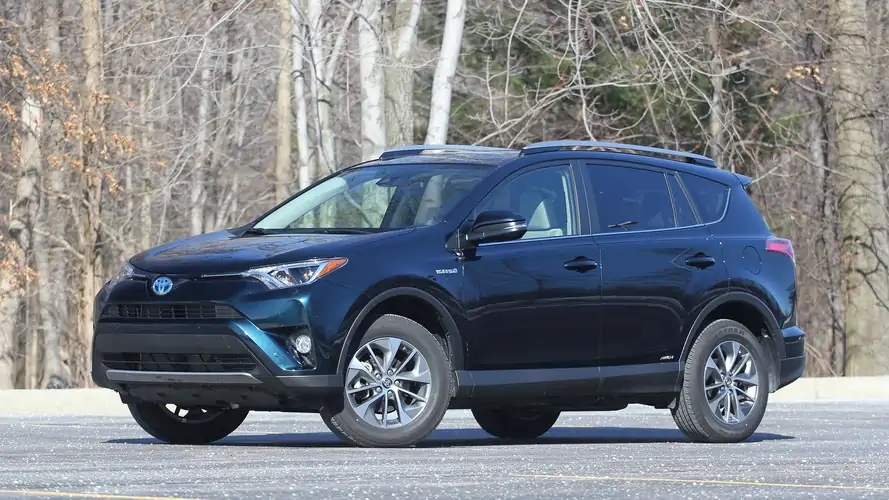
All-wheel drive is widely available among CUVs, providing additional traction on wet, snowy, or slippery roads. Many systems normally distribute power between the front and rear axles and can automatically shift torque when wheel slip is detected. Some European models bias more power toward the rear to provide a sportier driving feel.
CUVs generally lack the low-range gearing found in serious off-road SUVs, but several models offer sophisticated traction-control and drive-mode systems that improve their ability to tackle dirt roads and moderate trails. Examples have included the Jeep Cherokee, Compass, and Renegade, various Range Rover models, and the Ford Explorer.
Why Choose a Wagon or Hatchback?
A hatchback or wagon makes sense if you want the driving position and road manners of a passenger car but need more cargo flexibility than a sedan provides. Wagons generally offer more storage space and a longer, more horizontal roofline, while hatchbacks tend to be shorter and more compact.
Despite their smaller dimensions, both can carry an impressive amount of gear with the rear seats folded. Their large rear liftgates also make loading and unloading relatively easy, even when their cargo areas aren’t as tall as those in many CUVs.
Hatchbacks and wagons can feel more agile through corners than taller CUVs, while many European models add an extra dose of driving enjoyment without giving up everyday practicality. All-wheel drive is also available on many upscale wagons and hatchbacks, making them more capable in wet or snowy conditions.
Price is another advantage. Hatchbacks and wagons have traditionally cost less than comparable CUVs, particularly in their entry-level forms. The 2018 Honda Fit, for example, started at $19,050 including destination, while the related Honda HR-V began at $22,595. Likewise, the Ford Focus hatchback started at $21,320, compared with $24,825 for the Ford Escape.
Because CUVs have become more popular than traditional wagons and hatchbacks, buyers can sometimes find better deals on these less-demanded body styles, including incentives or rebates.
Why Skip a Wagon or Hatchback?
If maximum cargo room, a taller seating position, or easier entry and exit are priorities, a CUV has some clear advantages. There are also fewer hatchbacks and wagons on the market, particularly outside the mainstream compact-car segment. Buyers needing three rows of seating have even fewer options, since most wagons and hatchbacks accommodate only five people.
And while hatchbacks and wagons can offer sharper handling than taller CUVs, that advantage matters less if driving enjoyment isn’t high on your list of priorities.
Why Choose a CUV?
A CUV is worth considering when passenger space, cargo capacity, and a higher driving position matter more than sedan-like handling. The taller roof typically provides additional headroom and makes it easier to load bulky items, while increased ground clearance and an upright seating position give the driver a better view of surrounding traffic.
The higher ride height can also make getting into and out of the vehicle easier than with a lower passenger car. Larger CUVs add a third row and can accommodate as many as seven or eight passengers, depending on configuration, while offering the flexibility families often need for passengers and cargo.
All-wheel drive is widely available and can provide useful extra traction on wet or snowy roads, although it’s not essential for every driver. For those who regularly deal with severe winter weather, unpaved roads, or slippery driveways, however, it can be a worthwhile addition.
Why Skip a CUV?
Choose a hatchback or wagon if you prefer the lower seating position, styling, and driving feel of a passenger car but still need additional cargo capacity. These vehicles can also cost less than comparable CUVs, and choosing front-wheel drive instead of AWD can reduce the purchase price further.
All-wheel drive typically adds cost and weight, which can slightly reduce fuel economy and potentially increase long-term maintenance expenses.
If you’re caught between the two categories, models such as the Subaru Outback and Volvo V60 Cross Country offer a useful middle ground. Both combine wagon-like proportions with increased ground clearance, available or standard all-wheel drive, and styling that borrows heavily from the CUV playbook.