
While most people were shopping for holiday gifts, a vintage Volkswagen Bus crossed the auction block for more than the price of a brand-new Porsche 911 Turbo S.
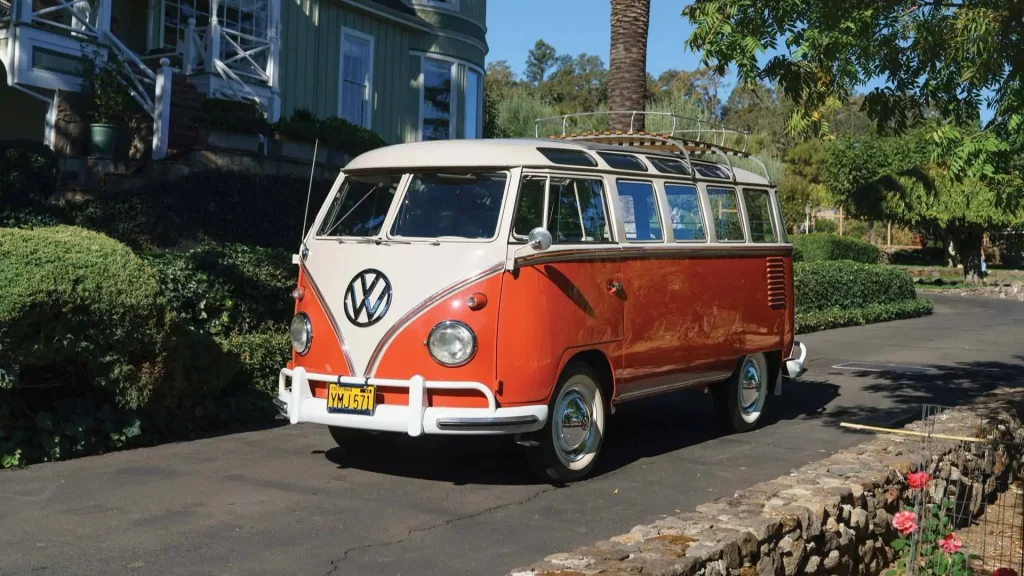
A 1960 Volkswagen 23-Window Microbus sold for $207,200 at RM Sotheby’s Icons auction in New York. The December 6 result is remarkable for a vintage Volkswagen, putting the beloved bus into a price bracket more commonly associated with modern Italian exotics.
Anyone familiar with classic Volkswagens knows these buses have a passionate following and have been appreciating for years. Even so, the huge auction numbers raise an interesting question: When did the first-generation Volkswagen Type 2 Microbus become a six-figure collector car?
To get some answers, we spoke with experts from both the auction and enthusiast communities to better understand the rapidly changing market for these iconic vans.
“A 23-window Volkswagen is as iconic as a 1965 Mustang Convertible, or a Mercedes Gullwing,” said Gord Duff, global head of auctions for RM Sotheby’s, in an interview with Motor1.com. He explained that the Microbus has unusually broad appeal, attracting everyone from lifelong Volkswagen enthusiasts to serious collectors with Ferraris and classic American cars in their garages.

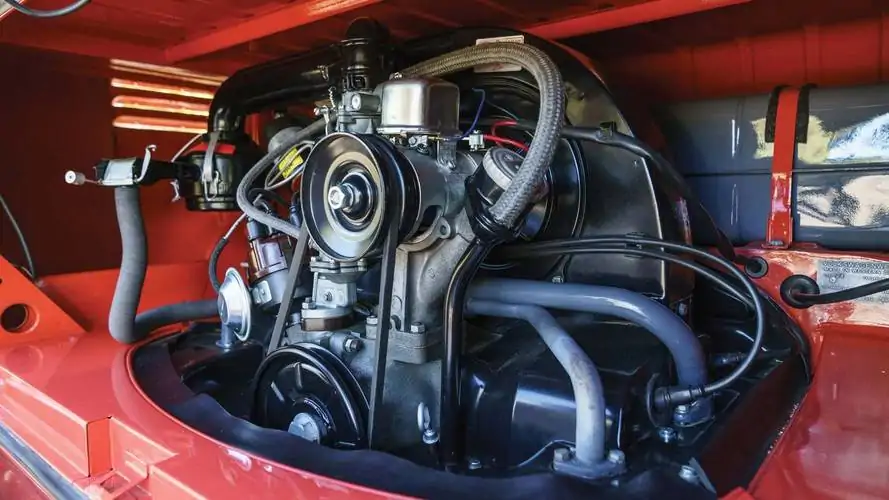
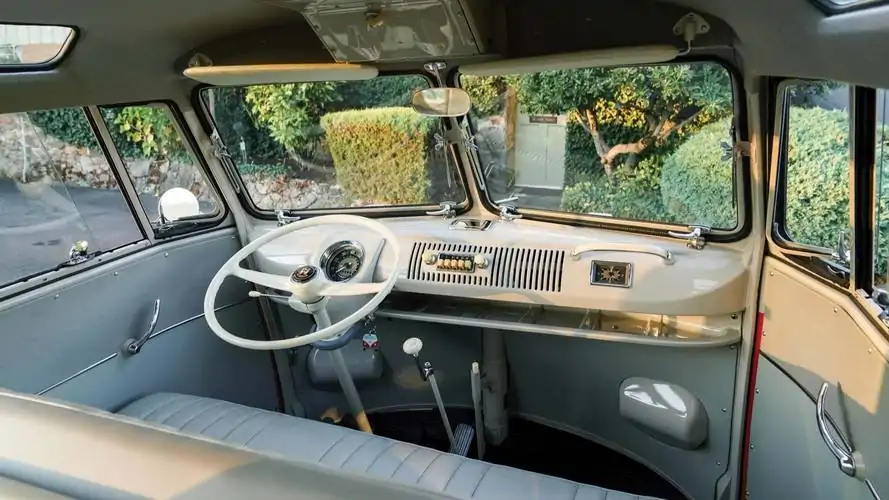
Still, a recognizable shape and nostalgic appeal don’t automatically explain a $207,200 sale. Duff said the particular 1960 Microbus benefited from a combination of its equipment, restoration quality, and the auction venue. The color combination can also have a major effect on value, with the right shades potentially adding as much as 20 percent.
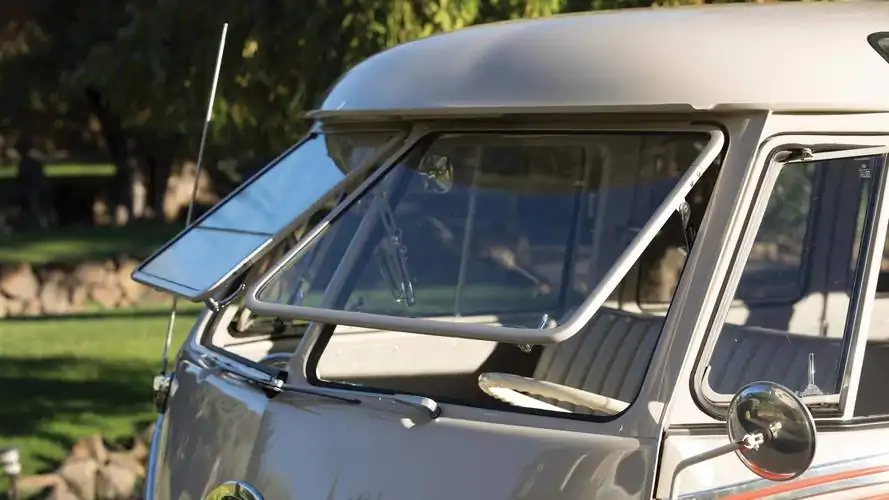
The number of windows matters, too. Duff said an otherwise comparable 21-window bus could be worth roughly half as much as a 23-window model. Even that would put the most desirable examples firmly into six-figure territory.
As for when prices really began taking off, Duff points toward the years leading up to the 2007-2008 financial crisis. Volkswagen enthusiast and journalist Adam Hurlburt identifies a similar period, although he traces the beginning of the split-window boom to the early 2000s.
Hurlburt isn’t simply an observer. He owns a first-generation 1965 Riviera camper and has followed the Volkswagen bus market closely. “Split-window price hikes began in the early 2000s,” he explained. “Before then you could nab a clean 23-window for $10,000 or less.”
The contrast with the 1990s is staggering. Hurlburt recalls that it was once possible to find one of these buses for as little as $500. As the generation that grew up with the Microbus entered the collector market, nostalgia helped push demand—and prices—higher.
“Boomer nostalgia really drove prices up, much like it did with muscle car values,” Hurlburt said.
Since then, several Volkswagen buses have crossed the $200,000 threshold at auction. Barrett-Jackson sold a restored 1963 Volkswagen 23-Window Bus for $217,800 in 2011, while a 1965 Volkswagen Type 2 21-Window Deluxe Bus later topped $300,000.
That latter example wasn’t entirely stock, however. It featured a modified engine, custom interior, and 17-inch wheels, which helped distinguish it from an original-specification bus and contributed to its extraordinary result.
The question now is whether prices can continue rising. The market for the most valuable buses appears relatively stable, although other versions could continue appreciating. Hurlburt has seen that firsthand with his own 1965 Riviera. He paid $5,000 for it in 2010 and believes it could now bring at least $22,000.
Both Hurlburt and Duff expect the first-generation 23-window models to remain the most valuable members of the family. Their rarity, distinctive styling, cultural significance, and enormous enthusiast following give them an appeal that extends well beyond the Volkswagen community.
Few vehicles better represent the counterculture of the 1960s than the Volkswagen Microbus. It’s remarkable that the same van once available for hundreds of dollars can now command more than $200,000, but for the best 23-window examples, that’s simply the reality of the collector market.